Artwork
Scene in an interior
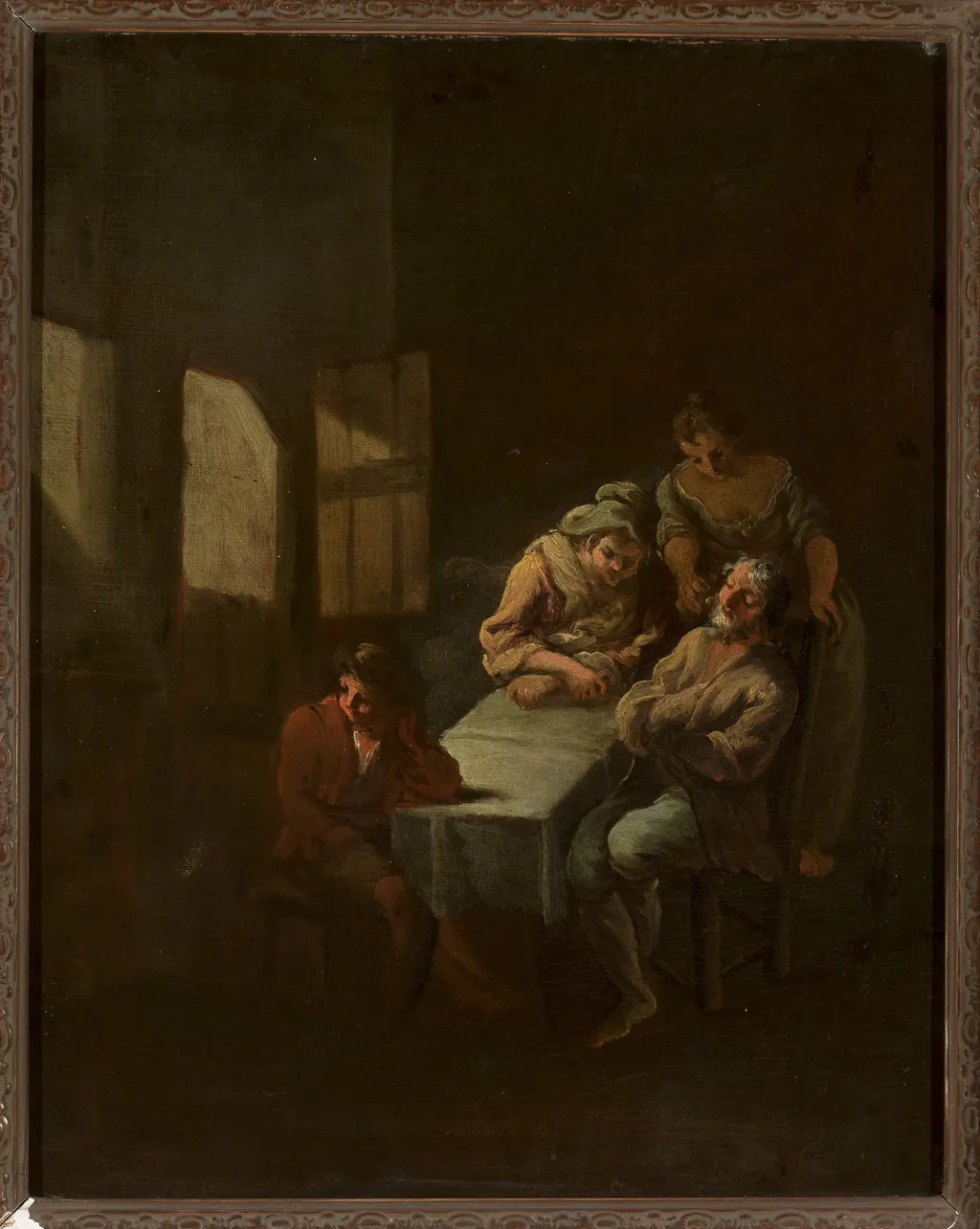
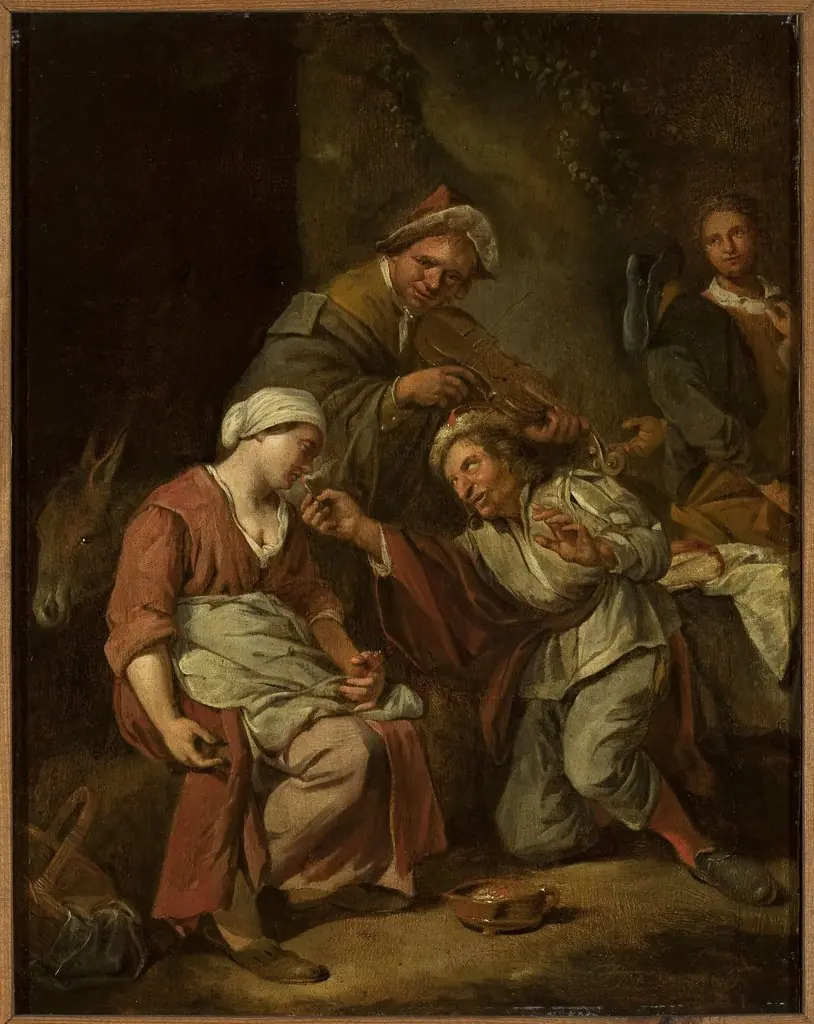
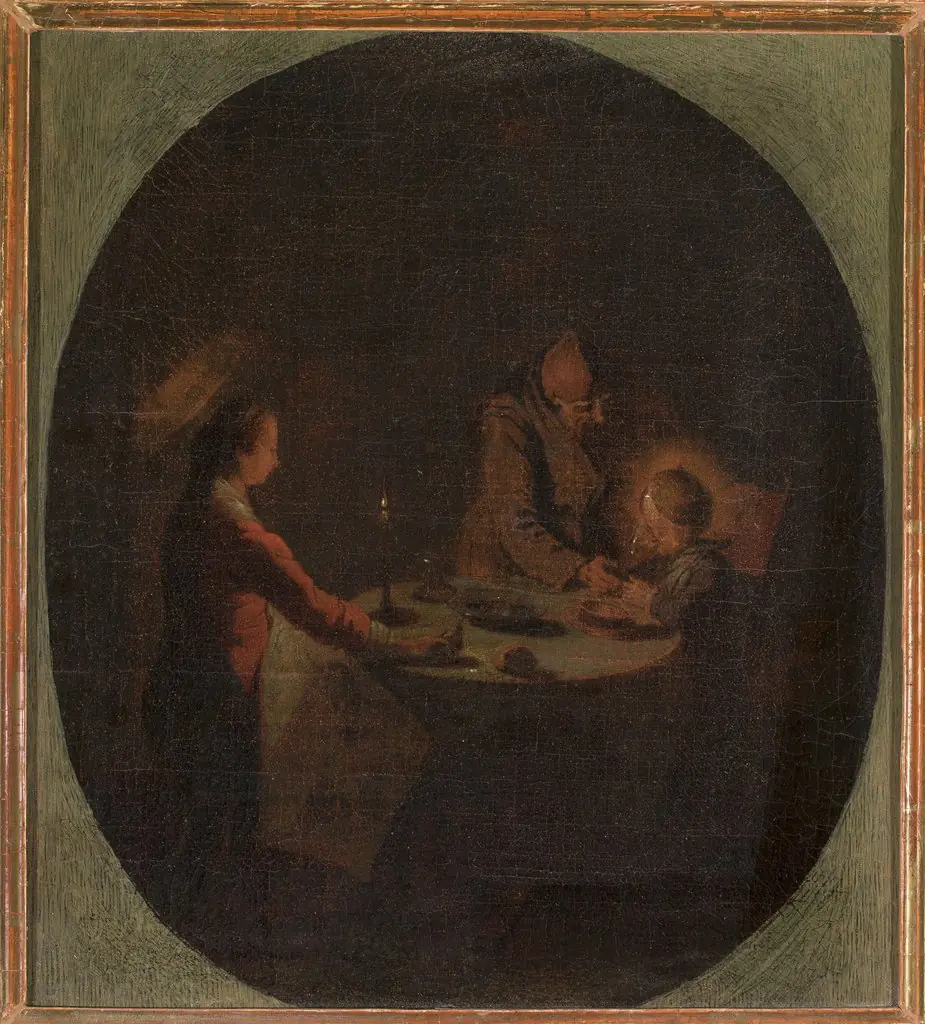
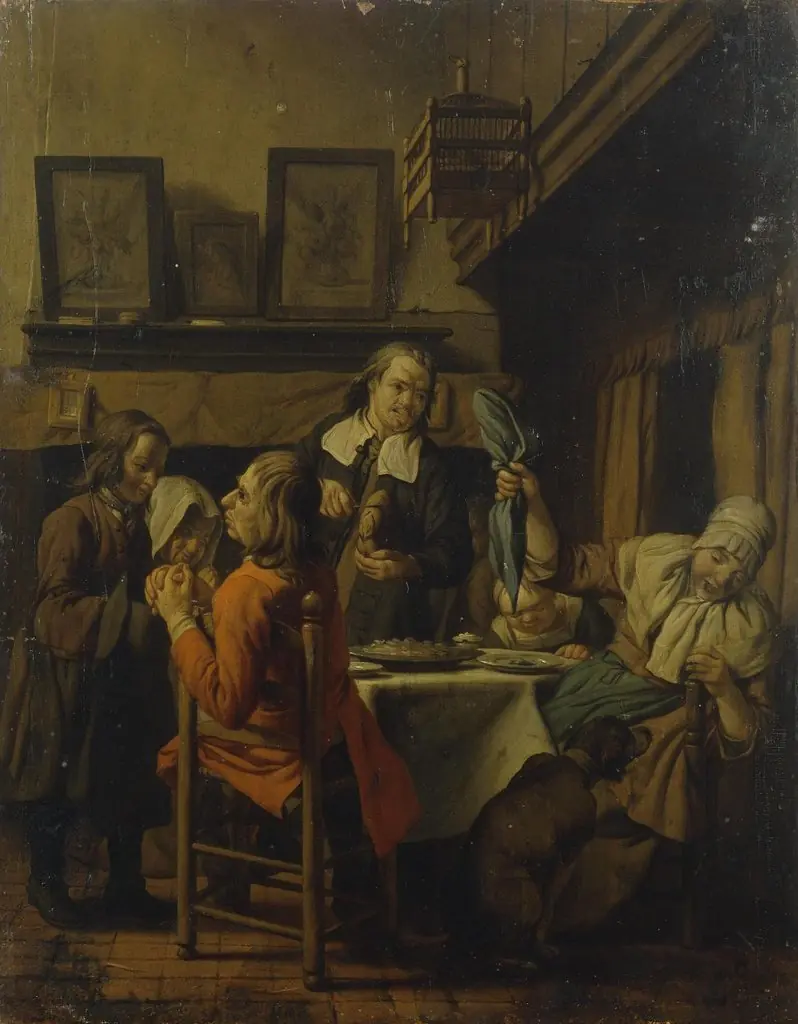
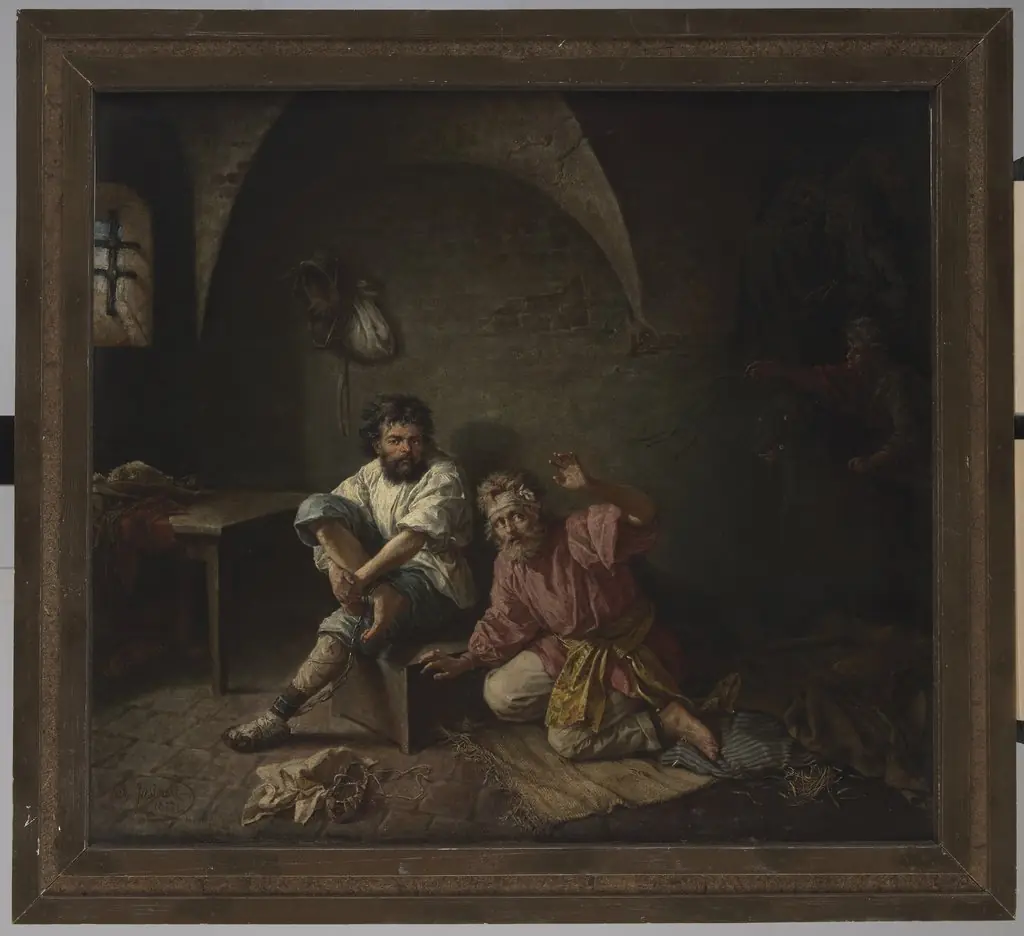
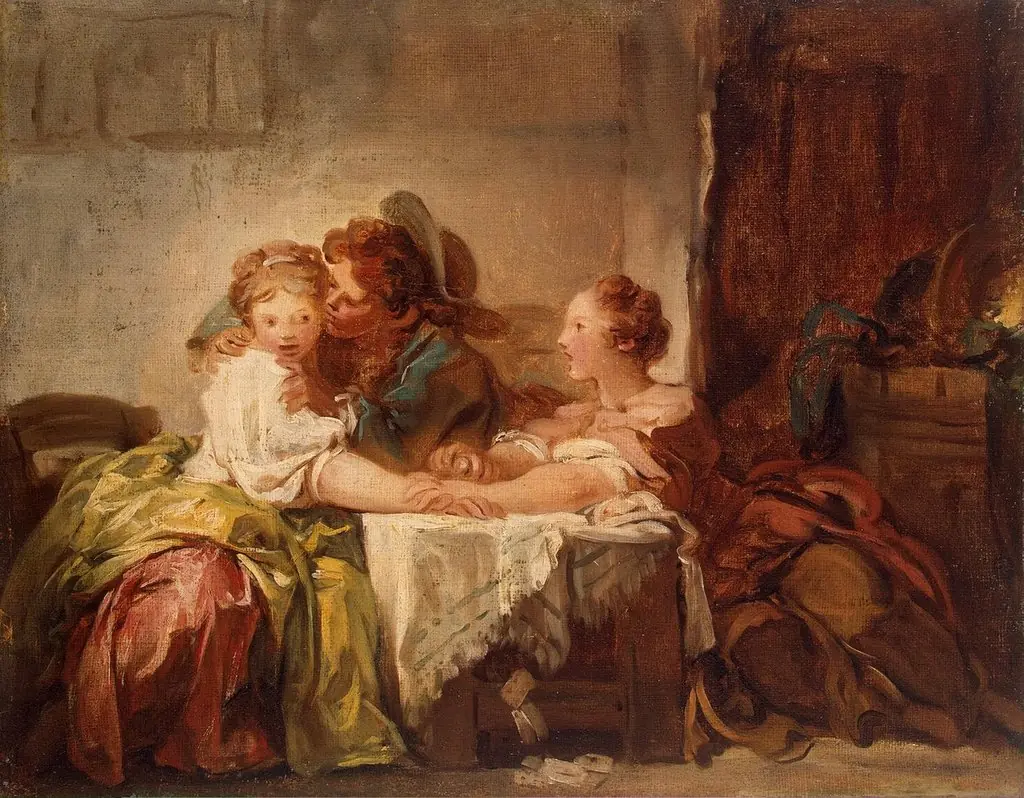
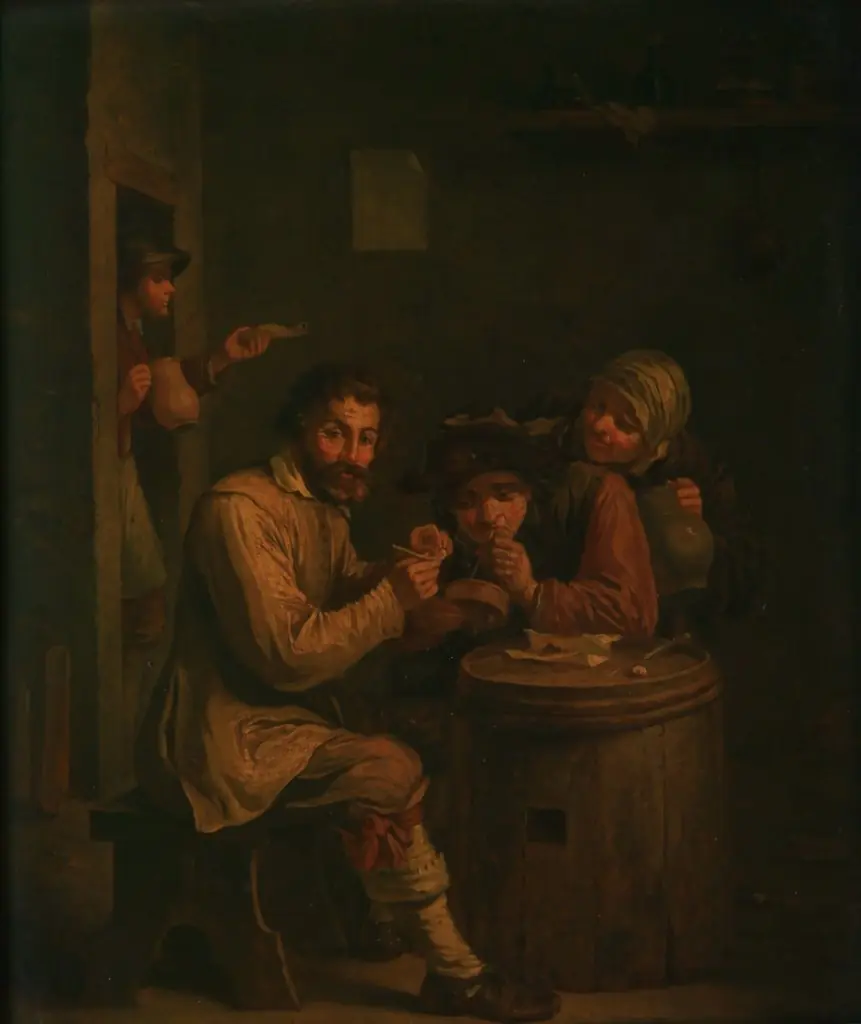
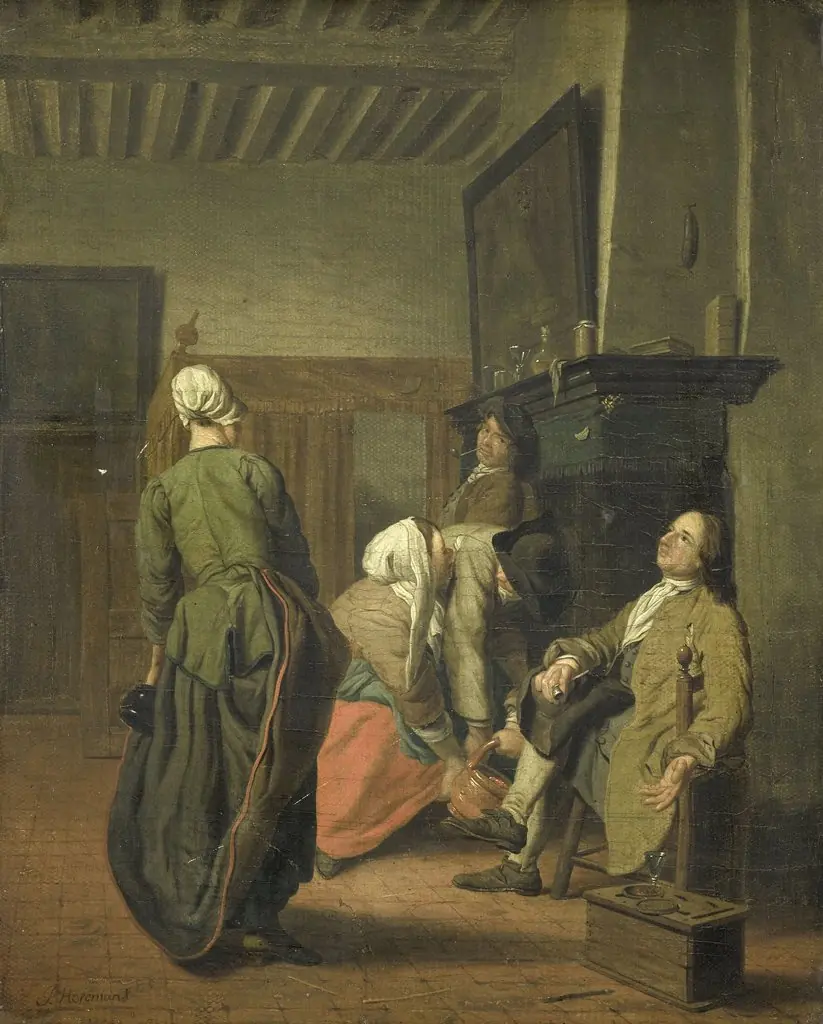
Scene in an interior is an oil painting by the Rococo painting artist Unknown. It dates from 1737 and is held in the collection of the National Museum in Warsaw. The work is an oil painting that depicts a small gathering of figures seated around a table inside a dimly illuminated interior.
About this work
Overview
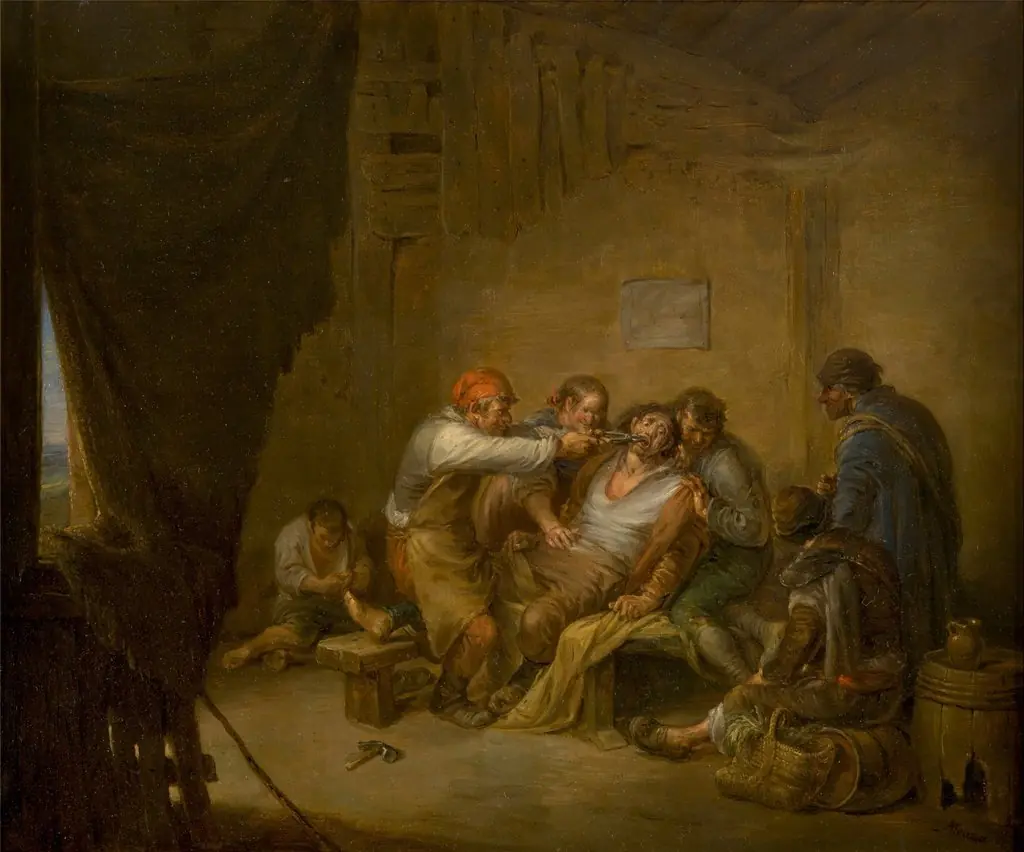
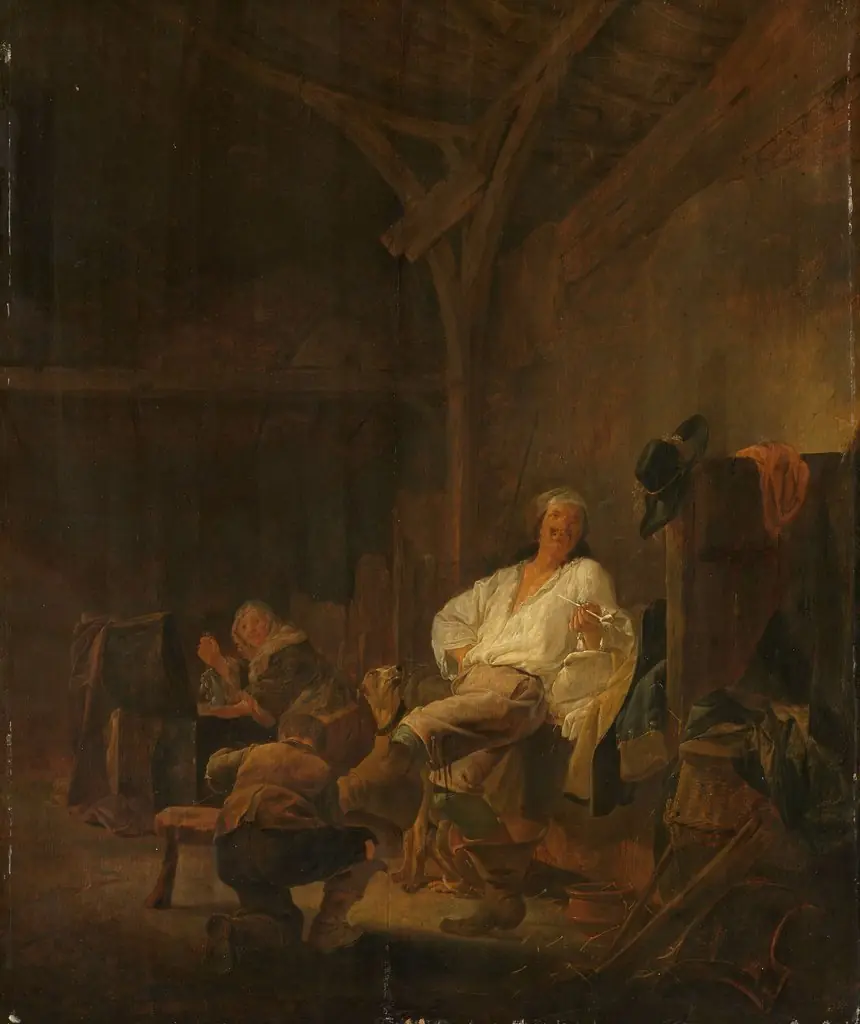
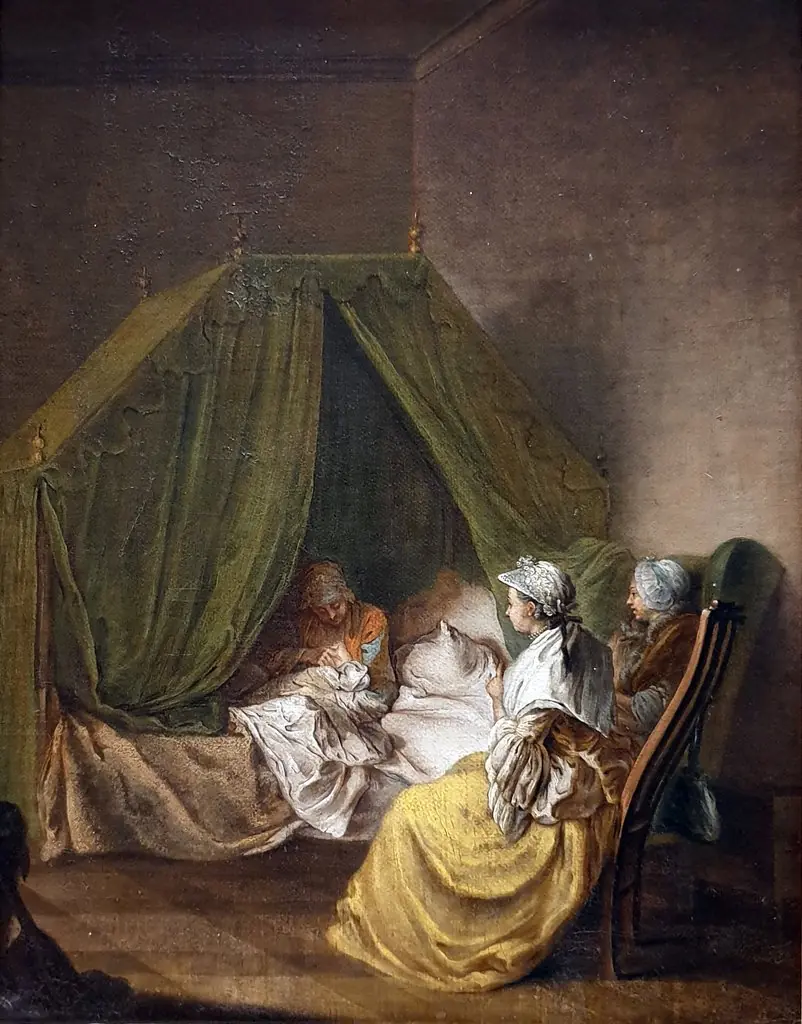
The work is an oil painting that depicts a small gathering of figures seated around a table inside a dimly illuminated interior. Light streams from a window on the left, casting shadows that outline the occupants, who are attired in clothing typical of the eighteenth century. The composition is confined to the room, emphasizing the intimate atmosphere of the scene.
Subject & Meaning
The figures appear engaged in a private activity, perhaps a meal or a discussion, suggested by their attentive expressions and the central placement of the table. The subdued lighting and close arrangement convey a sense of concentration and social interaction, inviting viewers to contemplate the relationships and the moment captured within the domestic setting.
Technique & Style
Executed in a realistic manner, the painting employs careful modeling of fabric folds and facial features. A pronounced chiaroscuro effect creates depth, with strong contrasts between illuminated areas near the window and the surrounding darkness. The handling of oil paint renders subtle textures and a palpable sense of volume, characteristic of the baroque tradition.
Context
The attire and interior details locate the scene in the eighteenth century, reflecting contemporary domestic interiors and fashion. The use of dramatic lighting aligns the work with the broader European tradition of employing chiaroscuro to heighten emotional resonance, a technique popularized by artists such as Rembrandt in the preceding century.
Legacy
While the artist’s identity remains unspecified, the painting illustrates the enduring appeal of intimate interior genre scenes that explore everyday human interaction. Its careful observation of light, material, and expression continues to inform studies of period costume, interior design, and the evolution of realistic oil painting techniques.
Artist & collection

 Domestic Scene
 Giacomo and Cardinal Marco, investing Andrea, Abbot of San Zeno, with his Benefice
 The Nymph of Fontainebleau
 Portrait of a Woman
 Madonna and Child with Saints in the Enclosed Garden
 Venus and Minerva
 Family Group of Four on Sofa
 Wall painting from Room H of the Villa of P. Fannius Synistor at Boscoreale