Artwork
Selvportræt
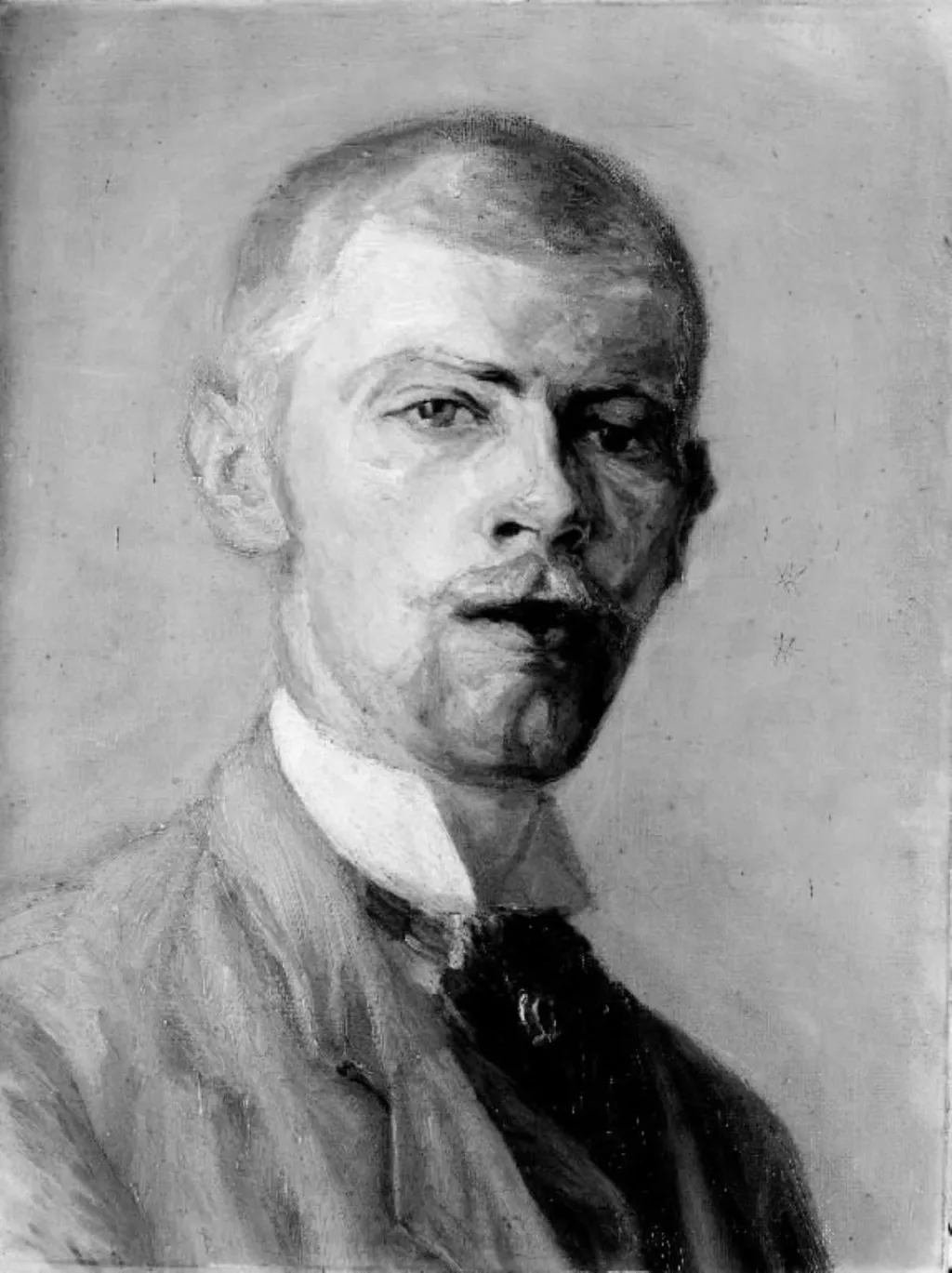
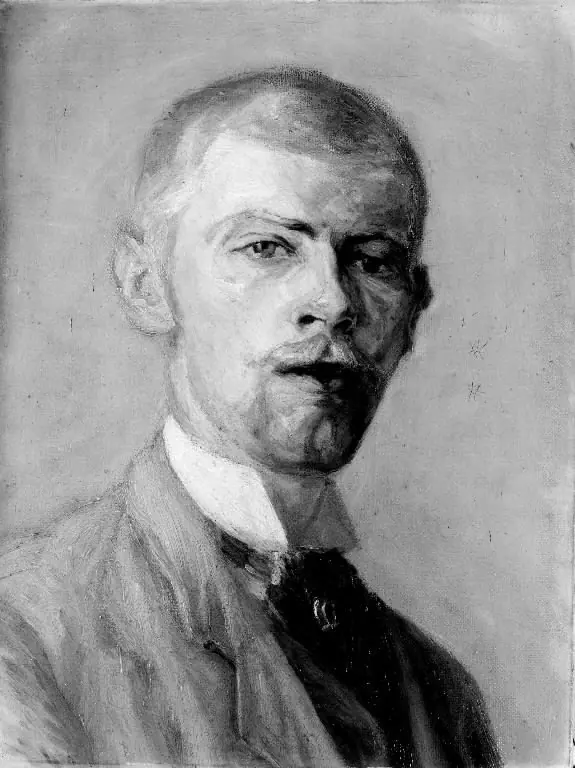
Selvportræt is a photography by Unknown. It dates from 1850 and is held in the collection of the Statens Museum for Kunst. This portrait, dated around 1850, is attributed to the artist 701_person.
About this work
Overview
The composition is restrained, with no extraneous elements, emphasizing the subject’s presence through careful rendering of form and texture.
This portrait, dated around 1850, is attributed to the artist 701_person. Executed in oil on canvas, it presents a seated male figure from the chest upward. The composition is restrained, with no extraneous elements, emphasizing the subject’s presence through careful rendering of form and texture. The work resides in the collection of the Museum of Ethnography, where it is cataloged as a self-portrait.
Subject & Meaning
The subject, believed to be the artist himself, is depicted with a shaved head and formal attire—a dark suit jacket, white collar, and tie—suggesting a deliberate presentation of dignity and professionalism. His neutral gaze and still posture convey introspection rather than emotion. The absence of symbolic objects or setting invites focus on personal identity, aligning with 19th-century conventions of bourgeois self-representation.
Technique & Style
The painting employs a muted palette and subtle tonal gradations to model the face and fabric. Light falls evenly across the subject, with minimal contrast to define volume, avoiding dramatic chiaroscuro. The brushwork is smooth and controlled, particularly in the rendering of skin and the sheen of the tie. The uniform gray background eliminates spatial context, reinforcing the portrait’s intimate, frontal composition.
History & Provenance
The work entered the Museum of Ethnography’s collection in the late 19th century, likely through acquisition or donation. Its attribution to 701_person is based on stylistic analysis and archival records, though documentation from the time of creation is sparse. It has remained in the museum’s care since, with no record of public exhibition prior to the 20th century.
Context
Created during a period when portrait painting was increasingly accessible to middle-class individuals, this work reflects a shift toward personal, non-noble representation. While European academic traditions emphasized idealization, this portrait favors quiet realism. Its placement in an ethnographic museum suggests its later interpretation as a cultural artifact rather than a fine art object.
Legacy
Though not widely reproduced or studied, the portrait remains a quiet example of mid-19th-century personal portraiture in Denmark. Its preservation in an ethnographic context has prompted scholarly interest in how individual identity was framed within institutional narratives. It contributes to broader discussions on the intersection of self-representation and cultural classification in colonial-era collections.
Artist & collection

 Domestic Scene
 Giacomo and Cardinal Marco, investing Andrea, Abbot of San Zeno, with his Benefice
 The Nymph of Fontainebleau
 Portrait of a Woman
 Madonna and Child with Saints in the Enclosed Garden
 Venus and Minerva
 Family Group of Four on Sofa
 Wall painting from Room H of the Villa of P. Fannius Synistor at Boscoreale
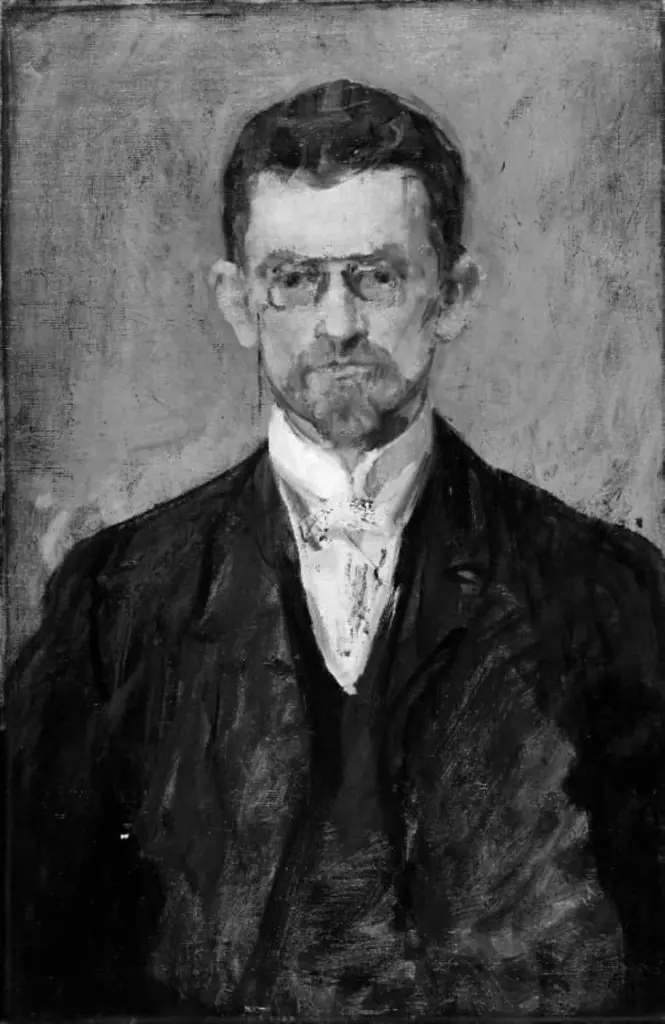 Portrait of the Norwegian Keeper of National Antiquities, Christopher Brinckmann
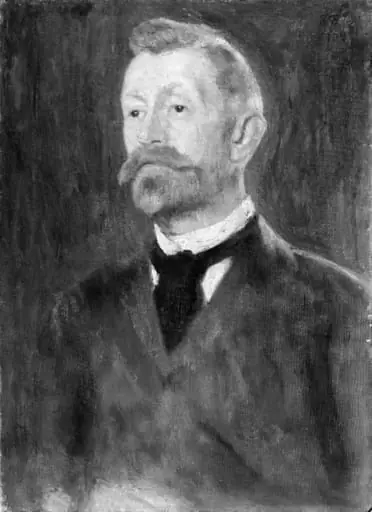 Portrait of Hans Christian Andersen Bekkevahr
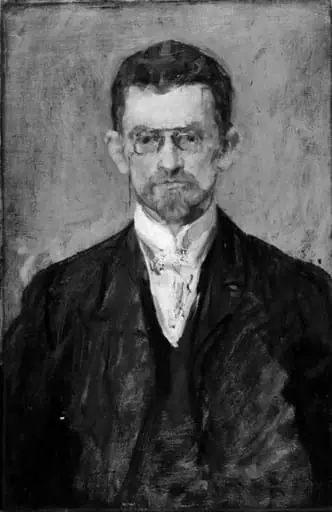 Portrait of the Norwegian Keeper of National Antiquities, Christopher Brinckmann
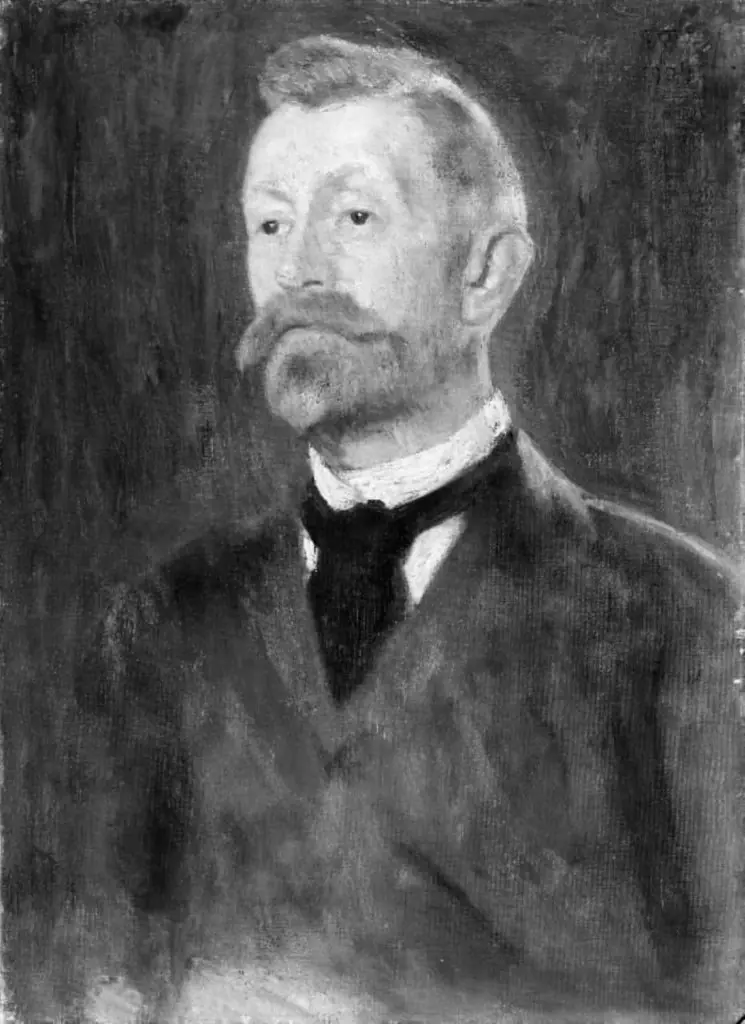 Portrait of Hans Christian Andersen Bekkevahr
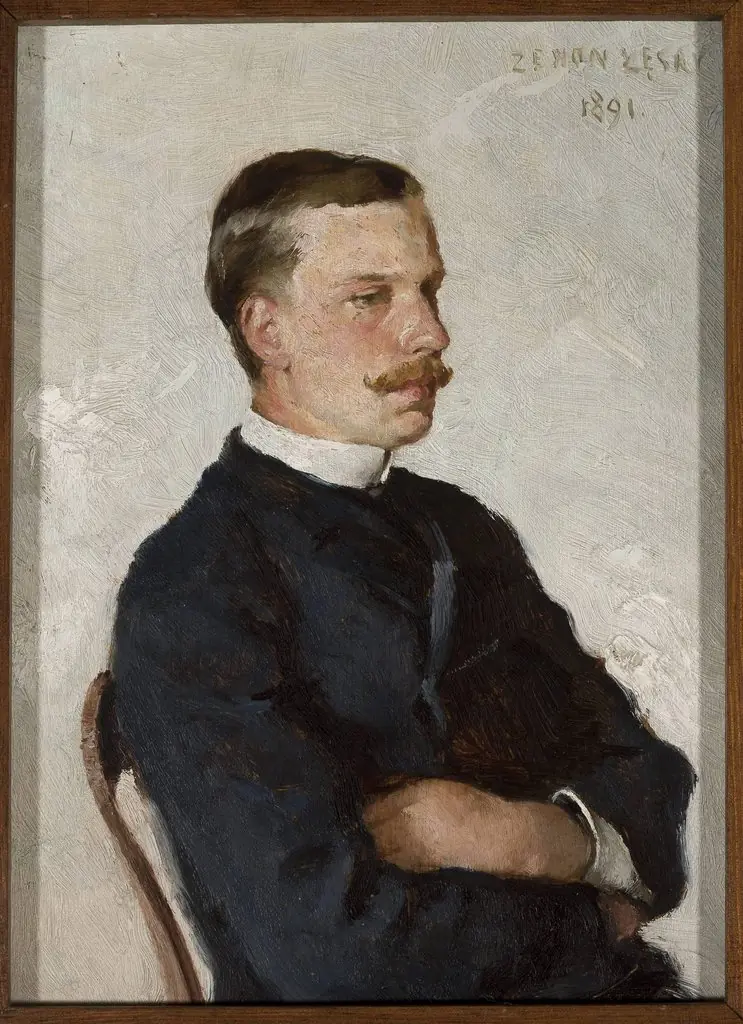 Portrait of a man
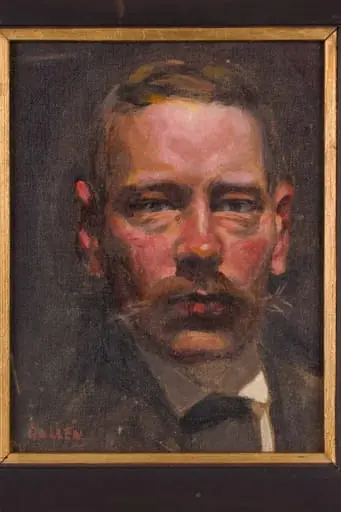 Adolf Paulin muotokuva
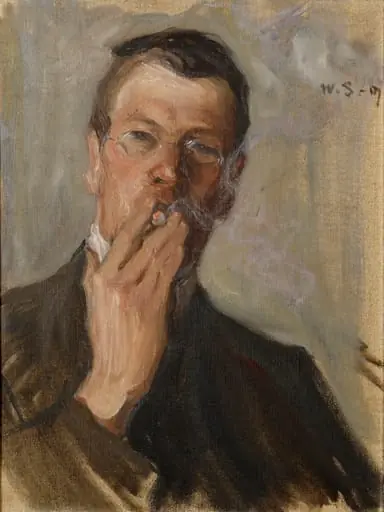 Taiteilija Ali Munsterhjelmin muotokuva
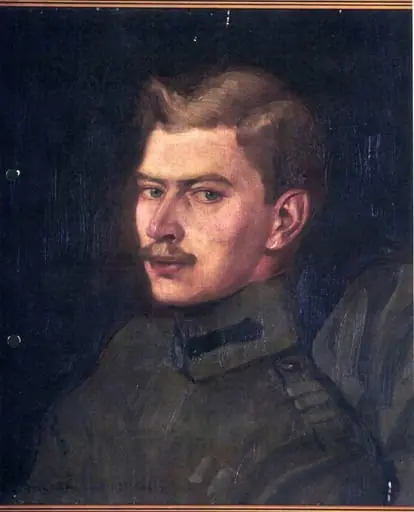 Principele Carol
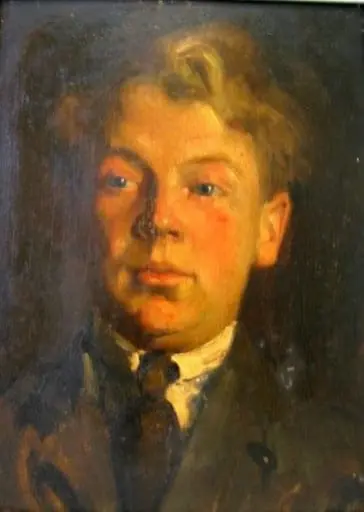 Portretul unui tânăr
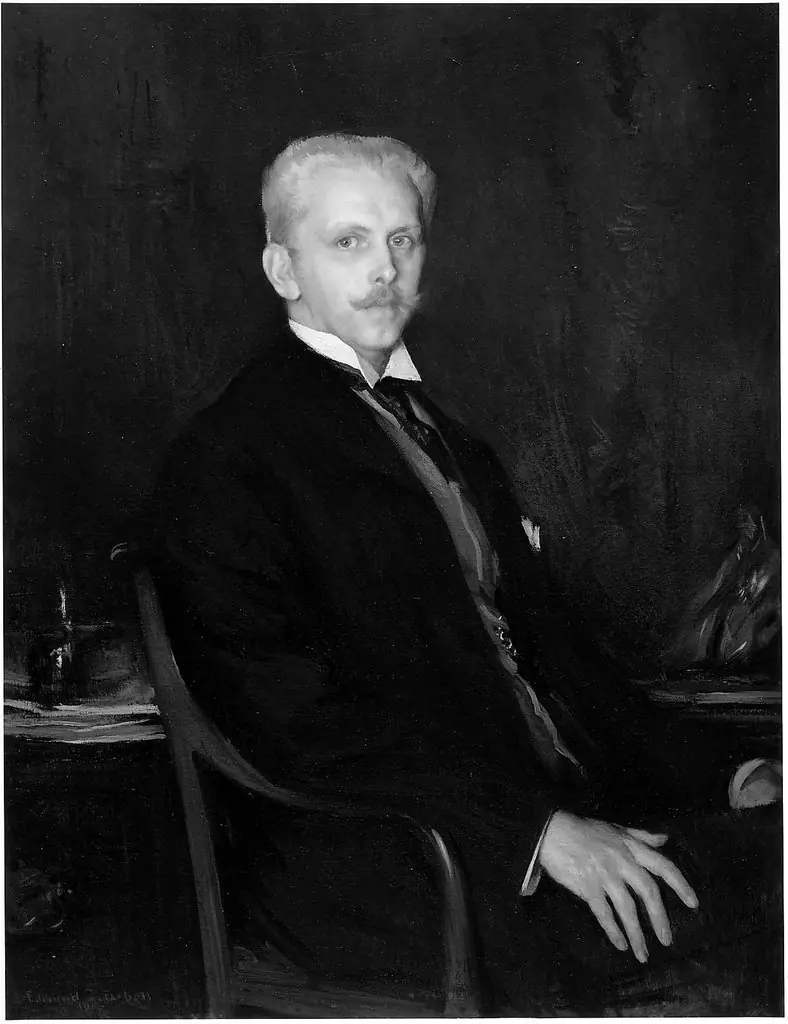 Edward Robinson
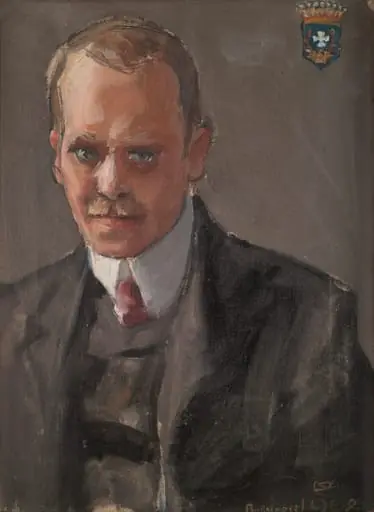 Kreivi Zichyn muotokuva
 Selvportræt