Artwork
Edward Robinson
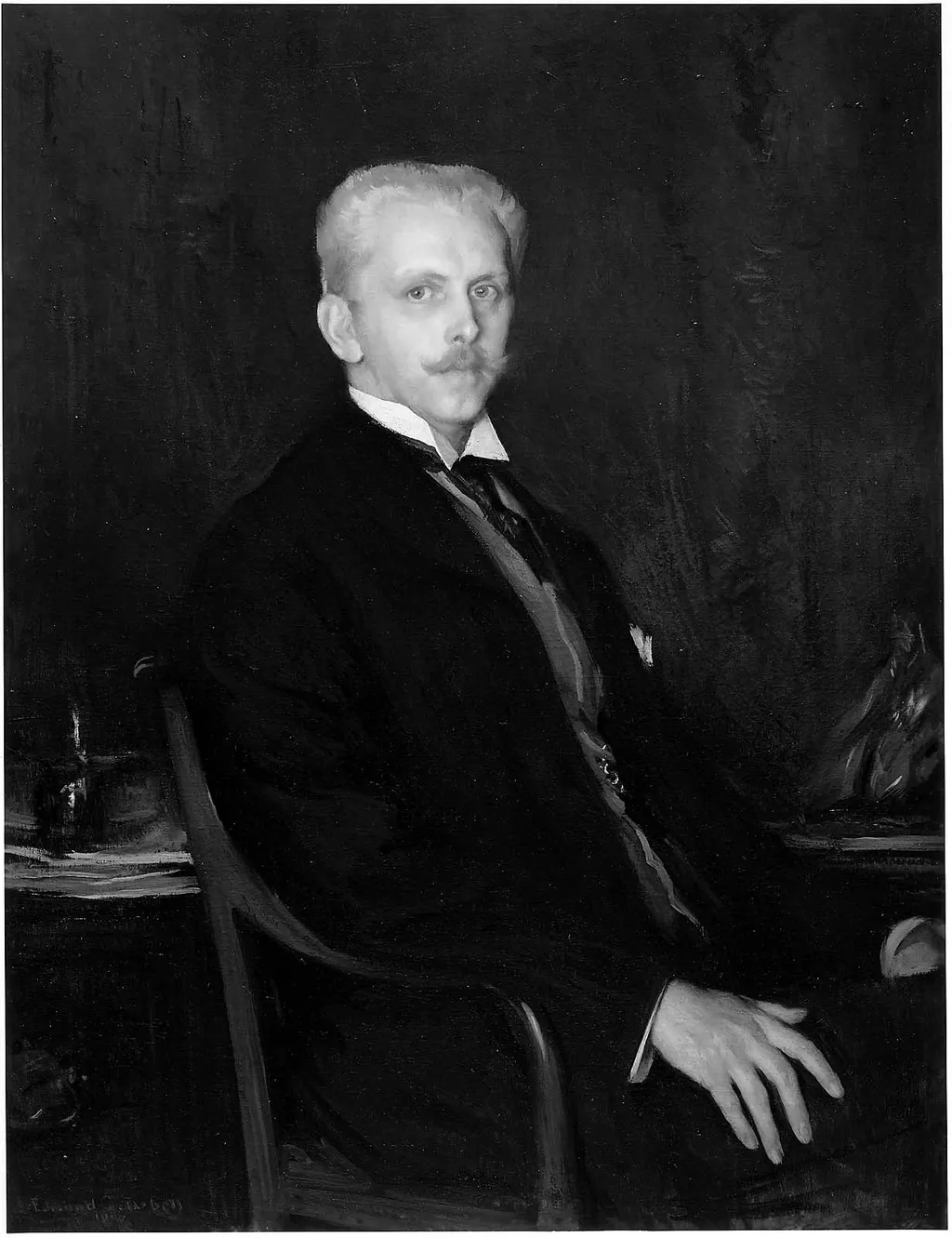
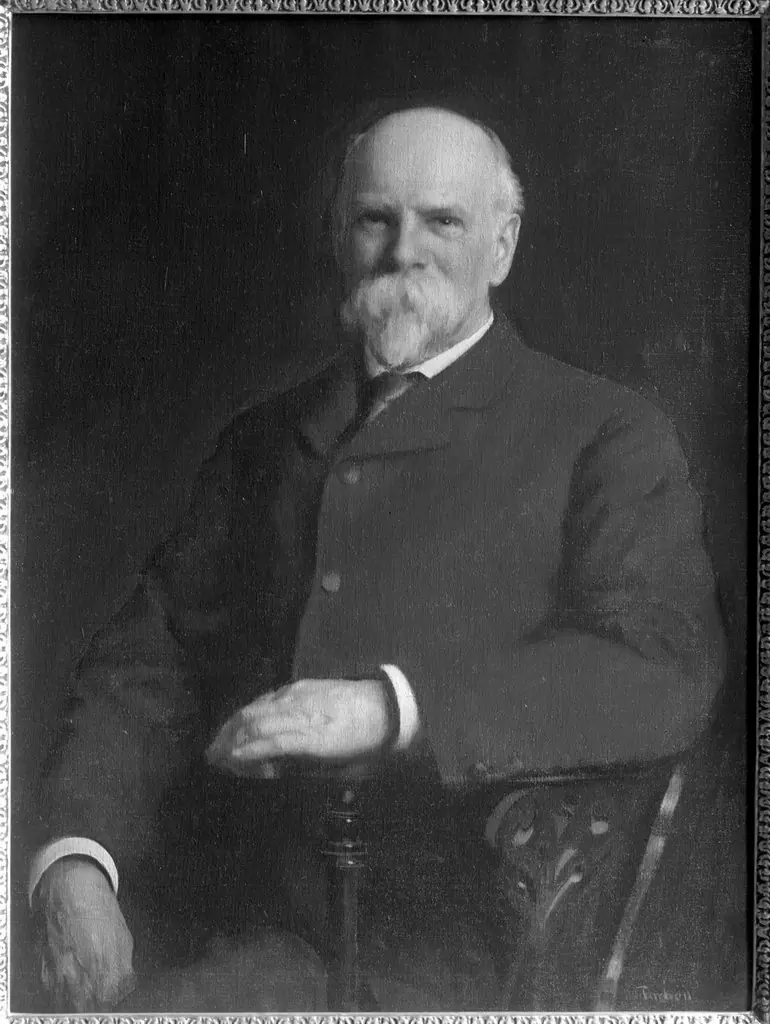
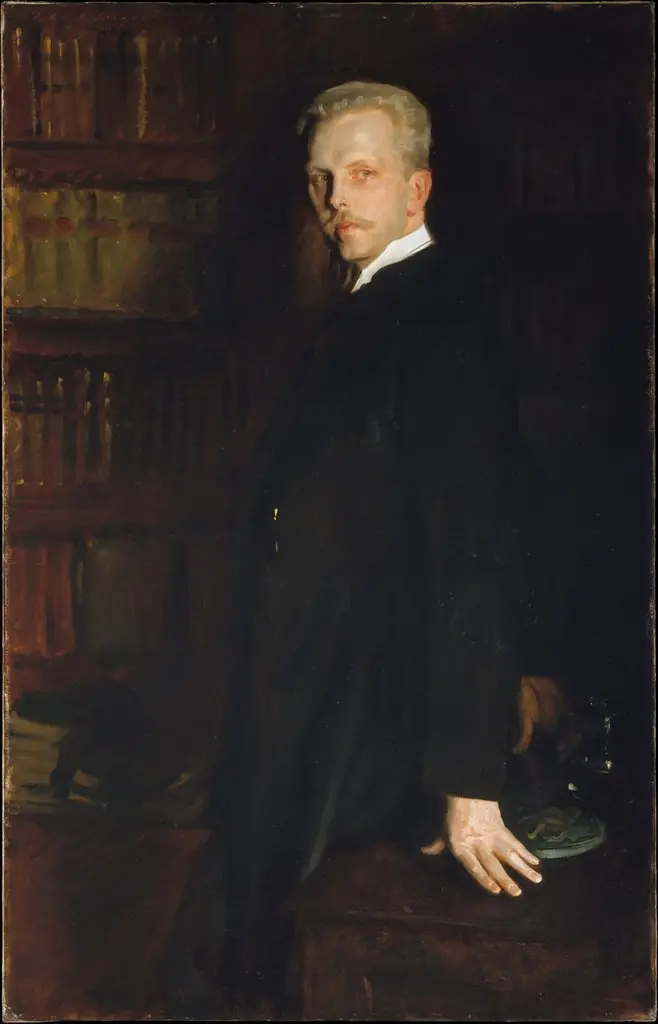
Edward Robinson is an oil painting by the Impressionist artist Edmund Charles Tarbell. It dates from 1906 and is held in the collection of the Museum of Fine Arts Boston.
About this work
Overview
It is held in the collection of the Museum of Fine Arts, Boston, where it remains a representative example of early 20th-century American portraiture.
Painted in 1906 by Edmund Charles Tarbell, this oil portrait depicts Edward Robinson, a notable figure in American cultural institutions. Executed in the Impressionist tradition, the work exemplifies Tarbell’s skill in capturing quiet, intimate moments with attention to natural light and subtle tonal shifts. It is held in the collection of the Museum of Fine Arts, Boston, where it remains a representative example of early 20th-century American portraiture.
Subject & Meaning
Edward Robinson, then a curator at the Museum of Fine Arts, Boston, is portrayed in formal attire—dark suit, white shirt, and tie—suggesting his professional standing. His relaxed posture and neutral expression convey composure rather than grandeur. The absence of overt symbolism or narrative context invites contemplation of the individual’s presence, aligning with the Boston School’s preference for understated dignity over theatricality.
Technique & Style
Tarbell employed loose, deliberate brushwork to render texture and light, particularly in the subject’s skin and fabric. The dark background isolates Robinson, enhancing the focus on his facial features and the play of ambient light across his shirt and tie. Soft transitions between tones, typical of Impressionist-influenced portraiture, avoid harsh outlines, creating a sense of quiet immediacy and atmospheric depth.
History & Provenance
Commissioned during Tarbell’s peak years as a leading figure in the Boston School, the portrait was likely created in connection with Robinson’s role at the Museum of Fine Arts, Boston. It entered the museum’s collection shortly after completion and has remained there since, preserving its institutional and artistic context. No significant changes in ownership or condition are documented.
Context
In early 1900s America, portraiture remained a vital genre among artists aligned with European Impressionism, even as modernist movements gained traction elsewhere. Tarbell and his peers, including the Ten American Painters, emphasized domestic tranquility and refined aesthetics. Robinson’s portrait reflects this ethos—elevating the ordinary through careful observation and controlled composition.
Legacy
The portrait endures as a quiet testament to Tarbell’s ability to merge realism with atmospheric sensitivity. While not widely reproduced, it contributes to the understanding of American Impressionism’s regional character and the role of institutional figures in shaping cultural narratives. Its preservation in a major museum underscores its significance within the Boston School’s legacy.
Own this work as a print
Artist & collection
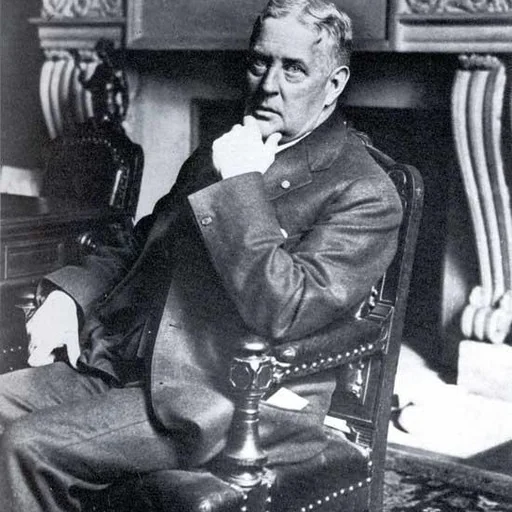
Artist
Edmund Charles Tarbell (April 26, 1862 – August 1, 1938) was an American Impressionist painter.

 Portrait of Wiktor Osławski
 Portrait of Sir Hugh Lane (1865-1915), Director of the National Gallery of Ireland 1914-1915
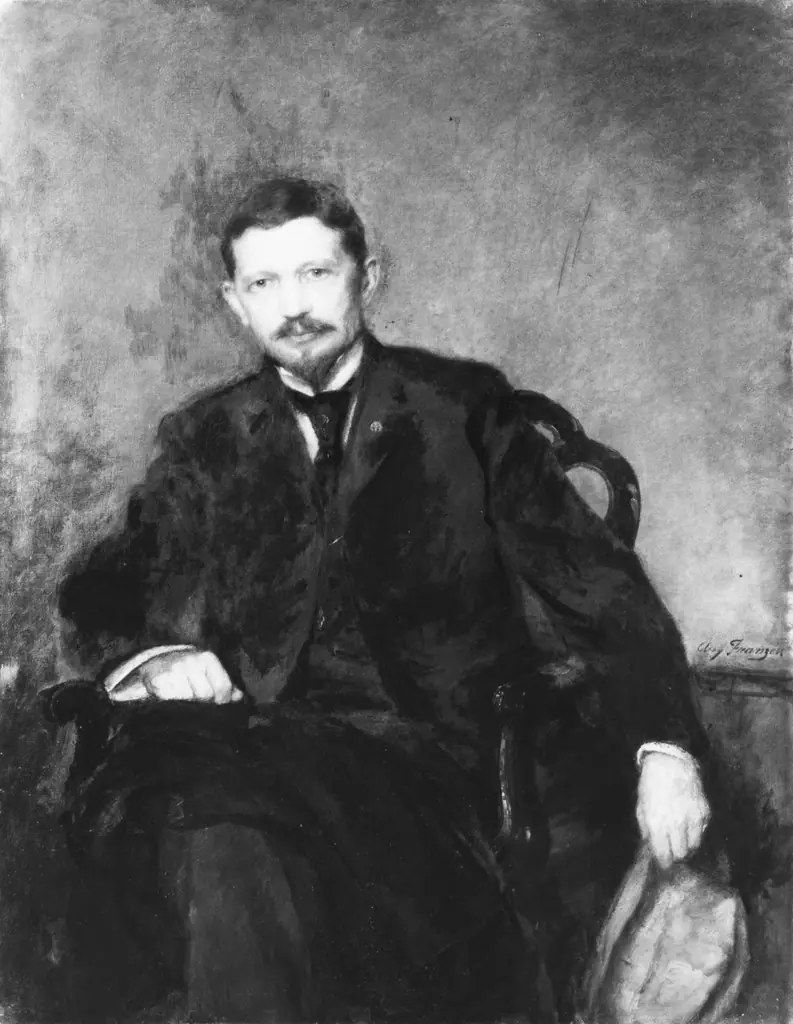 Alphonso T. Clearwater
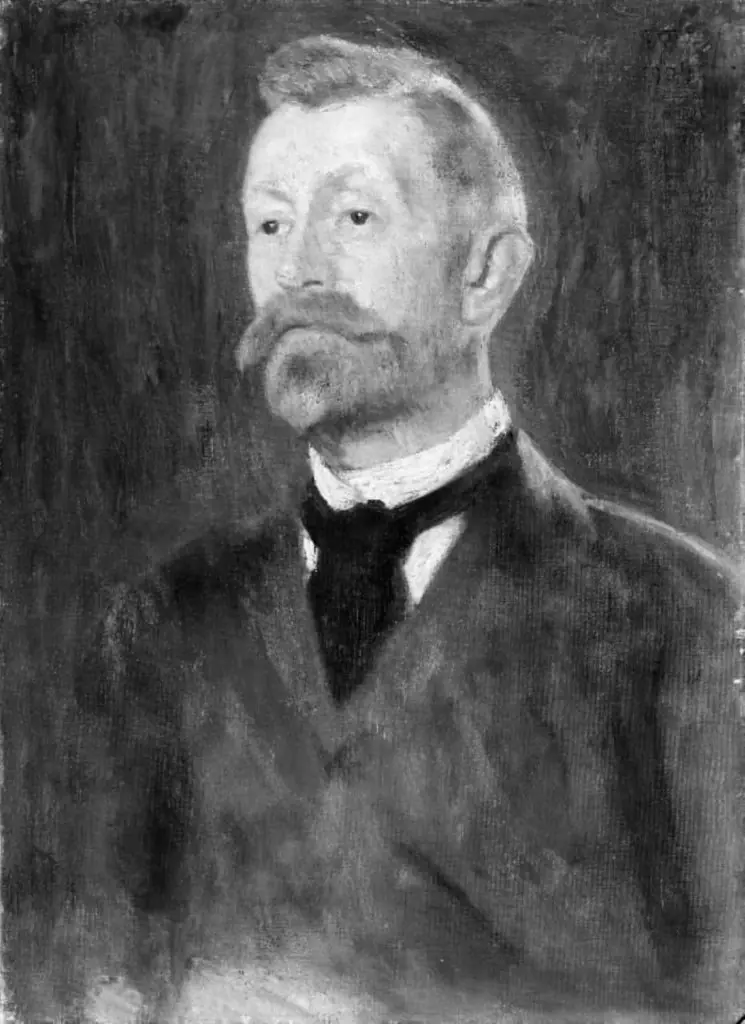 Portrait of Hans Christian Andersen Bekkevahr
 Portrait of Hans Christian Andersen Bekkevahr
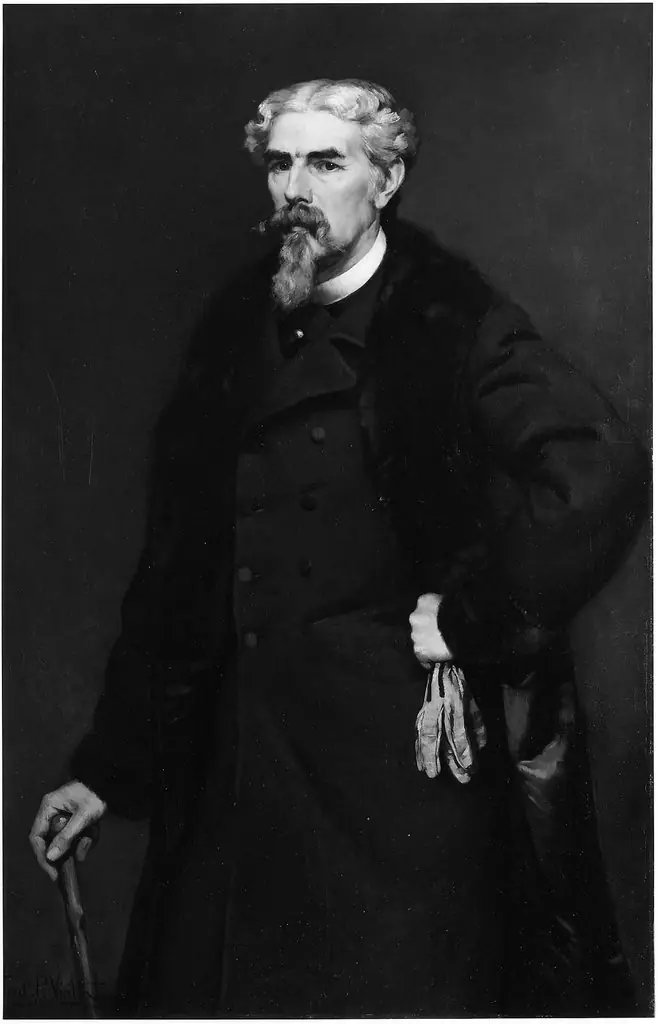 Samuel H. Russell
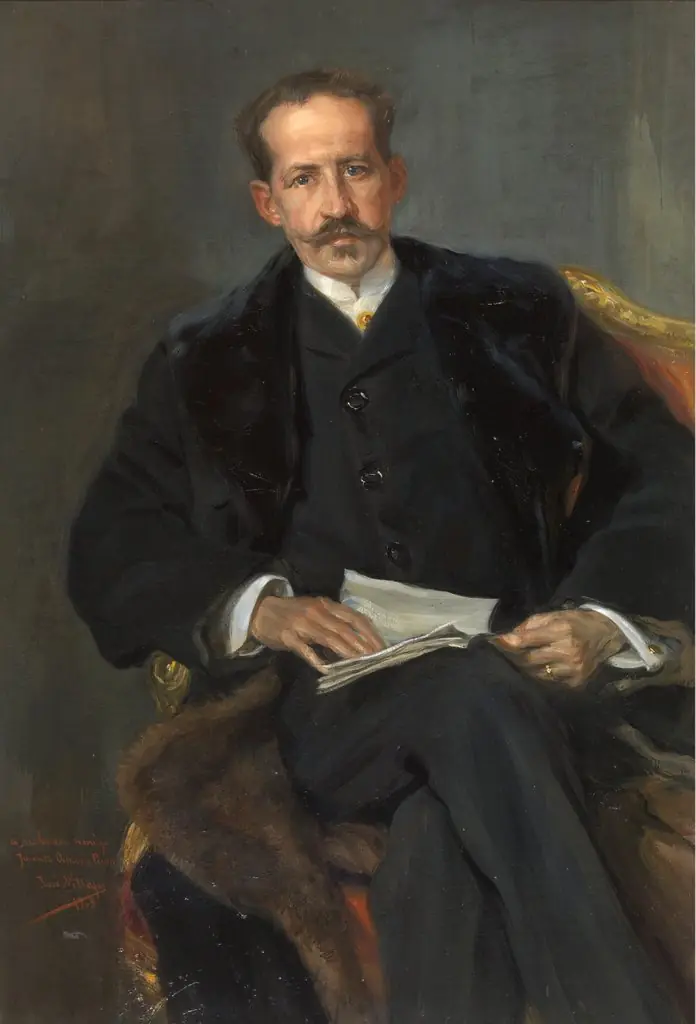 Jacinto Octavio Picón
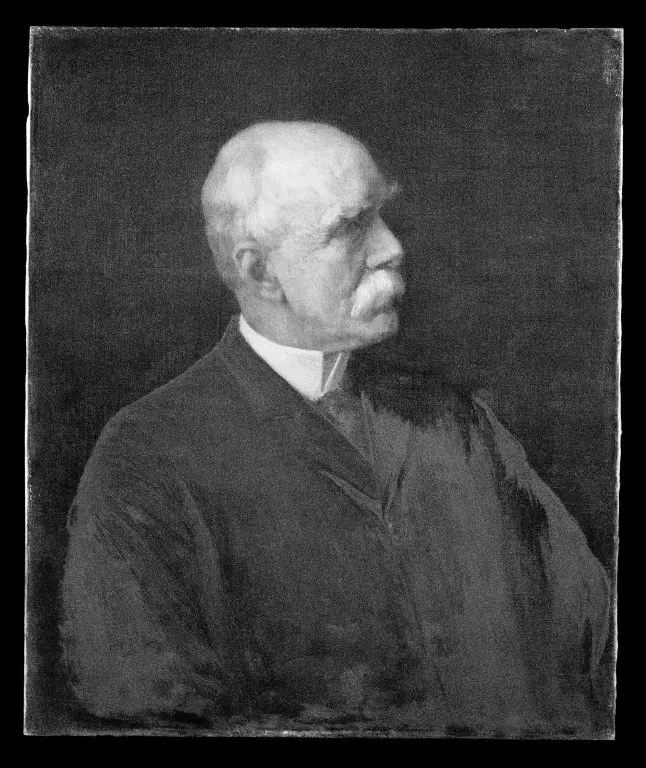 George Callendar Brackett
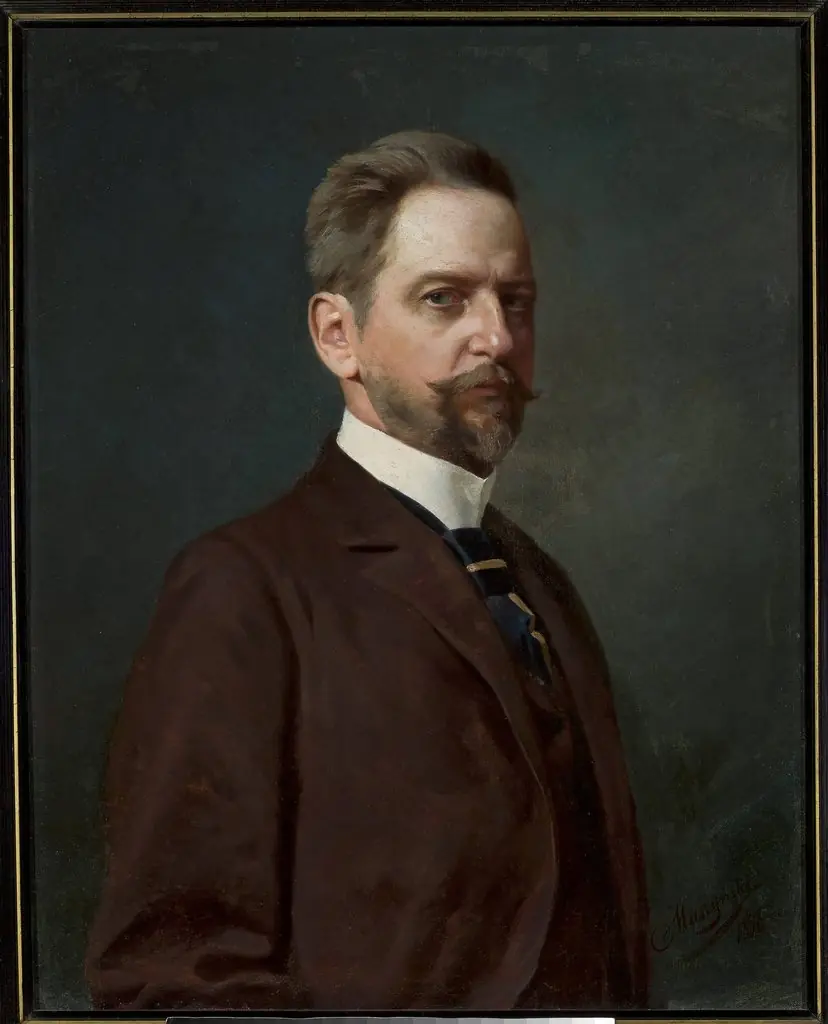 Self-portrait
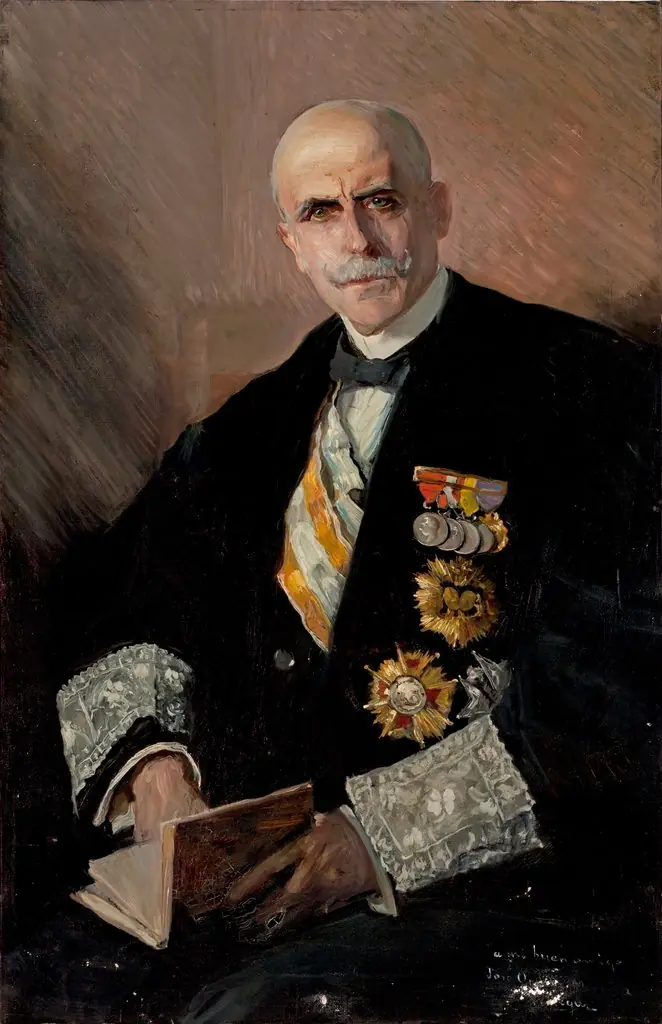 José María Ortega Morejón
 Autoportret
 Edward Robinson