Artwork
Landscape outside Copenhagen with Frederiksberg Church and Palace in the Distance
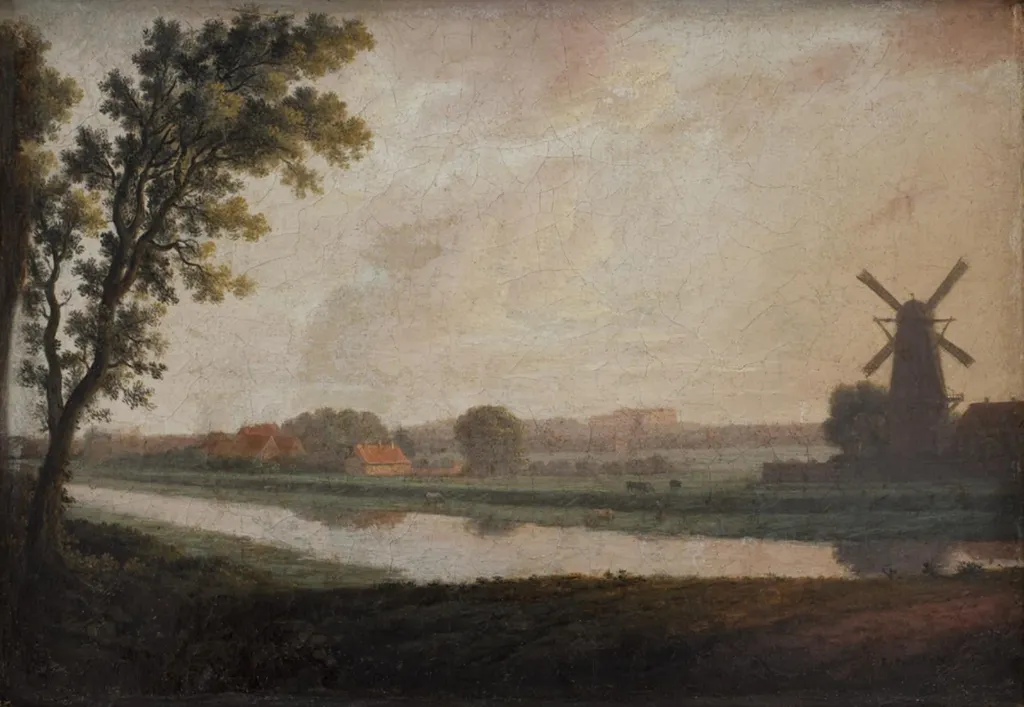
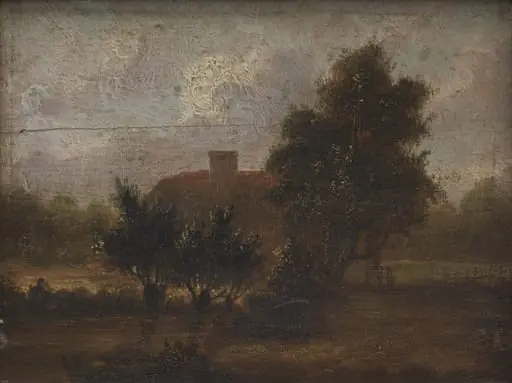
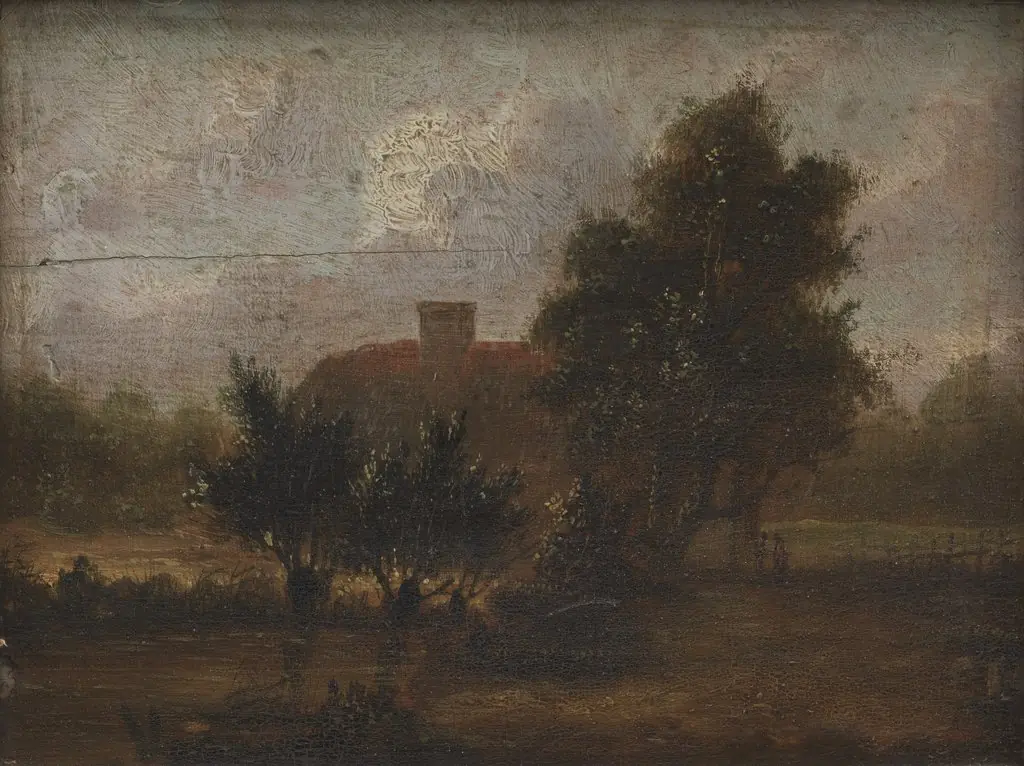
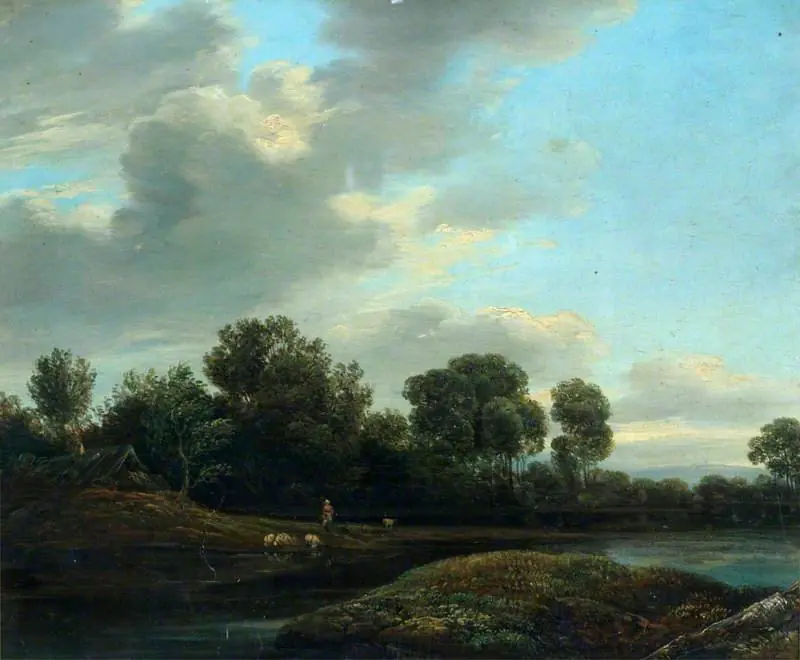
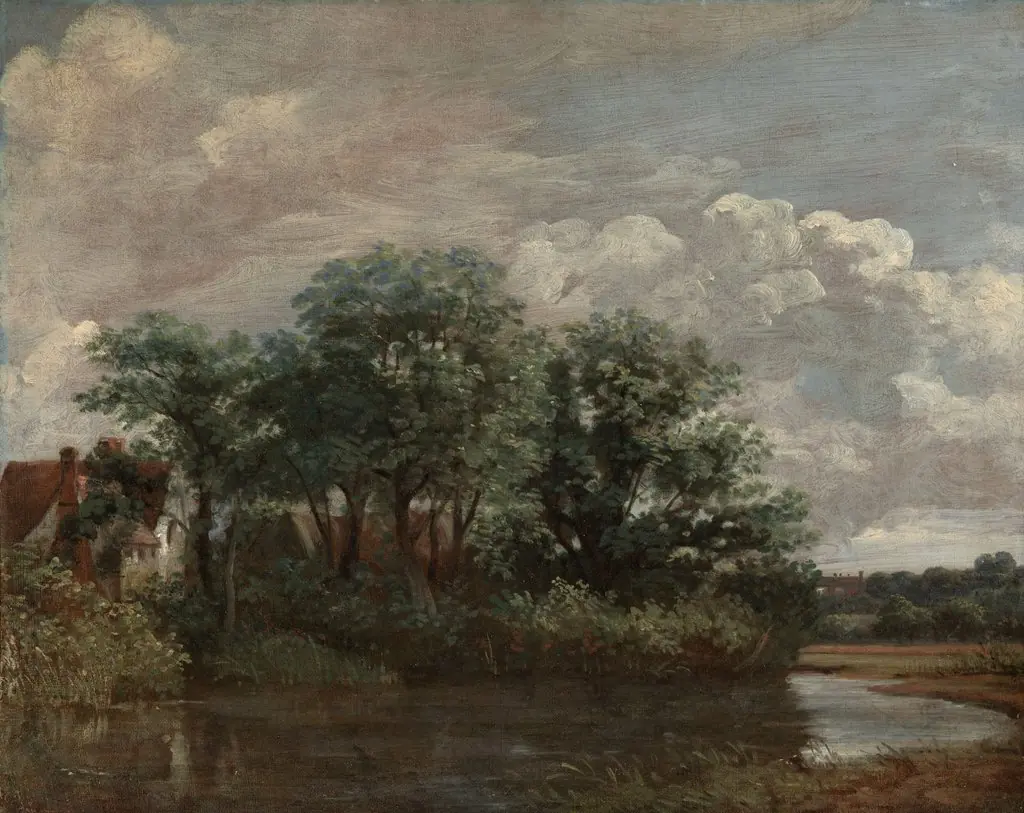
Landscape outside Copenhagen with Frederiksberg Church and Palace in the Distance is an unspecified painting by the Rococo painting artist Unknown. It dates from 1788 and is held in the collection of the Statens Museum for Kunst. Painted in 1788, this landscape captures a quiet stretch of countryside near Copenhagen.
About this work
Overview
The work is held in the collection of the Museum of Ethnography, though its subject is secular and topographical rather than ethnographic.
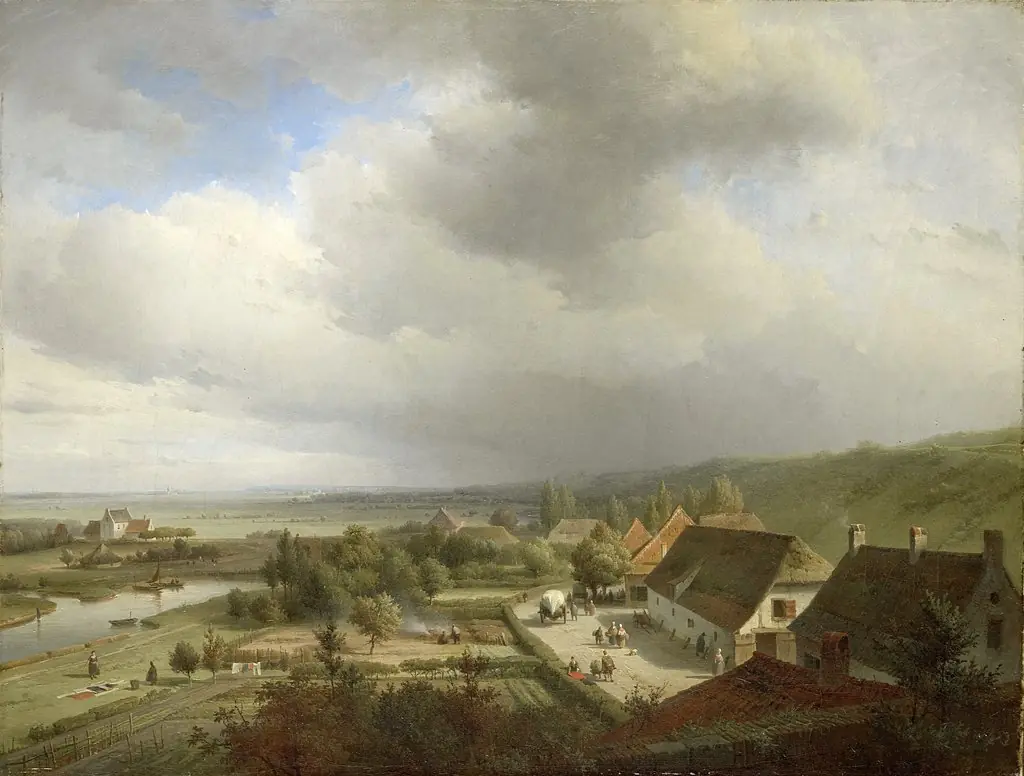
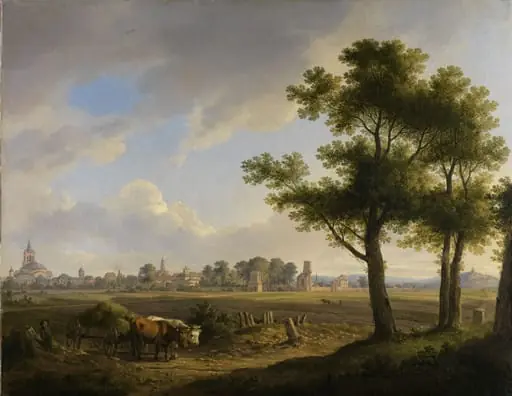
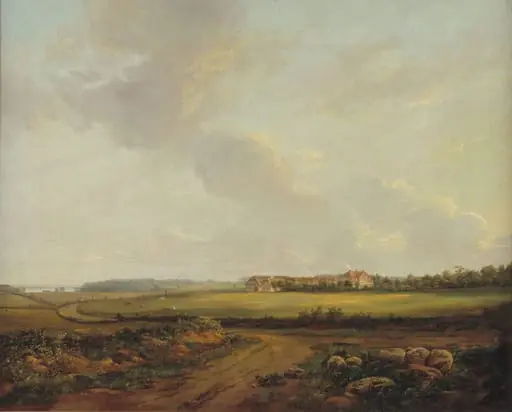
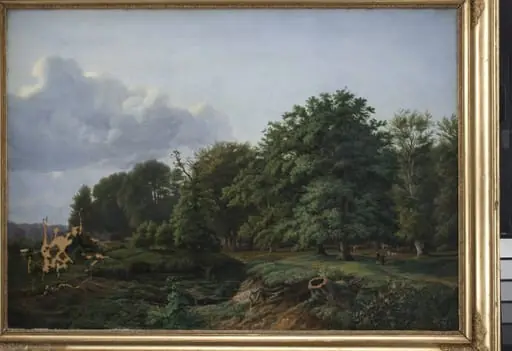
Painted in 1788, this landscape captures a quiet stretch of countryside near Copenhagen. It features a windmill on the right, a large tree on the left, and a narrow body of water running through the center. Distant structures — Frederiksberg Church and Palace — appear faintly on the horizon, integrated subtly into the rolling terrain. The work is held in the collection of the Museum of Ethnography, though its subject is secular and topographical rather than ethnographic.
Subject & Meaning
The scene presents an uneventful rural vista, devoid of human activity, emphasizing stillness and solitude. The faint outlines of the church and palace suggest the presence of institutional power, yet they recede into the haze, offering no dominance over the landscape. The composition invites contemplation rather than narrative, framing nature as a quiet, enduring backdrop to human structures.
Technique & Style
The artist employs soft tonal transitions and careful chiaroscuro to model form and depth. The windmill’s dark silhouette contrasts with the pale sky, enhancing its presence without drawing attention. Light falls gently across the fields and trees, creating a hazy, atmospheric perspective. Brushwork is restrained, favoring subtle gradations over detail, reinforcing the scene’s tranquil, almost dreamlike mood.
History & Provenance
The painting was completed in 1788 and entered the Museum of Ethnography’s collection at an unknown date. Its presence there is unusual, as the work lacks cultural or anthropological content typically associated with the institution’s holdings. No documentation survives regarding its original commission or early ownership, leaving its path to the museum unclear.
Context
In late 18th-century Denmark, landscape painting was gaining traction as a genre independent of religious or historical themes. Artists began observing nature with greater attention to light and spatial depth. This work aligns with that trend, reflecting a growing interest in the Danish countryside as a subject worthy of quiet, unembellished representation.
Legacy
Though not widely exhibited or studied, the painting contributes to a modest body of Danish landscape works from the period that prioritize mood over drama. Its quiet composition and restrained technique offer a counterpoint to more theatrical European landscapes, preserving a sense of local observation that remains understated but persistent in the nation’s artistic record.
Artist & collection

 Domestic Scene
 Giacomo and Cardinal Marco, investing Andrea, Abbot of San Zeno, with his Benefice
 The Nymph of Fontainebleau
 Portrait of a Woman
 Madonna and Child with Saints in the Enclosed Garden
 Venus and Minerva
 Family Group of Four on Sofa
 Wall painting from Room H of the Villa of P. Fannius Synistor at Boscoreale