Artwork
Willy Lott's House
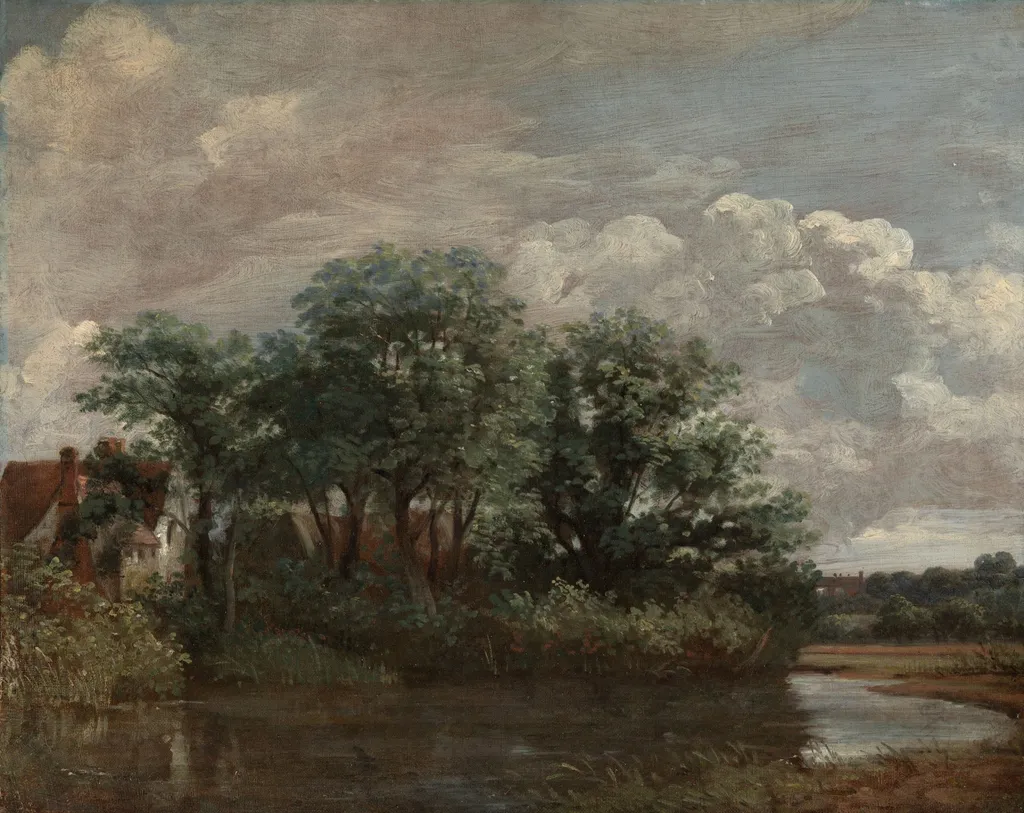
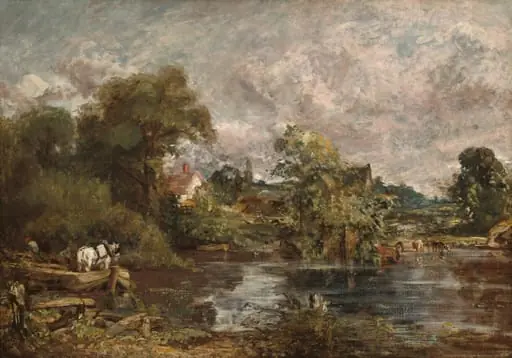
Willy Lott's House is an oil painting by John Constable. It dates from 1802 and is held in the collection of the Clark Art Institute.
About this work
Overview
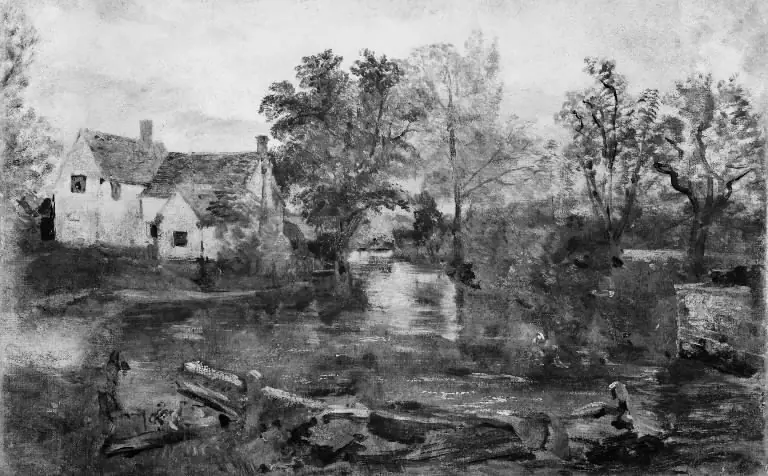
John Constable’s 1802 oil work titled “Willy Lott’s House” presents a tranquil rural scene. The composition centers on a modest dwelling set amid a stand of trees, with a reflective water surface in the foreground and a cloud‑filled sky above. A second, more distant house recedes into the landscape, establishing depth and guiding the eye across the canvas.
Subject & Meaning
The painting captures a typical Suffolk homestead, emphasizing the quiet dignity of agrarian life. By situating the house within a natural setting, Constable underscores the harmony between human habitation and the surrounding countryside, inviting contemplation of the everyday environment of early‑19th‑century England.
Technique & Style
Executed in oil, the work employs a restrained palette of muted tones that convey atmospheric conditions. Subtle gradations of light and shadow model the forms, while the soft, diffused illumination of the sky enhances a sense of depth. These elements reflect Constable’s early exploration of naturalistic light effects, foreshadowing his later emphasis on plein‑air observation.
History & Provenance
Created in 1802, “Willy Lott’s House” entered the collection of the Clark Art Institute, where it remains on view. The painting’s provenance traces back to the artist’s own circle before being acquired by the museum, illustrating the work’s enduring relevance to the study of British landscape painting.
Own this work as a print
Artist & collection
Artist
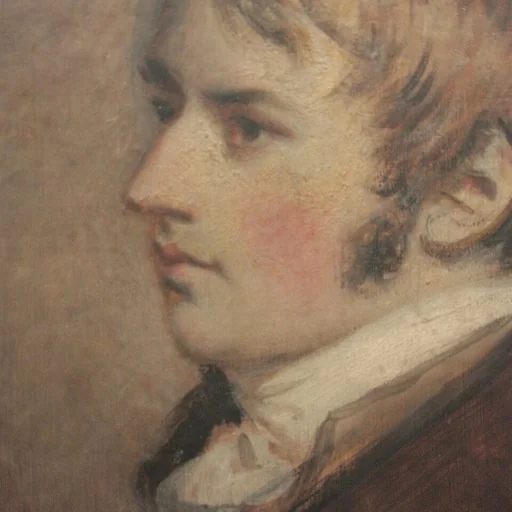
John Constable (; 11 June 1776 – 31 March 1837) was an English landscape painter in the Romantic tradition.

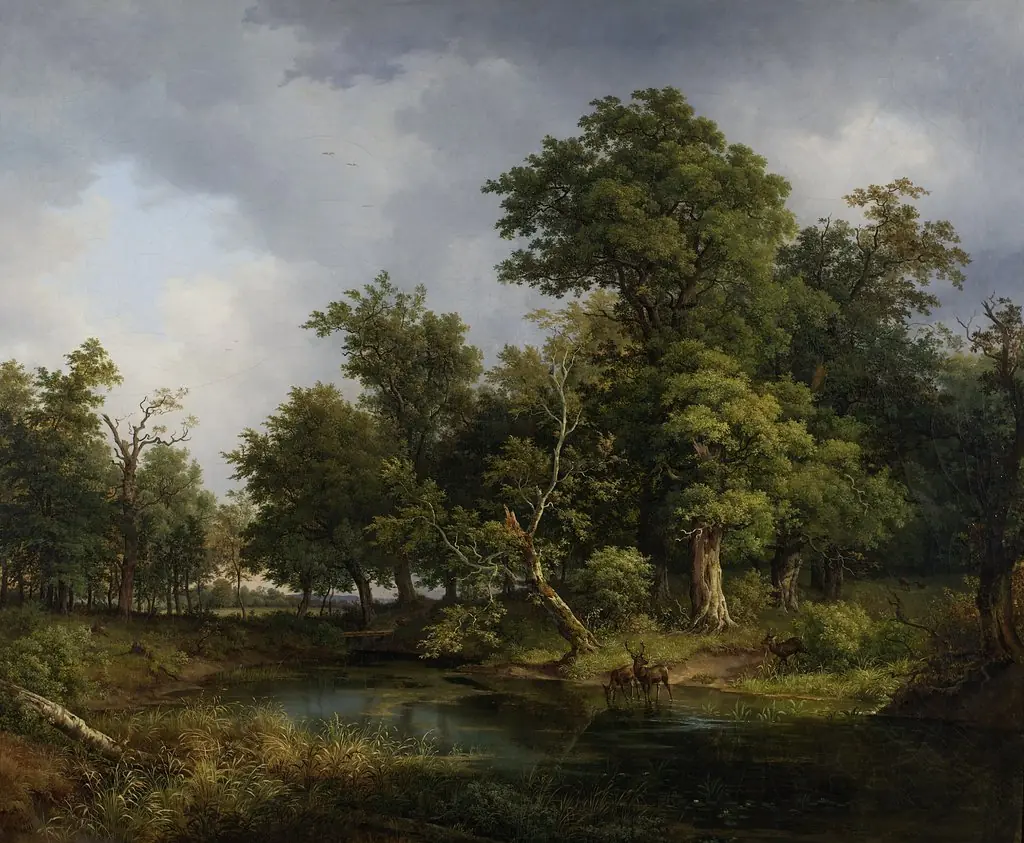 Waldlandschaft
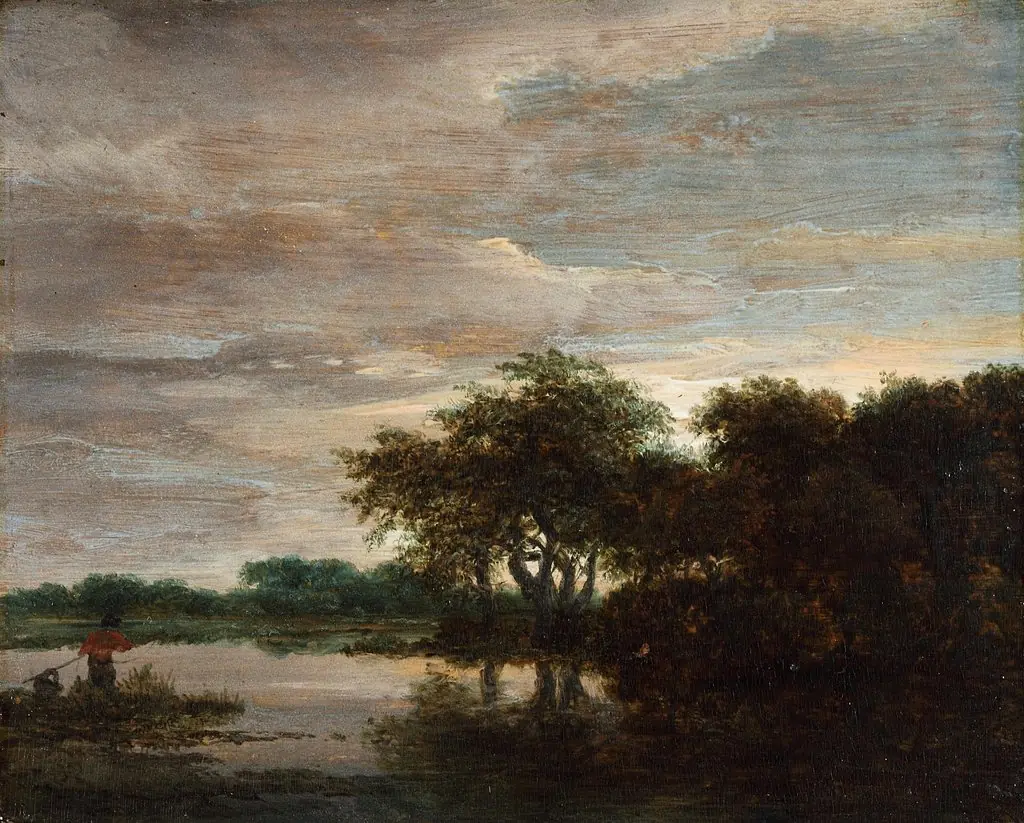 Woodland Scene with Lake
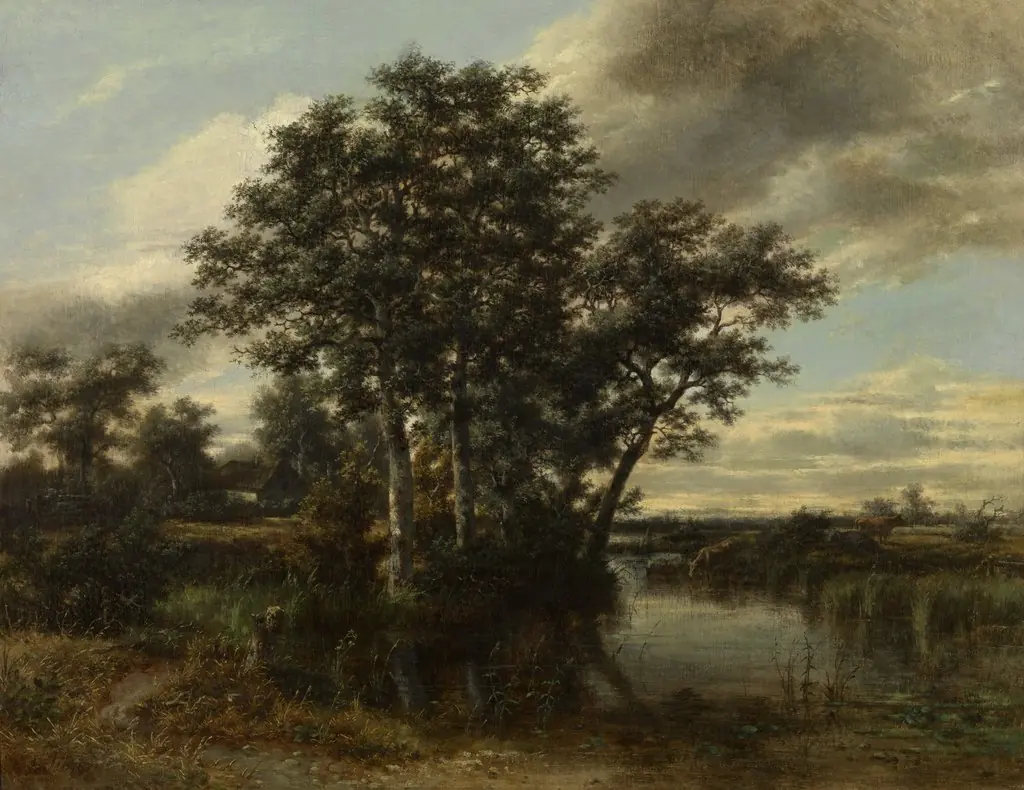 Pool
Pool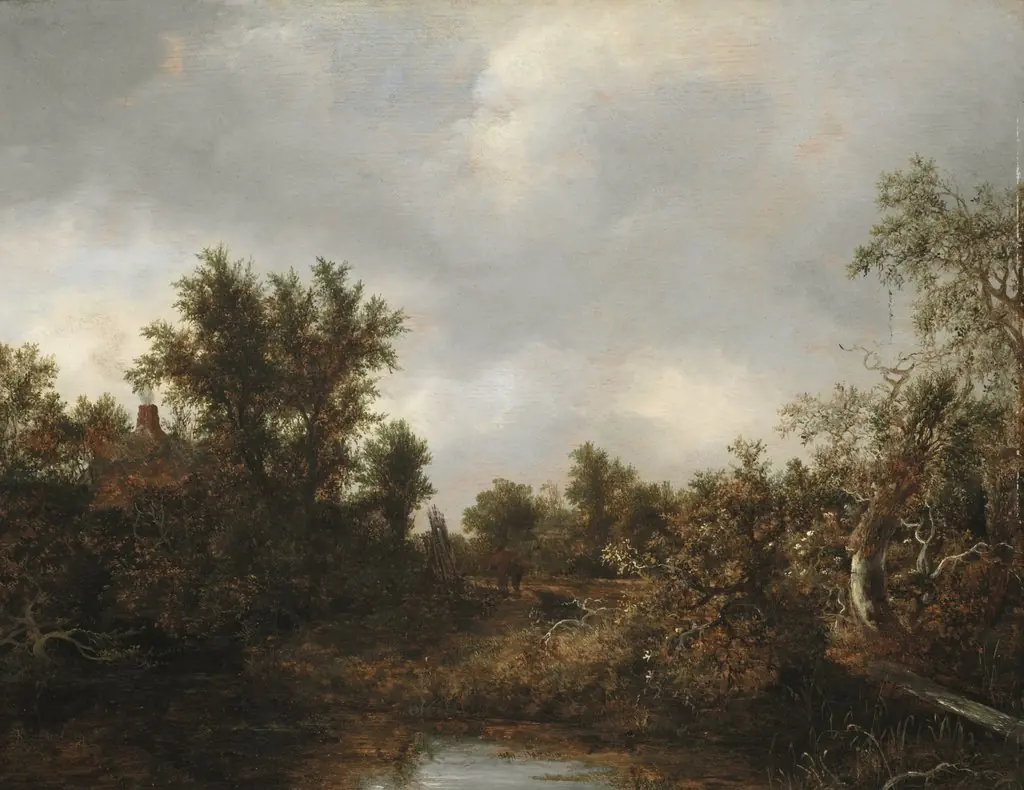 Landscape, ca. 1646
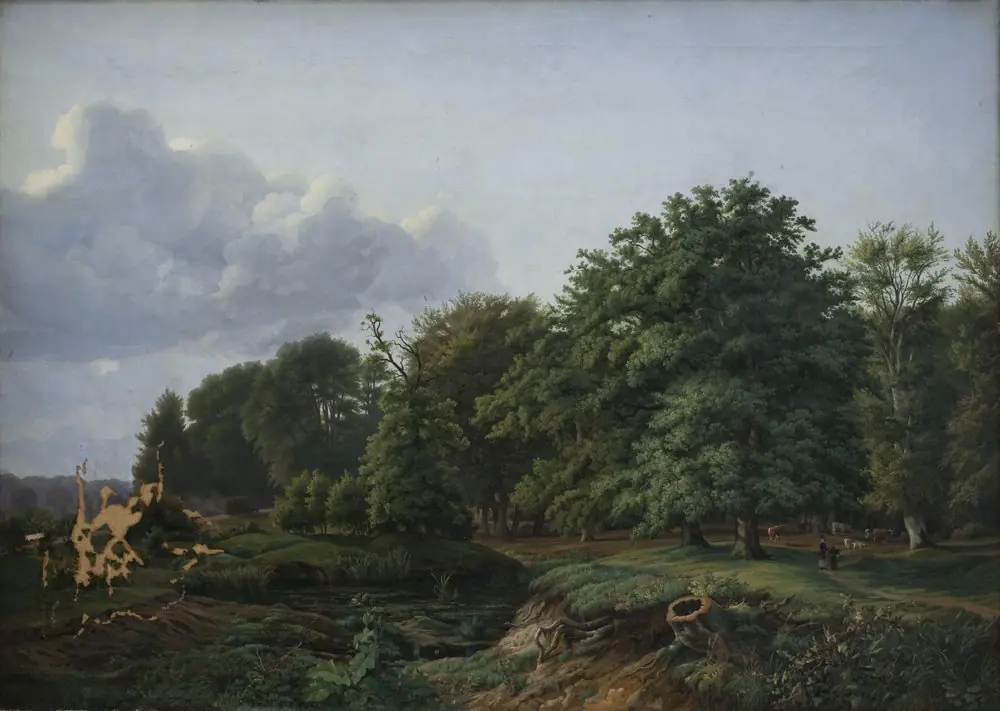 A Forrest near Hellebæk in the North of Zealand. Afternoon.
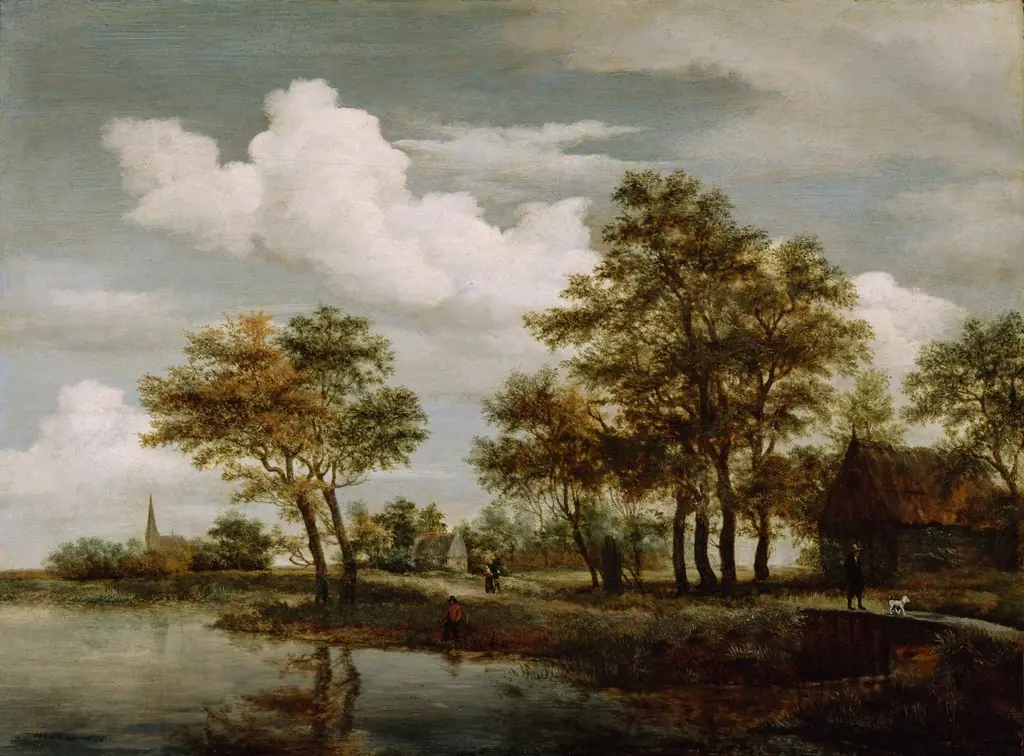 A River Scene
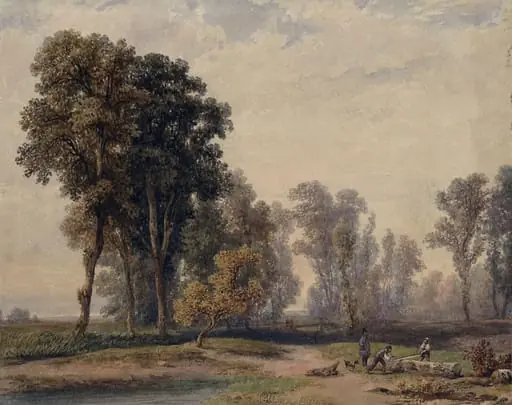 Landscape with two wood sawyers
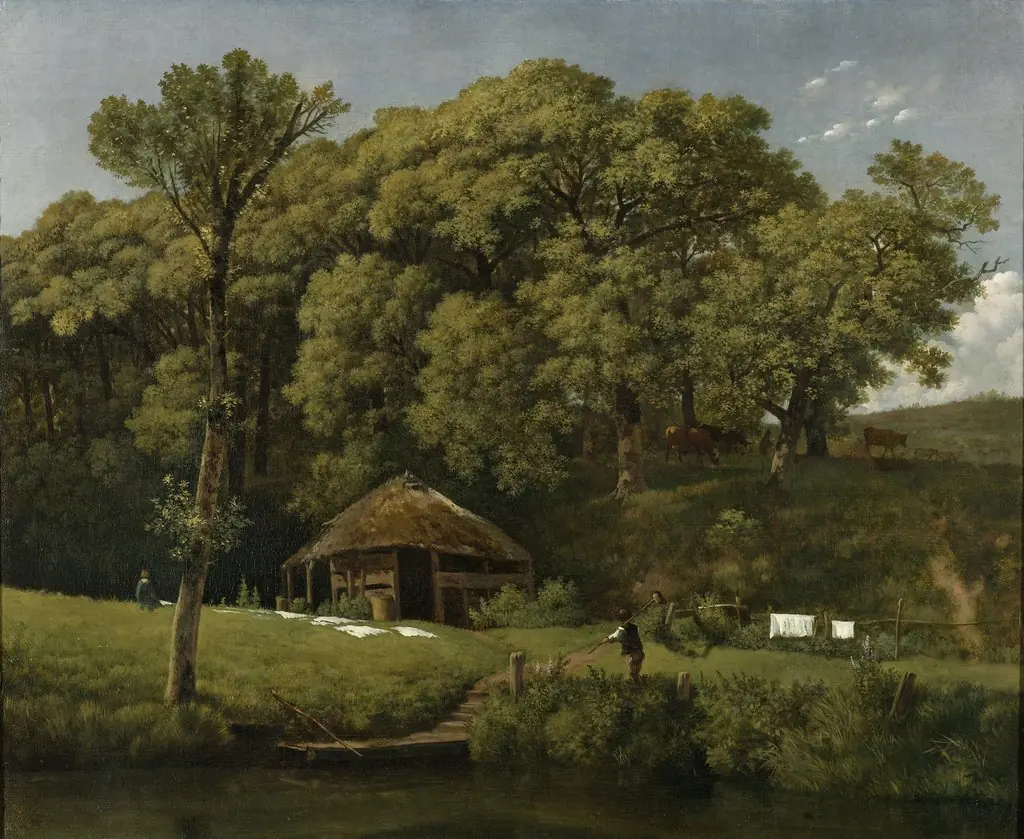 A Barn on the Bank of a Stream in Gelderland
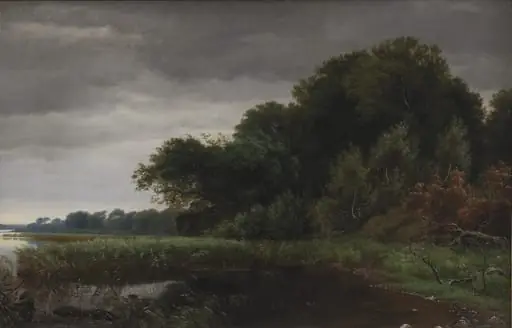 Opklarende vejr efter en regnbyge ved Gurre Sø
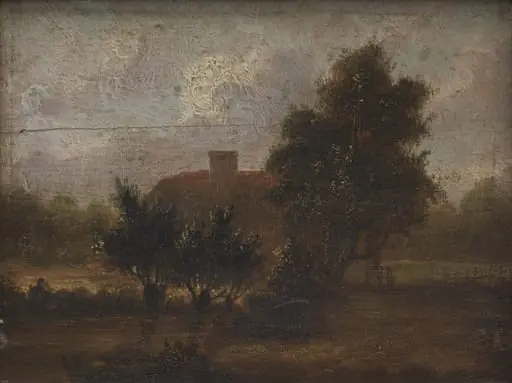 Landscape
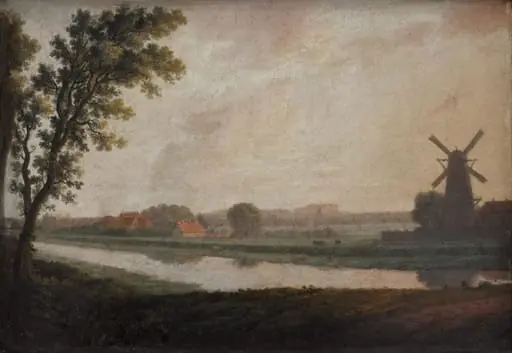 Landscape outside Copenhagen with Frederiksberg Church and Palace in the Distance
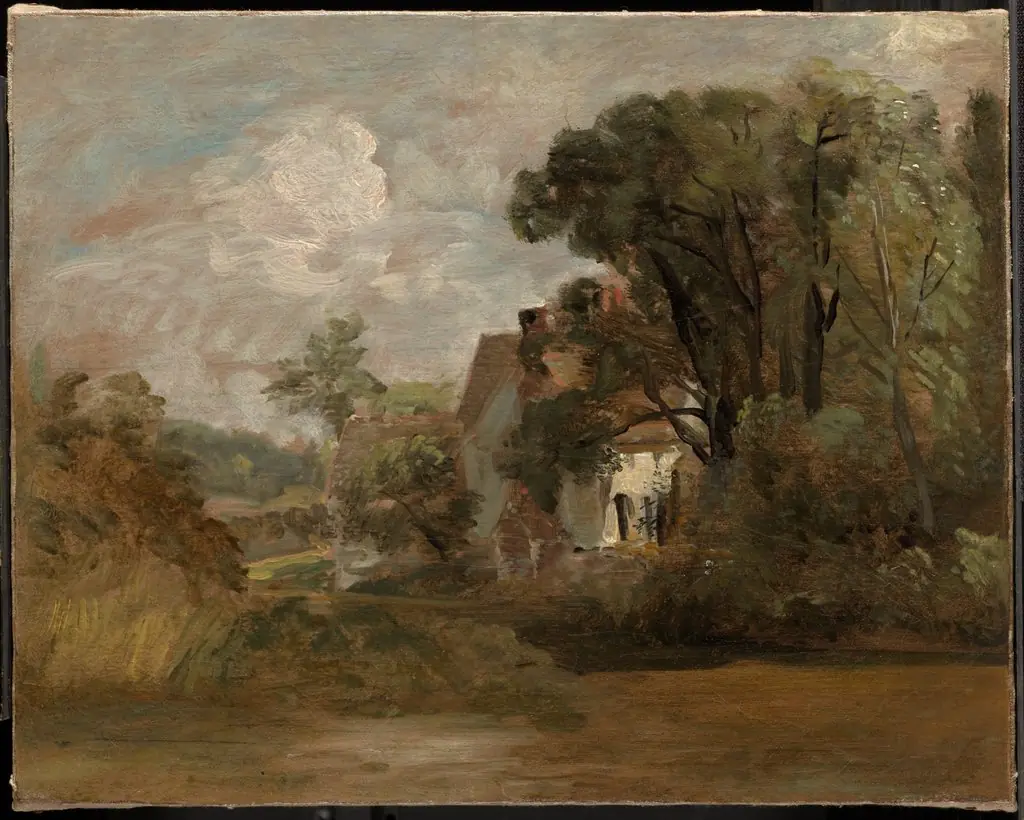 Willy Lott's House (recto); Landscape Sketches with Trees and Church Tower (verso)