Artwork
Self-Portrait
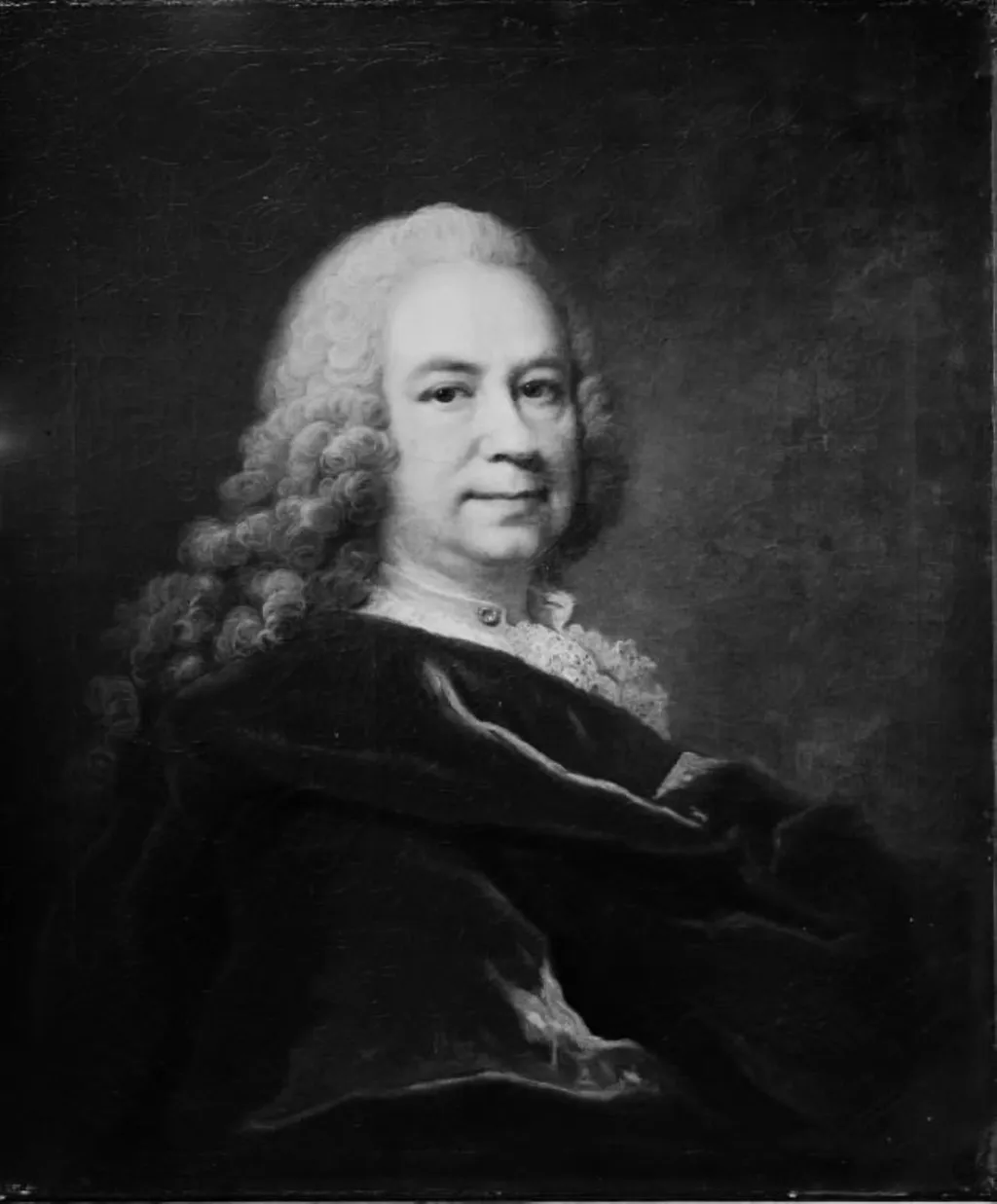
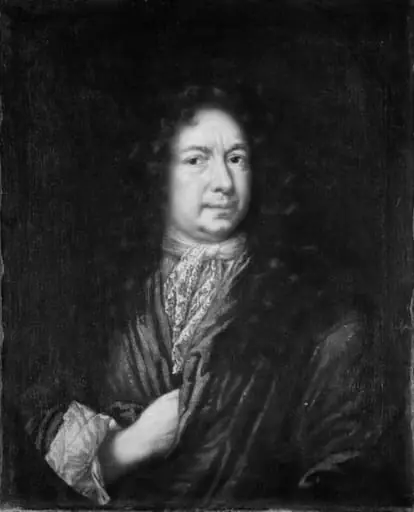
Self-Portrait is an unspecified painting by the Rococo painting artist Unknown. It dates from 1755 and is held in the collection of the Statens Museum for Kunst. Created in 1755, this black-and-white portrait depicts an older man with tightly curled white hair, neatly tied back.
About this work
Overview
Created in 1755, this black-and-white portrait depicts an older man with tightly curled white hair, neatly tied back.
Created in 1755, this black-and-white portrait depicts an older man with tightly curled white hair, neatly tied back. Dressed in a dark coat adorned with lace at the cuffs, he faces the viewer with a composed, introspective expression. The plain, dark background eliminates distraction, directing attention entirely to the figure. The work is held in the collection of the Museum of Ethnography, though its original context remains unclear.
Subject & Meaning
The subject appears to be a man of some social standing, indicated by the refined lace trim and formal attire. His calm, serious gaze suggests self-contemplation or quiet dignity rather than performative display. No identifying inscriptions or symbols are present, leaving his identity and purpose ambiguous. The portrait functions as a personal record, possibly intended for private use rather than public recognition.
Technique & Style
The artist employs chiaroscuro to model the face with subtle gradations of light and shadow, enhancing the three-dimensionality of the features against the dark ground. The contrast between the illuminated skin and the deep background intensifies the presence of the sitter. Fine lines define the texture of hair and lace, while the overall execution remains restrained, prioritizing clarity over ornamental detail.
History & Provenance
The portrait entered the Museum of Ethnography’s collection without clear documentation of its origin or prior ownership. Its creation date is recorded as 1755, but the artist’s identity remains unverified. No exhibition history or contemporary references to the work have been identified, suggesting it may have been privately held before institutional acquisition.
Context
In mid-18th-century Europe, portrait drawings in monochrome were common among artists and amateurs as studies or keepsakes. While oil paintings dominated formal portraiture, pencil or ink works like this one served more intimate purposes. The absence of heraldic or symbolic elements aligns it with private, non-noble portraiture, possibly from a provincial or non-aristocratic context.
Legacy
Though not widely known or reproduced, the portrait remains a quiet example of 18th-century personal representation. Its preservation in an ethnographic museum, rather than an art museum, hints at its perceived cultural or anthropological value over aesthetic significance. It contributes to a broader understanding of how individuals outside elite circles documented their presence during the period.
Artist & collection

 Domestic Scene
 Giacomo and Cardinal Marco, investing Andrea, Abbot of San Zeno, with his Benefice
 The Nymph of Fontainebleau
 Portrait of a Woman
 Madonna and Child with Saints in the Enclosed Garden
 Venus and Minerva
 Family Group of Four on Sofa
 Wall painting from Room H of the Villa of P. Fannius Synistor at Boscoreale
 Self-Portrait
 Portræt af brygger M. Christensen
 Portrait of an Historian
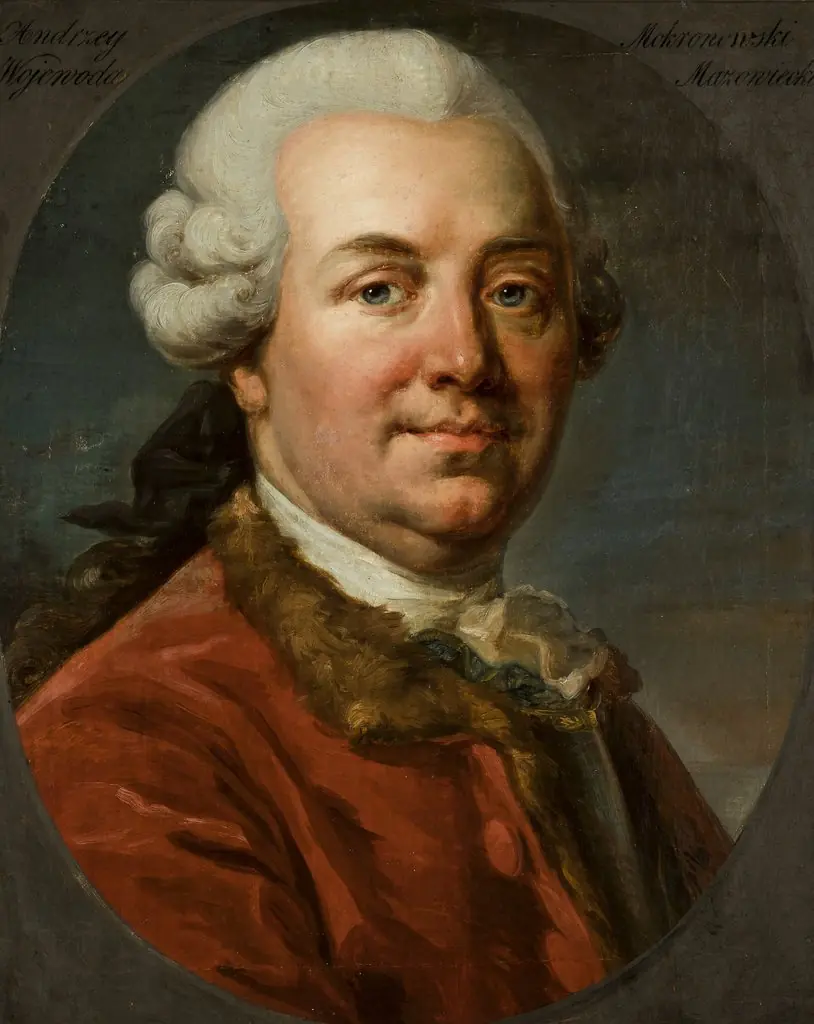 Portrait of Andrzej Mokronowski
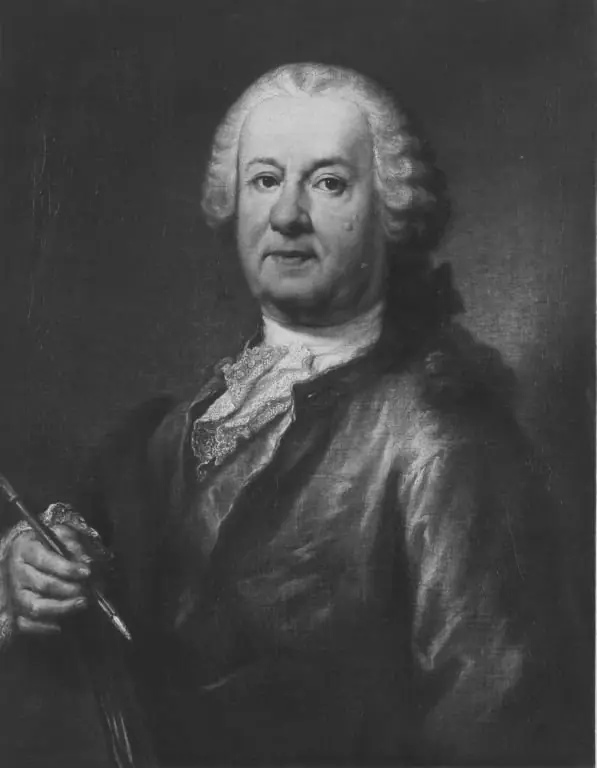 Bildnis des Malers Balthasar August Albrecht
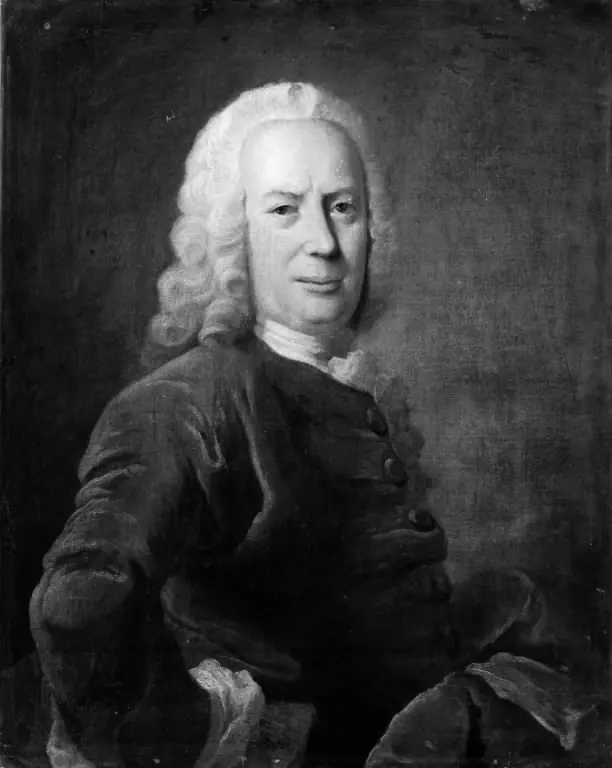 Portræt af brygger M. Christensen
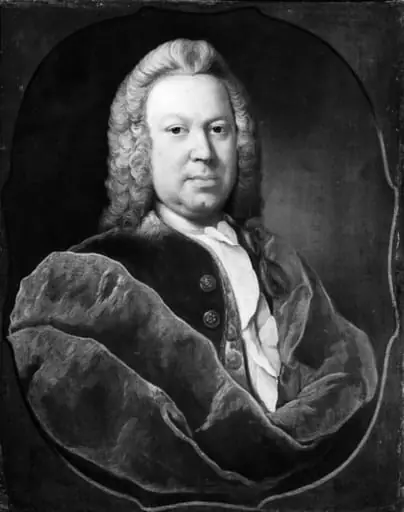 Mandsportræt
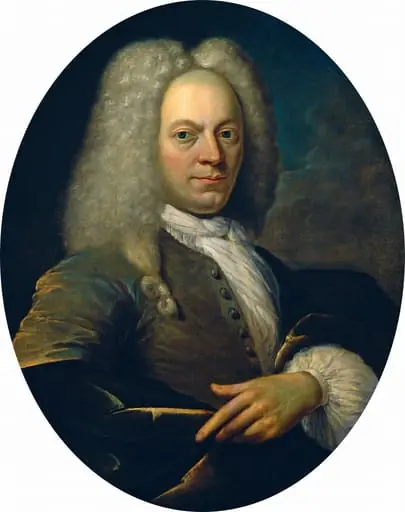 Isaac de Peyster (?)
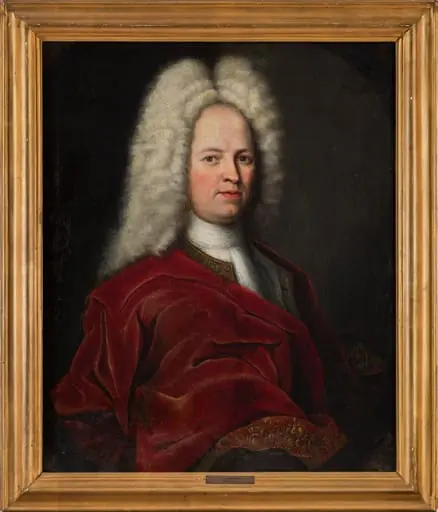 Valtiomies Georg Heinrich von Görtz
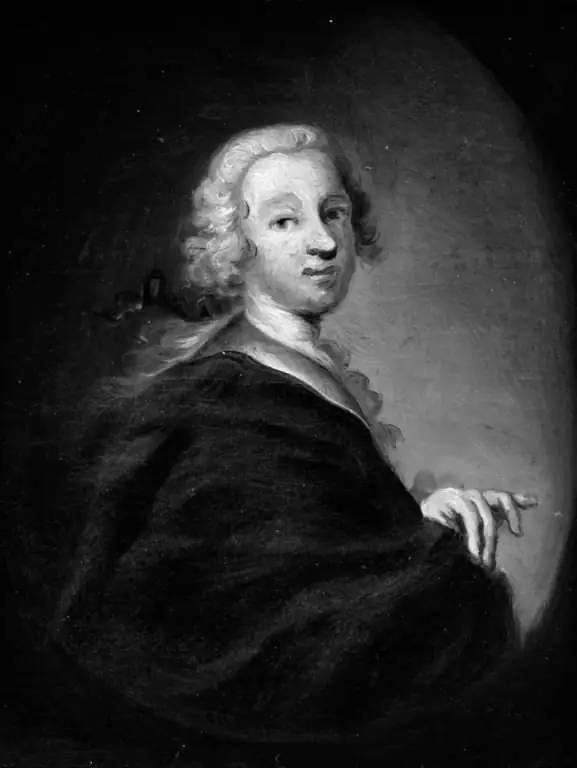 Herreportræt
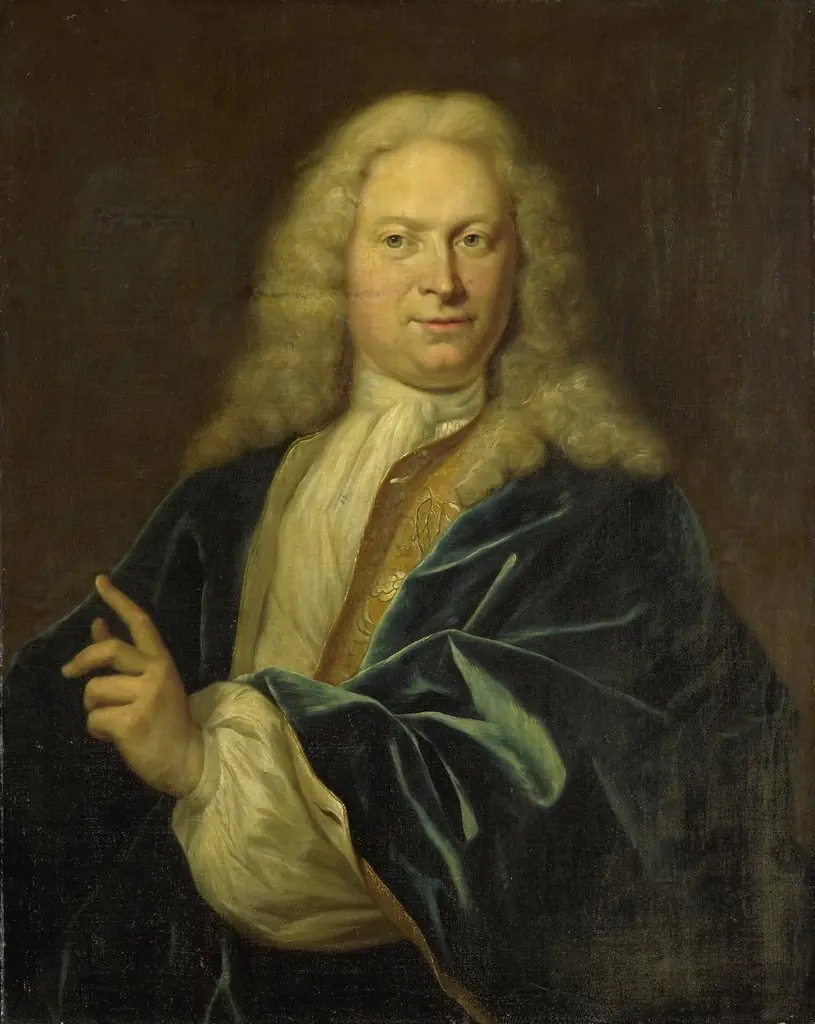 Portrait of Jan Hendrik van Heemskerck, Count of the Holy Roman Empire, Lord of Achttienhoven, Den Bosch and Eyndschoten, Captain of the Citizenry of Amsterdam (Johan Hendrik Graaf Van Heemskerk)
 Portrait of the Artist