Artwork
Det søndre sideskib i domkirken i Lund, set mod koret
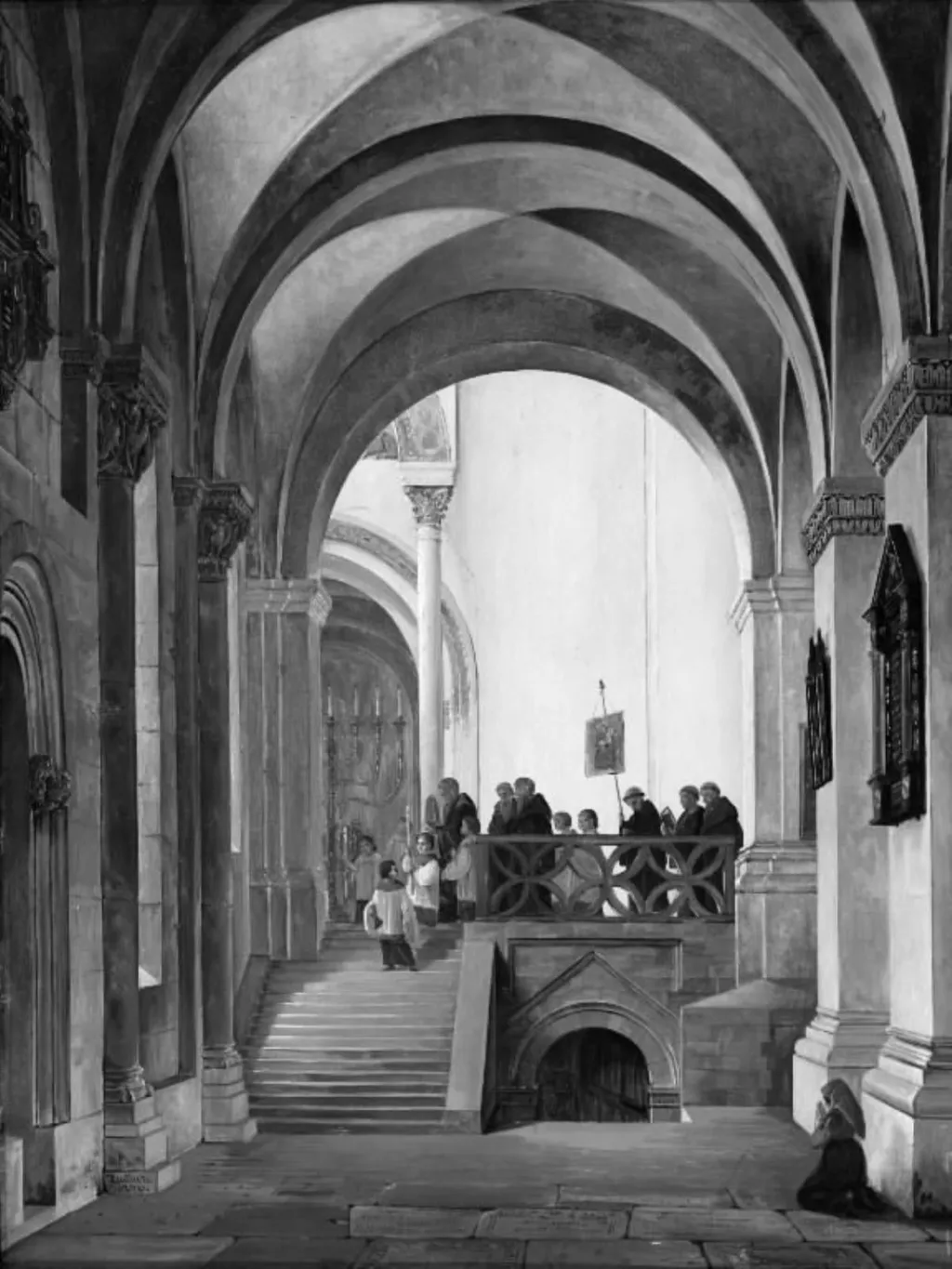
Det søndre sideskib i domkirken i Lund, set mod koret is a photography by the Romanticist artist Unknown. It dates from 1846 and is held in the collection of the Statens Museum for Kunst. Painted in 1846, this work depicts the southern aisle of Lund Cathedral as seen from the nave toward the choir.
About this work
Overview
The artist captures the architectural grandeur of the space with careful attention to perspective and spatial depth.
Painted in 1846, this work depicts the southern aisle of Lund Cathedral as seen from the nave toward the choir. The artist captures the architectural grandeur of the space with careful attention to perspective and spatial depth. Though the image is often cataloged as an artwork, it functions more as a precise architectural study, rendered with the sensitivity characteristic of mid-19th-century Nordic painting traditions.
Subject & Meaning
The scene presents a quiet, contemplative interior, with a group of figures standing on a landing, their presence subtle and unobtrusive. Rather than dramatizing religious ritual, the painting emphasizes the solemnity of the space itself. The figures serve as scale indicators, reinforcing the cathedral’s monumental scale and inviting the viewer to reflect on the relationship between human presence and sacred architecture.
Technique & Style
The artist employs chiaroscuro to model the stone surfaces and define the vaulted ceiling, enhancing the sense of volume and recession. Fine detailing in the carvings and arches reflects a commitment to observational accuracy. The lighting is naturalistic, filtering through unseen windows to cast soft gradients across the floor and columns, evoking a still, reverent atmosphere without overt theatricality.
History & Provenance
The painting entered the collection of the Museum of Ethnography in the late 19th century, likely as part of a broader effort to document Nordic cultural heritage. Its classification within an ethnographic institution, rather than a fine arts collection, suggests its value was initially seen in its documentary role—recording architectural forms and social use of sacred spaces during a period of national identity formation.
Context
Created during a time of renewed interest in medieval Scandinavian heritage, the work aligns with broader cultural movements seeking to preserve and interpret national history through art. While Romanticism influenced its mood, the painting avoids idealization, favoring restrained realism. It reflects a scholarly impulse to record existing structures before modernization altered them.
Legacy
The painting remains a reference for architectural historians studying Lund Cathedral’s 19th-century appearance. Though not widely exhibited, its precision and quiet composition have informed later documentation efforts. It stands as an example of how art served as a tool for cultural preservation, bridging aesthetic observation with historical record in a period of rapid change.
Artist & collection

 Domestic Scene
 Giacomo and Cardinal Marco, investing Andrea, Abbot of San Zeno, with his Benefice
 The Nymph of Fontainebleau
 Portrait of a Woman
 Madonna and Child with Saints in the Enclosed Garden
 Venus and Minerva
 Family Group of Four on Sofa
 Wall painting from Room H of the Villa of P. Fannius Synistor at Boscoreale
 Christ Driving the Traders from the Temple
 Interior of a Gothic Church by Night
 Interior of a Gothic Church by Night
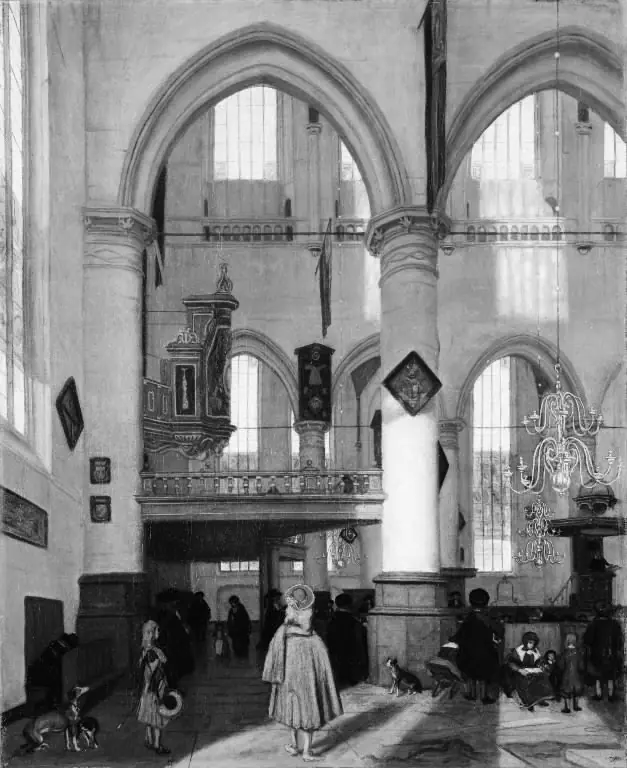 Interior of the Oude Kerk, Amsterdam, during a Sermon
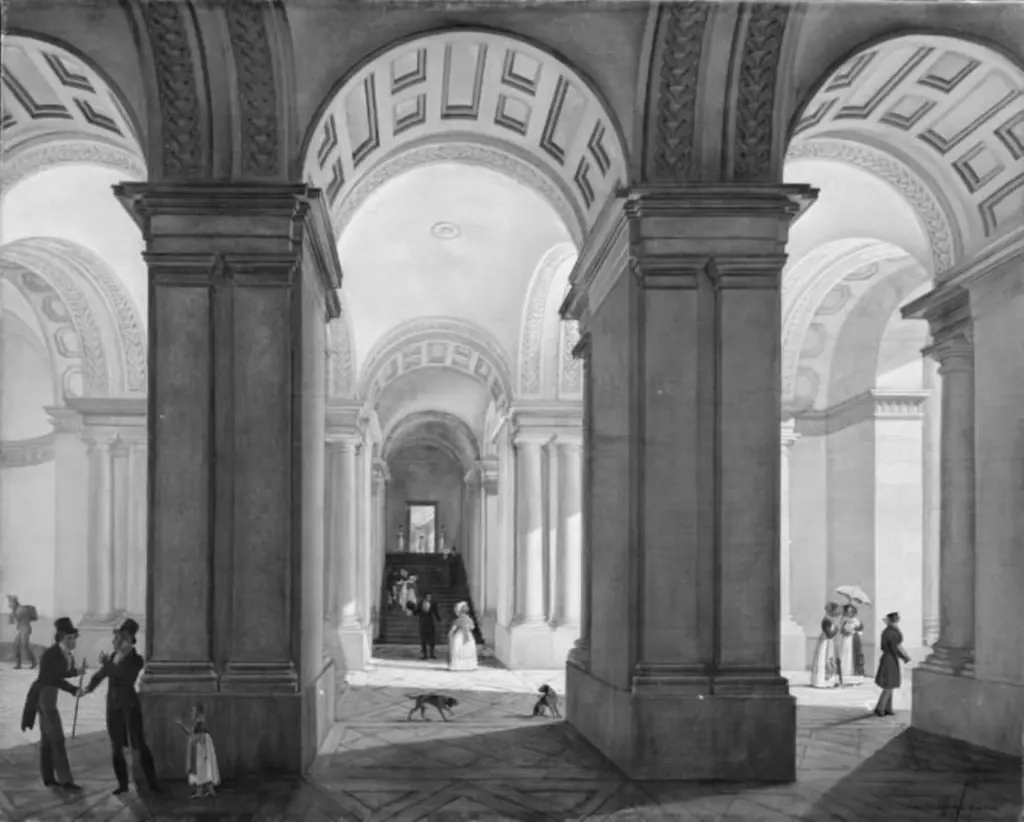 Christiansborg Slots vestibule
 The Vestibule of Christiansborg Palace
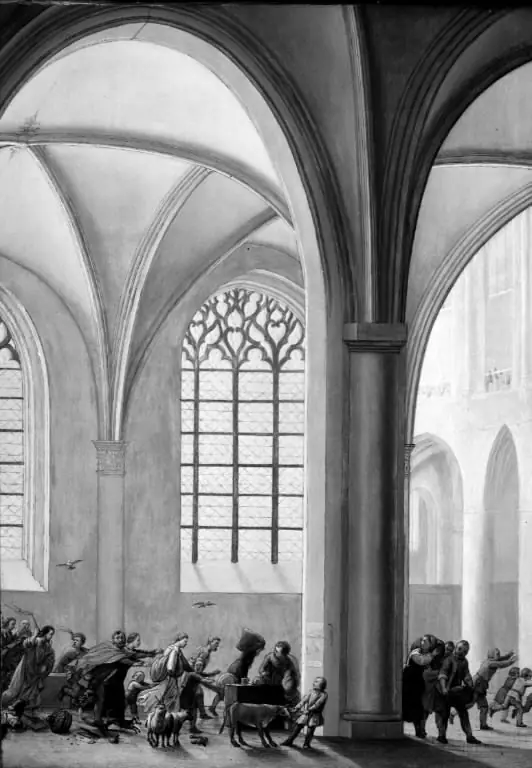 Christ Driving the Traders from the Temple
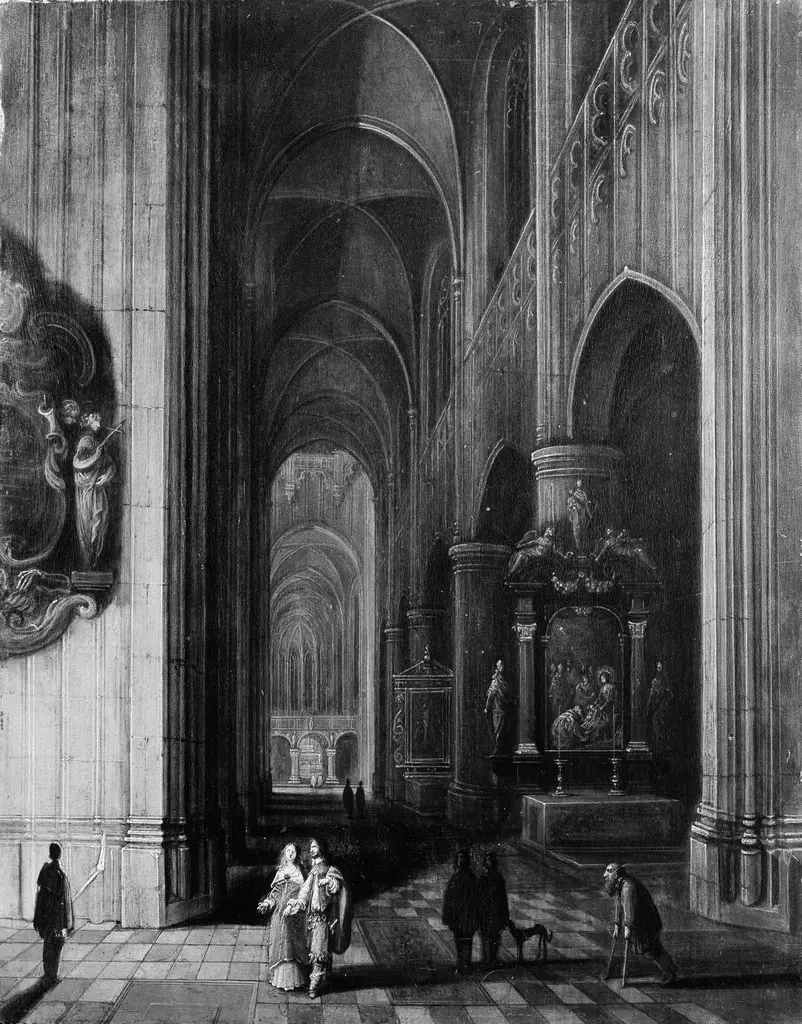 Interior of a Gothic Church at Night
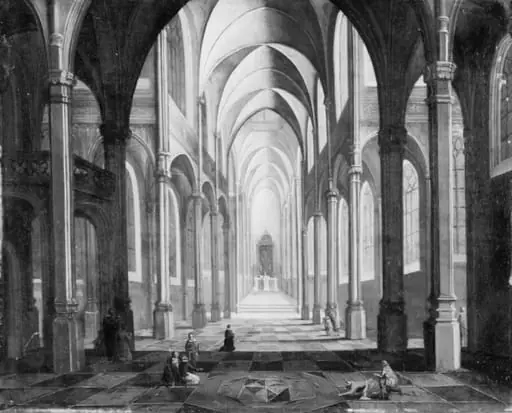 Interior of a Church
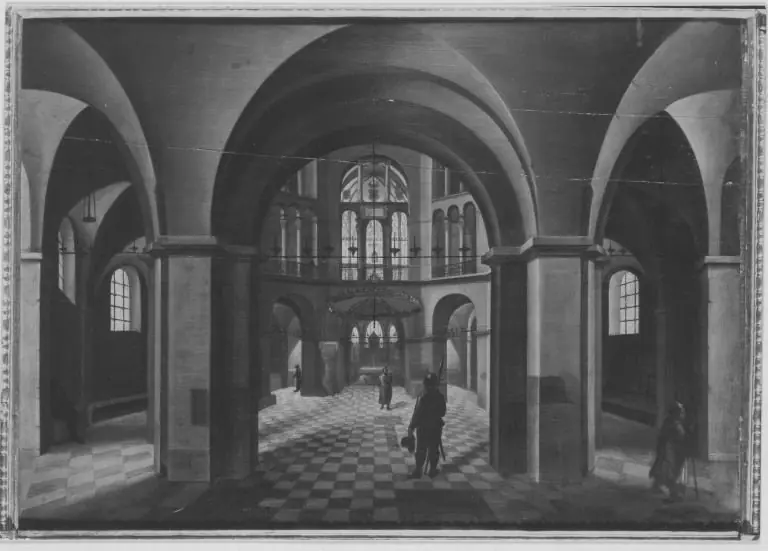 The Interior of Aachen Cathedral