Artwork
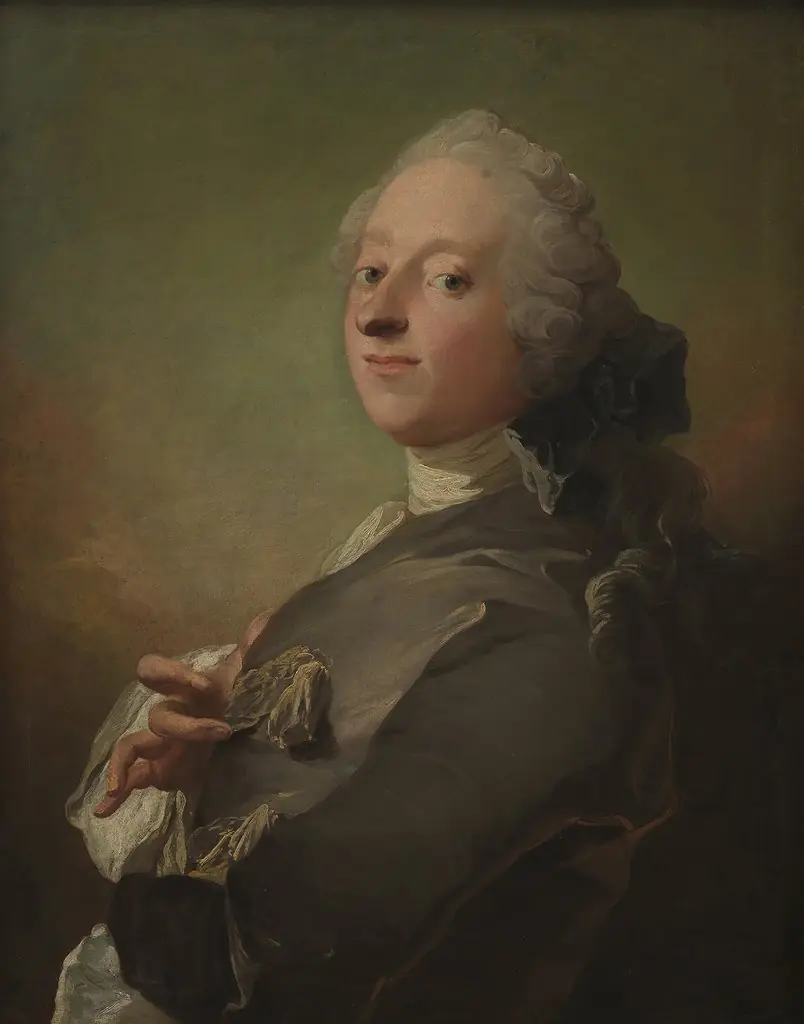
Portræt af kgl. hofapoteker Johann Gottfried Becker
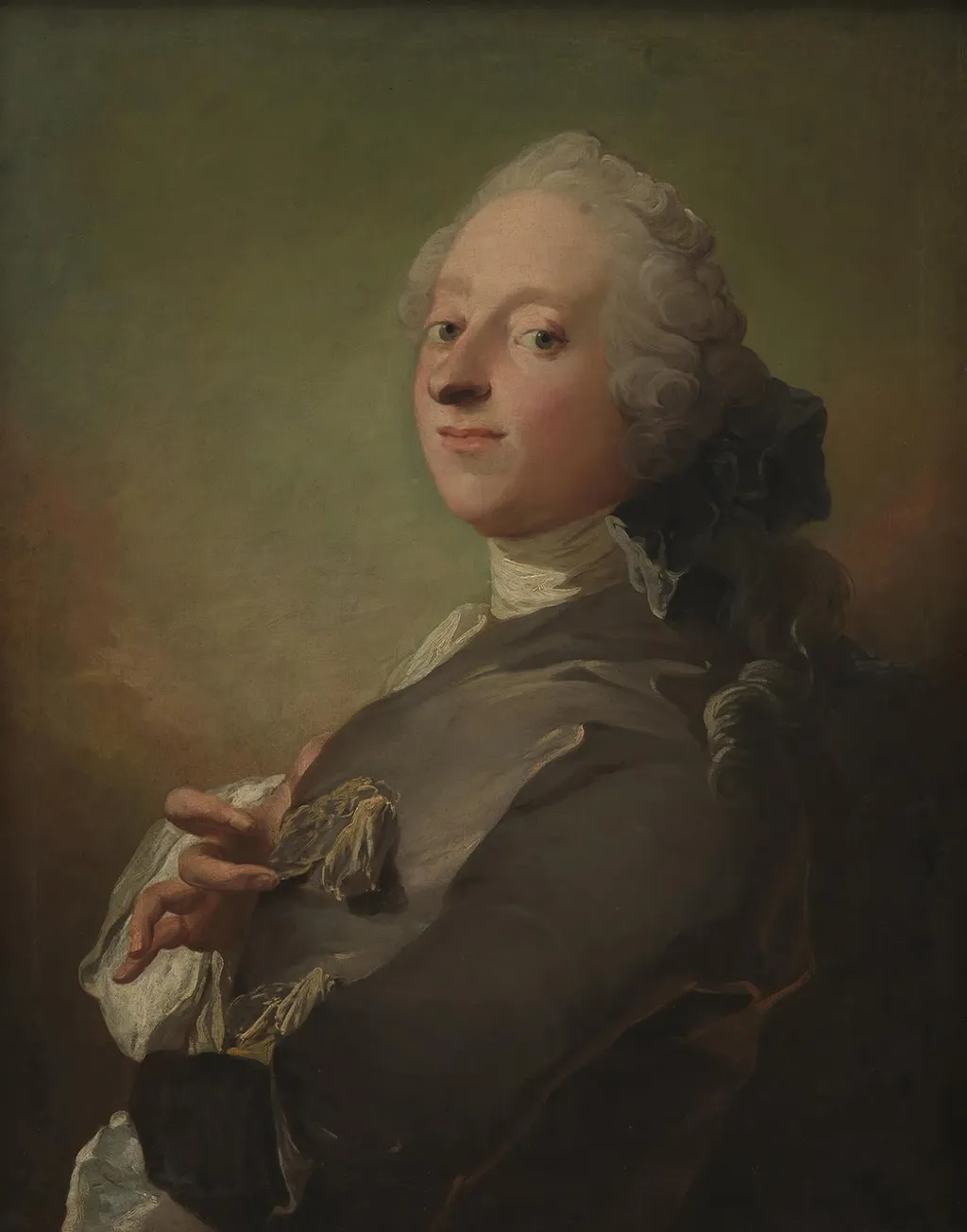
Portræt af kgl. hofapoteker Johann Gottfried Becker is a photography by Unknown. It dates from 1759 and is held in the collection of the Statens Museum for Kunst. This portrait, dated around 1759, depicts Johann Gottfried Becker, royal court pharmacist, in formal attire.
About this work
Overview
This portrait, dated around 1759, depicts Johann Gottfried Becker, royal court pharmacist, in formal attire. Executed in oil on canvas, it belongs to the collection of the Museum of Ethnography. The composition emphasizes the sitter’s dignified presence through controlled lighting and minimal background, reflecting 18th-century conventions of professional portraiture in Northern Europe.
Subject & Meaning
Johann Gottfried Becker, as royal pharmacist, held a position of scientific and administrative importance. His portrayal in a dark coat and powdered wig signals his status within the court hierarchy. The folded paper in his left hand may allude to medical prescriptions or official documents, subtly reinforcing his role as a practitioner of regulated knowledge rather than mere ornamentation.
Technique & Style
The artist employs chiaroscuro to model the sitter’s face and hands, using soft gradations of light to define volume against a muted green background. The contrast enhances three-dimensionality without theatricality. Brushwork is precise in rendering textures—cravat, wig, and fabric—while the background remains deliberately unobtrusive, directing attention to the subject’s expression and bearing.
History & Provenance
The portrait entered the Museum of Ethnography’s collection in the 19th century, likely through institutional acquisitions of Danish cultural artifacts. Its attribution to the artist identified as 774_person remains provisional, as documentation from the period is sparse. No earlier ownership records are publicly verified, though its style aligns with Danish court portraiture of the mid-1700s.
Context
In mid-18th-century Denmark, portraits of court officials often served to legitimize their authority through visual formality.
In mid-18th-century Denmark, portraits of court officials often served to legitimize their authority through visual formality. The powdered wig and cravat were standard markers of elite male identity, while the restrained palette and lighting reflected Enlightenment ideals of rationality and order. This image fits within a broader tradition of Danish civic portraiture that valued sobriety over flamboyance.
Legacy
Though not widely exhibited beyond regional collections, the portrait remains a representative example of Danish professional portraiture from the period. It contributes to scholarly understanding of how scientific and administrative roles were visually codified in the 18th century, offering insight into the intersection of public service and personal representation in pre-modern Europe.
Artist & collection

 Domestic Scene
 Giacomo and Cardinal Marco, investing Andrea, Abbot of San Zeno, with his Benefice
 The Nymph of Fontainebleau
 Portrait of a Woman
 Madonna and Child with Saints in the Enclosed Garden
 Venus and Minerva
 Family Group of Four on Sofa
 Wall painting from Room H of the Villa of P. Fannius Synistor at Boscoreale
 Portrait of Count Jørgen Scheel
 Portrait of Count Jørgen Scheel
 Portrait of Frederik Berregaard
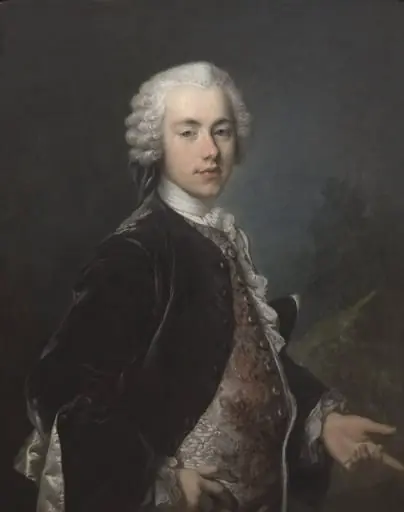 Portrait of Frederik Berregaard
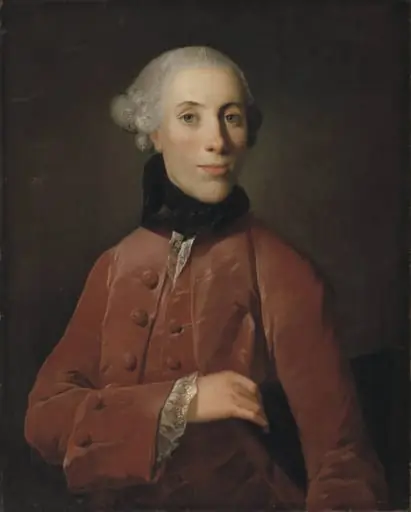 The Court Seal Engraver Ahron Jacobson
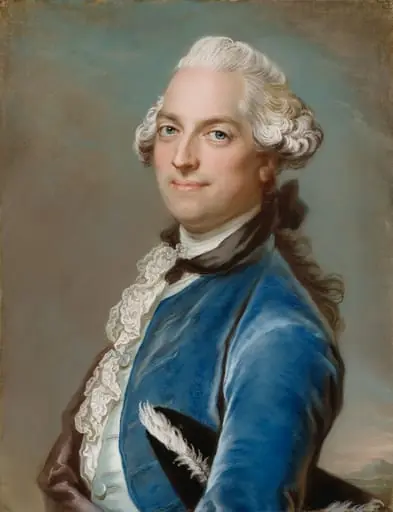 Runoilija Gustaf Fredrik Gyllenborg
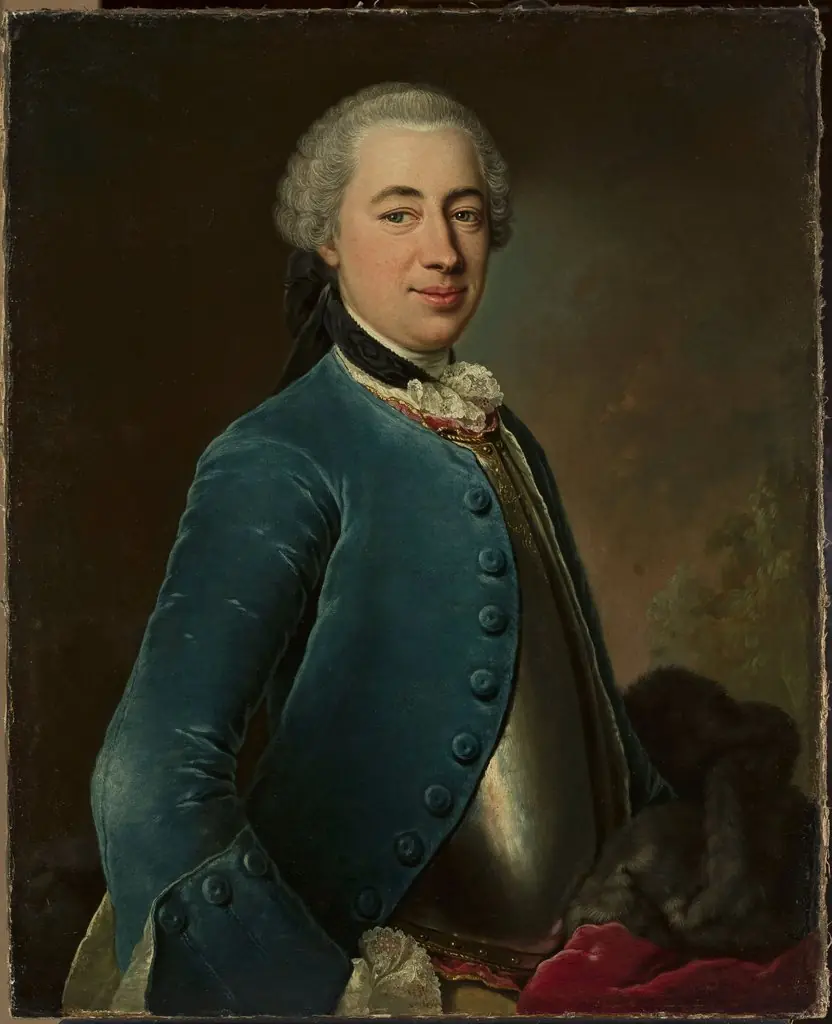 Portrait of a man in armour
 Portrait of Isaac van Rijneveld
 Portrait of Jan Jacek Tarnowski (1729–1808), Starost of Kahorlice and Byszów
 Portrait of a Gentleman
 Portrait of a Man
 Portræt af kgl. hofapoteker Johann Gottfried Becker