Artwork
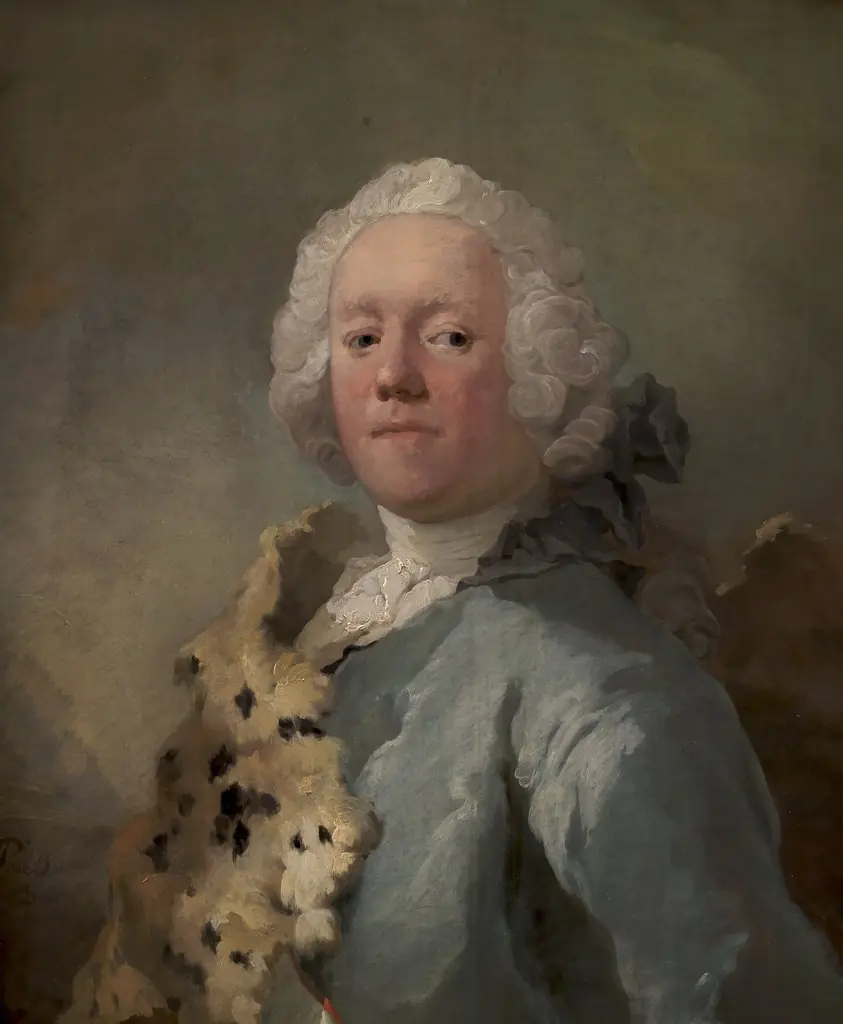
Portrait of Count Jørgen Scheel
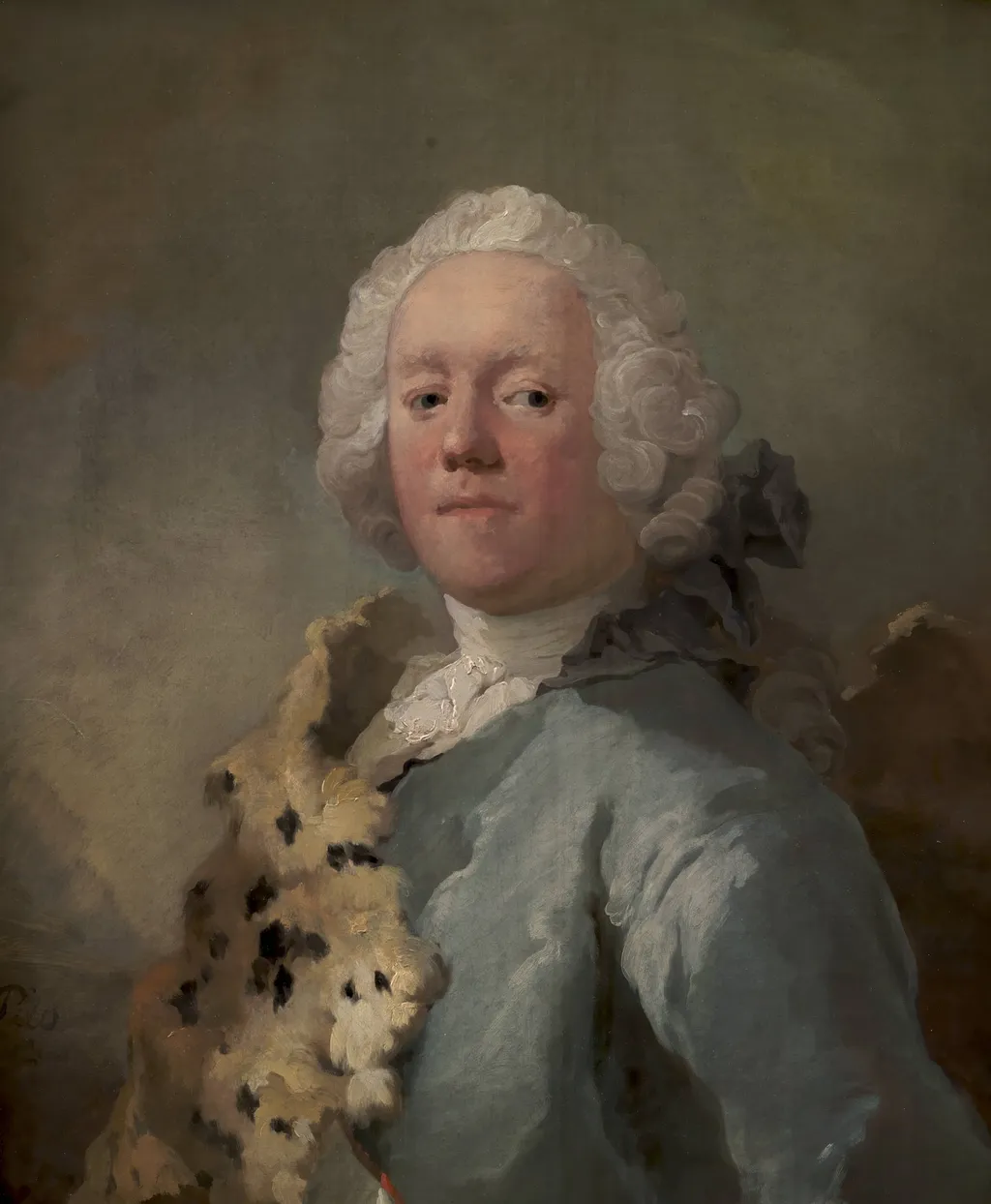
Portrait of Count Jørgen Scheel is an unspecified painting by Unknown. It dates from 1750 and is held in the collection of the Statens Museum for Kunst. This portrait depicts Count Jørgen Scheel, a Danish nobleman, painted around 1750.
About this work
Overview
The work is part of the collection at the Museum of Ethnography, though its origins lie in the aristocratic portraiture traditions of Northern Europe.
This portrait depicts Count Jørgen Scheel, a Danish nobleman, painted around 1750. The work is part of the collection at the Museum of Ethnography, though its origins lie in the aristocratic portraiture traditions of Northern Europe. The composition emphasizes the sitter’s dignified presence through restrained detail and a muted palette, reflecting the era’s preference for understated elegance over ornate display.
Subject & Meaning
Count Jørgen Scheel is portrayed with a composed demeanor, his slight smile and direct gaze suggesting quiet confidence rather than grandeur. His attire—dark blue coat, light fur collar, and white cravat—signals his status without overt symbolism. The absence of props or architectural context focuses attention on his individuality, aligning with mid-18th-century ideals of personal refinement and restrained nobility.
Technique & Style
The artist employs subtle chiaroscuro to model the count’s face and fur collar, creating soft transitions between light and shadow. The dark, unadorned background enhances the three-dimensionality of the figure, while the texture of the fur is rendered with delicate brushwork. The pale, loosely tied hair and smooth skin suggest a naturalistic approach, avoiding idealization in favor of observed reality.
History & Provenance
The painting entered the Museum of Ethnography’s collection in the late 19th or early 20th century, likely through acquisition or donation. Its presence in an ethnographic institution, rather than a fine arts museum, may reflect early collecting practices that grouped noble portraiture alongside cultural artifacts. The artist’s identity remains unconfirmed, though the style aligns with Scandinavian court painters of the period.
Context
Painted during the height of Enlightenment ideals, the portrait reflects a shift toward individualism in aristocratic representation. Unlike earlier Baroque displays of power, this image favors quiet authority and personal presence. Similar works by Danish and Swedish artists of the time reveal a regional preference for intimate, psychologically grounded portraiture over theatricality.
Legacy
Though not widely reproduced or studied, the portrait remains a representative example of mid-18th-century Nordic elite portraiture. Its preservation in an ethnographic context highlights evolving museum practices and the blurred boundaries between art and cultural documentation. It continues to serve as a visual record of aristocratic identity in a period of social and intellectual transformation.
Artist & collection

 Domestic Scene
 Giacomo and Cardinal Marco, investing Andrea, Abbot of San Zeno, with his Benefice
 The Nymph of Fontainebleau
 Portrait of a Woman
 Madonna and Child with Saints in the Enclosed Garden
 Venus and Minerva
 Family Group of Four on Sofa
 Wall painting from Room H of the Villa of P. Fannius Synistor at Boscoreale
 Portrait of Claes Fredrik Horn
 Portræt af kgl. hofapoteker Johann Gottfried Becker
 Portræt af kgl. hofapoteker Johann Gottfried Becker
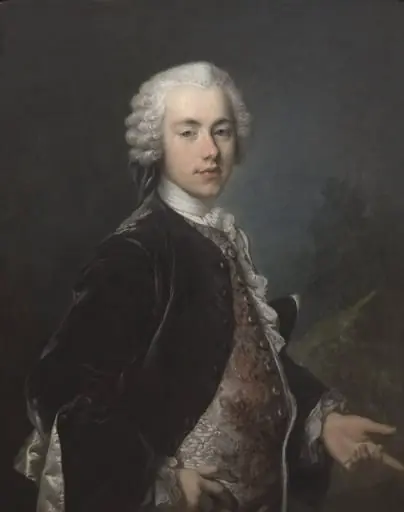 Portrait of Frederik Berregaard
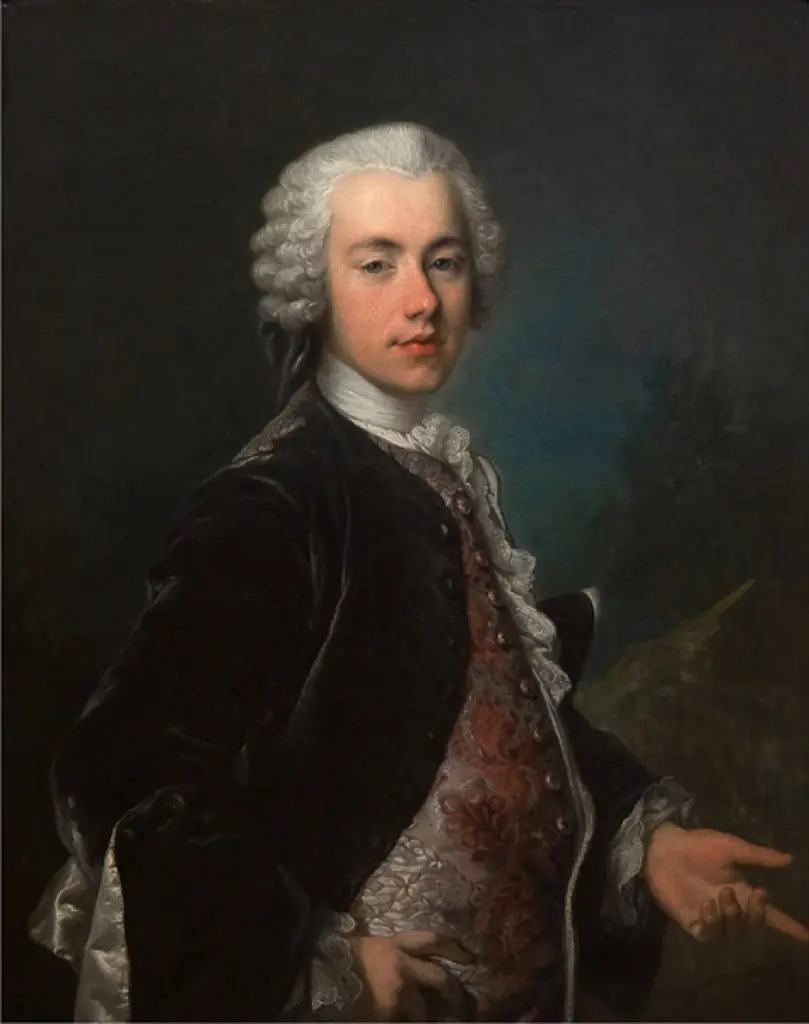 Portrait of Frederik Berregaard
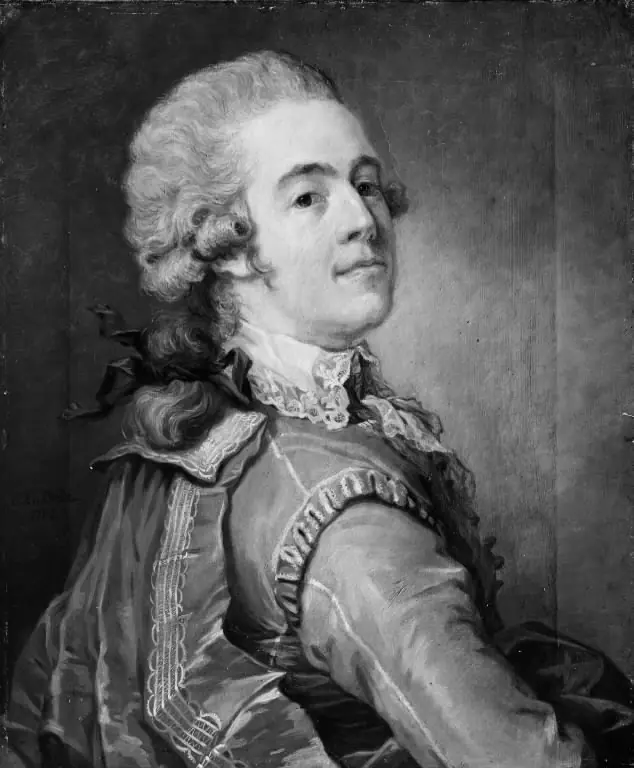 Portrait of Claes Fredrik Horn
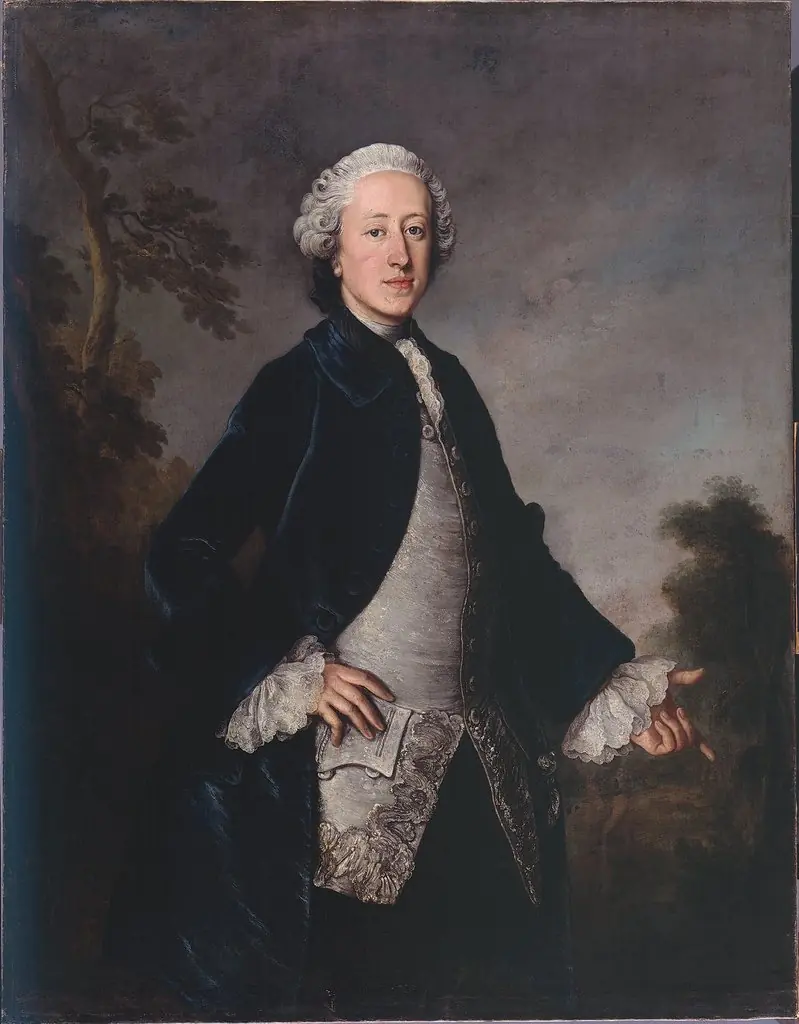 Portrait of a Gentleman
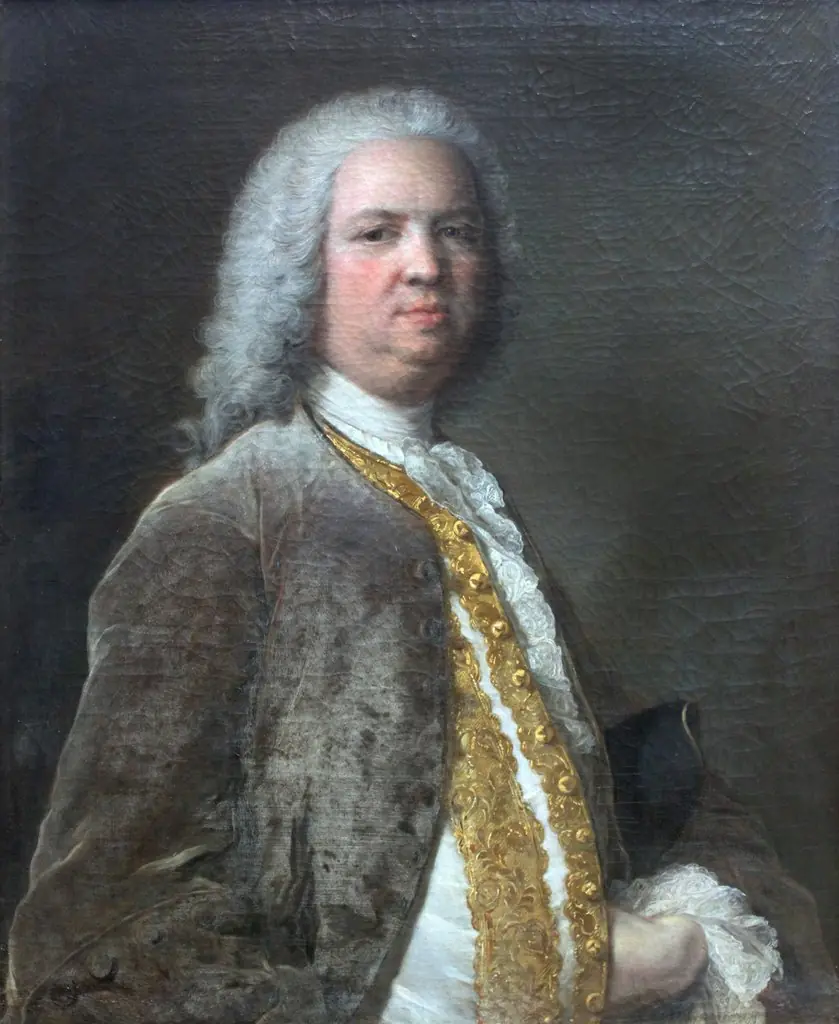 Portrait of the Frankfurt banker Johann Georg Leerse
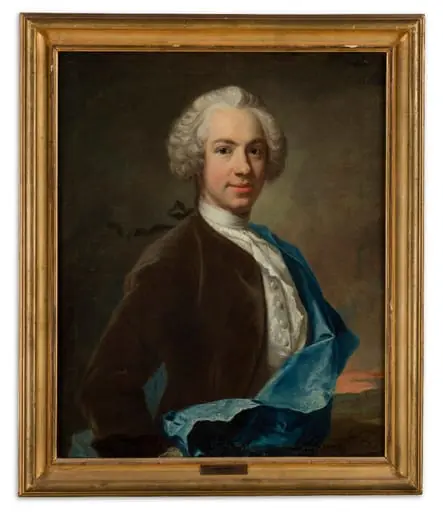 Kanslianeuvos Carl Fredrik Eckleff
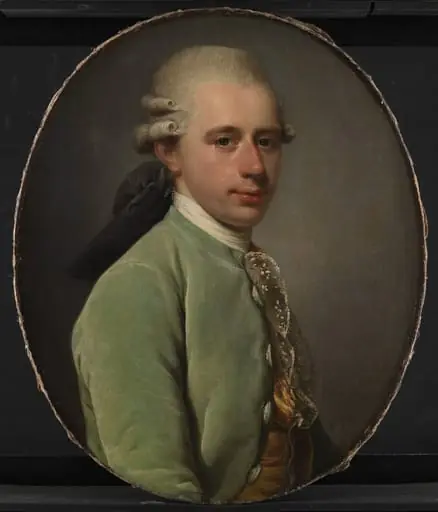 Generalpostdirektør Frederik Hauch som ung
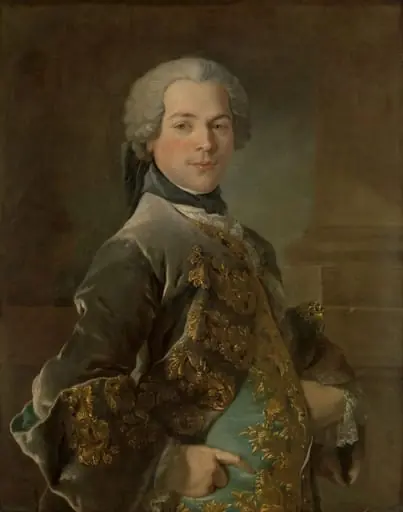 Portrait of Isaac van Rijneveld
 Portrait of Count Jørgen Scheel