Artwork
A Girl and a Boy with a Brazier
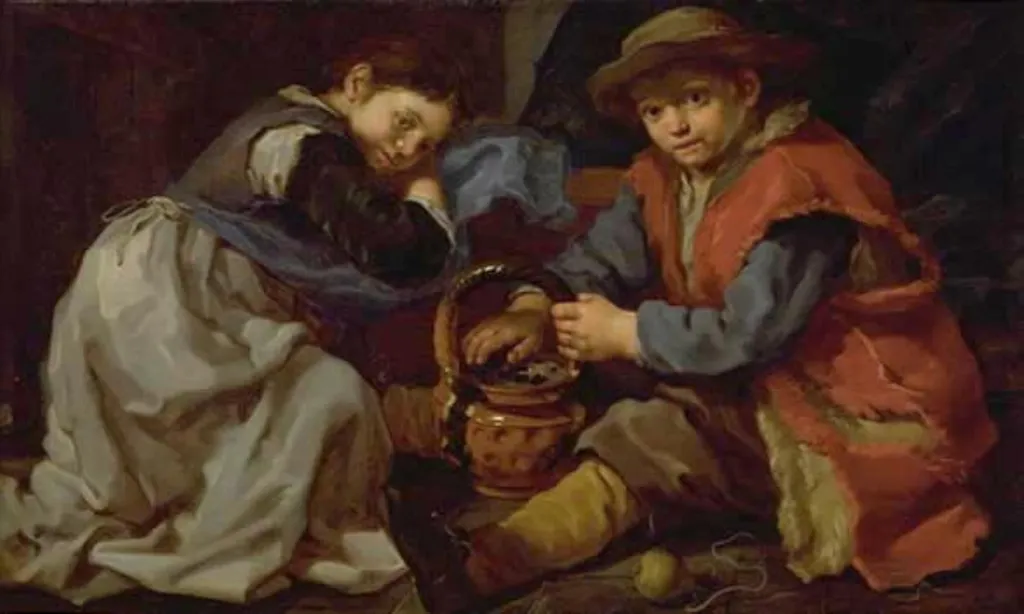
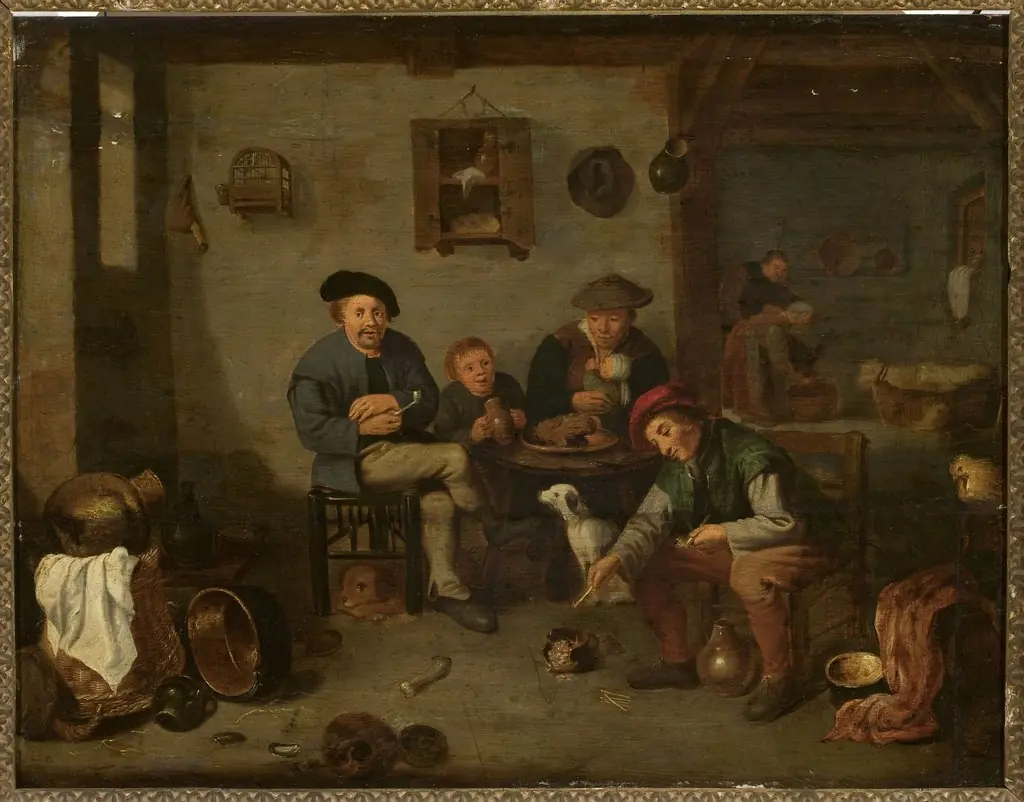
A Girl and a Boy with a Brazier is a photography by Unknown. It dates from 1657 and is held in the collection of the Statens Museum for Kunst. Painted around 1657, this small-scale work depicts two children gathered near a glowing brazier.
About this work
Overview
Its modest subject and restrained composition reflect a trend toward domestic realism in Dutch art of the period.
Painted around 1657, this small-scale work depicts two children gathered near a glowing brazier. The scene is rendered with quiet intimacy, focusing on their proximity and shared warmth. The painting is part of the collection at the Museum of Ethnography, where it is valued for its subtle portrayal of everyday life in the mid-seventeenth century. Its modest subject and restrained composition reflect a trend toward domestic realism in Dutch art of the period.
Subject & Meaning
The two children, one boy and one girl, are shown in a moment of quiet companionship, seeking warmth from a portable fire source. Their clothing suggests modest means, and the brazier implies a domestic or urban setting. The absence of narrative action invites contemplation rather than storytelling, emphasizing vulnerability and the simple human need for warmth. The composition avoids sentimentality, presenting childhood as unembellished and grounded.
Technique & Style
The artist employs chiaroscuro to model the figures with strong contrasts between light and shadow. A low, directional light source illuminates the children’s faces and the brazier’s glow, casting deep shadows across their garments and the background. This technique enhances the three-dimensionality of the forms and directs focus to their expressions and the warmth of the flame. Brushwork is precise yet unobtrusive, supporting the quiet realism of the scene.
History & Provenance
The painting has been held by the Museum of Ethnography since at least the early twentieth century, though its earlier ownership remains undocumented. It was likely created in the Netherlands during a period when genre scenes of ordinary life gained popularity. No records of its commission or initial display survive, suggesting it was produced for the open market rather than a private patron.
Context
Created during the Dutch Golden Age, the work aligns with a broader interest in depicting humble, everyday moments. While many contemporaries painted prosperous interiors or bustling markets, this piece focuses on a quieter, more solitary interaction. The use of a brazier reflects common heating practices in modest homes, and the children’s attire hints at regional dress patterns of the time, offering insight into material culture beyond elite circles.
Legacy
Though not widely reproduced or studied, the painting contributes to the understanding of how Dutch artists rendered childhood and domestic warmth with restraint. Its emphasis on light, texture, and emotional subtlety influenced later genre painters who sought authenticity over drama. Today, it serves as a quiet testament to the dignity found in ordinary moments of daily life.
Artist & collection

 Domestic Scene
 Giacomo and Cardinal Marco, investing Andrea, Abbot of San Zeno, with his Benefice
 The Nymph of Fontainebleau
 Portrait of a Woman
 Madonna and Child with Saints in the Enclosed Garden
 Venus and Minerva
 Family Group of Four on Sofa
 Wall painting from Room H of the Villa of P. Fannius Synistor at Boscoreale
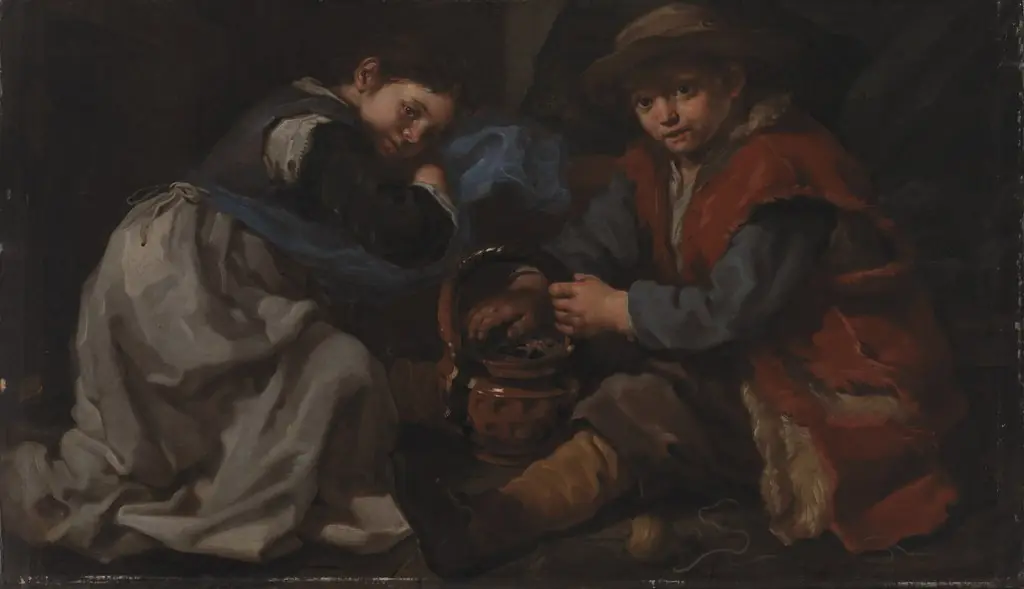 En pige og en dreng, der varmer sig ved et kulbækken
 Children Bandaging a Finger
 Kaksi hedelmiä syövää kerjäläispoikaa, kopio Murillon mukaan
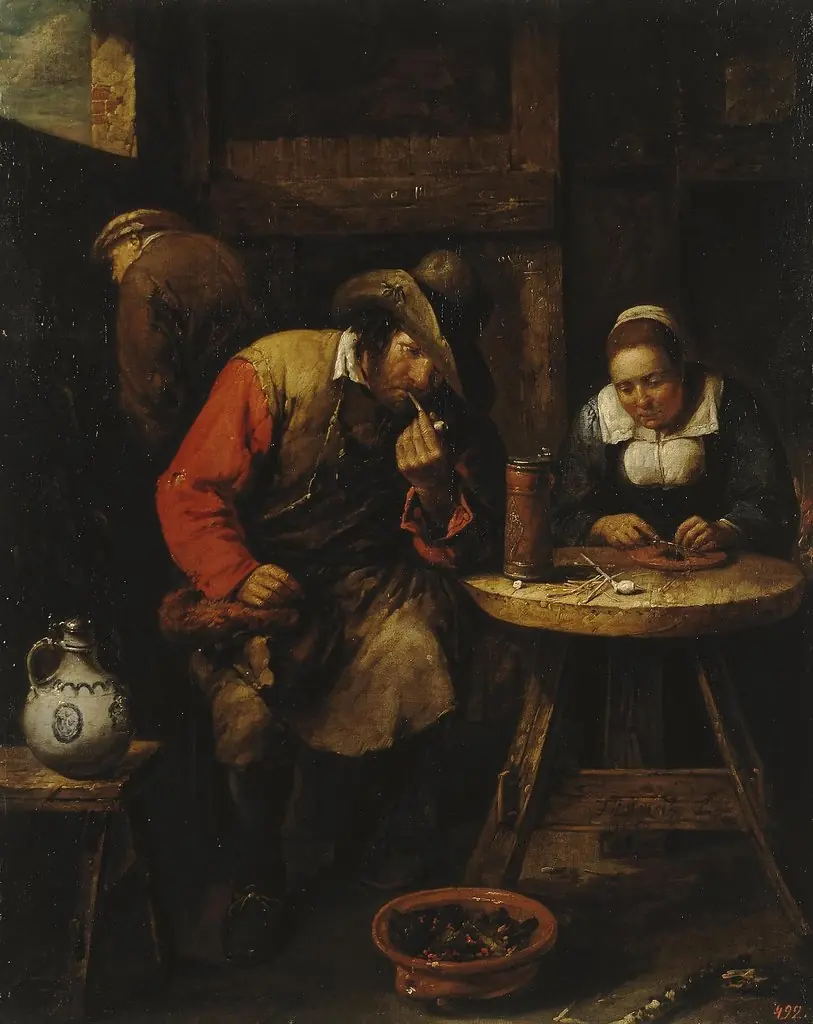 Smoker
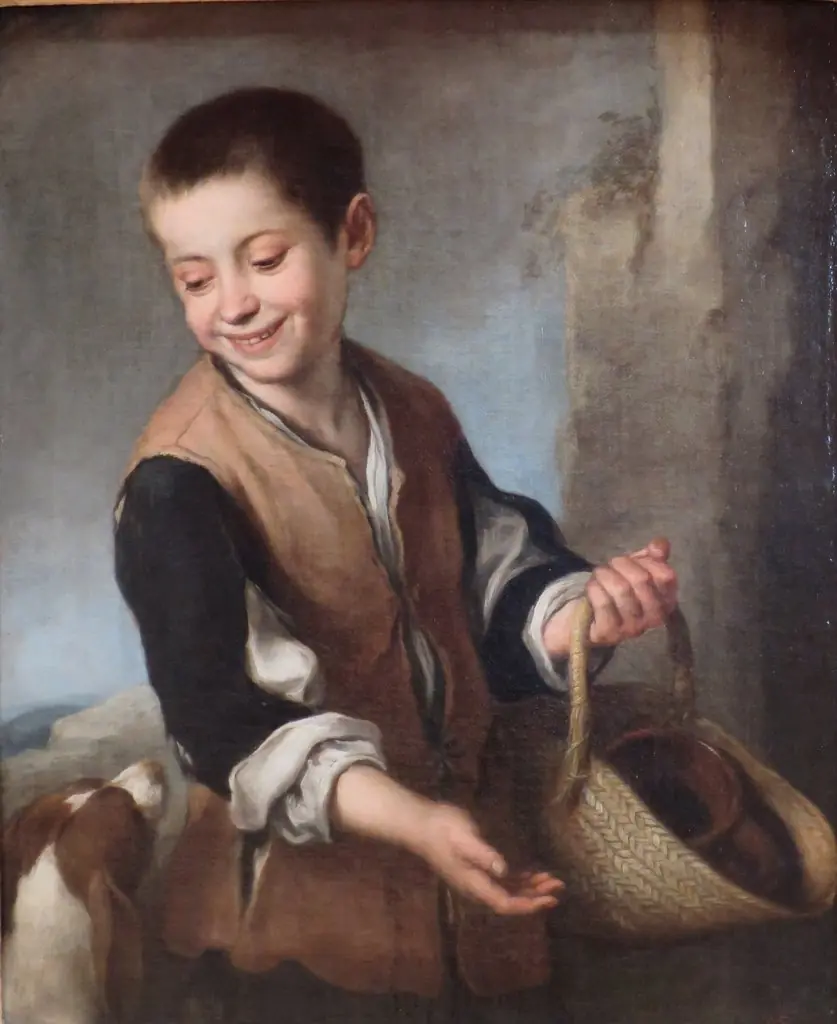 Boy with a dog
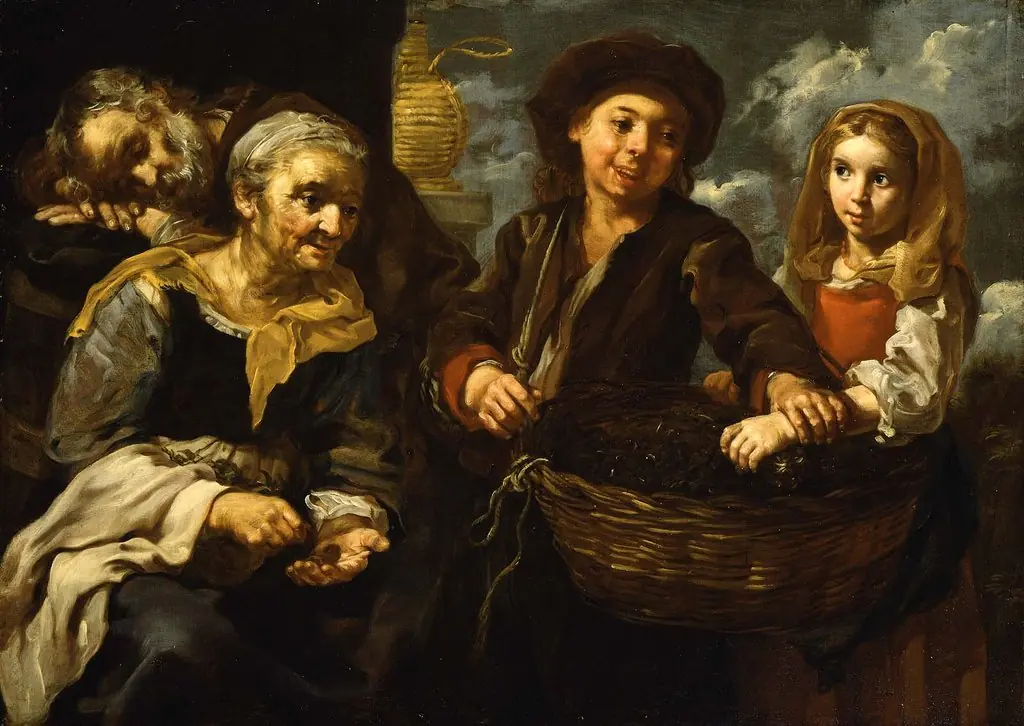 Young Boy Selling Vegetables
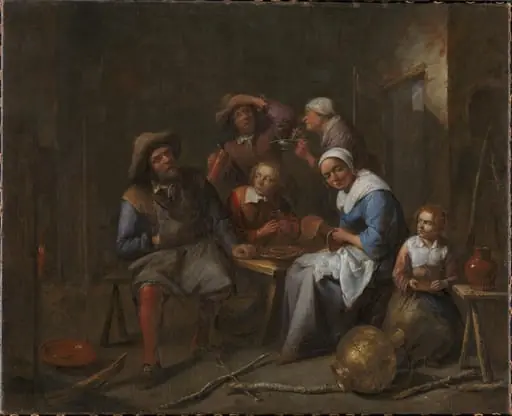 An Interior with Artisans and Peasants Eating and Drinking
 Spoiled Child
 Peasant Family
 Et interiør med håndværkere og bønder der spiser og drikker
 Nursing mother with three girls
 Genre scene in the countryside