Artwork
The Penitent Saint Mary Magdalene
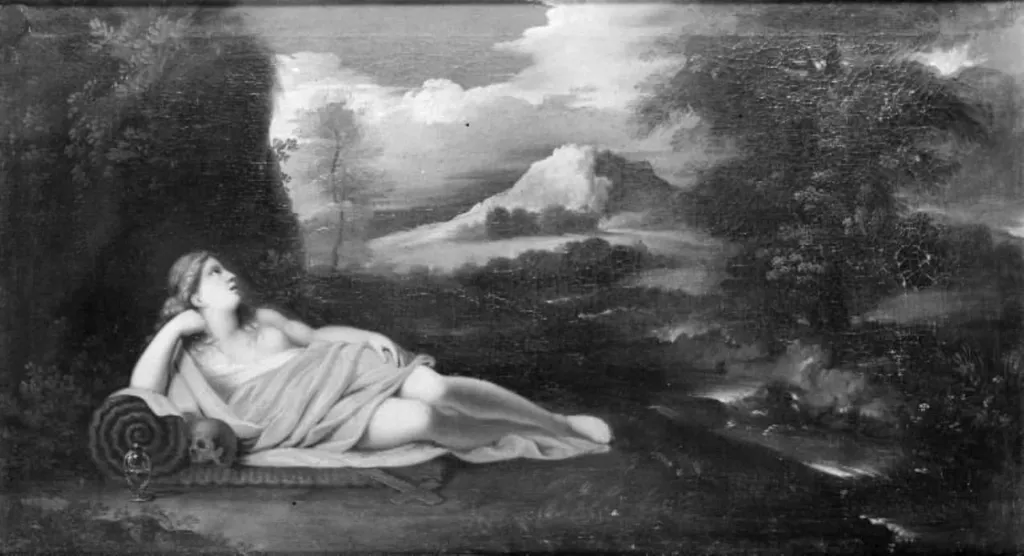
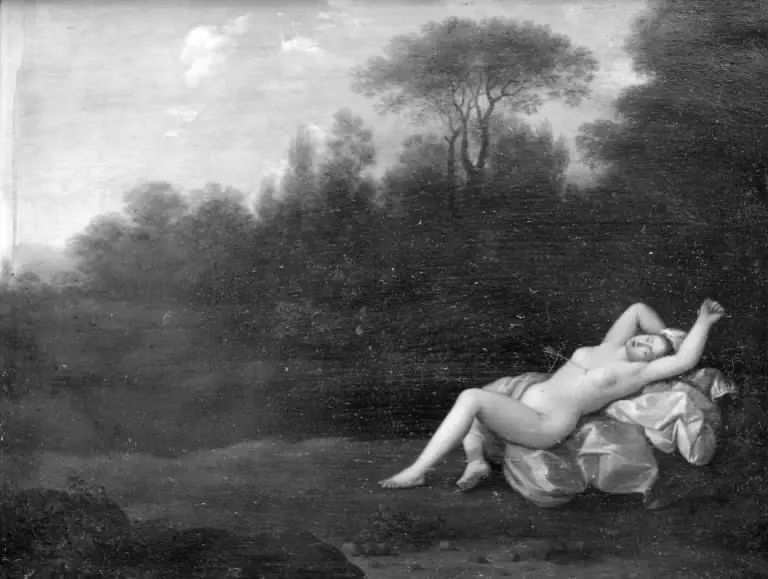
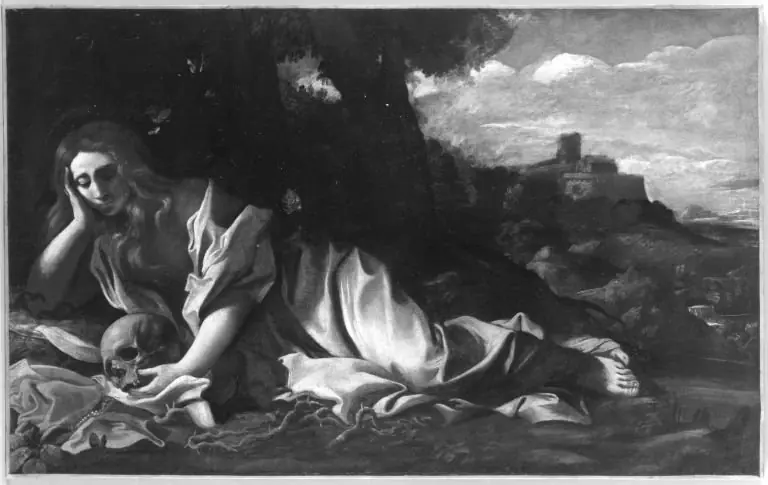
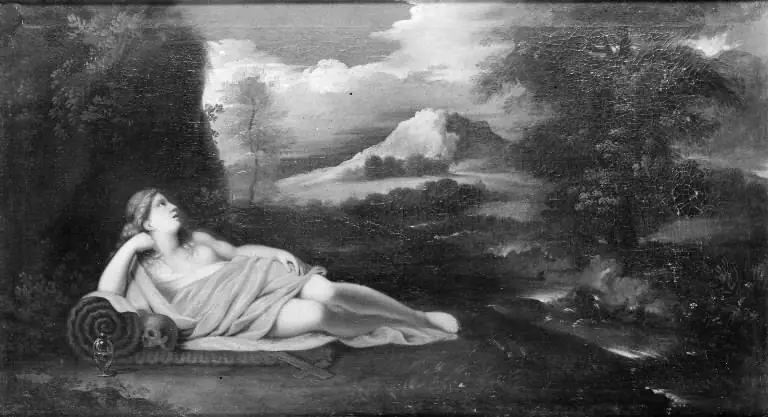
The Penitent Saint Mary Magdalene is a photography by Unknown. It dates from 1666 and is held in the collection of the Statens Museum for Kunst. This black-and-white image depicts a solitary figure of Saint Mary Magdalene in a moment of quiet reflection.
About this work
Overview
The composition emphasizes stillness against a turbulent backdrop, using contrast to draw attention to the figure’s introspective posture.
This black-and-white image depicts a solitary figure of Saint Mary Magdalene in a moment of quiet reflection. Created around 1666, the work is attributed to an artist identified as 831_person. It is currently held in the collection of the Museum of Ethnography. The composition emphasizes stillness against a turbulent backdrop, using contrast to draw attention to the figure’s introspective posture.
Subject & Meaning
The figure represents Mary Magdalene in her penitent phase, a common theme in Counter-Reformation art. Her reclining form, head supported by one hand, suggests contemplation and sorrow. The absence of traditional symbols like a skull or oil flask shifts focus to inner emotion rather than narrative detail. The setting implies spiritual isolation, reinforcing themes of repentance and solitude.
Technique & Style
The image employs strong chiaroscuro to model the figure and landscape, though rendered in monochrome. Light falls softly on the woman’s form, separating her from the dark, chaotic background of storm clouds and jagged rocks. The flowing drapery is suggested with minimal lines, emphasizing texture through tone rather than color. The contrast enhances the emotional weight of her stillness.
History & Provenance
The work dates to the mid-17th century and entered the Museum of Ethnography’s collection at an unknown date. Its attribution to 831_person remains tentative, with no documented provenance prior to its inclusion in the museum. The image’s format suggests it may have originated as a preparatory study or a reproduction of a lost painting, rather than a finished oil work.
Context
Created during a period when Catholic devotional imagery emphasized personal repentance, this image aligns with broader trends in Southern European religious art. Yet its minimalism and lack of overt iconography distinguish it from more elaborate altarpieces. The focus on psychological depth over doctrinal symbolism reflects evolving approaches to sacred subjects in the late Baroque era.
Legacy
Though not widely exhibited or reproduced, the image contributes to scholarly discussions on the representation of female penitents in early modern art. Its restrained aesthetic and emotional subtlety offer a counterpoint to more theatrical depictions of Magdalene. As a preserved visual record, it aids in understanding how devotional themes were adapted in less conventional formats.
Artist & collection

 Domestic Scene
 Giacomo and Cardinal Marco, investing Andrea, Abbot of San Zeno, with his Benefice
 The Nymph of Fontainebleau
 Portrait of a Woman
 Madonna and Child with Saints in the Enclosed Garden
 Venus and Minerva
 Family Group of Four on Sofa
 Wall painting from Room H of the Villa of P. Fannius Synistor at Boscoreale