Artwork
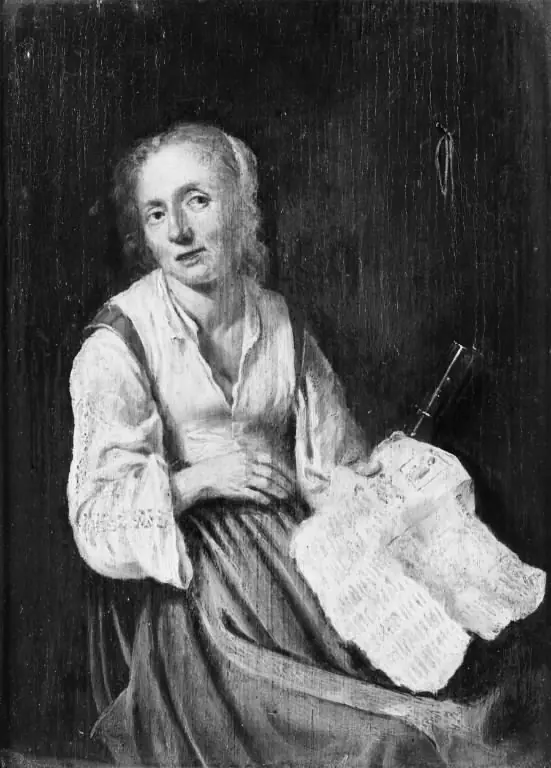
Woman with a Newspaper in her Hand
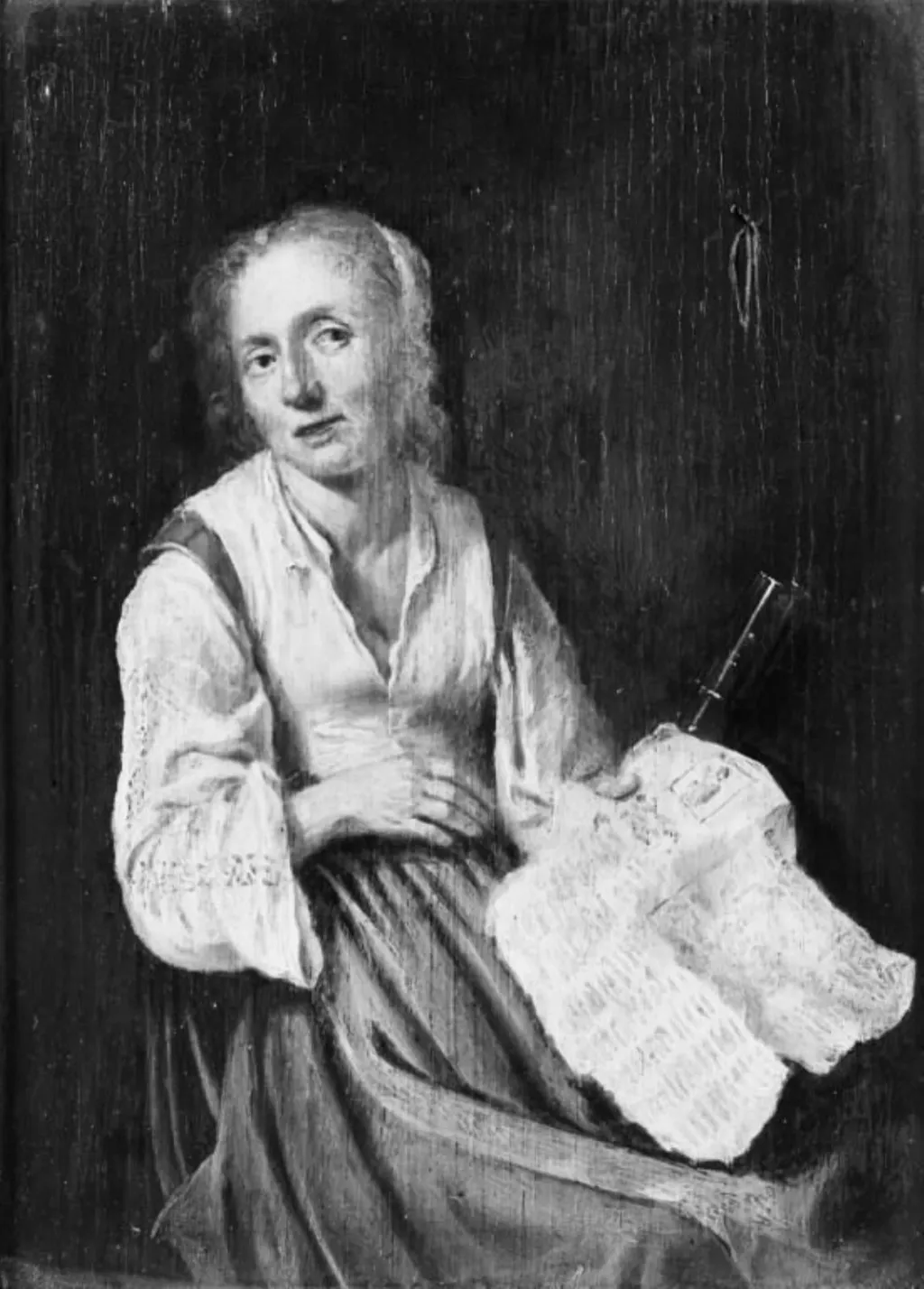
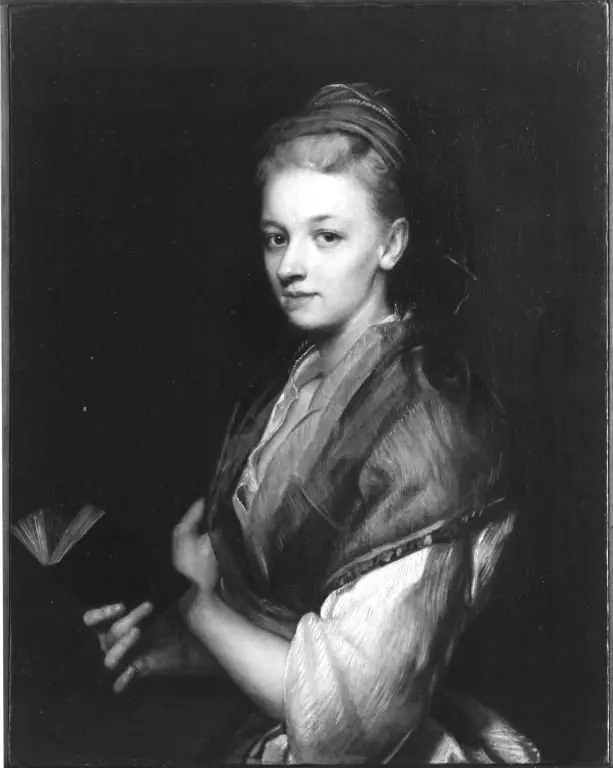
Woman with a Newspaper in her Hand is a photography by Unknown. It dates from 1750 and is held in the collection of the Statens Museum for Kunst. This black-and-white photograph, dated around 1750, depicts a woman seated and engaged in a quiet, everyday activity.
About this work
Overview
The subject’s posture and attire suggest a moment captured in ordinary life, not staged for ceremonial or formal purposes.
This black-and-white photograph, dated around 1750, depicts a woman seated and engaged in a quiet, everyday activity. The image is held in the collection of the Museum of Ethnography. Though the photographer is unidentified, the composition emphasizes stillness and domestic focus. The subject’s posture and attire suggest a moment captured in ordinary life, not staged for ceremonial or formal purposes.
Subject & Meaning
The woman holds a rolled sheet—possibly a newspaper or letter—in one hand and a needle in the other, implying simultaneous engagement with written communication and textile repair. This duality may reflect the intersection of intellectual and domestic labor in 18th-century life. Her expression is calm, and the absence of context invites interpretation of her role within a private, non-public sphere.
Technique & Style
Rendered in monochrome, the image relies on chiaroscuro to define form and draw attention to the woman’s face and hands. The plain, dark background eliminates distraction, isolating her as the sole subject. The soft focus on fabric textures and the sharp delineation of facial features suggest careful lighting and a deliberate framing, typical of early photographic or illustrative portraiture.
History & Provenance
The photograph entered the Museum of Ethnography’s collection without clear documentation of its origin or creator. Its date of c. 1750 is likely an estimate, as photography had not yet been invented; it may instead be a hand-drawn or engraved reproduction. The work’s survival suggests it was valued as a record of daily life, though its exact path to the museum remains unverified.
Context
In mid-18th-century Europe, literacy among women was increasing, and needlework remained a common domestic skill. The combination of reading material and sewing tools in one image reflects a cultural moment where private intellectual engagement coexisted with traditional female labor. Such depictions, though rare in photographic form, appear in prints and paintings of the era as symbols of quiet industry.
Legacy
The image endures as a quiet testament to the unseen routines of historical women. It offers no grand narrative, yet its simplicity invites reflection on the intersection of literacy, labor, and gender roles. As a preserved artifact, it contributes to broader studies of material culture and the representation of everyday life in pre-modern visual records.
Artist & collection

 Domestic Scene
 Giacomo and Cardinal Marco, investing Andrea, Abbot of San Zeno, with his Benefice
 The Nymph of Fontainebleau
 Portrait of a Woman
 Madonna and Child with Saints in the Enclosed Garden
 Venus and Minerva
 Family Group of Four on Sofa
 Wall painting from Room H of the Villa of P. Fannius Synistor at Boscoreale
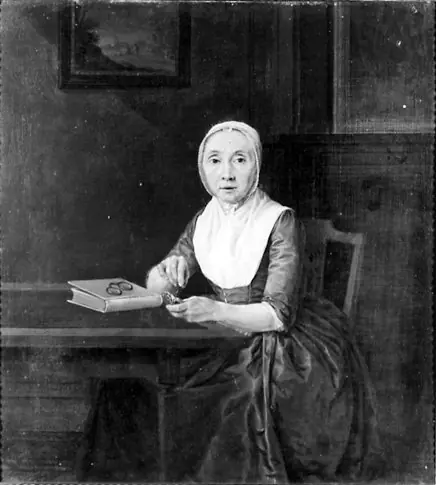 Portret van een aan een tafel zittende dame
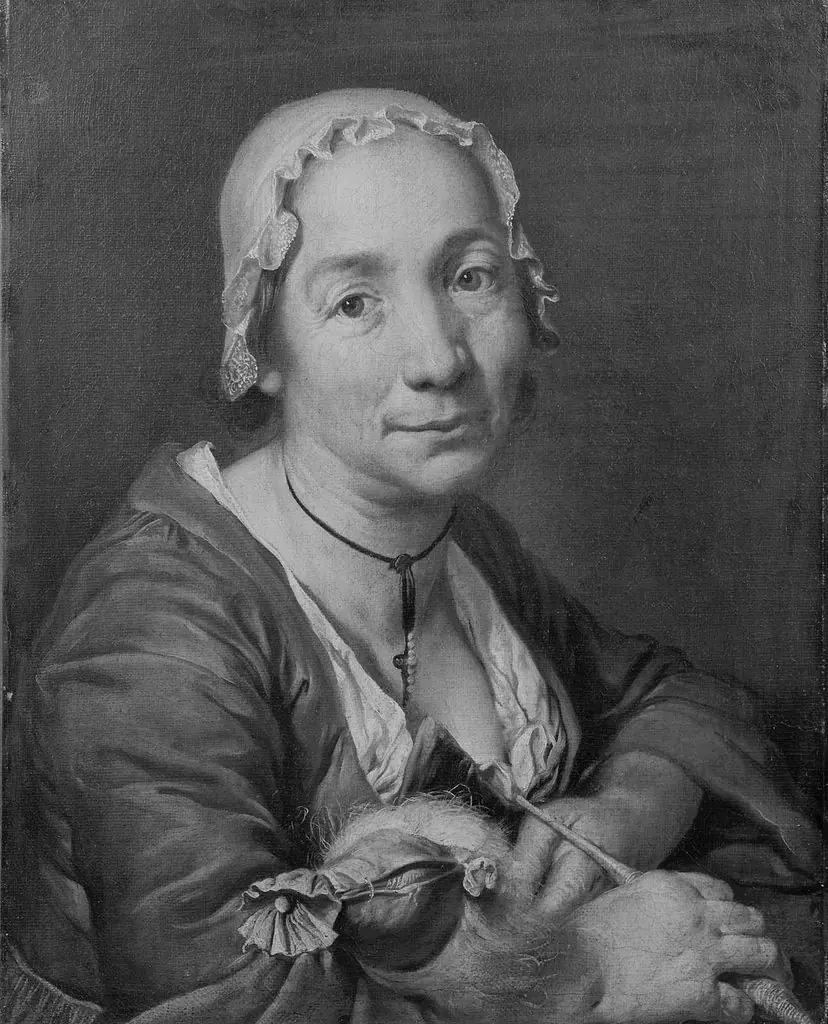 Woman Holding Flax and a Spindle
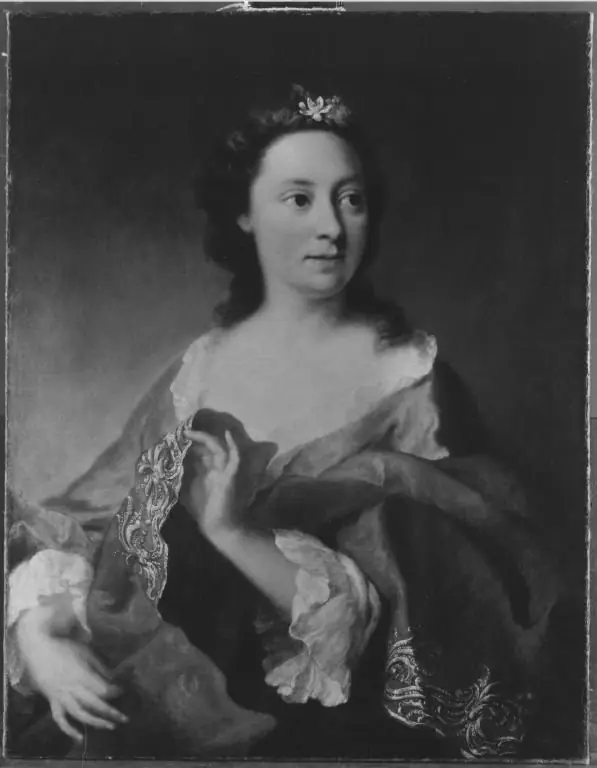 Bildnis der Gemahlin des Hofmedailleurs Franz Aandreas Schega
 Portrait of Susanna Kupezky, née Klaus
 Portrait of a Woman SK-A-1915
 Sybille
 The Artist's Wife with a Book
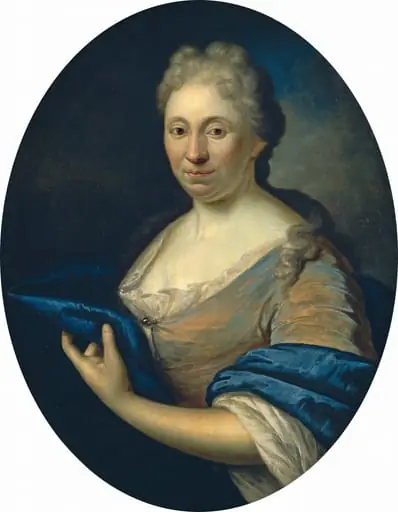 Anna de Peyster (?)
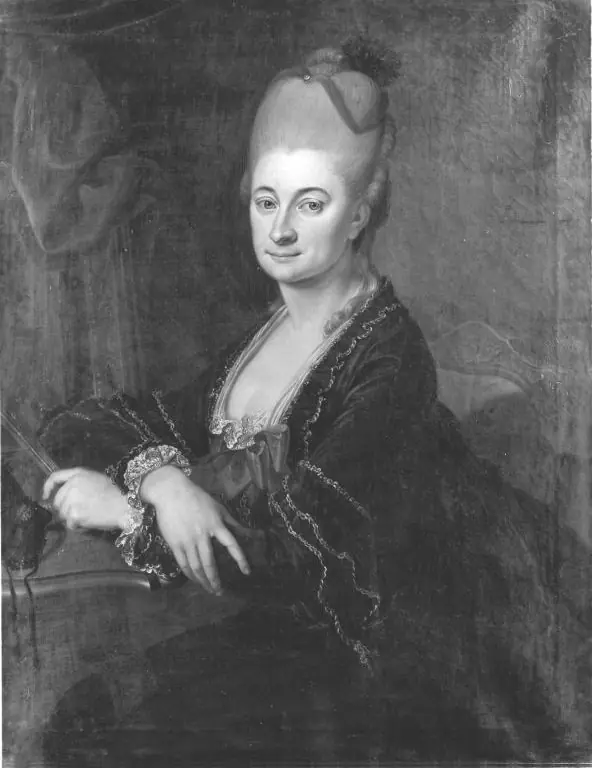 Maria Amalia of Zweibrücken-Birkenfeld
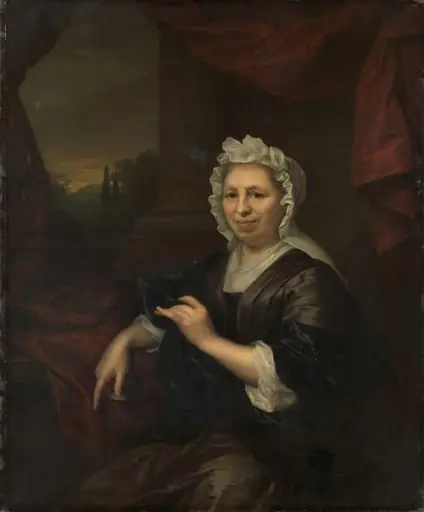 Brechje Hooft (1640-1721). Widow of Harmen van de Poll
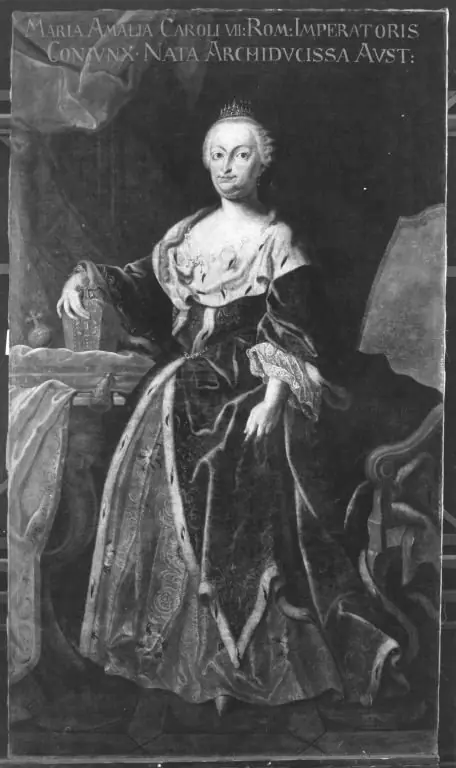 Bildnis der Maria Amalia, Tochter Kaisers Joseph I., Gemahlin Kaiser Karls VII.
 Woman with a Newspaper in her Hand