Artwork
Portret van een aan een tafel zittende dame
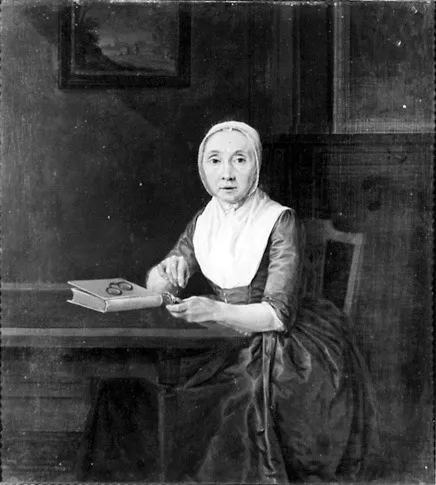
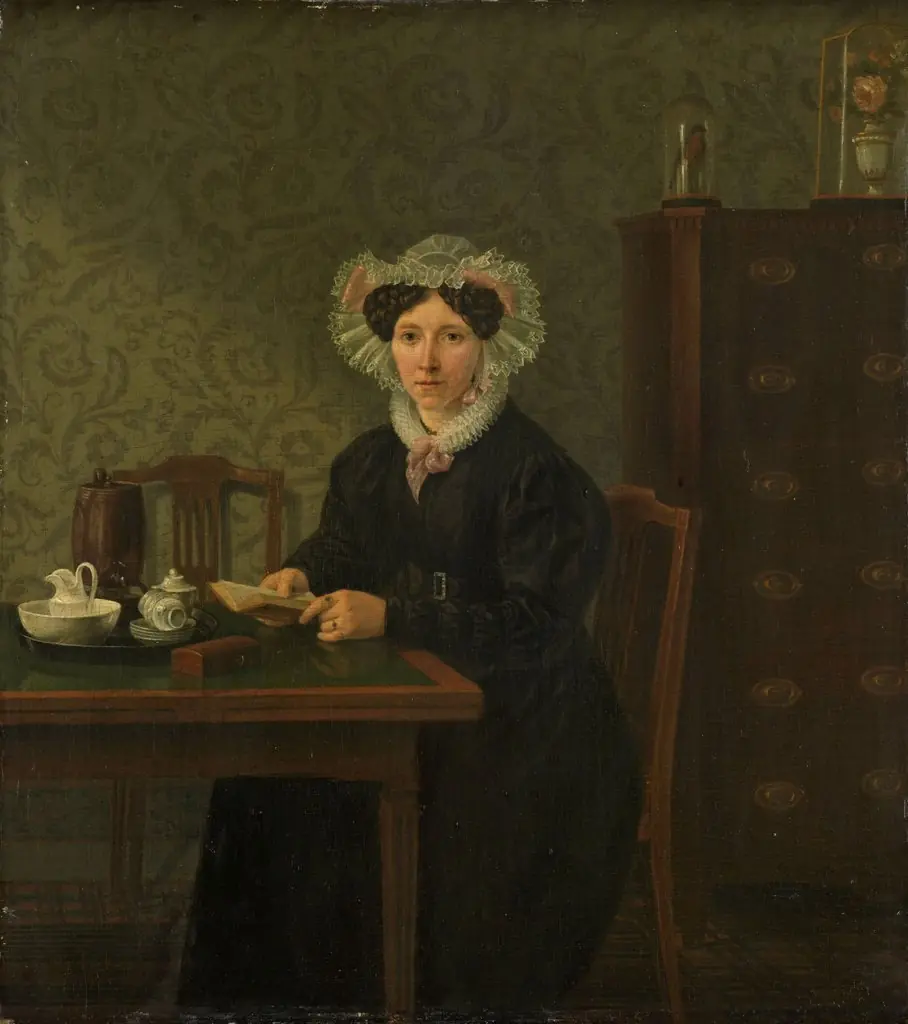
Portret van een aan een tafel zittende dame is an unspecified painting by the Biedermeier artist Willem Uppink. It dates from 1796 and is held in the collection of the Kröller-Müller Museum.
About this work
Overview
Painted in 1796 by Willem Uppink, this portrait captures a woman seated at a table, engaged in quiet contemplation.
Painted in 1796 by Willem Uppink, this portrait captures a woman seated at a table, engaged in quiet contemplation. Executed in oil on canvas, the work is part of the Kröller-Müller Museum’s collection. Its restrained palette and focused composition reflect a tradition of Dutch portraiture that values stillness over ornamentation, emphasizing the subject’s inner presence rather than external status.
Subject & Meaning
The woman, dressed in dark clothing with a crisp white collar, holds a book and spectacles, suggesting intellectual engagement. Her direct gaze and composed posture convey seriousness and self-possession. The absence of decorative elements or symbolic props shifts focus to her quiet activity, implying a private moment of study or reflection, consistent with 18th-century ideals of female intellect and domestic solitude.
Technique & Style
Uppink employs chiaroscuro to model the figure with subtle gradations of light and shadow, lending volume to the face, hands, and fabric. The dim interior and dark background isolate the subject, enhancing the intimacy of the scene. Brushwork is precise yet unobtrusive, favoring clarity over flourish. The composition’s simplicity—centered figure, minimal furnishings—echoes the austerity of earlier Dutch portraiture while retaining a personal tone.
History & Provenance
The painting has remained in the Kröller-Müller Museum since at least the early 20th century, acquired as part of the collection formed by Helene Kröller-Müller. Its provenance prior to this is undocumented, but its style and date align with late 18th-century Dutch portraiture practices. No significant alterations or restorations are recorded, preserving its original tonal balance and surface integrity.
Context
Created during the waning years of the Dutch Republic, the portrait reflects enduring regional traditions in domestic portraiture, even as neoclassical trends gained ground elsewhere. Unlike grand aristocratic commissions, this work captures a middle-class interior, valuing quiet dignity over display. The emphasis on reading and literacy aligns with Enlightenment-era ideals, particularly among women in educated households.
Legacy
Though not widely exhibited outside the Kröller-Müller Museum, the painting stands as a quiet example of late 18th-century Dutch realism. It contributes to the understanding of how portraiture evolved beyond status symbols into intimate psychological studies. Its preservation offers insight into the visual culture of intellectual women during a period of shifting social norms.
Artist & collection

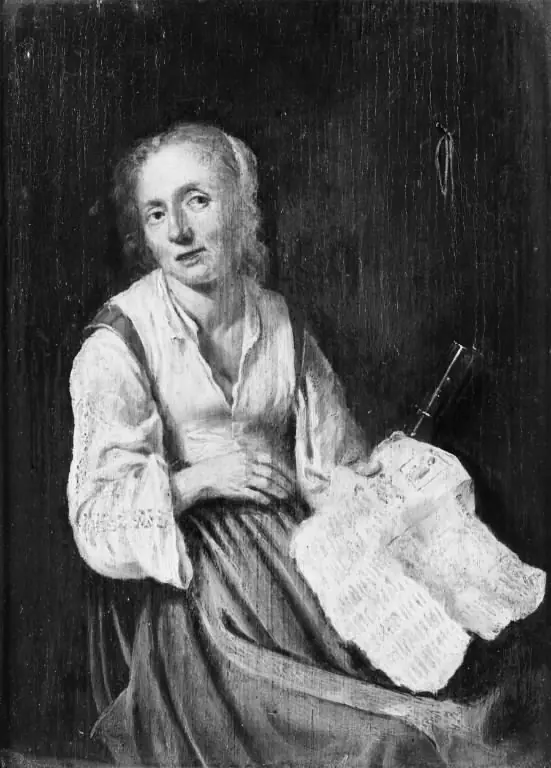 Woman with a Newspaper in her Hand
 Woman with a Newspaper in her Hand
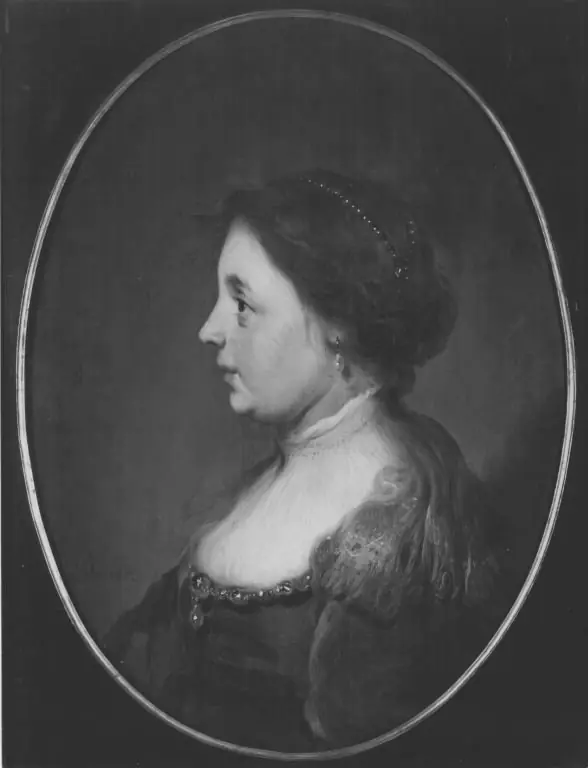 Half-length portrait of a woman
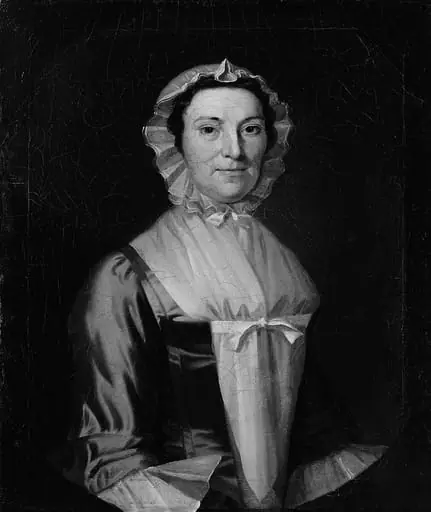 Mrs. Cadwallader Colden
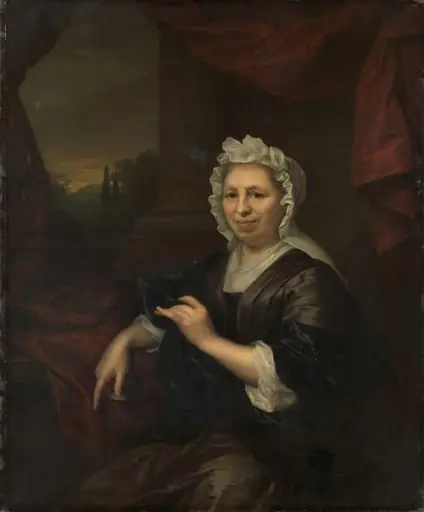 Brechje Hooft (1640-1721). Widow of Harmen van de Poll
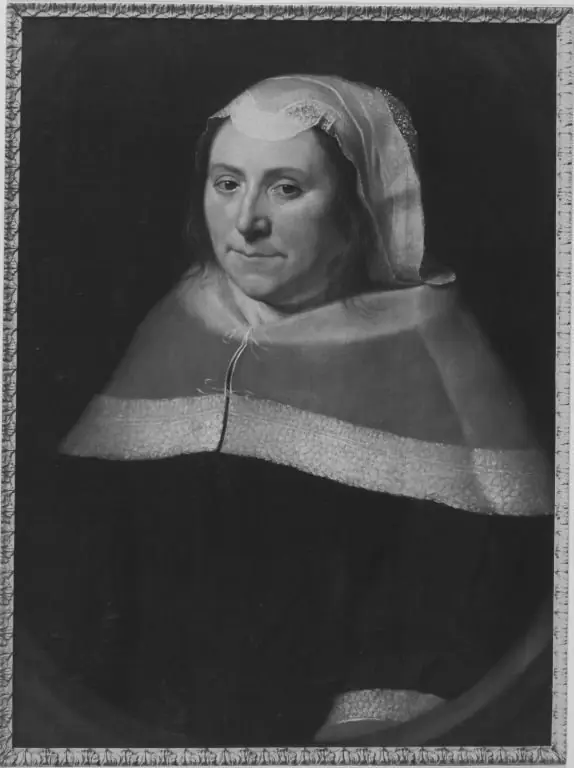 Frauenbildnis
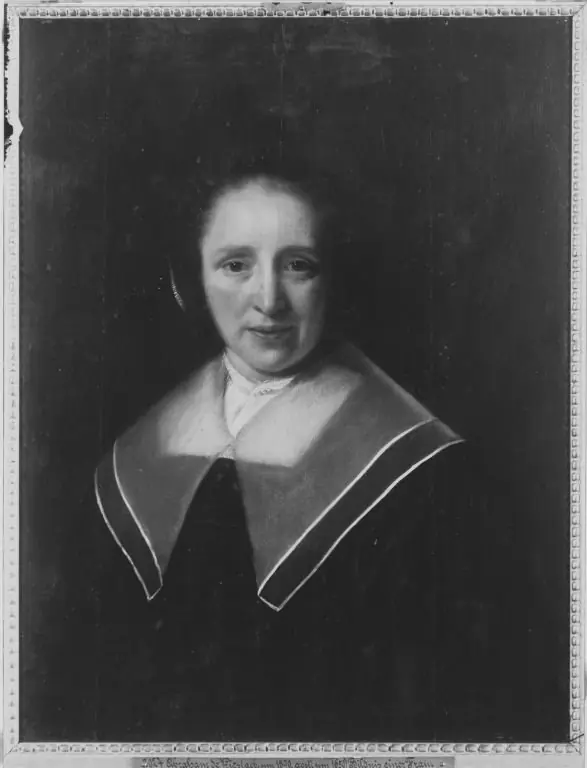 Bildnis einer Frau
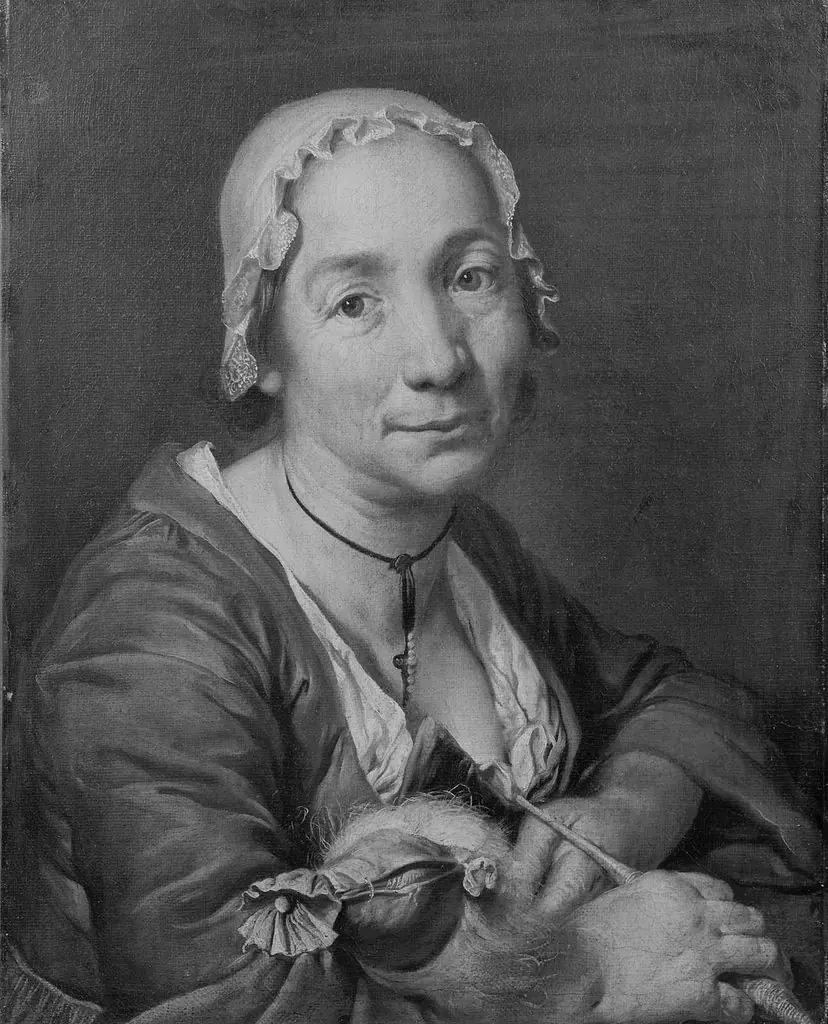 Woman Holding Flax and a Spindle
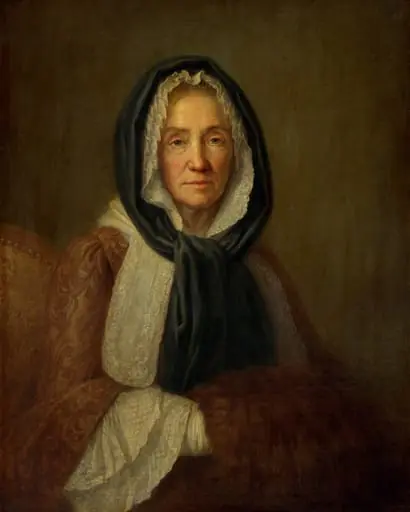 Old Woman with a Muff
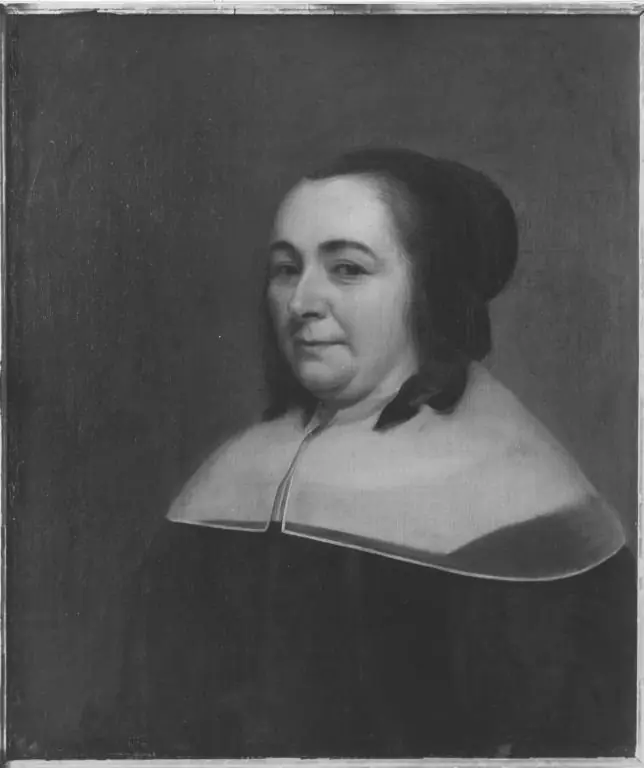 Bildnis einer älteren Dame
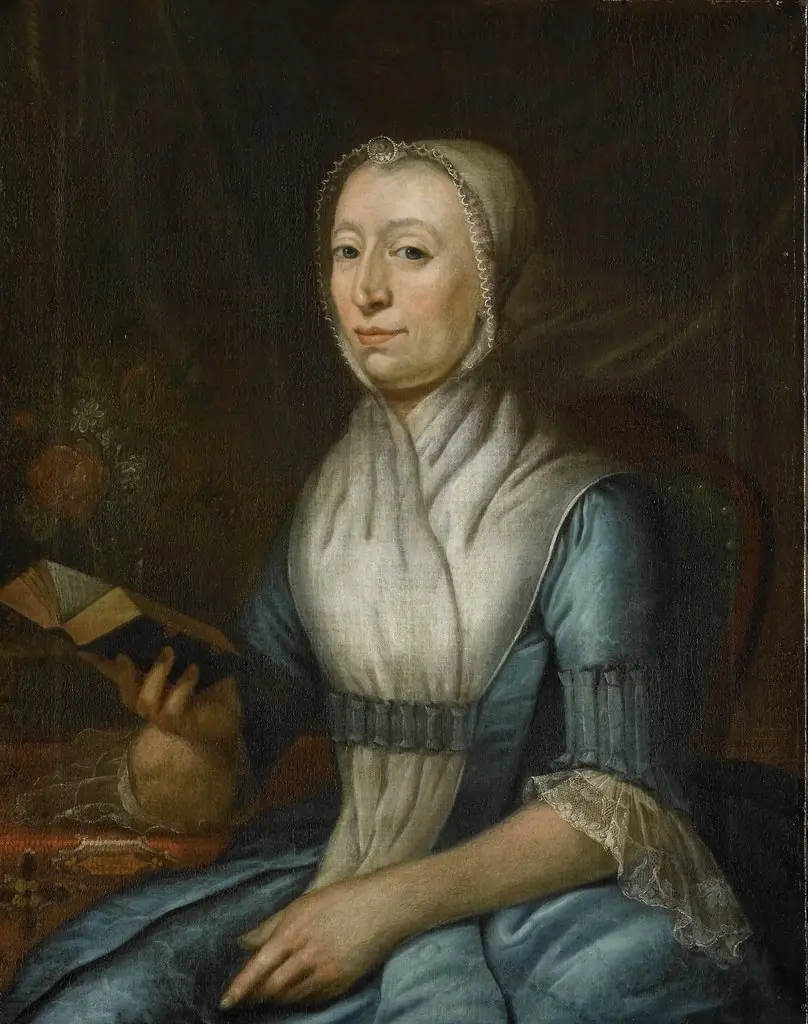 Portrait of Eva Goudriaan-de Veer
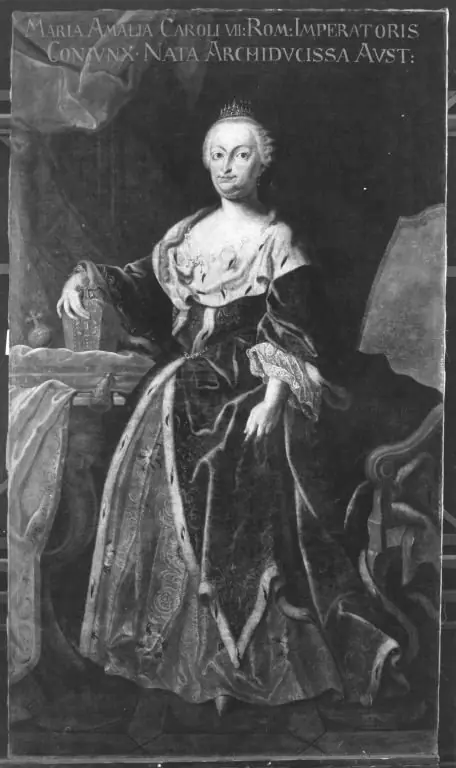 Bildnis der Maria Amalia, Tochter Kaisers Joseph I., Gemahlin Kaiser Karls VII.