Artwork
Cavalry Skirmish
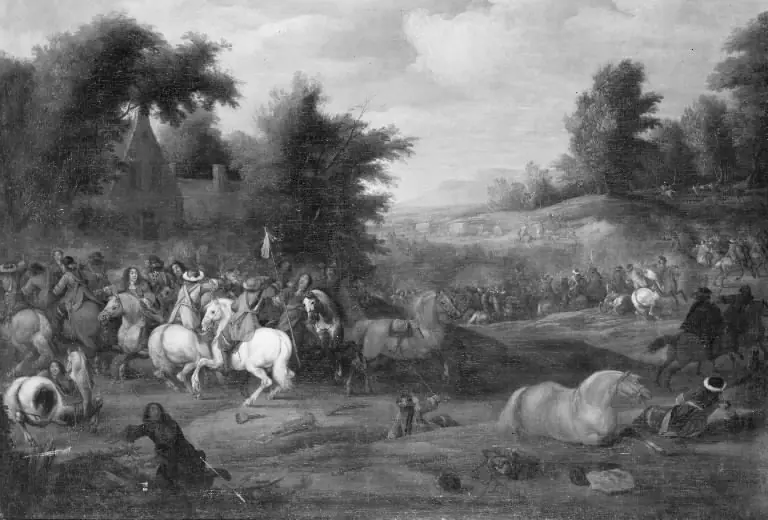
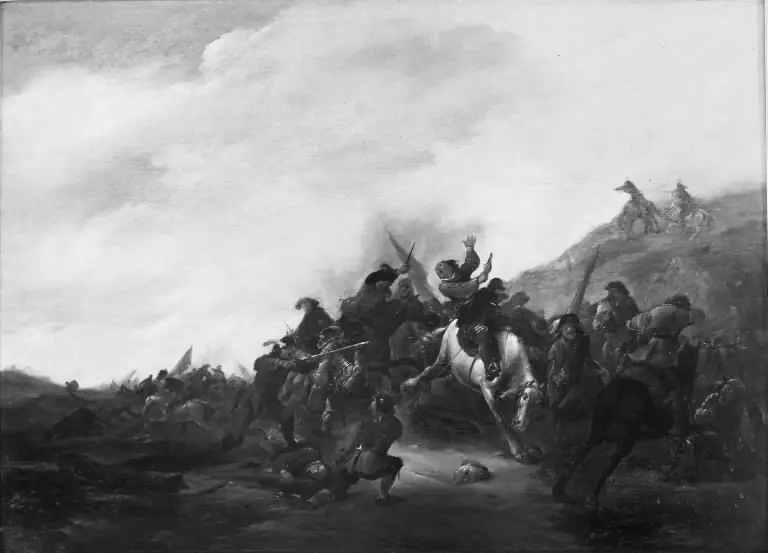
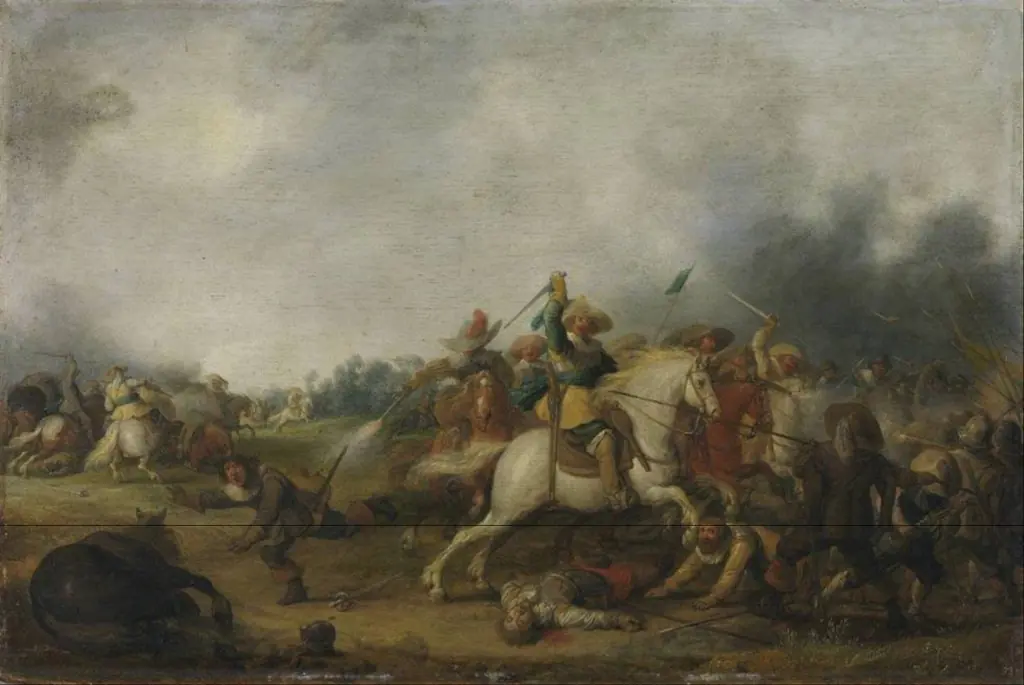
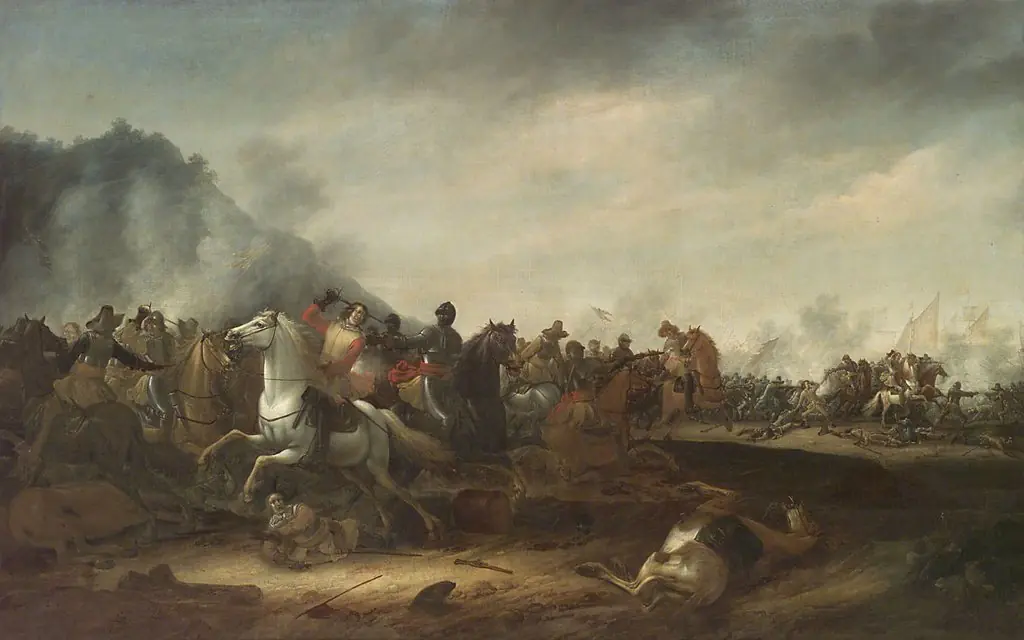
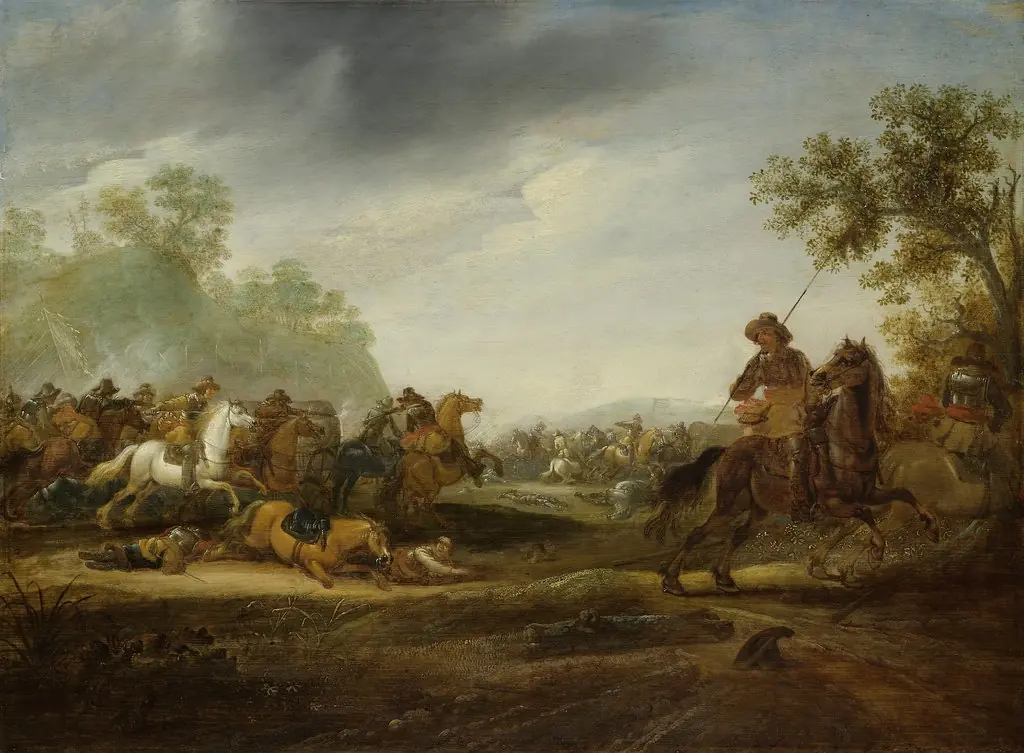
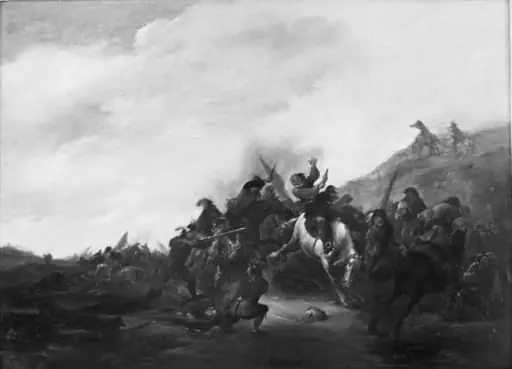
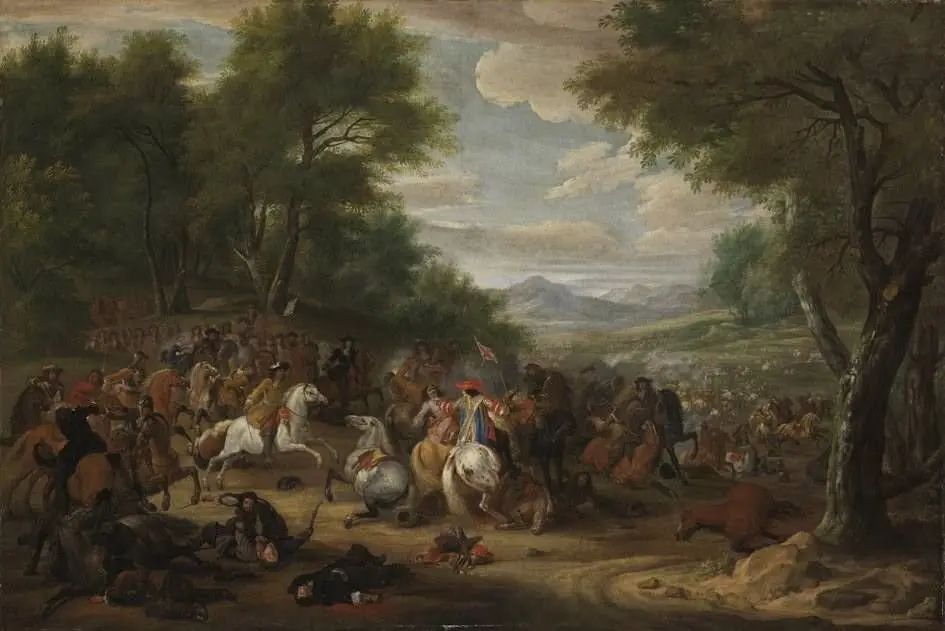
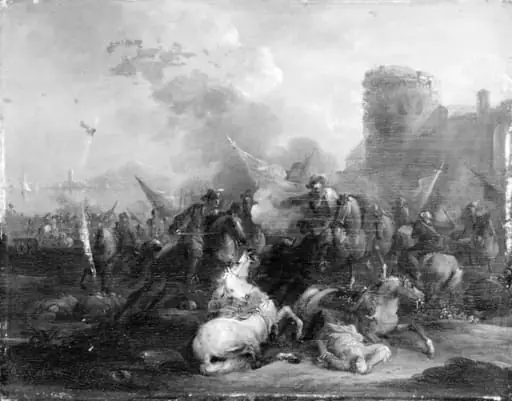
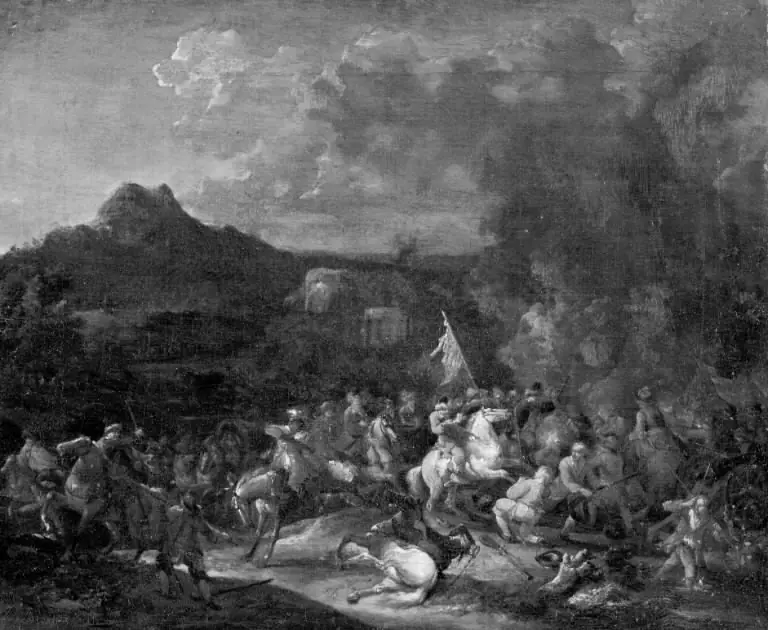
Cavalry Skirmish is a photography by Unknown. It dates from 1650 and is held in the collection of the Statens Museum for Kunst. Created around 1650, this painting captures a moment of intense cavalry conflict.
About this work
Overview
Created around 1650, this painting captures a moment of intense cavalry conflict. It is part of the collection at the Museum of Ethnography, where it is preserved as an example of 17th-century equestrian combat imagery. The work lacks a signed attribution, and its creator remains unidentified, though stylistic elements suggest ties to Northern European military painting traditions of the period.
Subject & Meaning
The scene portrays a disordered clash between mounted soldiers, with figures thrown into motion—horses rearing, riders falling, weapons flashing.
The scene portrays a disordered clash between mounted soldiers, with figures thrown into motion—horses rearing, riders falling, weapons flashing. No clear side is identified, emphasizing the chaos of battle over political or national narrative. The absence of identifiable banners or uniforms suggests a focus on universal violence rather than specific historical events, aligning with broader European traditions of depicting war’s turbulence.
Technique & Style
The artist employs chiaroscuro to heighten dramatic tension, using sharp contrasts between shadow and illuminated areas to define form and movement. Bold, fluid brushwork conveys the frenzy of the skirmish, with loose strokes suggesting galloping hooves and flailing limbs. The background, rendered in muted tones, recedes into hazy hills and trees, grounding the action in a naturalistic yet atmospheric landscape.
History & Provenance
The painting entered the Museum of Ethnography’s collection in the late 19th century, likely acquired during a period of expanded European ethnographic and military artifact gathering. Its origins prior to this are undocumented. No records link it to a specific battle, patron, or artist’s studio, leaving its commission and early ownership obscure, though its style aligns with regional war imagery from the Low Countries or Germany.
Context
Produced during the Thirty Years’ War’s aftermath, the painting reflects a cultural preoccupation with cavalry combat, a dominant feature of early modern warfare. While not a documentary record, it resonates with contemporary prints and paintings that dramatized military chaos for audiences familiar with the war’s devastation. Its focus on motion over narrative fits a broader trend of depicting battle as visceral experience rather than strategic event.
Legacy
Though not widely exhibited or studied, the work contributes to understanding how 17th-century artists rendered warfare without glorification. Its emphasis on disorder and physicality influenced later depictions of cavalry in regional museums. It remains a quiet but significant example of how visual culture processed the trauma of war through dynamic, emotionally charged composition rather than heroic narrative.
Artist & collection

 Domestic Scene
 Giacomo and Cardinal Marco, investing Andrea, Abbot of San Zeno, with his Benefice
 The Nymph of Fontainebleau
 Portrait of a Woman
 Madonna and Child with Saints in the Enclosed Garden
 Venus and Minerva
 Family Group of Four on Sofa
 Wall painting from Room H of the Villa of P. Fannius Synistor at Boscoreale