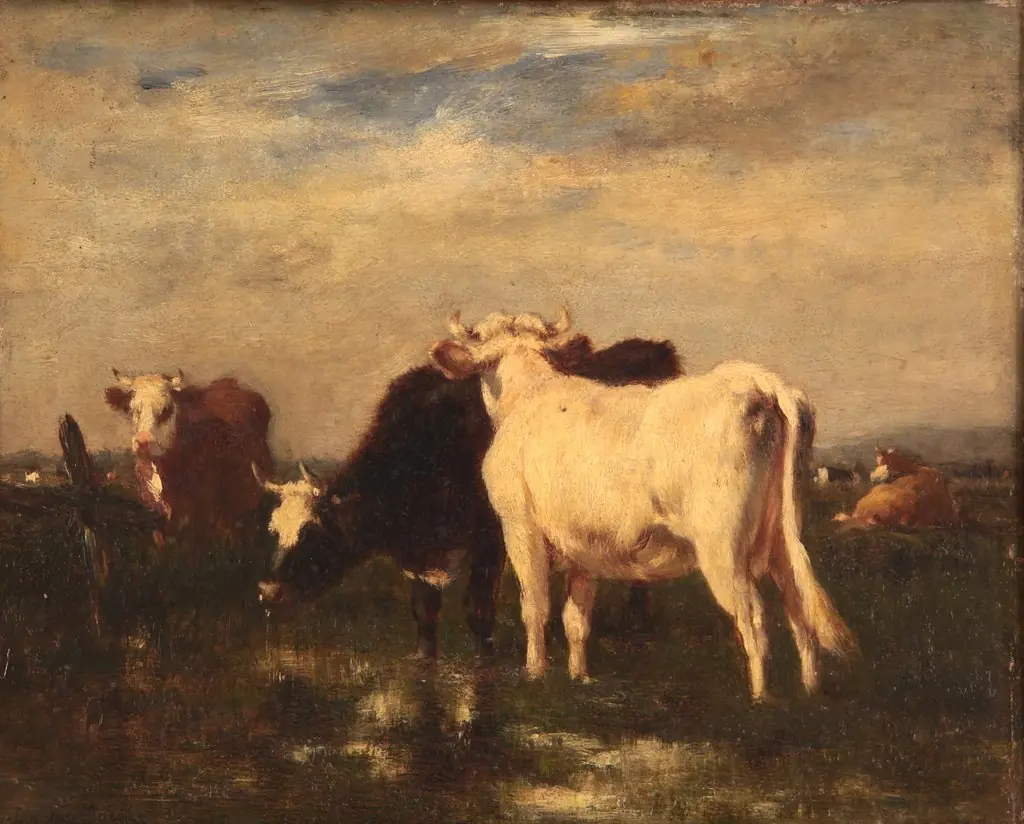
Artwork
Grazing Cows on the Island of Saltholm
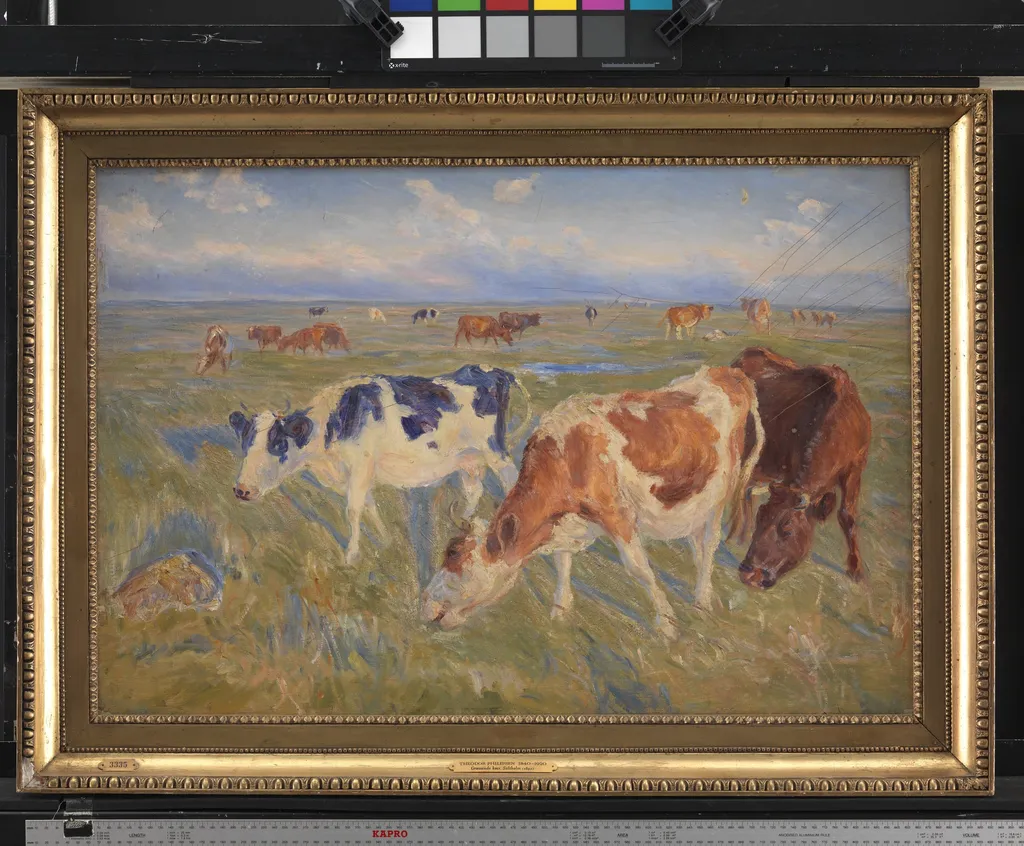
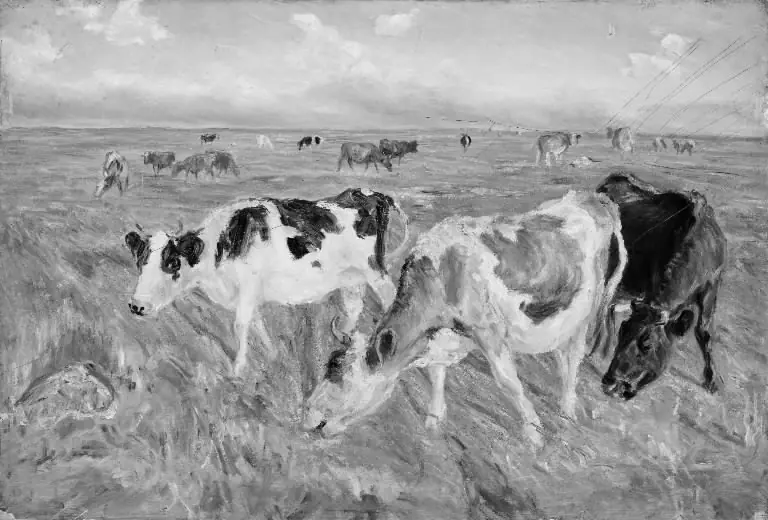
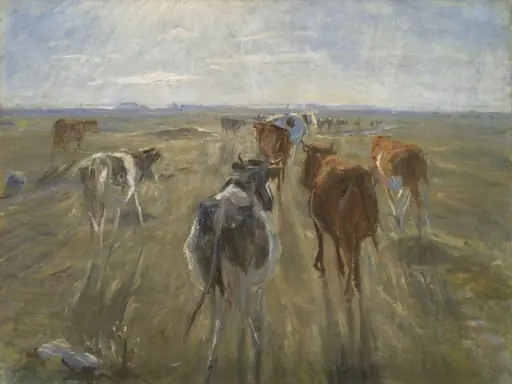
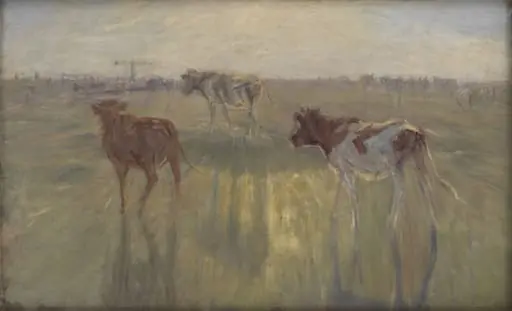
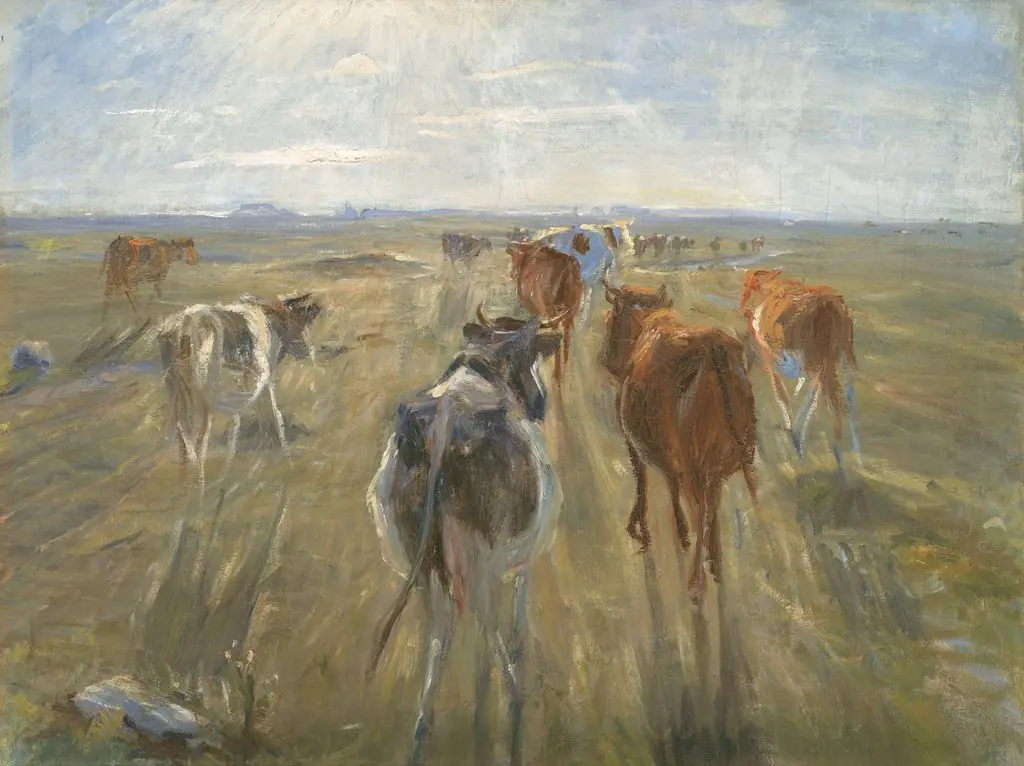
Grazing Cows on the Island of Saltholm is a photography by the Impressionist artist Unknown. It dates from 1892 and is held in the collection of the Statens Museum for Kunst. Painted in 1892, this work depicts a quiet pastoral scene on the Danish island of Saltholm.
About this work
Overview
The painting is part of the Museum of Ethnography’s collection, where it is preserved as an example of late 19th-century Nordic landscape observation.
Painted in 1892, this work depicts a quiet pastoral scene on the Danish island of Saltholm. It captures a group of cows grazing in a low-lying meadow under a pale sky. The artist employed thick, deliberate brushwork to render the landscape, emphasizing texture and the play of natural light. The painting is part of the Museum of Ethnography’s collection, where it is preserved as an example of late 19th-century Nordic landscape observation.
Subject & Meaning
The scene presents everyday rural life without idealization or narrative. Cows, figures, and open land are arranged with quiet balance, suggesting harmony between animals and environment. There is no dramatic event or human intervention—only the quiet rhythm of grazing and stillness. The composition reflects an interest in ordinary moments, valuing observation over symbolism.
Technique & Style
The artist used impasto to build the grass and sky with layered strokes of green, yellow, and pale blue. Thick paint creates a tactile surface, enhancing the sense of wind and sunlight across the field. Brushwork is loose yet controlled, avoiding fine detail in favor of atmospheric effect. This approach aligns with contemporary movements that prioritized sensory experience over precise representation.
History & Provenance
The painting was completed in 1892 and entered the Museum of Ethnography’s holdings shortly thereafter. Its acquisition reflects the institution’s interest in documenting regional life through visual records. No significant changes in ownership are documented, and it has remained in the museum’s care since its early acquisition, preserved as part of a broader collection of Nordic rural imagery.
Context
Created during a period when Scandinavian artists increasingly turned to local landscapes and peasant life, this work aligns with a broader cultural shift toward realism and regional identity. Unlike urban or mythological subjects, it focuses on the unremarkable rhythms of the countryside, mirroring contemporary literary and artistic trends that valued authenticity over grandeur.
Legacy
The painting contributes to a body of work that redefined Nordic landscape art through direct observation and material experimentation. While not widely exhibited beyond its institutional home, it remains a quiet reference point for studies of late 19th-century Danish painting techniques and the aesthetic value placed on unembellished nature.
Artist & collection

 Domestic Scene
 Giacomo and Cardinal Marco, investing Andrea, Abbot of San Zeno, with his Benefice
 The Nymph of Fontainebleau
 Portrait of a Woman
 Madonna and Child with Saints in the Enclosed Garden
 Venus and Minerva
 Family Group of Four on Sofa
 Wall painting from Room H of the Villa of P. Fannius Synistor at Boscoreale