Artwork
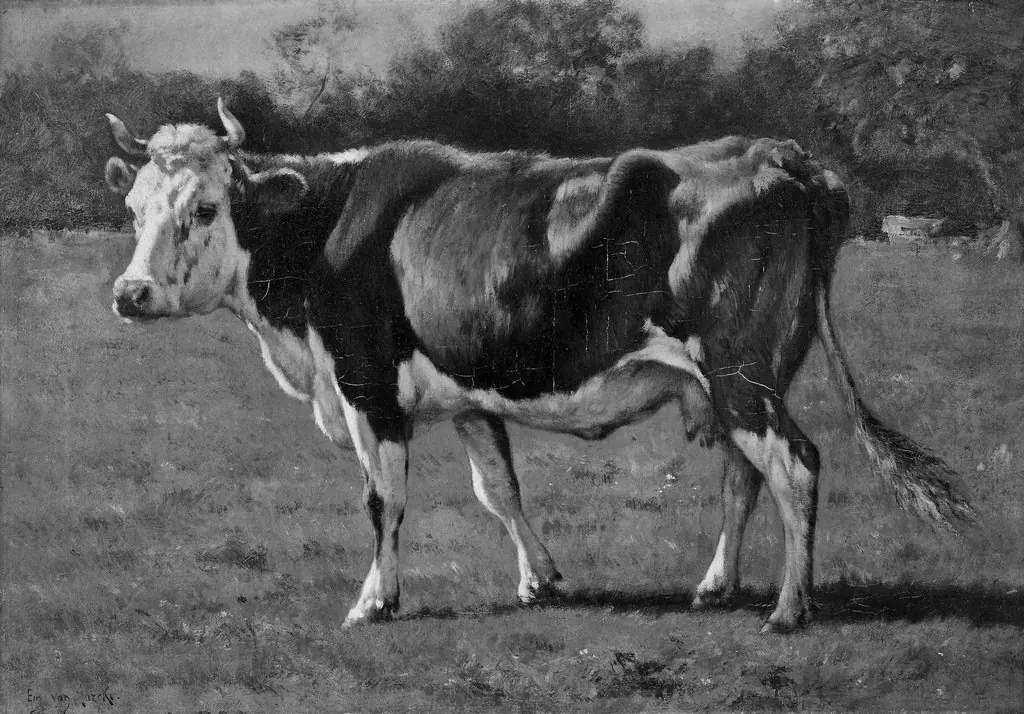
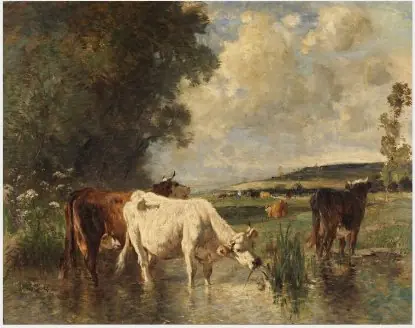
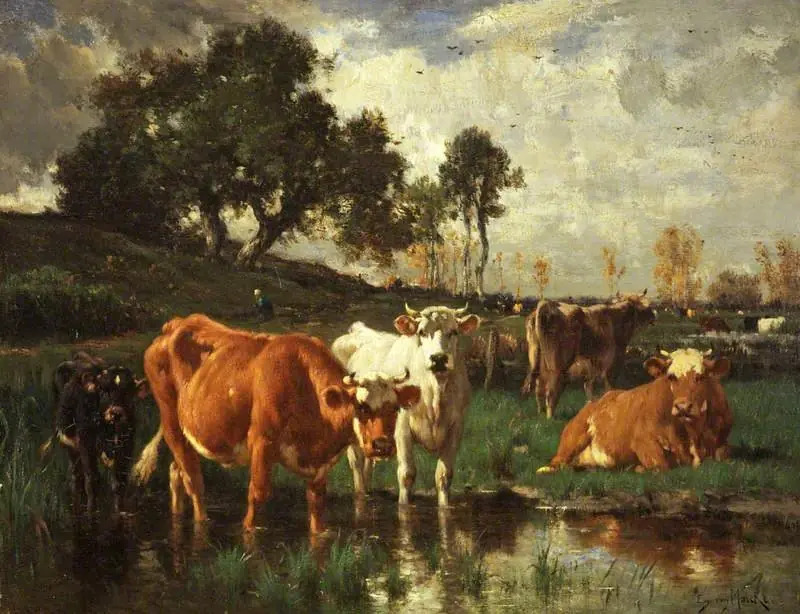
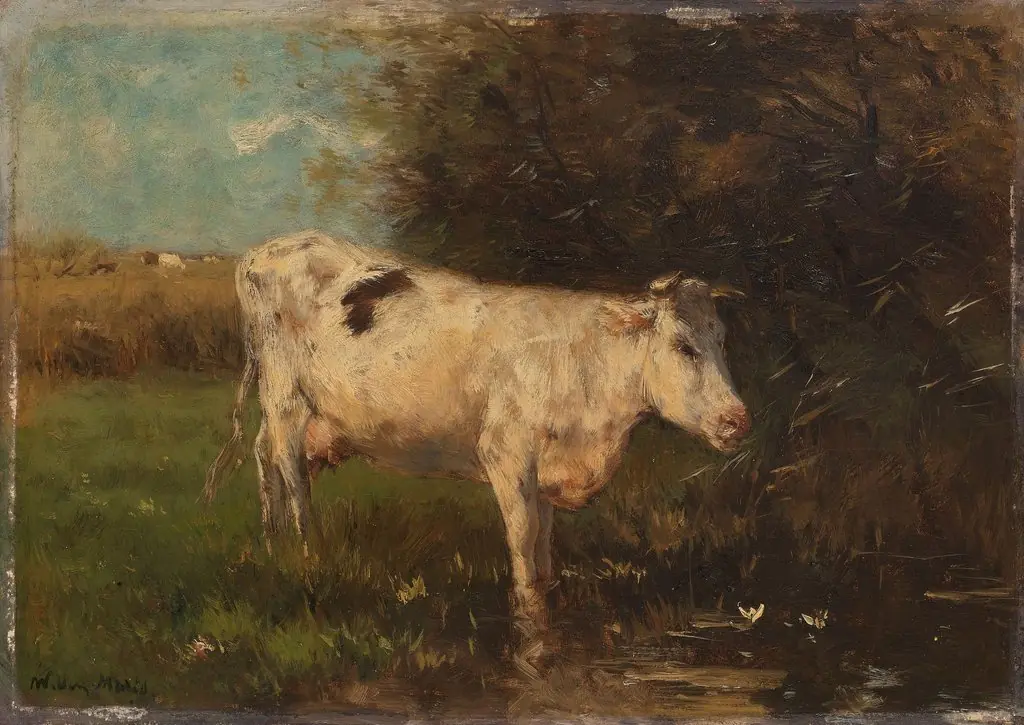
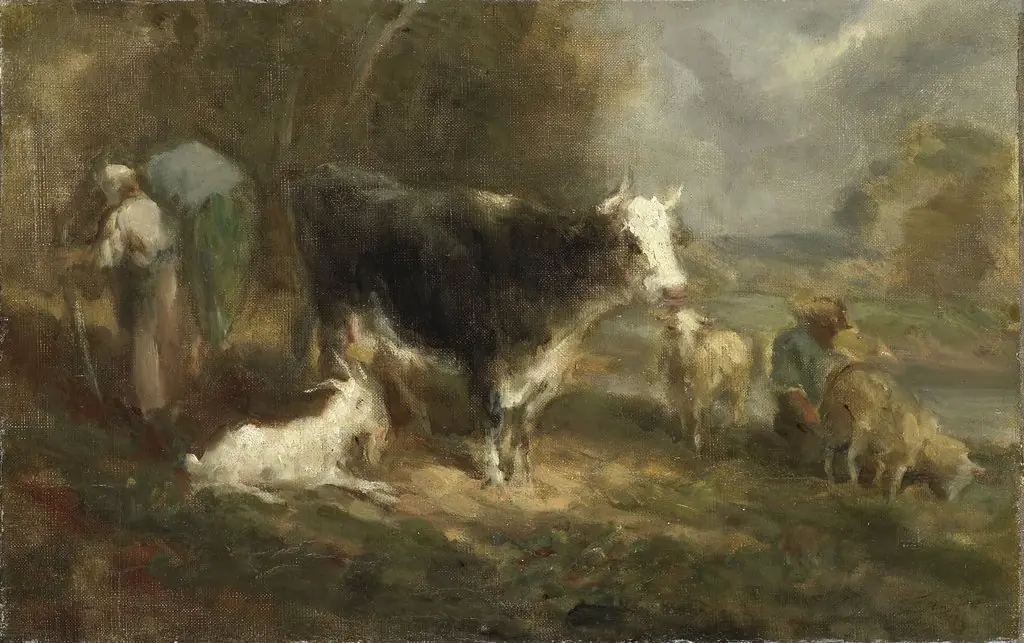
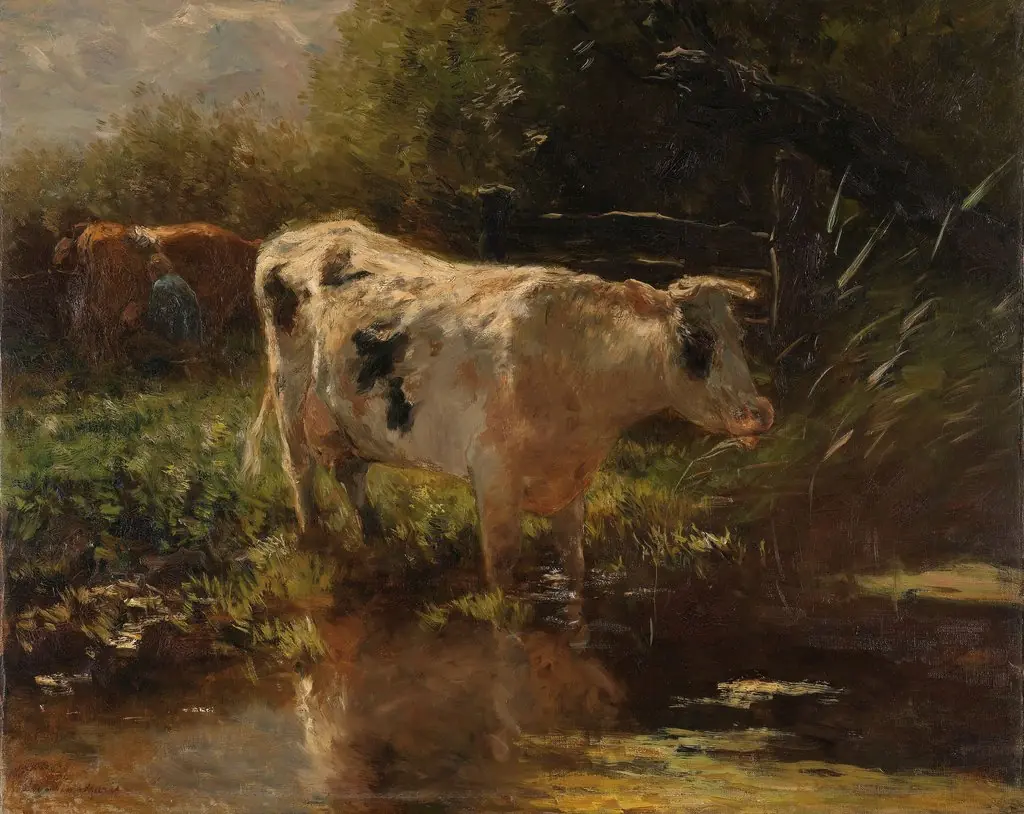
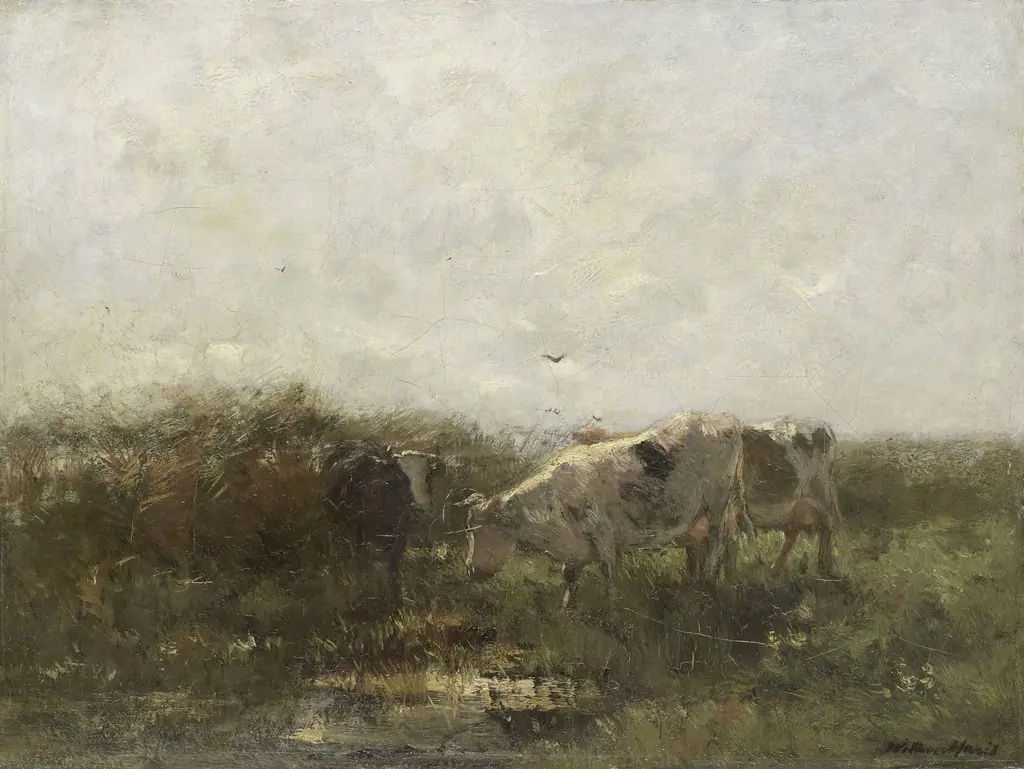
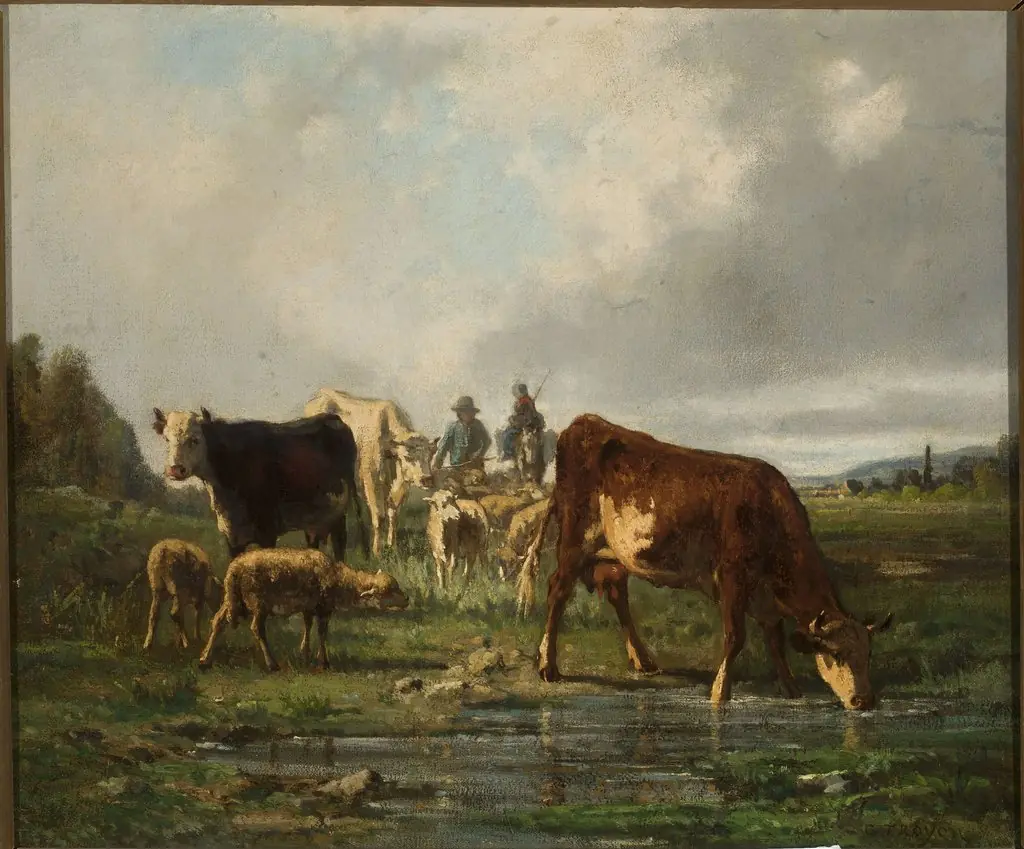
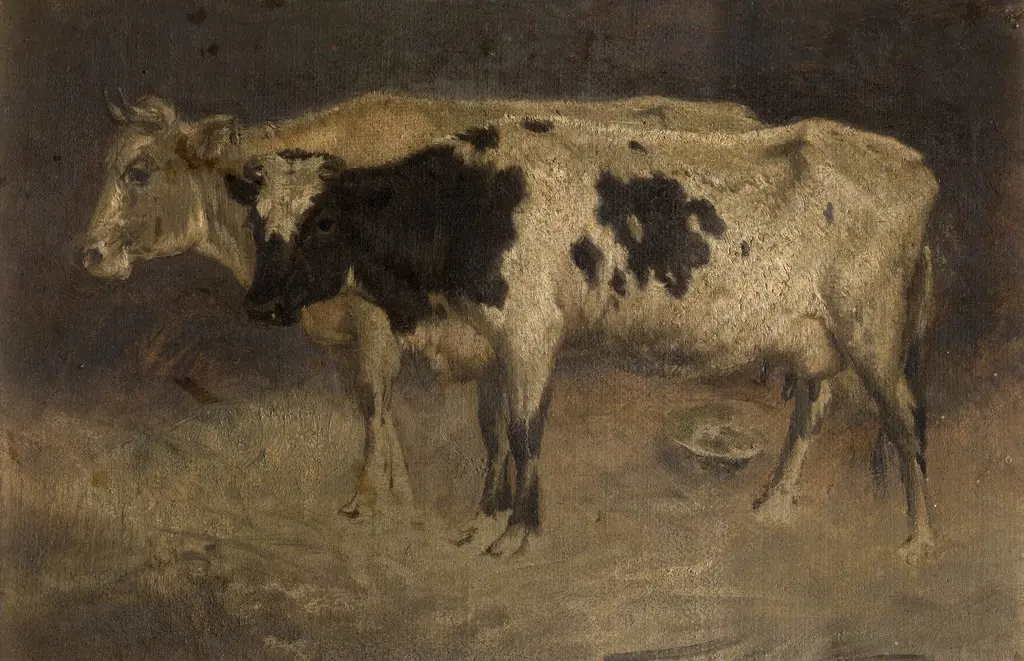
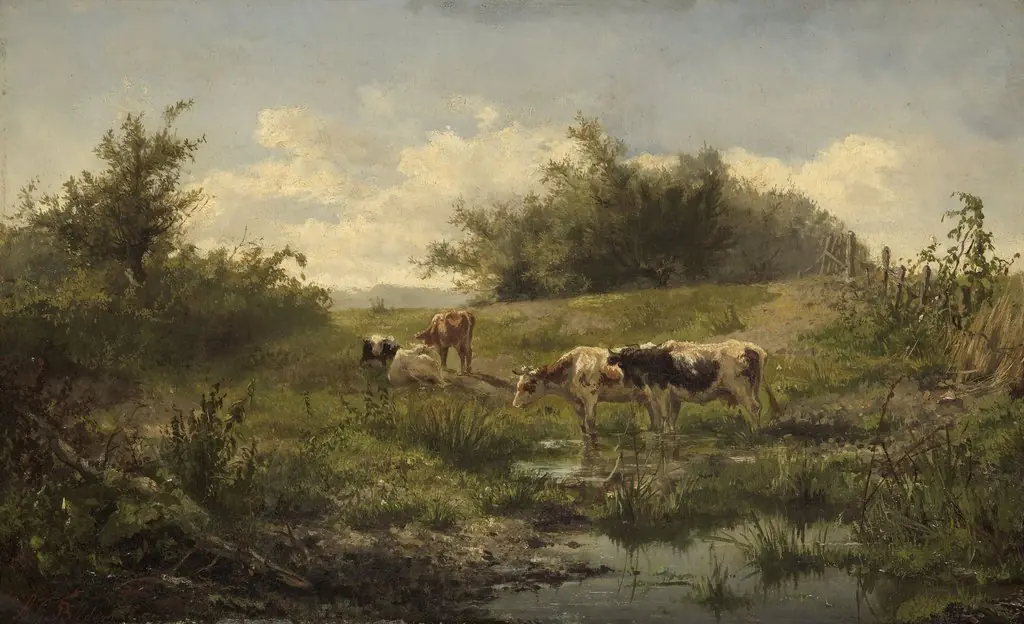
Cows in landscape
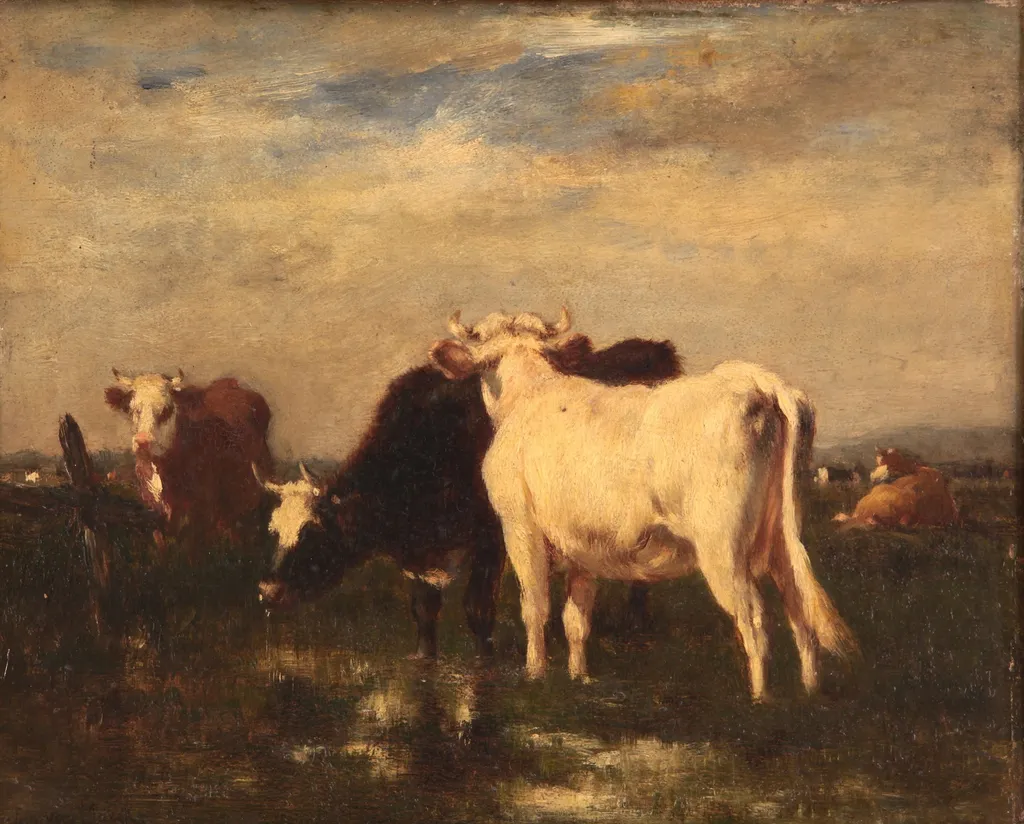
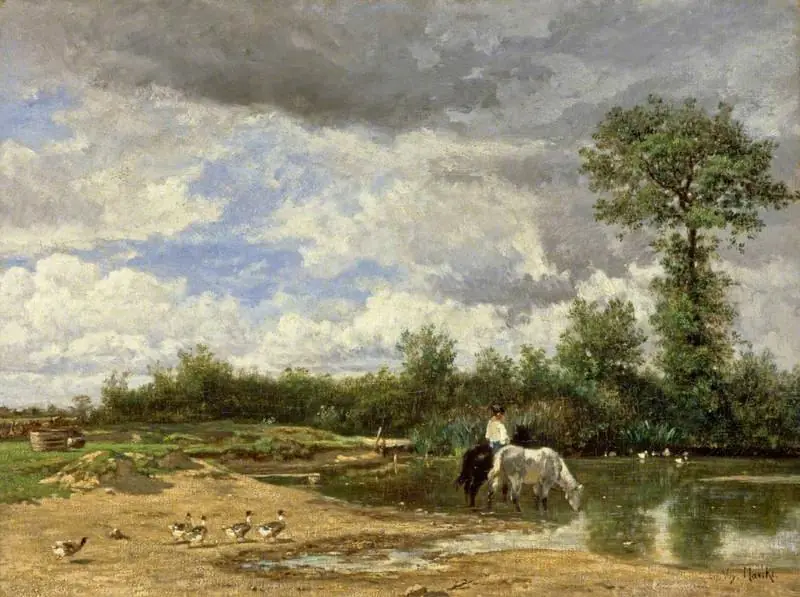
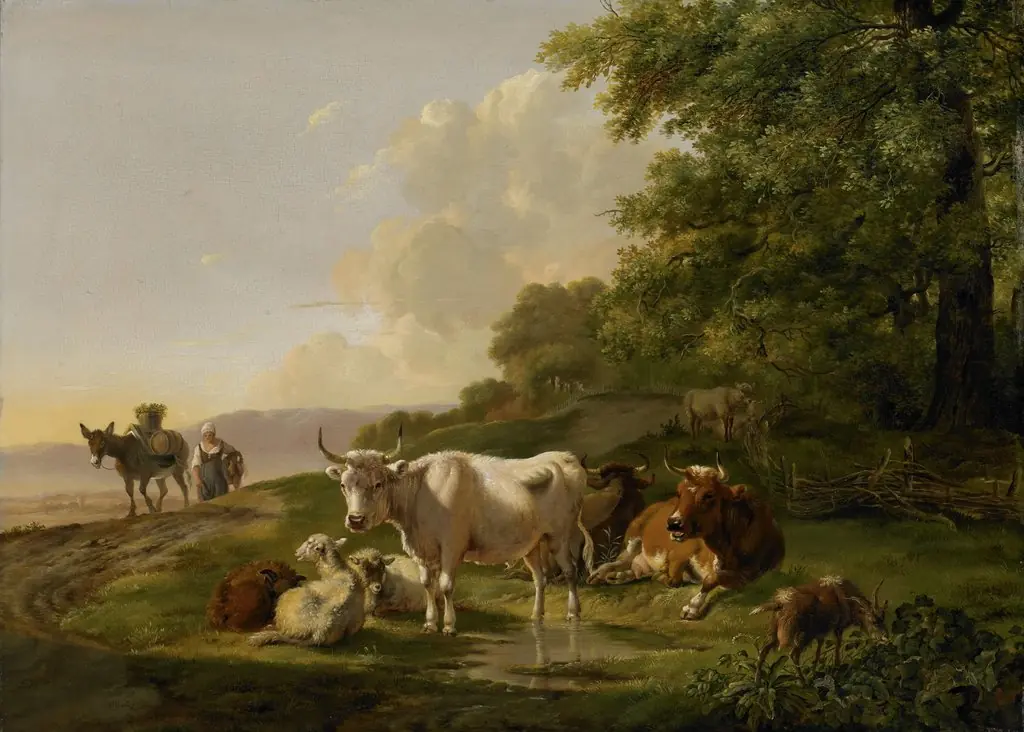
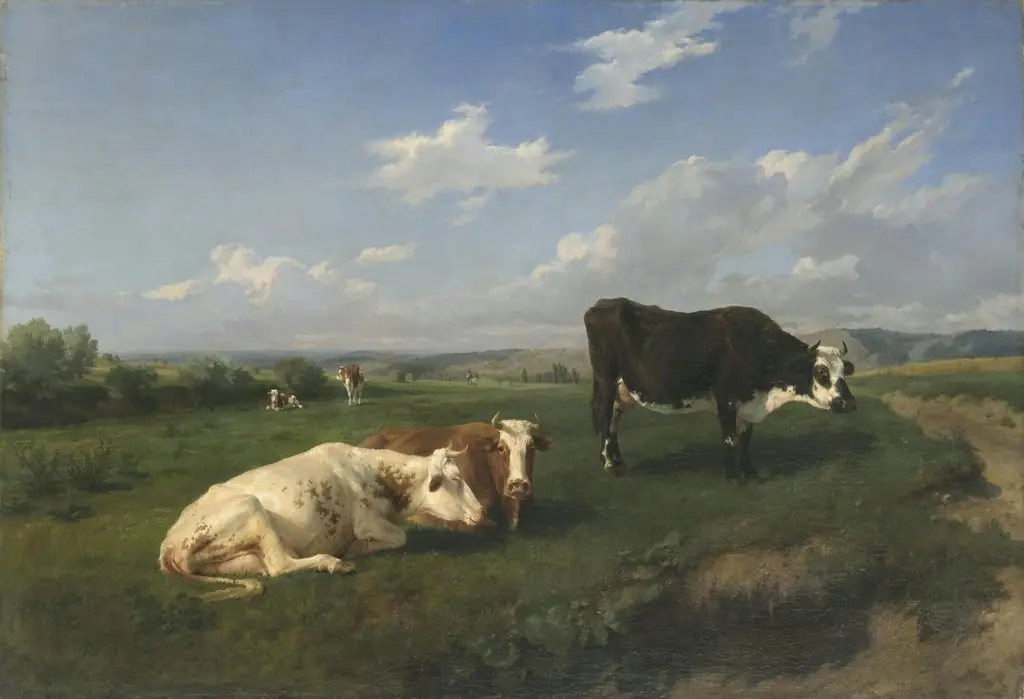
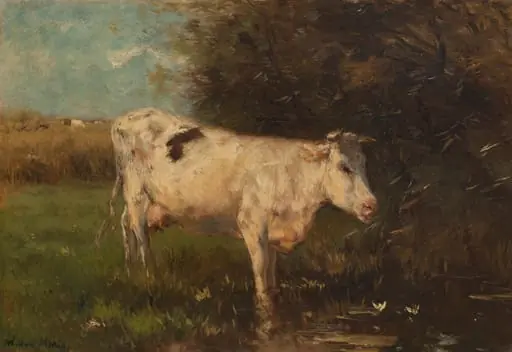
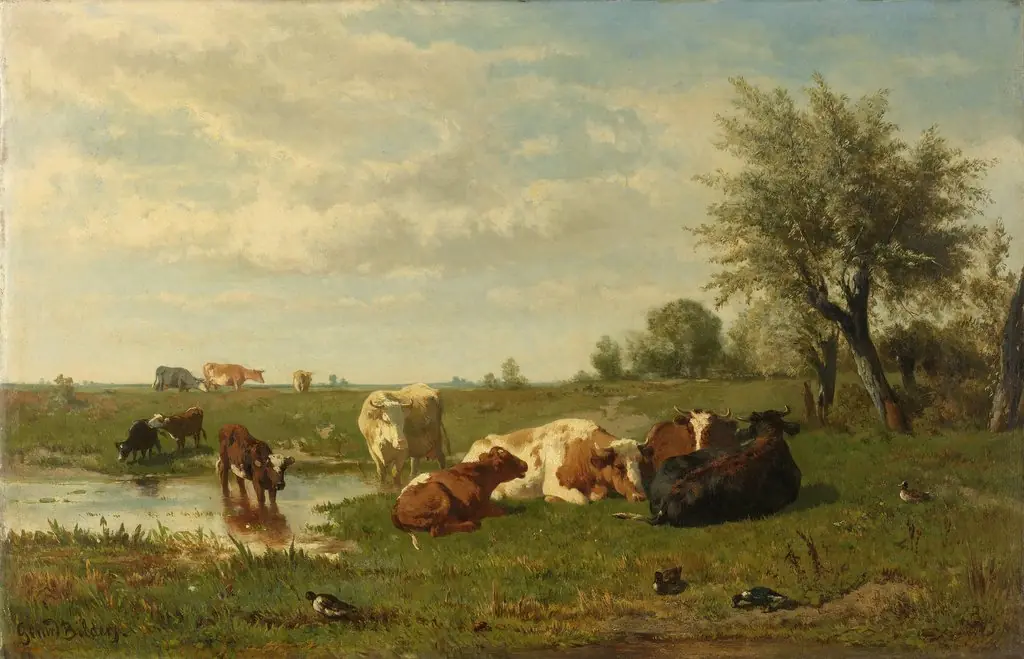
Cows in landscape is an unspecified painting by the Barbizon school artist Emile van Marcke. It dates from 1850 and is held in the collection of the National Museum of Fine Arts, Argentina. Painted around 1850 by Émile van Marcke, this work belongs to the Barbizon school’s focus on rural life and natural observation.
About this work
Overview
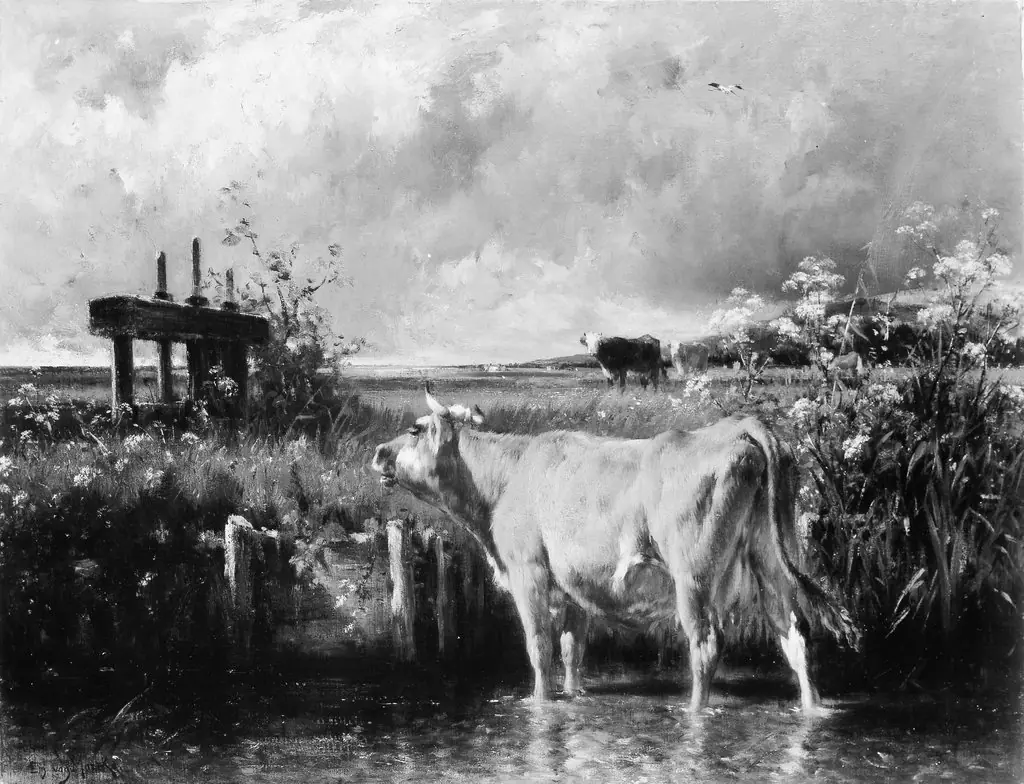
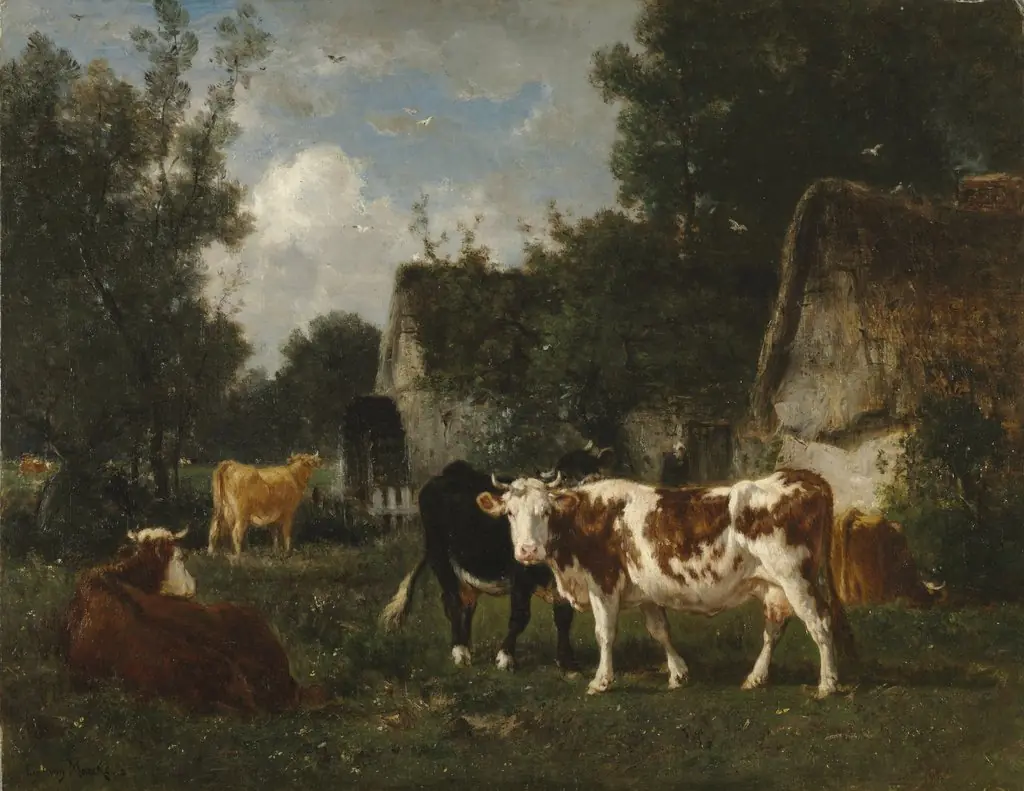
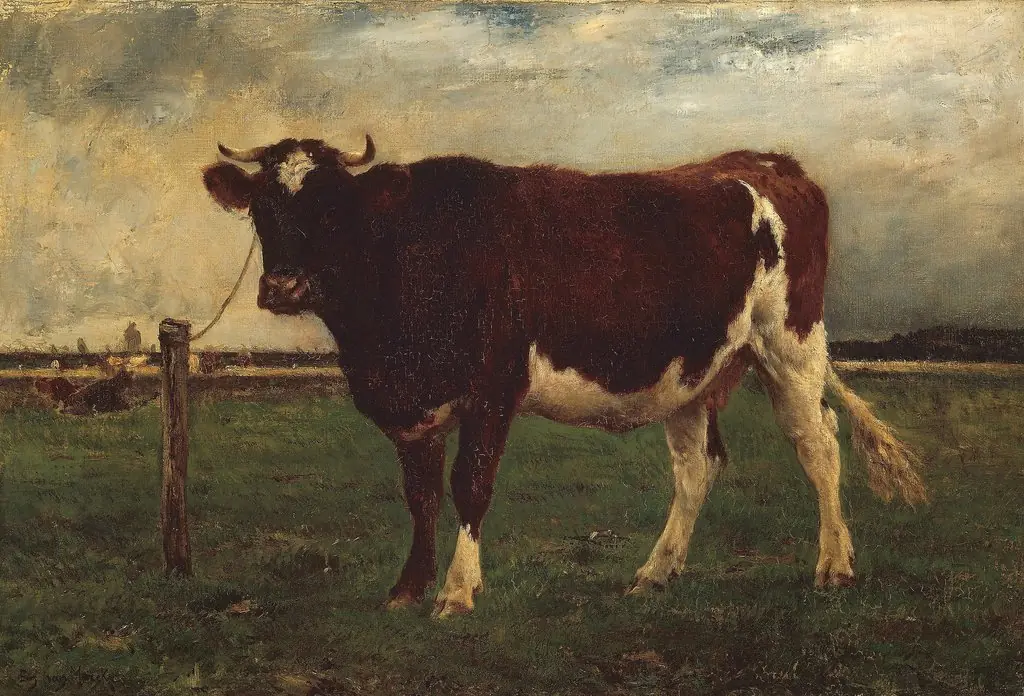
It presents a quiet pastoral scene centered on cattle, rendered with careful attention to their forms and the ambient atmosphere.
Painted around 1850 by Émile van Marcke, this work belongs to the Barbizon school’s focus on rural life and natural observation. It presents a quiet pastoral scene centered on cattle, rendered with careful attention to their forms and the ambient atmosphere. The painting is part of the collection at the National Museum of Fine Arts in Buenos Aires, reflecting 19th-century European artistic influences in Latin American institutions.
Subject & Meaning
The painting depicts a small herd of cattle in a subdued rural setting, with no human figures present. The animals are arranged to suggest natural behavior—some standing, others resting—emphasizing their integration into the landscape. The absence of human activity underscores a quiet reverence for agricultural life, aligning with Barbizon ideals of nature as a subject worthy of contemplation in its own right.
Technique & Style
Van Marcke employed a realistic approach with muted, earthy tones to capture the texture of fur, the weight of the animals, and the overcast sky. Layered brushwork creates depth, particularly in the transition from the foreground cows to the hazy background. The fence on the left subtly frames the scene without dominating it, reinforcing the painting’s emphasis on organic form over structured intervention.
History & Provenance
Émile van Marcke, born in Sèvres in 1827 and later based in Hyères, dedicated his career to animal painting, especially cattle. While his works were exhibited in France during the mid-19th century, this particular painting’s journey to Buenos Aires remains undocumented. Its presence in the National Museum of Fine Arts suggests it was acquired during a period of expanding international collections in Argentina.
Context
Created during the height of the Barbizon school, the painting reflects a broader shift away from idealized historical or mythological subjects toward direct observation of the natural world. Artists like van Marcke contributed to this movement by elevating everyday rural scenes, aligning with Romantic and early Realist sensibilities that valued authenticity over theatricality.
Legacy
Though not widely known today, van Marcke’s work represents a quiet but persistent strand of 19th-century European art that honored the dignity of livestock and pastoral landscapes. His focus on cattle, rendered with quiet precision, contributed to a genre that influenced later regional painters in both Europe and Latin America who sought to depict rural life with sincerity.
Artist & collection
Artist
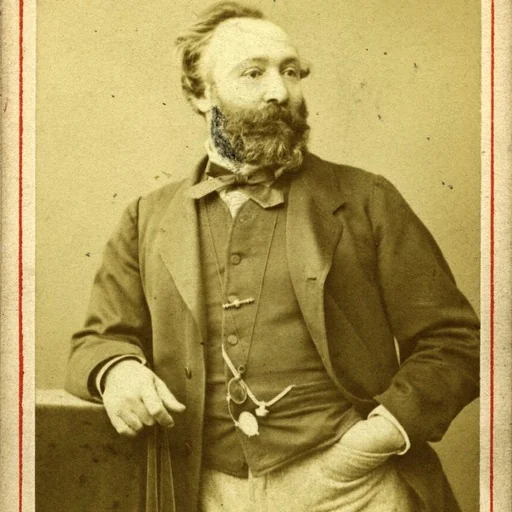
Émile van Marcke, born Charles Émile van Marcke de Lummen (15 August 1827 in Sèvres – 24 December 1890 in Hyeres), was a French cattle painter.

Museum
National Museum of Fine Arts, Argentina
Continue through works from the same source collection.