Artwork
Still Life
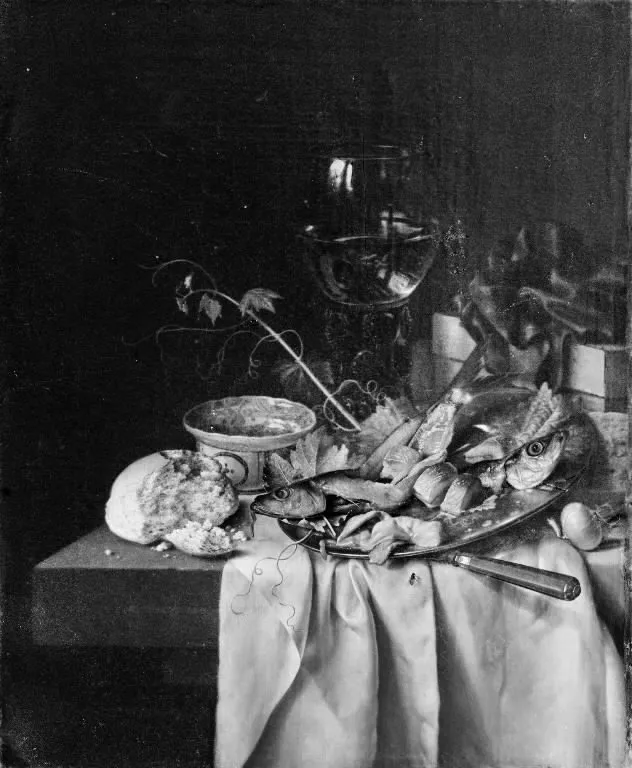
Still Life is an oil painting by the Dutch Golden Age artist A. Hase. It dates from 1669 and is held in the collection of the Statens Museum for Kunst. A.
About this work
Overview
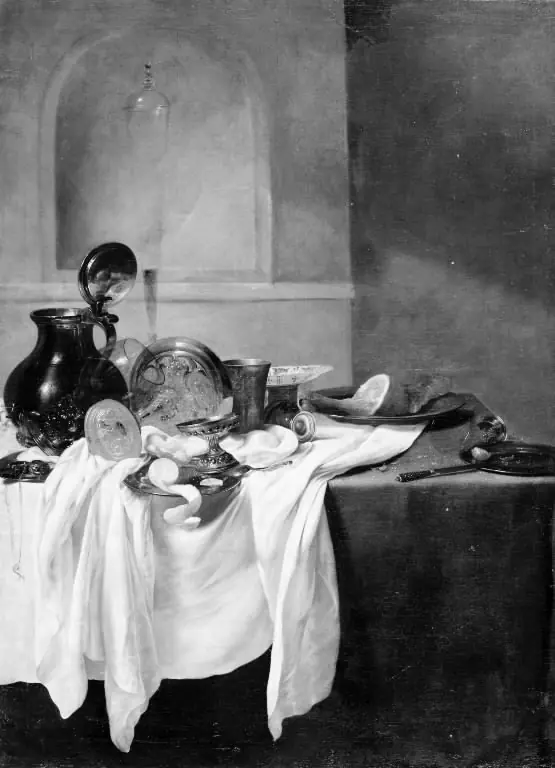
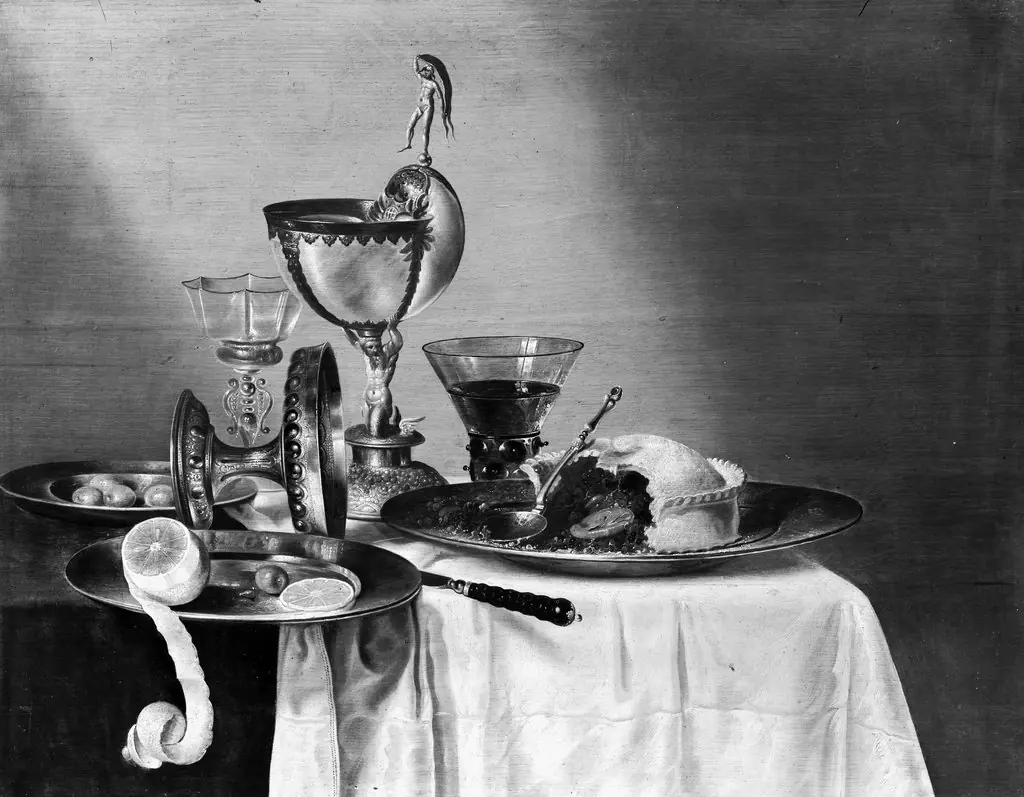
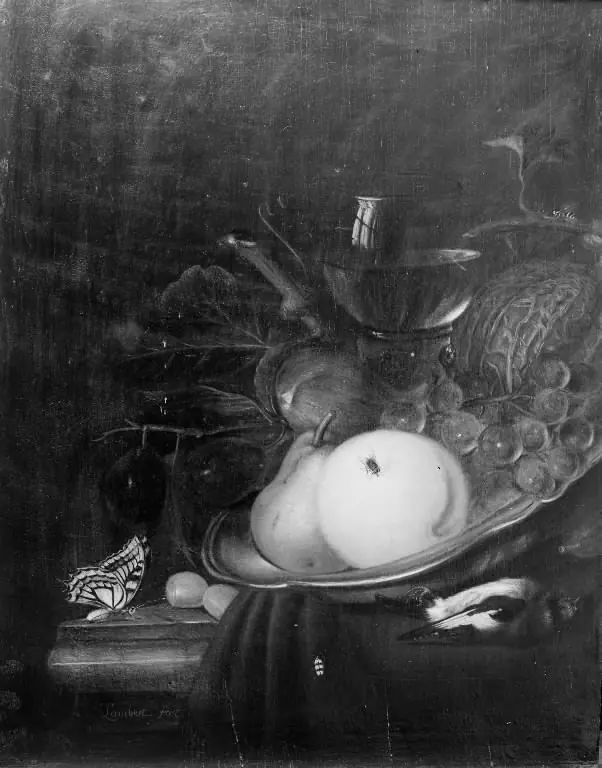
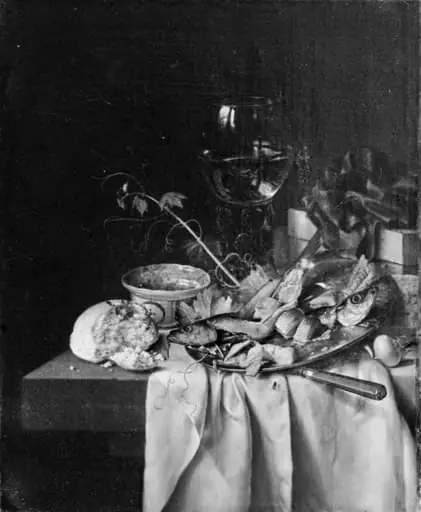
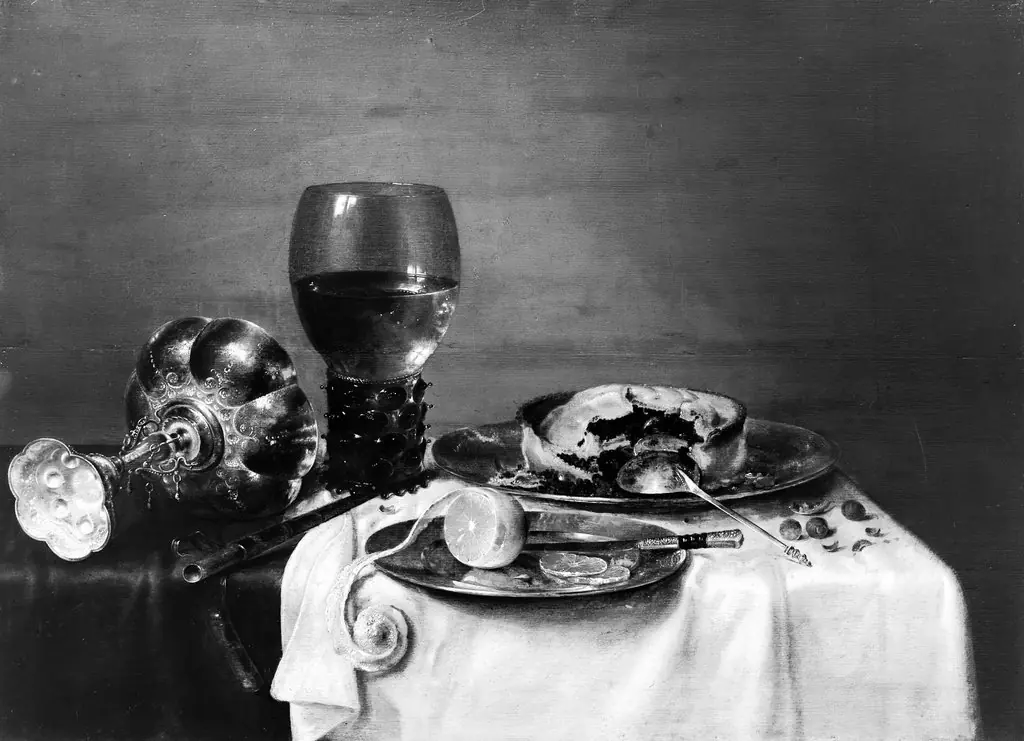
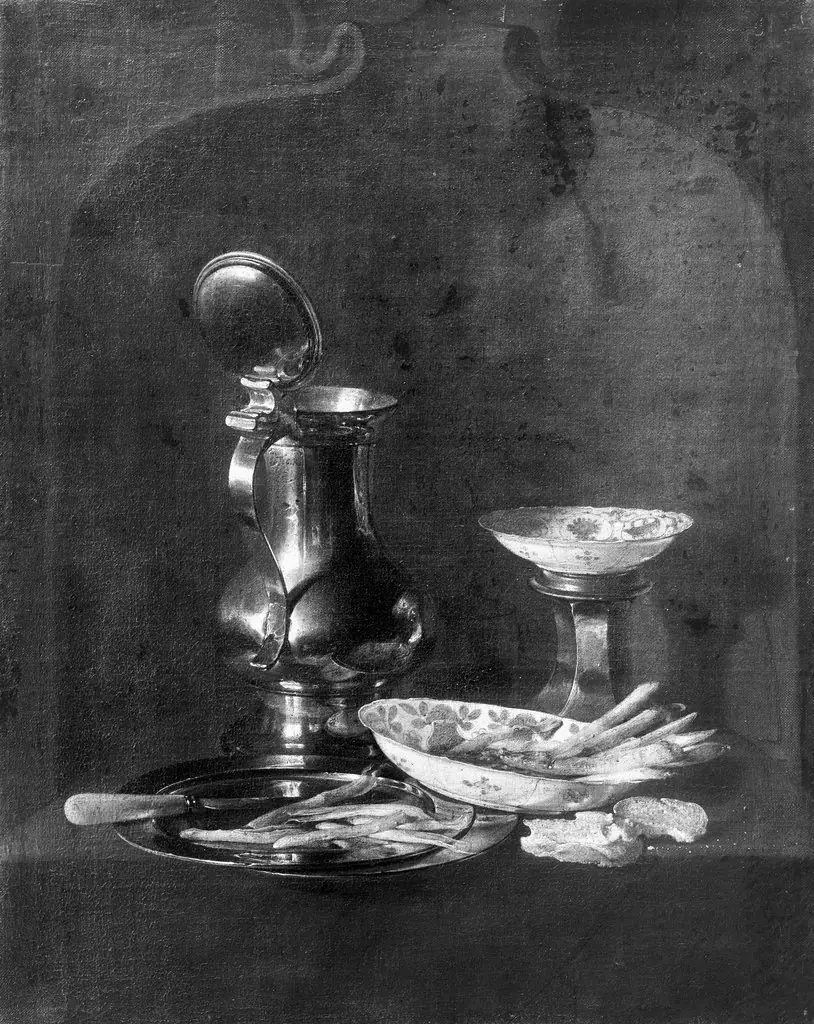
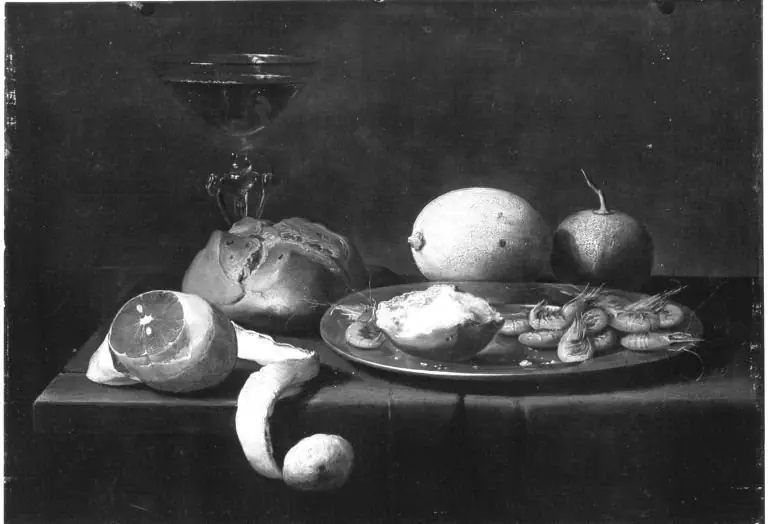
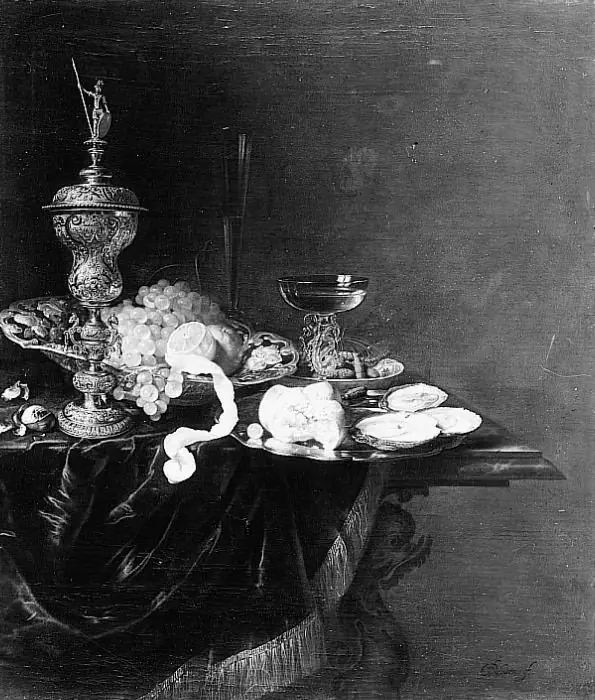
A. Hase’s oil painting titled Still Life, executed in 1669, presents a meticulously arranged banquet scene. The composition is anchored by a white‑covered table bearing a large plate laden with fish, shellfish, and bread, accompanied by a steaming bowl of soup, a half‑filled wineglass, and a modest cluster of grapes. The work is part of the collection of Denmark’s Statens Museum for Kunst.
Subject & Meaning
The tableau juxtaposes abundant provisions with a sense of transience, inviting contemplation of nourishment and mortality. The fish, rendered with eyes that seem to gaze outward, evoke a fleeting vitality, while the still‑life elements—bread, wine, and fruit—symbolize sustenance and the fleeting pleasures of the banquet.
Technique & Style
Hase employs a pronounced chiaroscuro scheme, casting the objects against a deep, shadowy backdrop that heightens contrast and gives the items a luminous quality. The careful modeling of light on the surfaces, especially the glossy sheen of the fish and the reflective wineglass, underscores the painter’s skill in rendering texture and volume.
History & Provenance
Created in the late seventeenth century, the painting has remained within the public domain, eventually entering the holdings of the Statens Museum for Kunst. Its provenance reflects a typical trajectory for Dutch‑influenced still‑life works, moving from private collections to institutional stewardship where it is displayed for scholarly and public appreciation.
Artist & collection