Artwork
Still life
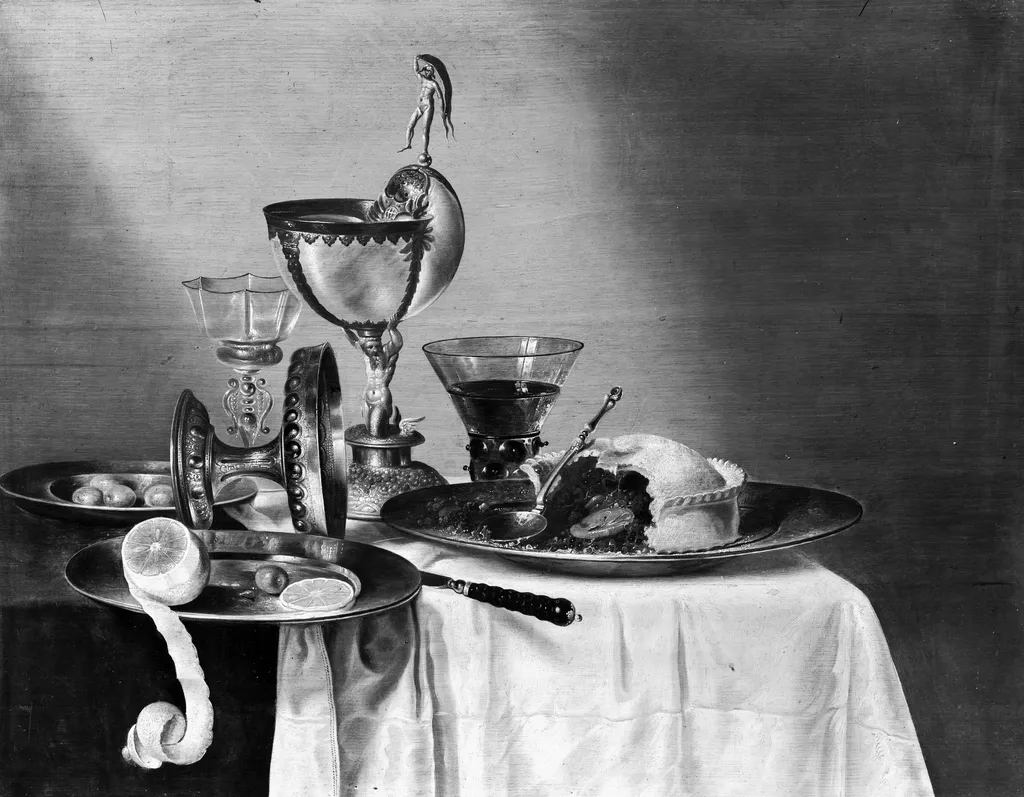
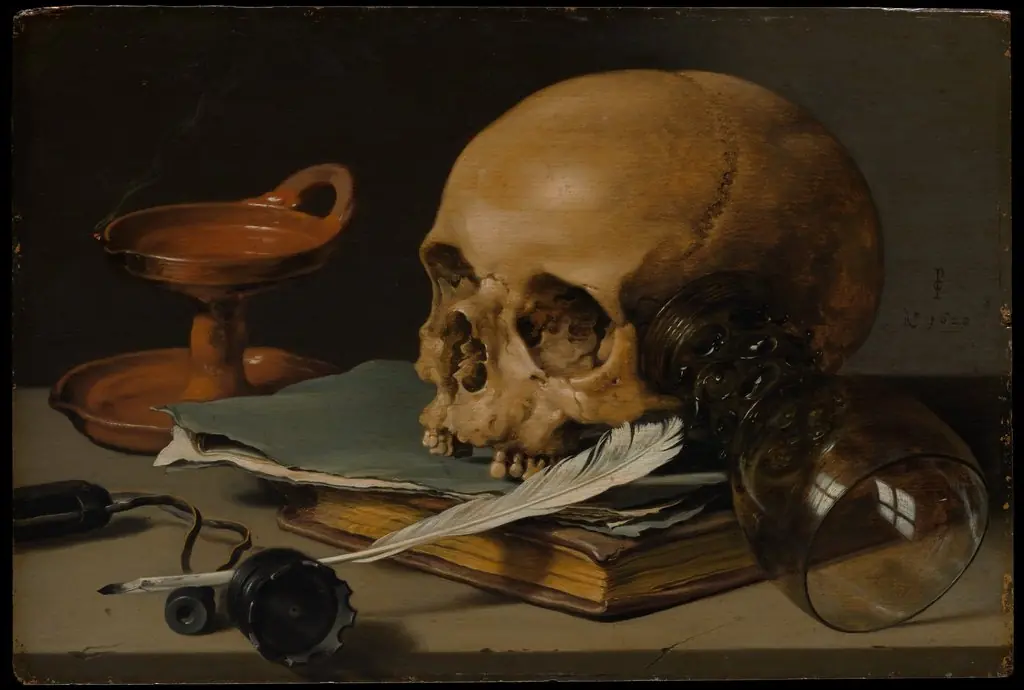
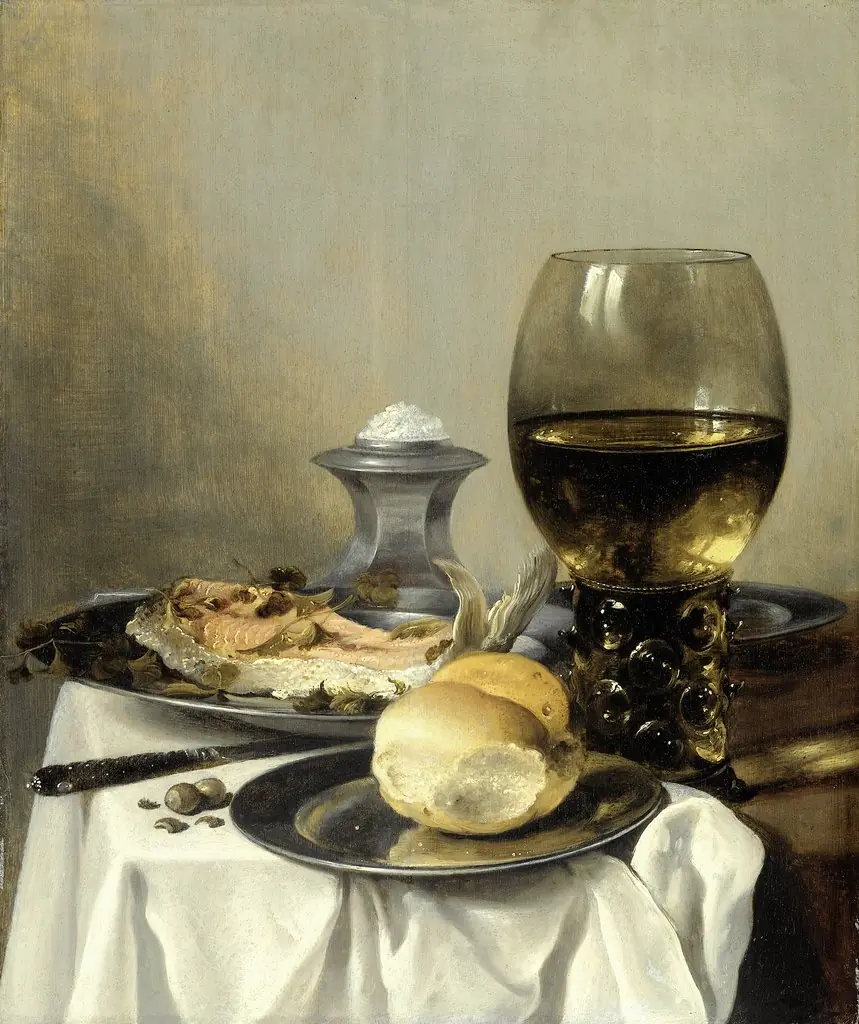
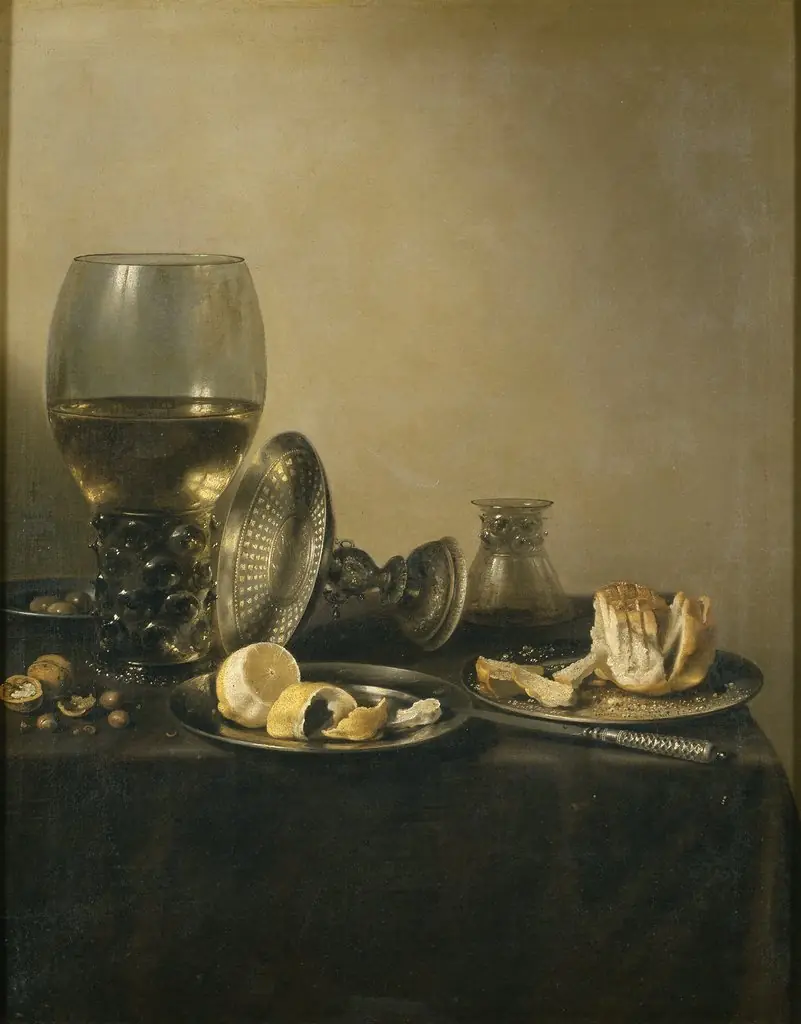
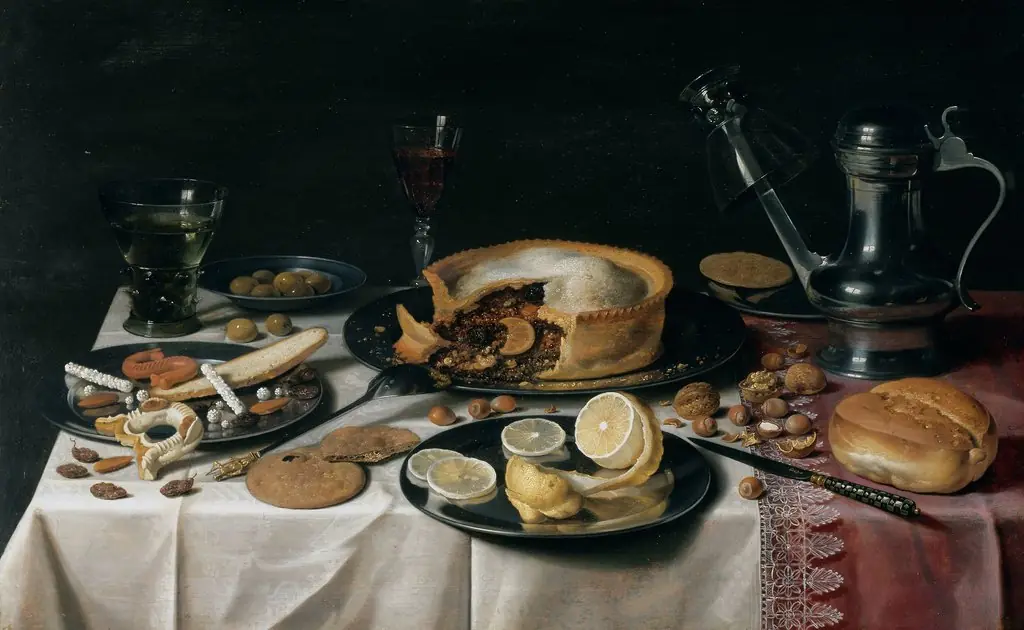
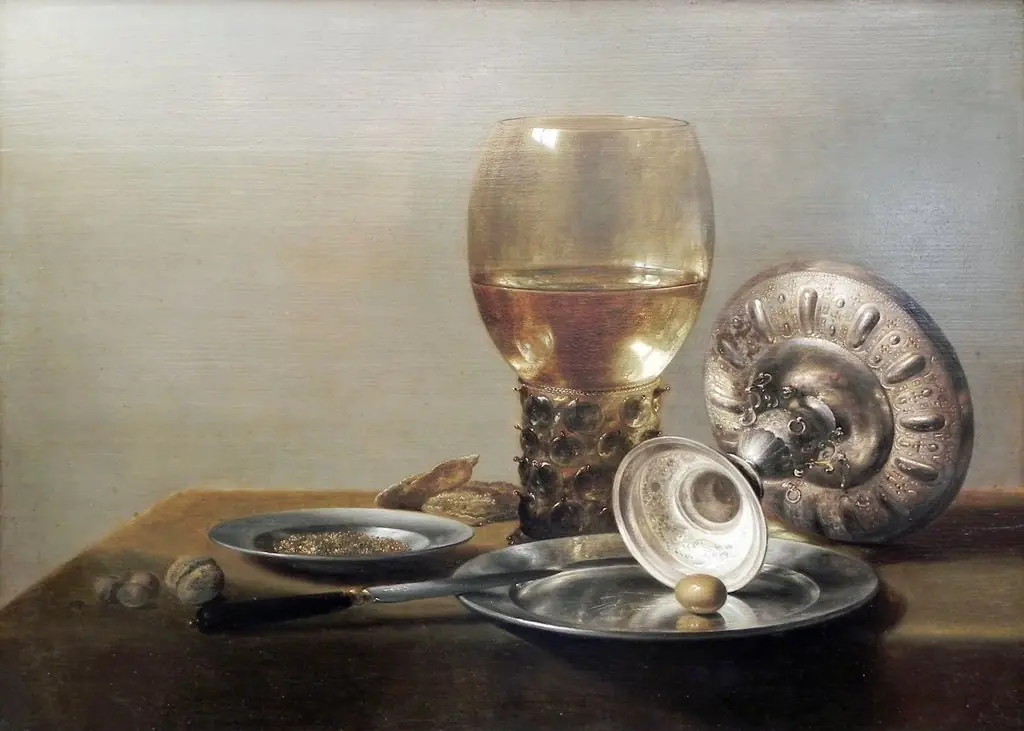
Still life is a paint painting by the Dutch Golden Age artist Pieter Claesz. It dates from 1640 and is held in the collection of the Gemäldegalerie Berlin.
About this work
Overview
Pieter Claesz’s 1640 oil painting titled *Still Life* presents a modest banquet scene rendered on canvas. The composition centers on a table draped with a plain white cloth, upon which a goblet, a plate bearing a pastry, and a knife are arranged. A small figurine rests atop the goblet, while the backdrop consists of an unadorned wall, emphasizing the objects themselves.
Subject & Meaning
The work exemplifies the Dutch still‑life tradition of highlighting everyday objects with quiet dignity. By focusing on ordinary items—a drinking vessel, a piece of baked good, a cutting instrument—the painting invites contemplation of material culture and the fleeting nature of consumption, a common moral undercurrent in 17th‑century genre scenes.
Technique & Style
Claesz employs a restrained palette and meticulous brushwork to achieve a convincing sense of texture. Light falls softly across the surfaces, producing subtle highlights on the goblet’s glass and the glossy pastry, while shadows anchor the objects to the cloth. The overall effect is a calm realism that balances detail with compositional simplicity.
History & Provenance
Created in 1640, the painting entered the collection of the Gemäldegalerie in Berlin, where it remains on display. Its acquisition history reflects the museum’s focus on Dutch Golden Age works, and the piece has been documented in the gallery’s catalogues since the early 20th century.
Context
During the early 1640s, Dutch artists like Claesz were refining the still‑life genre, moving away from overt symbolism toward a more subdued, observational approach. The painting’s plain setting and lack of elaborate allegorical elements illustrate this shift, aligning it with contemporary trends that valued precision and the quiet observation of daily life.
Artist & collection
Artist
Pieter Claesz was born in 1596 or 1597 in Berchem, near Antwerp, and moved to Haarlem in the Dutch Republic around 1620.

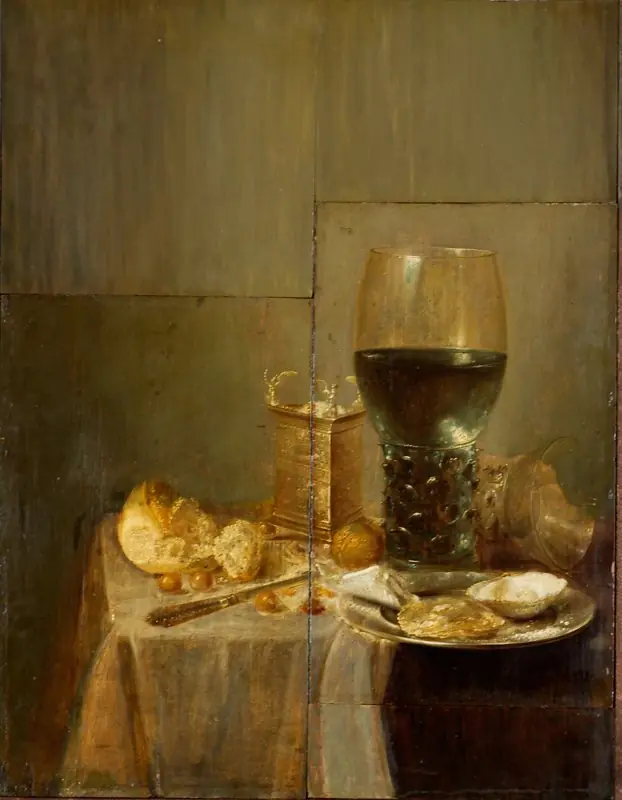
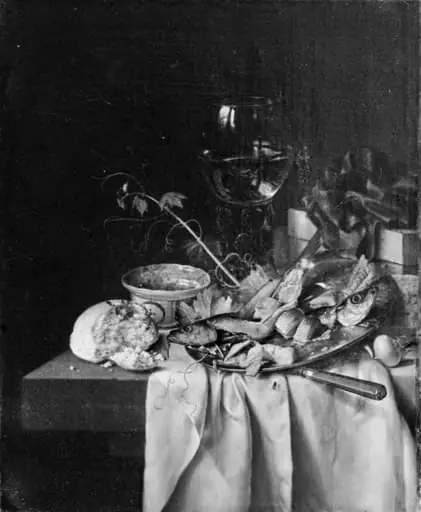 Still Life
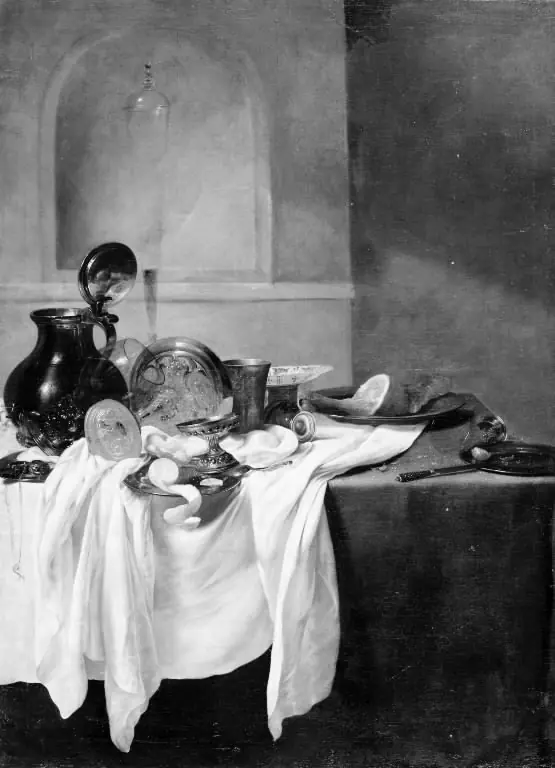 Still Life
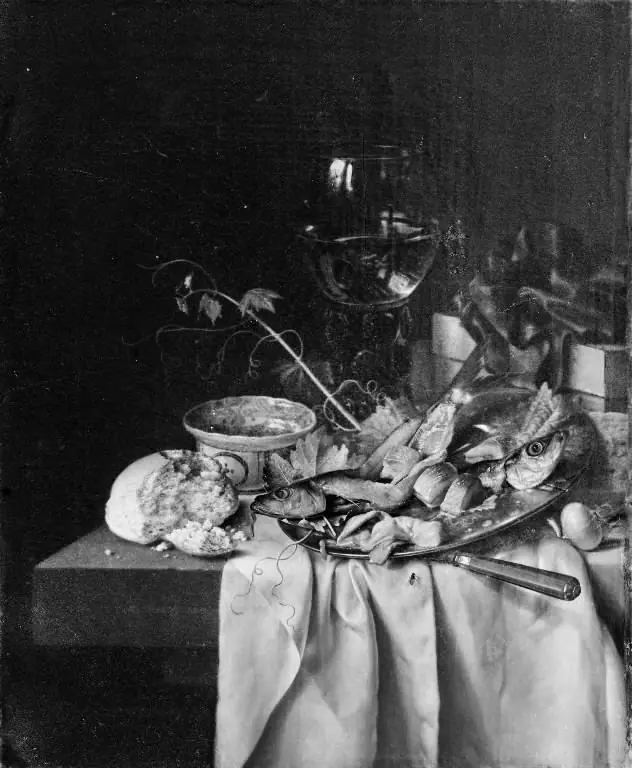 Still Life
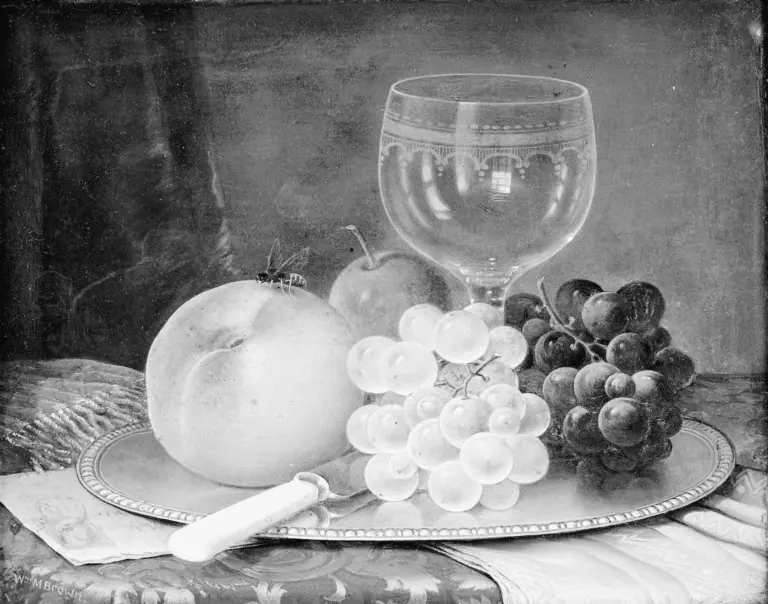 Still Life
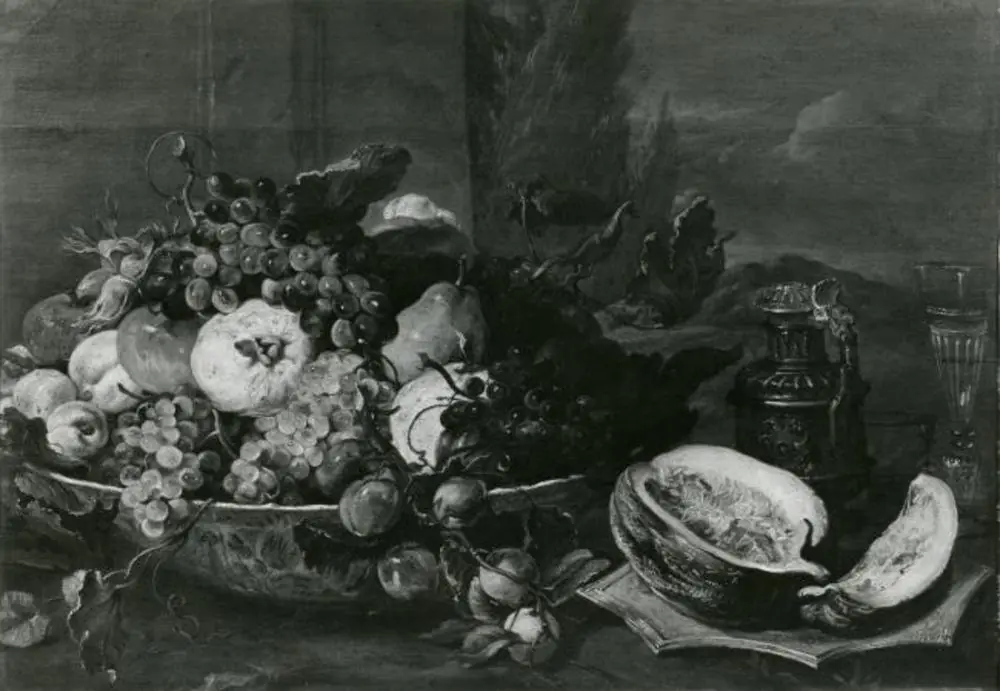 Still Life
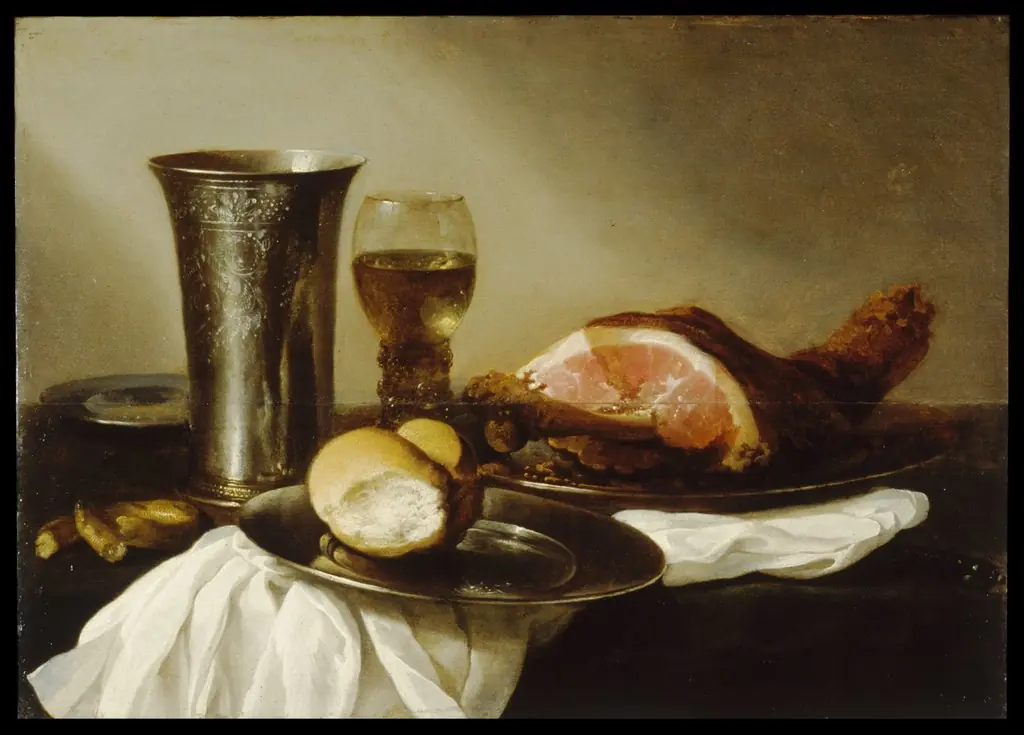 Breakfast Piece
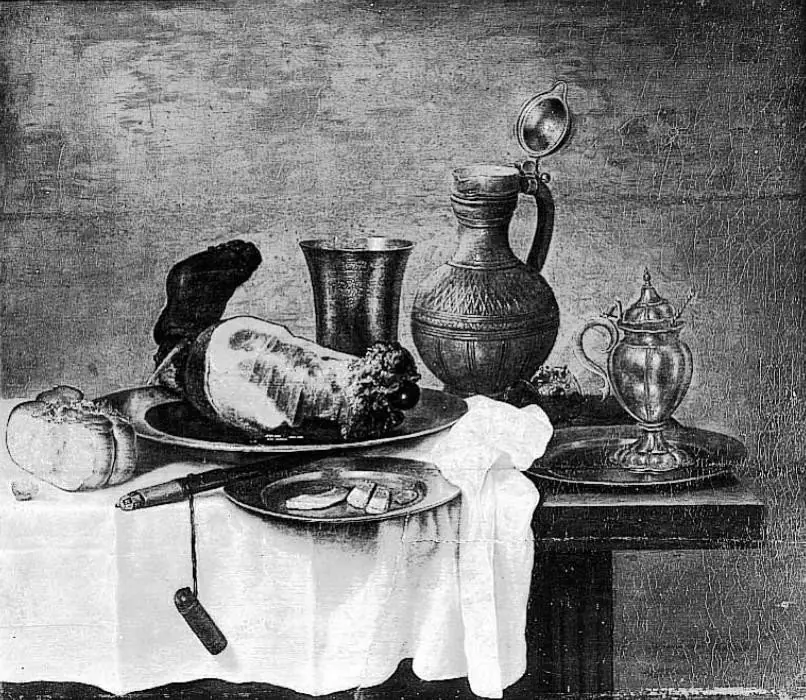 Still life with ham and utensils
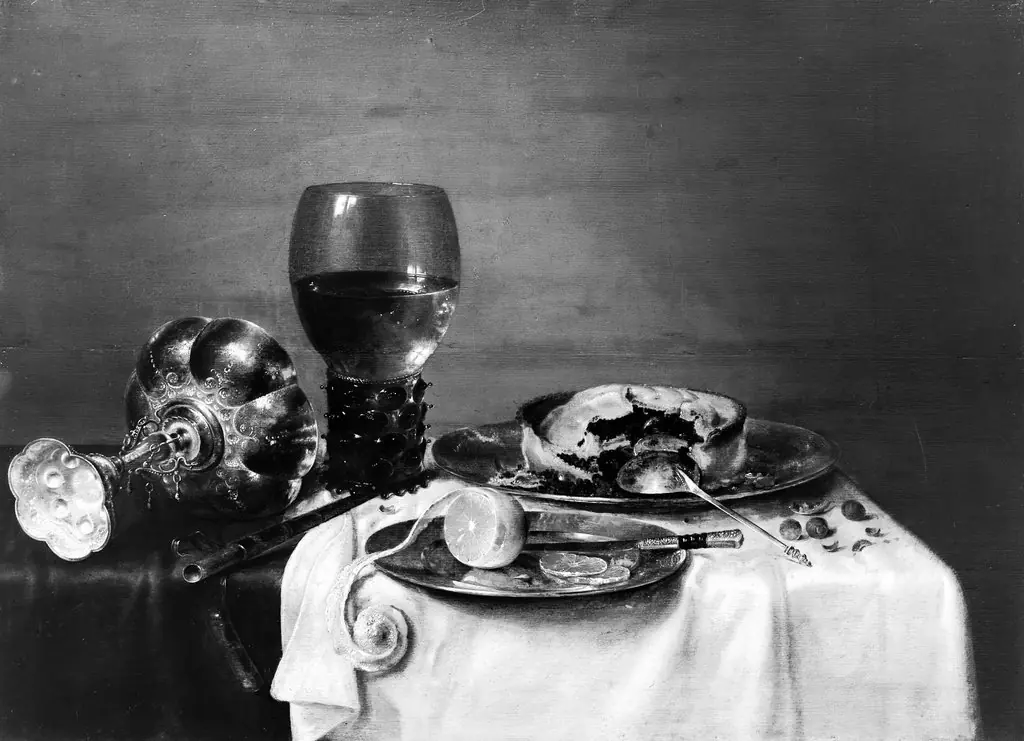 Stilleben mit Römer
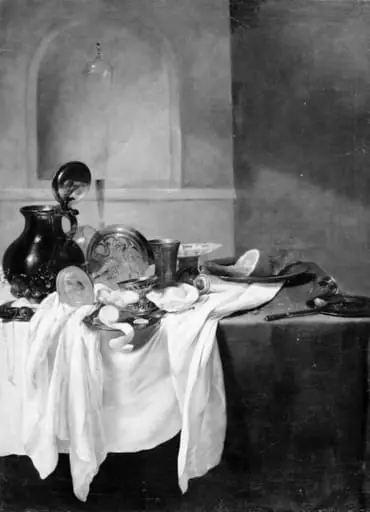 Still Life
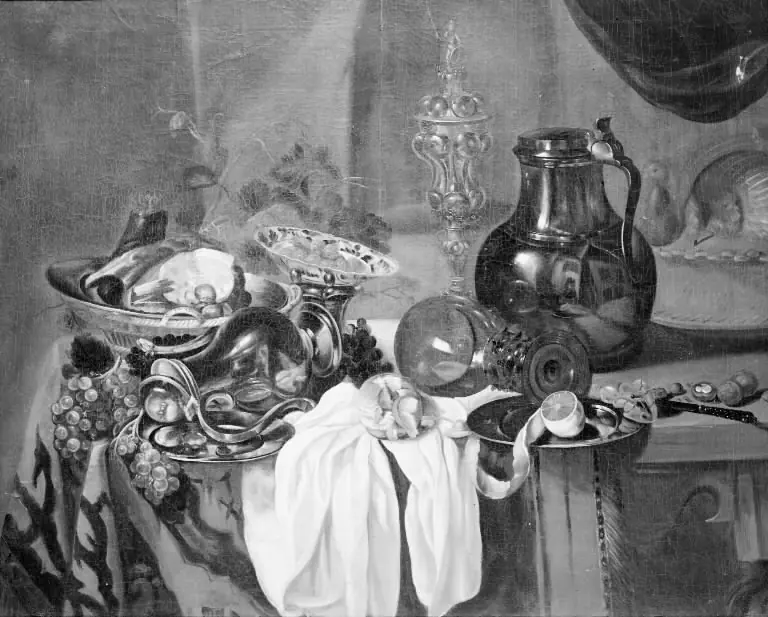 A Jug, Fruit, Food and other Things on a Table
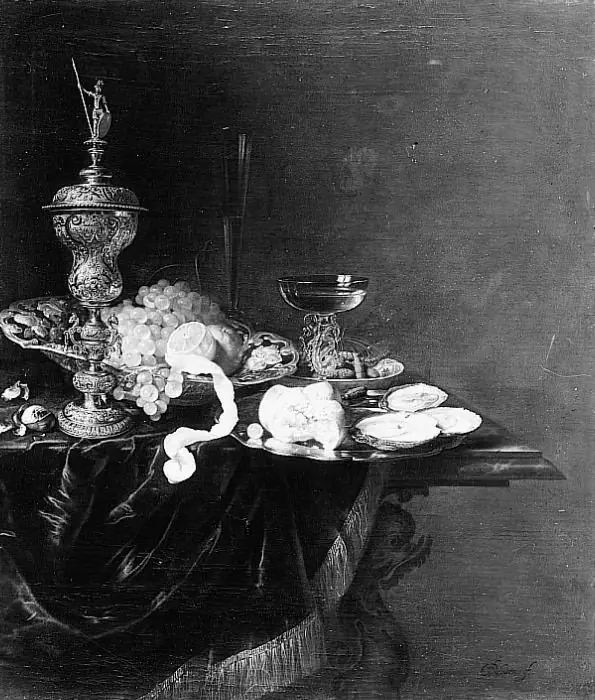 Still life with Akelei covered beaker dish of grapes, lemon and wine glasses
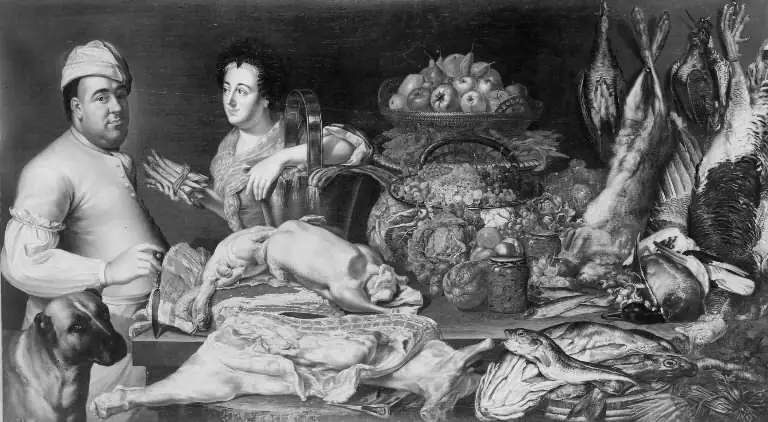 A Cook and a Kitchen Maid with the Provisions of the Kitchen