Artwork
Landscape
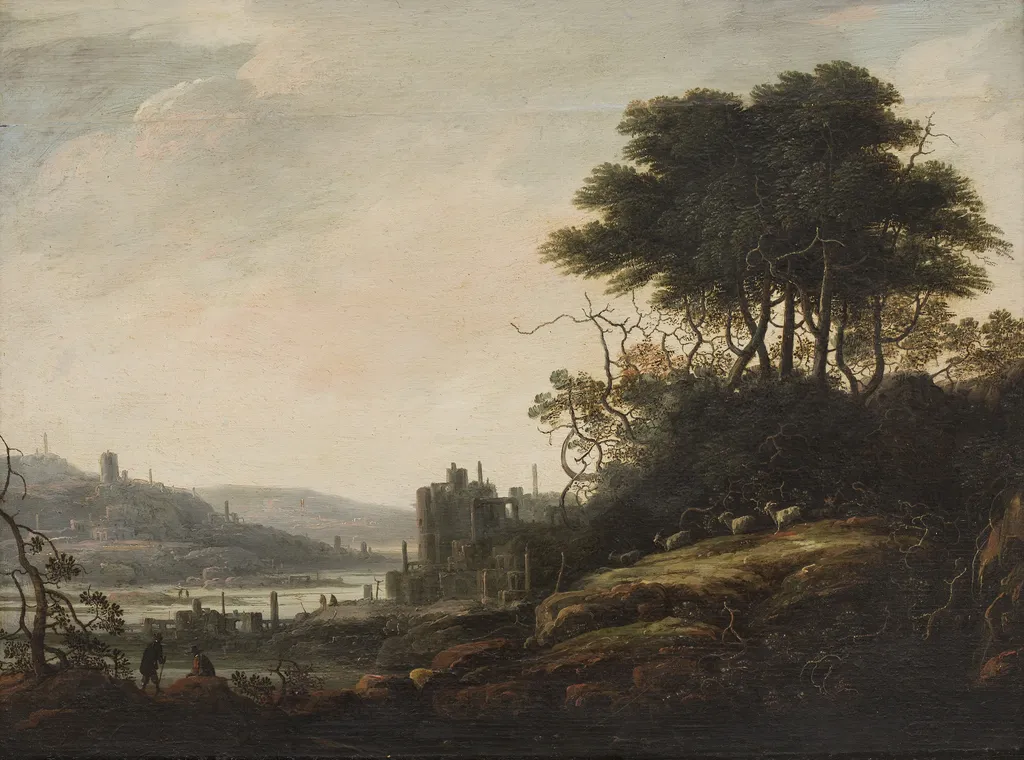
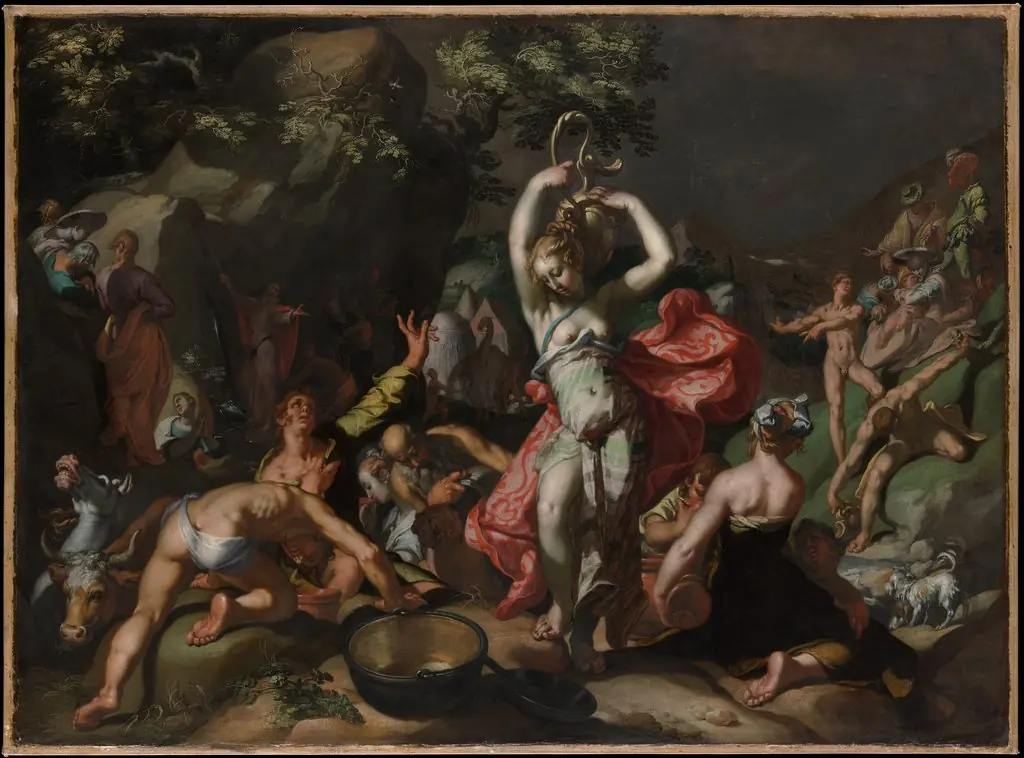
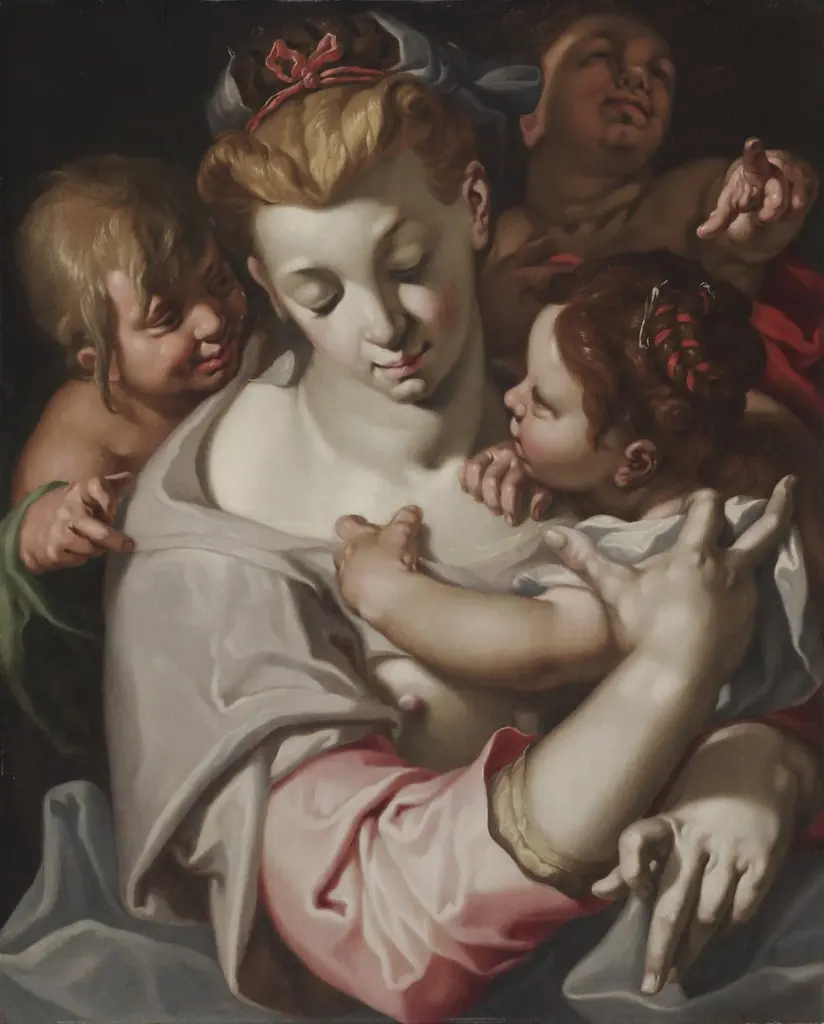
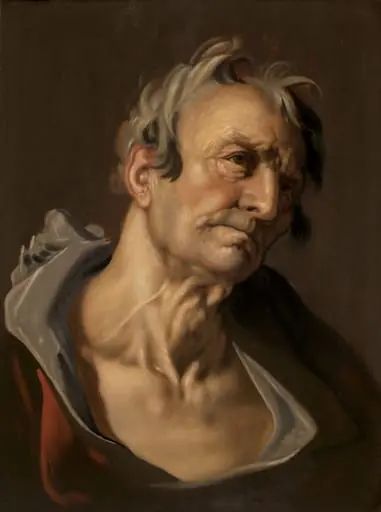
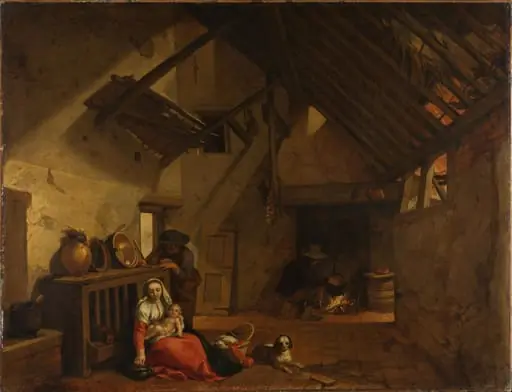
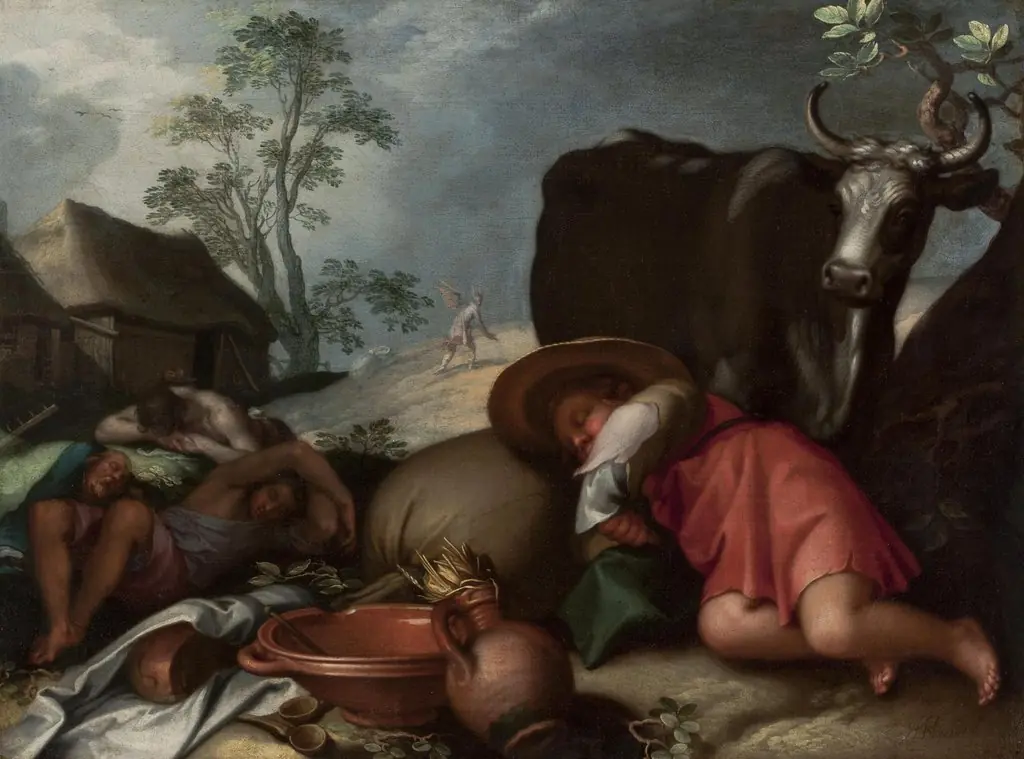
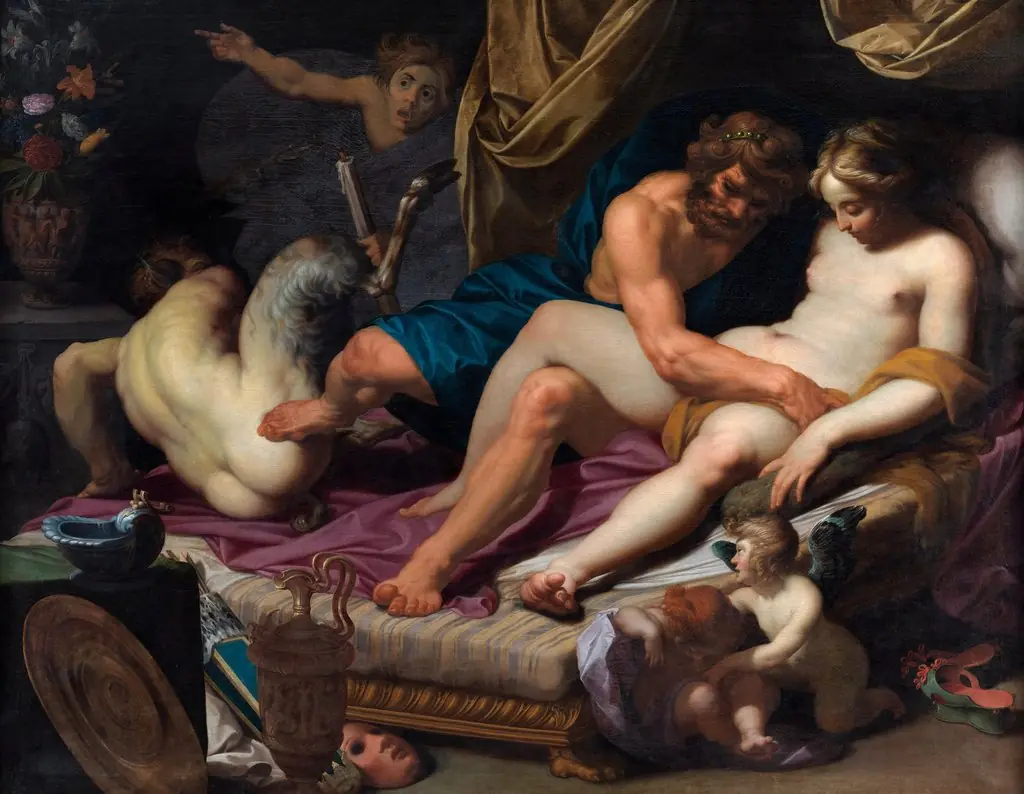
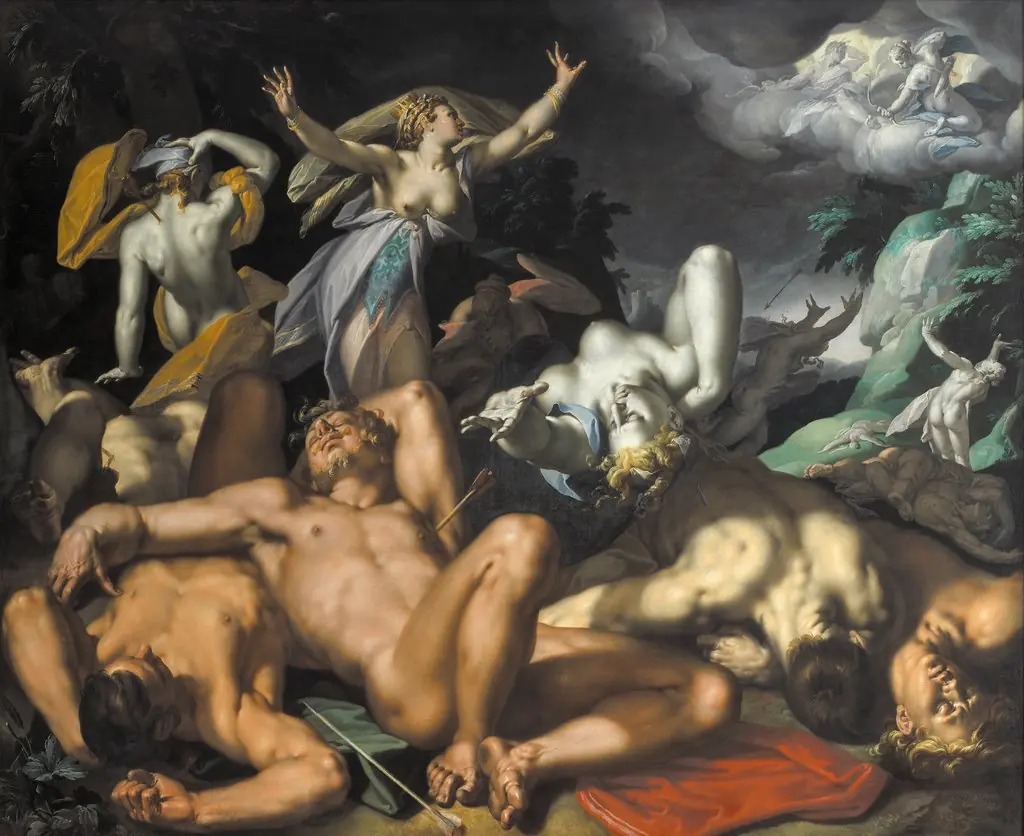
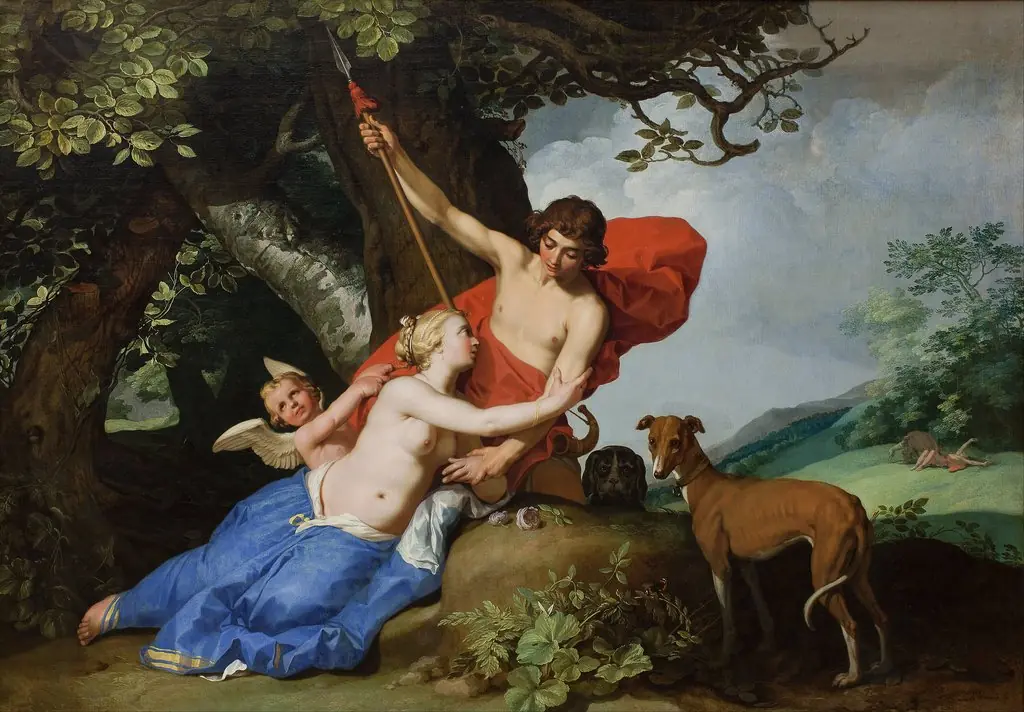
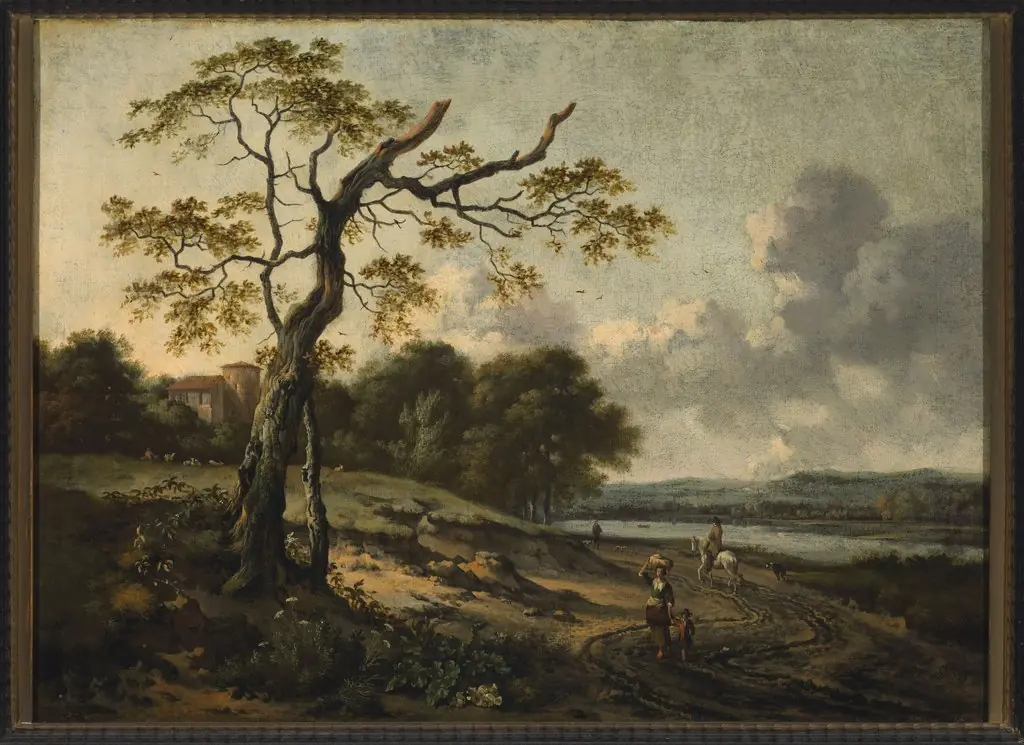
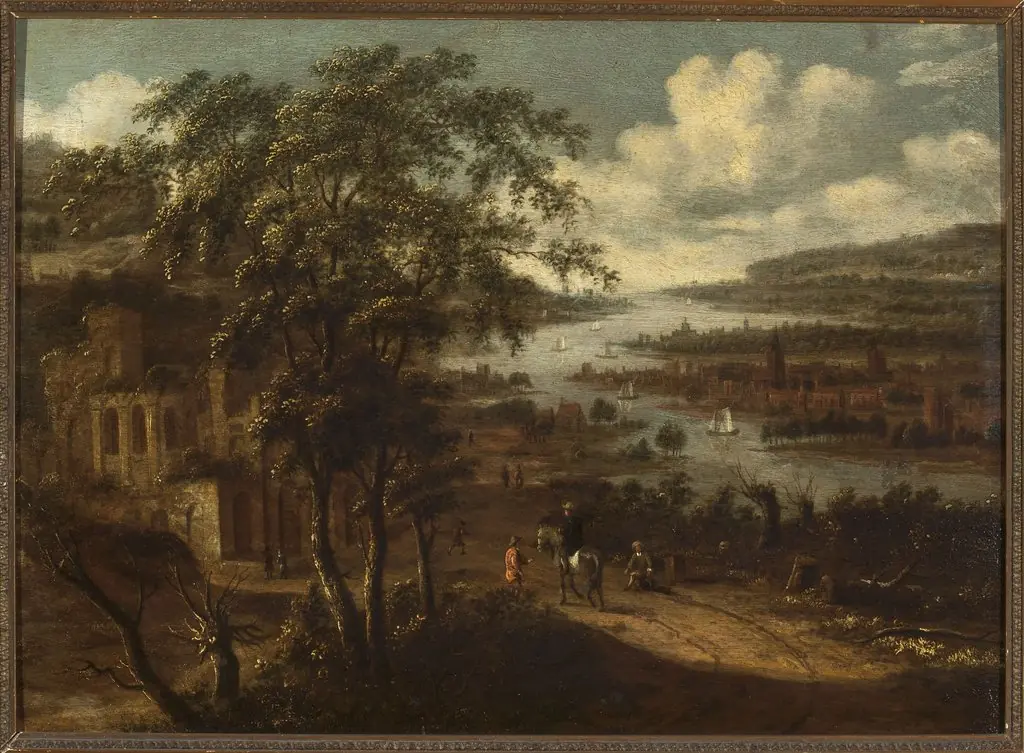
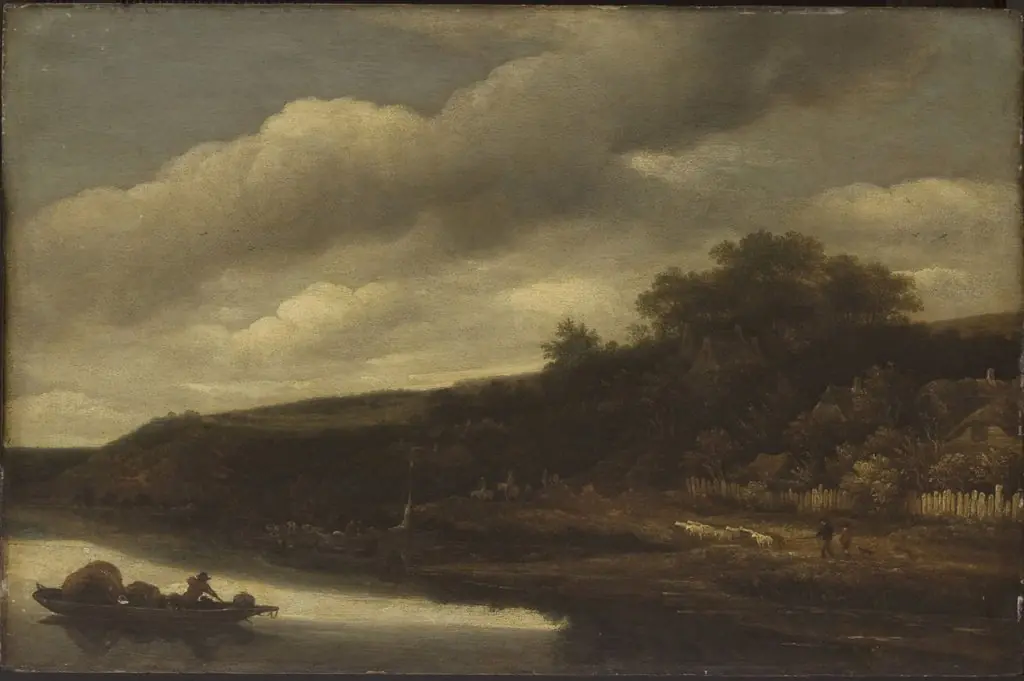
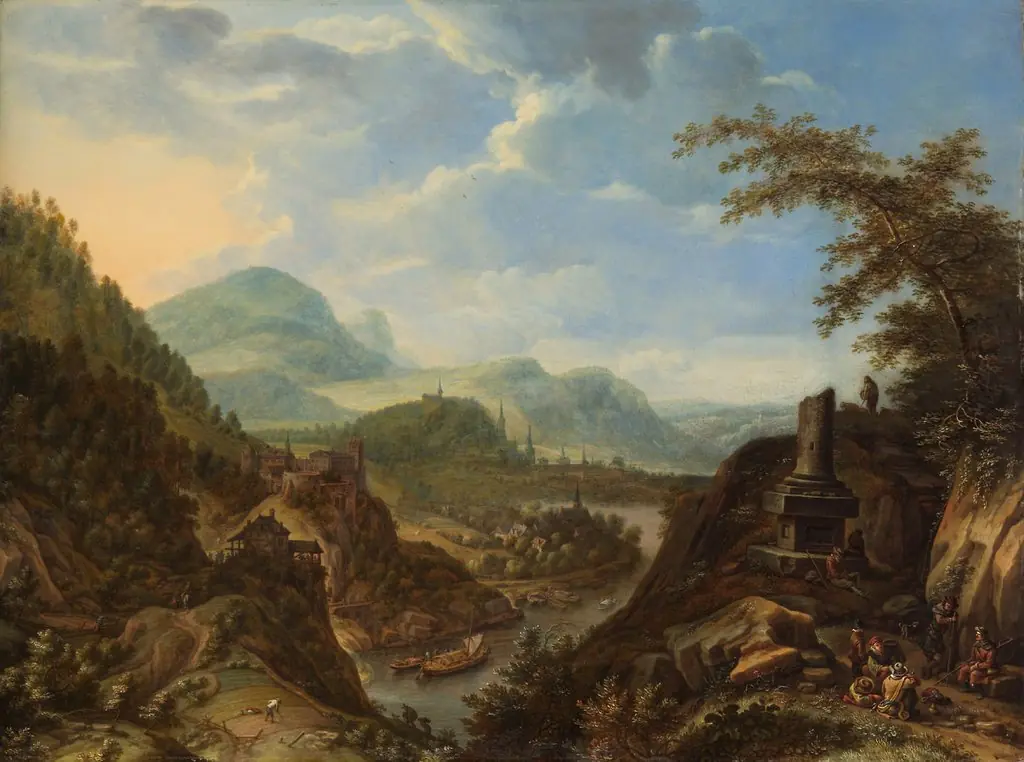
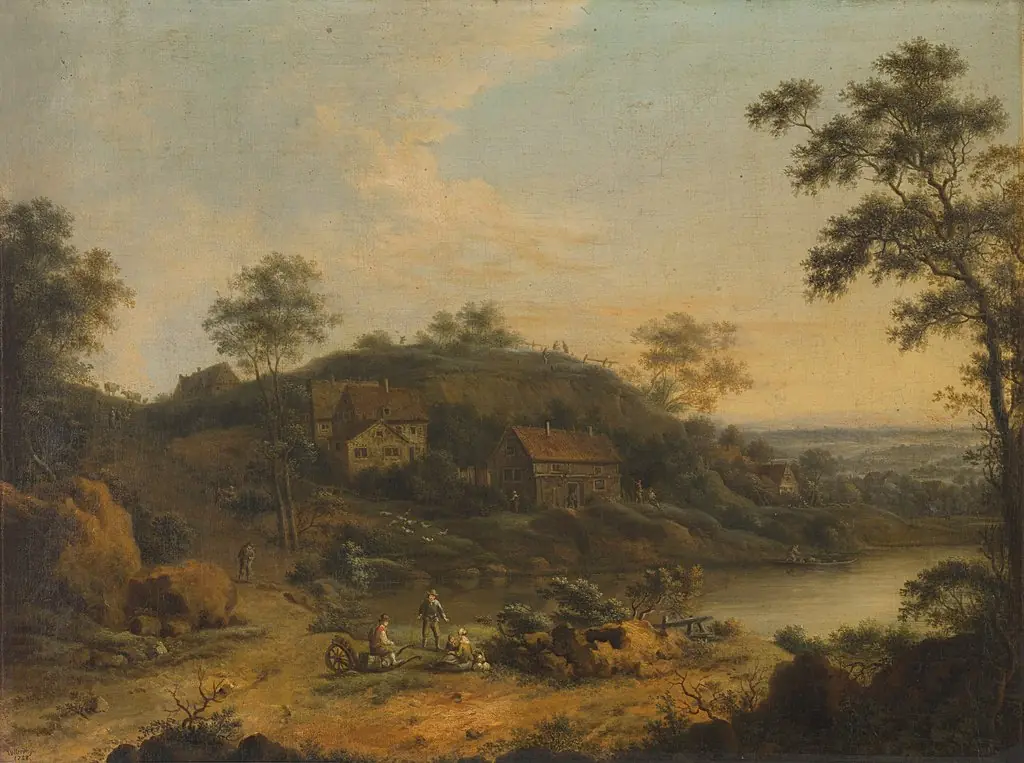
Landscape is an unspecified painting by the Dutch Golden Age artist Abraham Bloemaert. It dates from 1616 and is held in the collection of the Statens Museum for Kunst.
About this work
Overview
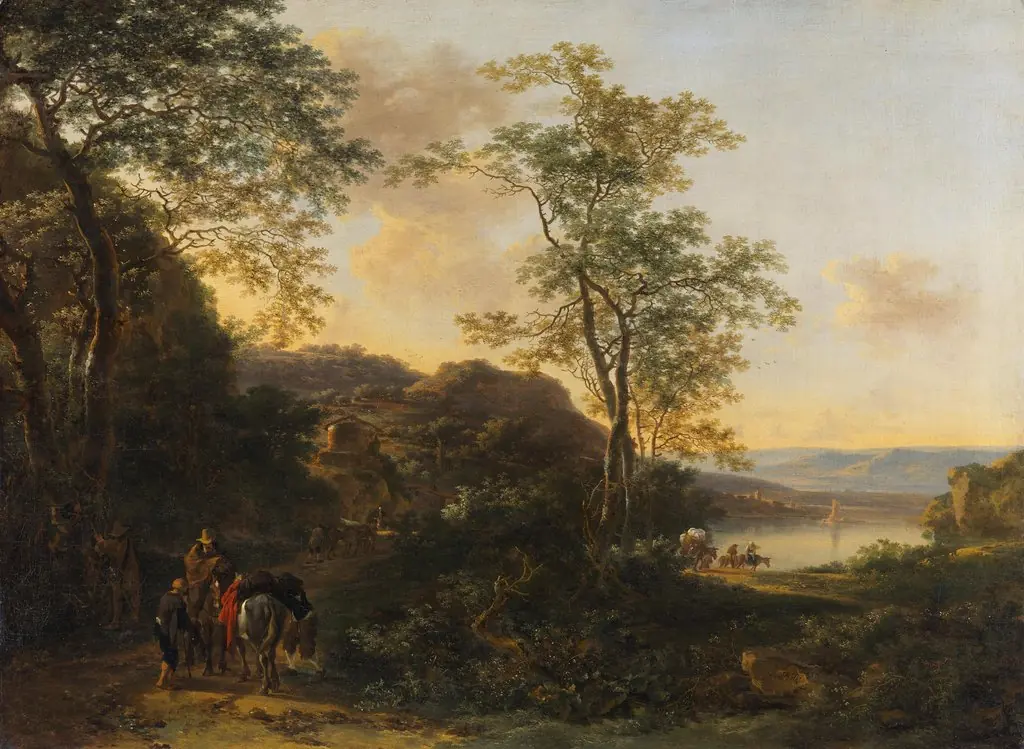
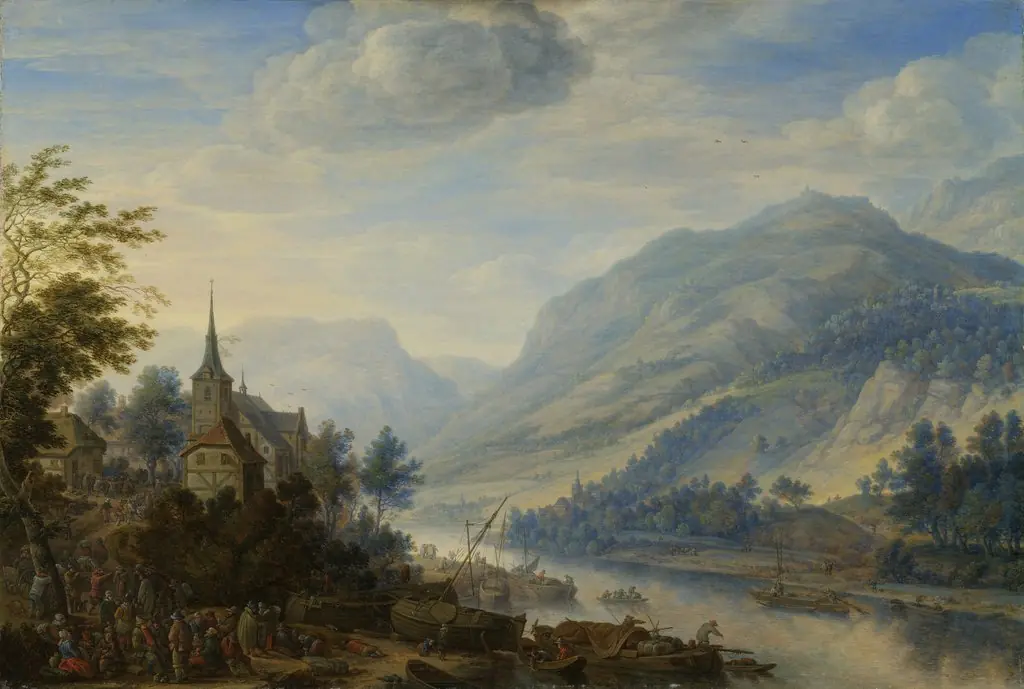
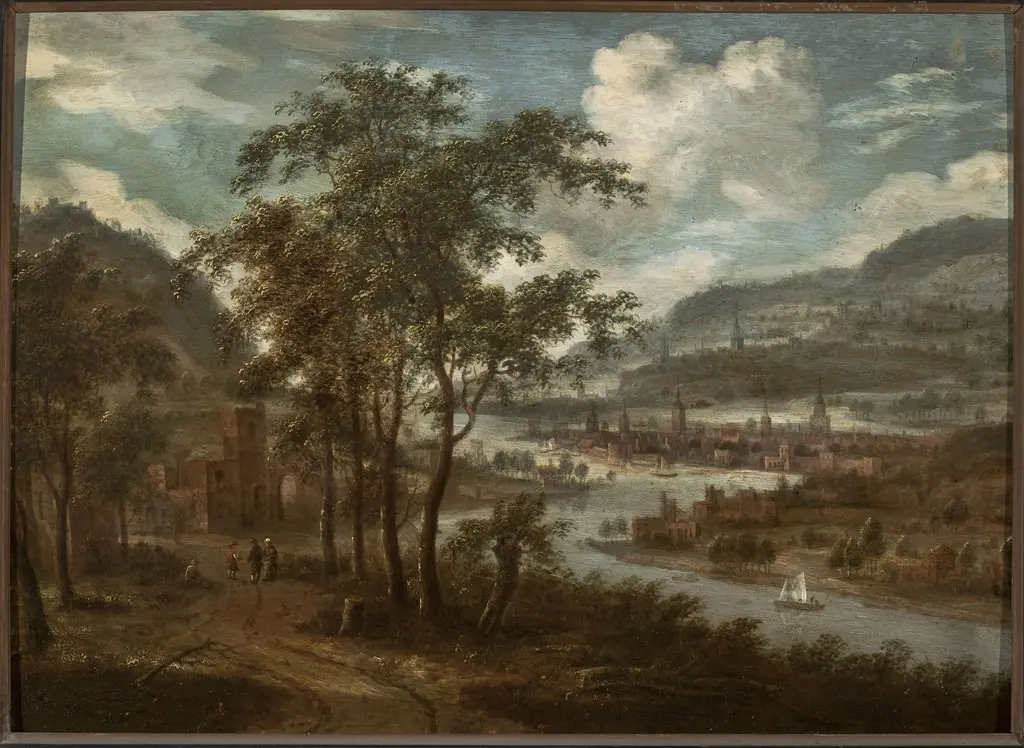
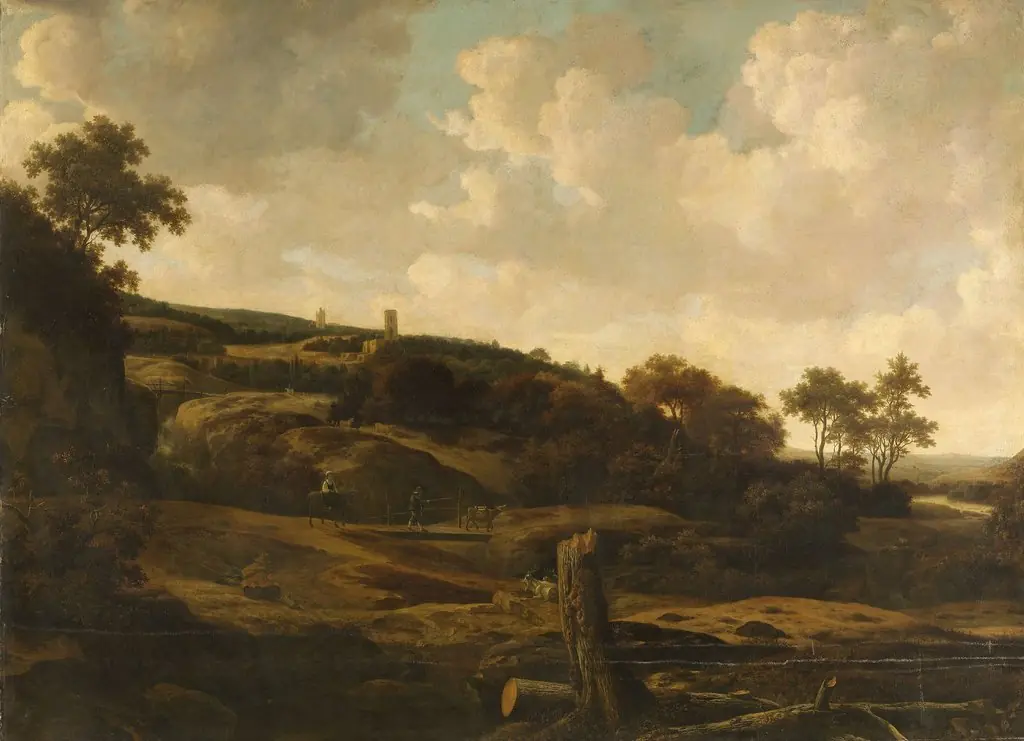
Abraham Bloemaert’s 1616 canvas titled *Landscape* presents a tranquil riverbank scene typical of early‑17th‑century Dutch painting. The composition balances natural elements—a winding waterway, a solitary tree on a slope, and distant hills—with human traces, such as a lone wanderer and grazing sheep, set against weathered stone ruins that suggest a passage of time.
Subject & Meaning
The work juxtaposes the serenity of pastoral life with the remnants of antiquity, inviting contemplation of nature’s continuity amid human decay. The solitary figure and the modest herd emphasize everyday activity, while the crumbling architecture hints at historical layers, reflecting a common Dutch interest in the relationship between landscape and memory.
Technique & Style
Bloemaert employs a gentle chiaroscuro, allowing soft illumination to wash over the scene and merge shadows into the surrounding hills. The palette is muted, with earthy tones that reinforce the quiet atmosphere. Brushwork remains delicate, especially in the rendering of foliage and water, revealing the artist’s transition from Mannerist influences toward a more Baroque sensibility.
History & Provenance
Created during the Dutch Golden Age, the painting marks a period when Bloemaert, primarily known for history subjects, explored landscape genre. Though details of its ownership are scarce, the piece reflects Bloemaert’s broader role as a teacher in Utrecht, where he guided many artists linked to the Caravaggisti, thereby influencing subsequent Dutch landscape traditions.
Own this work as a print
Artist & collection

Artist
Abraham Bloemaert (25 December 1566 – 27 January 1651) was a Dutch painter and printmaker who used etching and engraving.