Artwork
Still Life of Fruit and Flowers
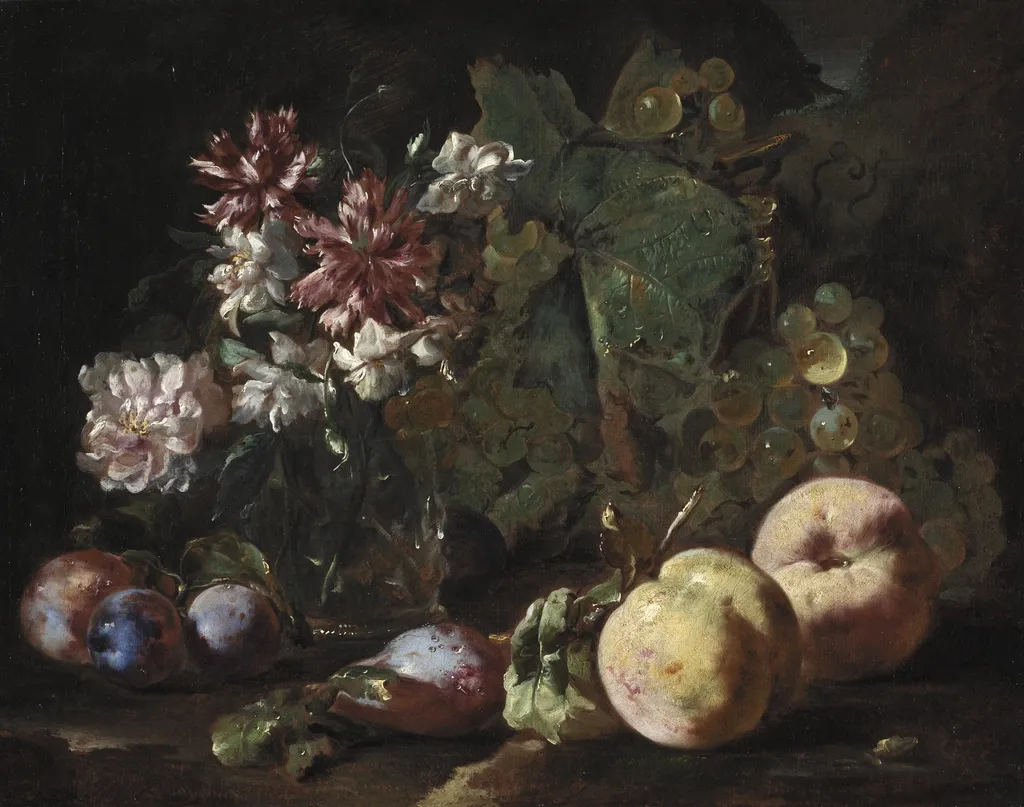
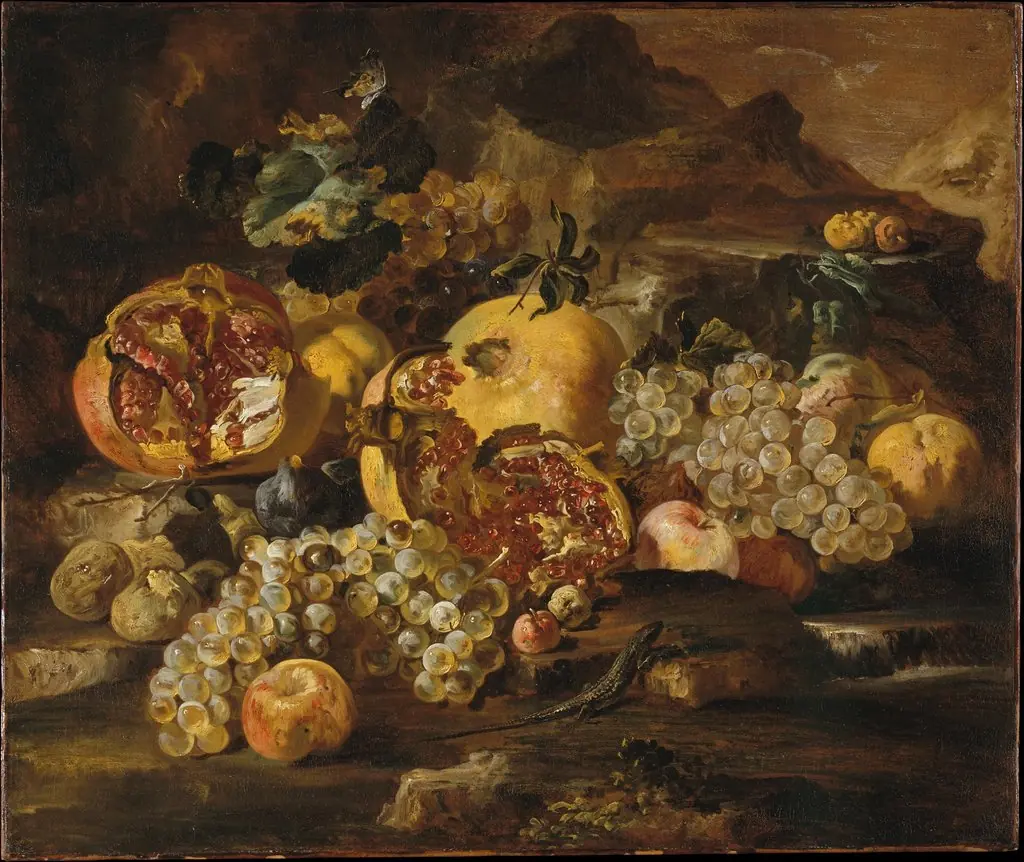
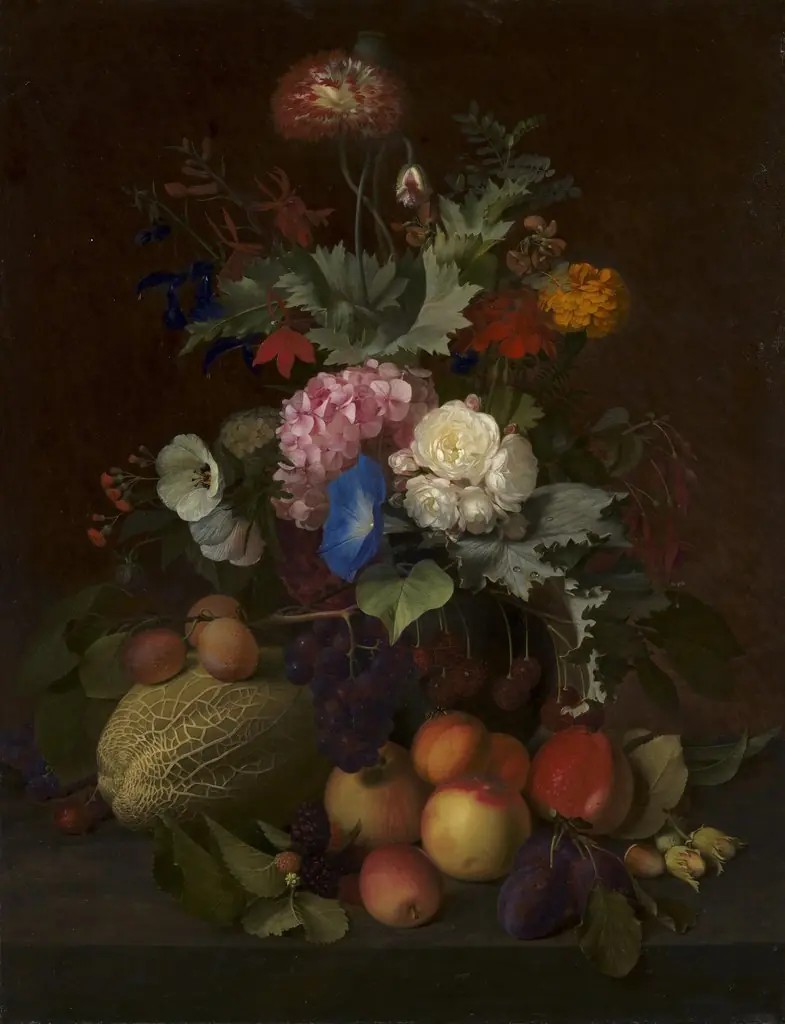
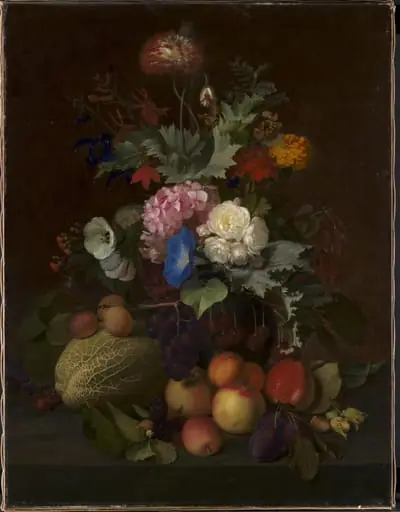
Still Life of Fruit and Flowers is an oil painting by the Flemish Baroque painting artist Abraham Brueghel. It dates from 1670 and is held in the collection of the Detroit Institute of Arts. Created in 1670, this oil painting presents a carefully arranged still life of fruit and blossoms.
About this work
Overview
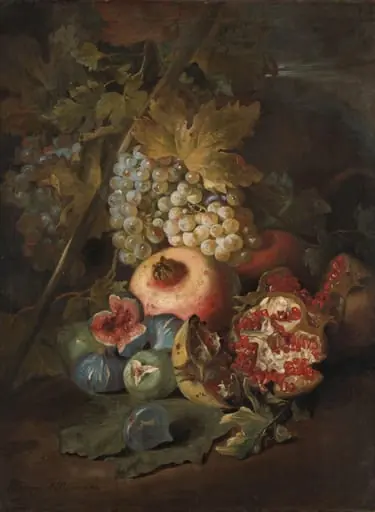
Created in 1670, this oil painting presents a carefully arranged still life of fruit and blossoms. The composition centers on a cluster of apples, grapes and plums, set before a vase filled with pink and white flowers, their green foliage providing a subtle backdrop. The work exemplifies the restrained palette and gentle illumination typical of late seventeenth‑century Flemish Baroque.
Subject & Meaning
The painting juxtaposes ripe fruit with delicate blooms, a common motif that underscores the transience of nature and the fleeting pleasures of the senses. By pairing abundant produce with ornamental flowers, the artist invites contemplation of abundance, seasonal cycles, and the delicate balance between growth and decay.
Technique & Style
Executed in oil on canvas, the work displays a realistic handling of texture and form. Muted browns, greens and pinks dominate, while soft lighting avoids stark contrasts, allowing subtle gradations of tone to model the surfaces. The brushwork renders the sheen of fruit skins and the velvety petals with meticulous detail, reflecting the Baroque emphasis on tactile illusion.
History & Provenance
Abraham Brueghel, a member of the renowned Brueghel family, painted the piece after relocating to Italy, where he absorbed local decorative trends. The artwork now forms part of the Detroit Institute of Arts’ collection, where it remains accessible to the public as an example of Flemish Baroque still‑life painting.
Own this work as a print
Artist & collection
Artist
Abraham Brueghel (baptised 28 November 1631 – c. 1690) was a Flemish painter from the famous Brueghel family of artists. He emigrated at a young age to Italy where he played an important role in the development of the…