Artwork
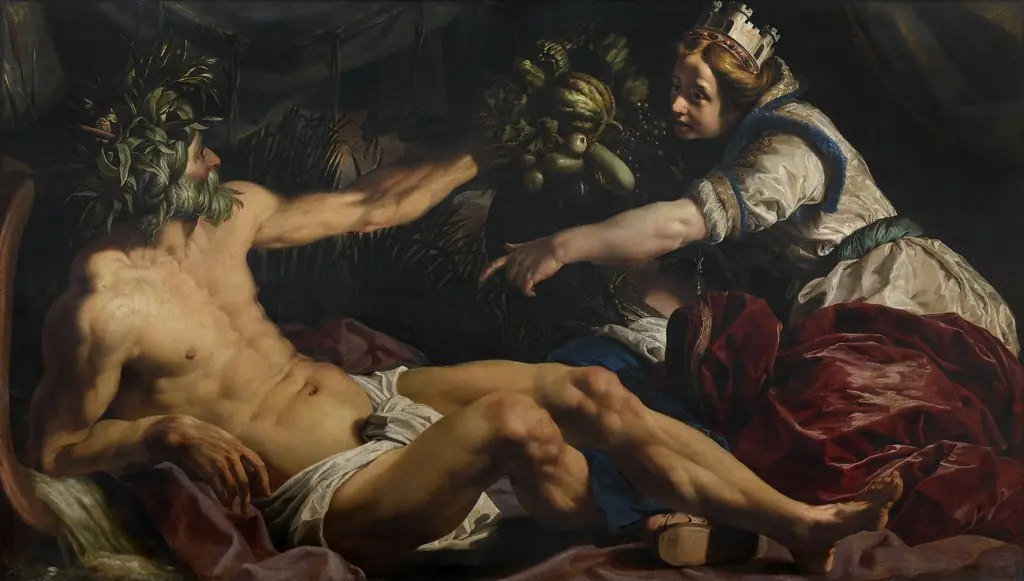
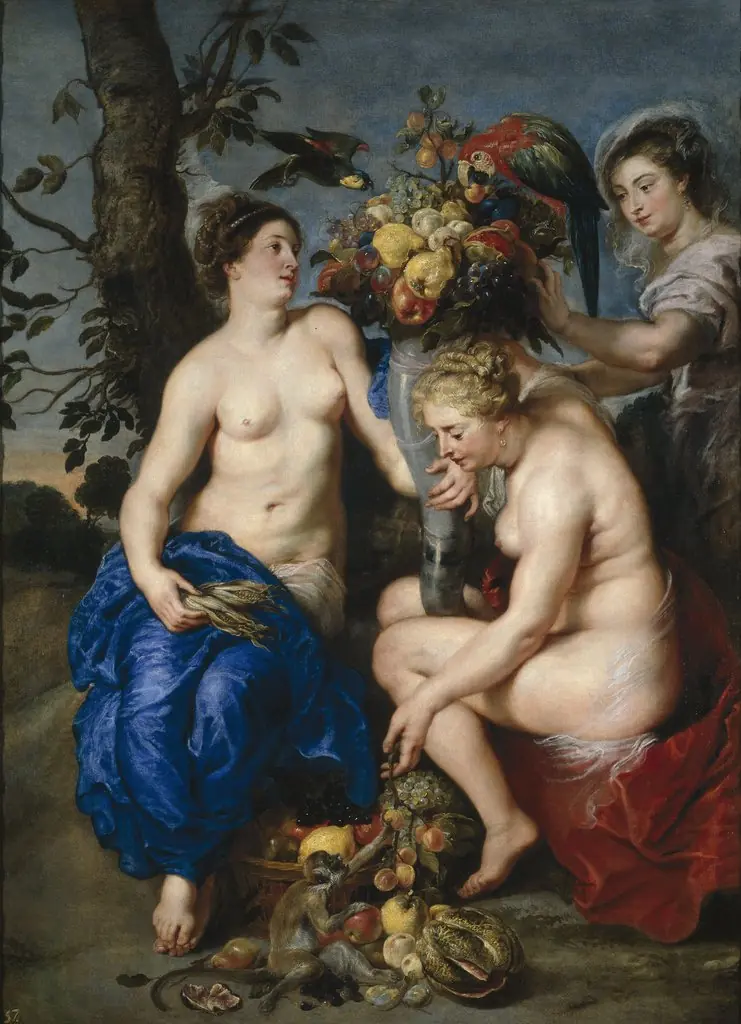
Naiads Filling the Horn of Achelous. Allegory on the peace of the 12 years Truce,
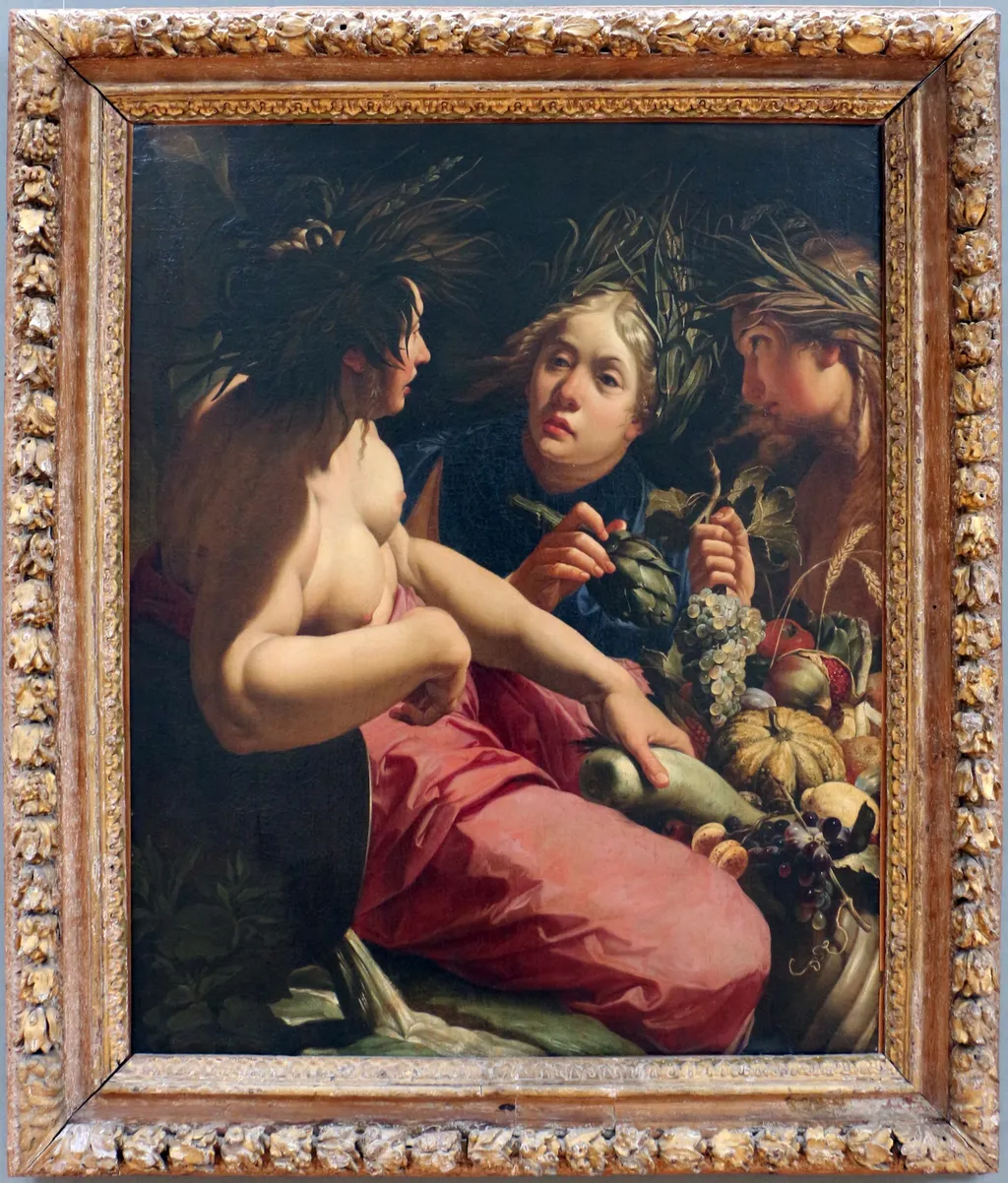
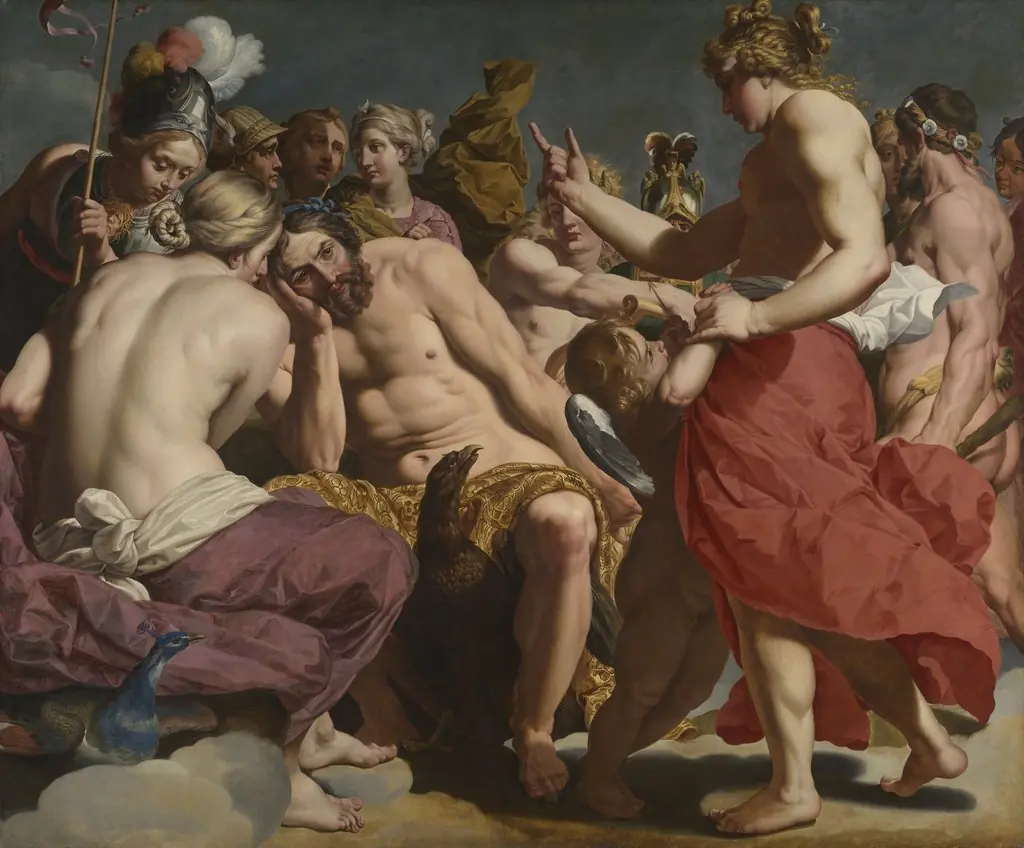
Naiads Filling the Horn of Achelous. Allegory on the peace of the 12 years Truce, is an oil painting by the Early Baroque Italian artist Abraham Janssens I. It dates from 1610 and is held in the collection of the Royal Museums of Fine Arts of Belgium. Naiads Filling the Horn of Achelous.
About this work
Overview
Naiads Filling the Horn of Achelous. Allegory on the peace of the 12 years Truce is a 1610 oil painting by Flemish artist Abraham Janssens I, blending mythological imagery with symbolic representation of peace, characteristic of the early Baroque period.
Subject & Meaning
The painting depicts three naiads (mythological water nymphs) in the act of filling the horn of Achelous, a mythological figure associated with abundance. The scene allegorically commemorates the Twelve Years' Truce (1609-1621), a period of peace in the Dutch Revolt, symbolized through the lush, fruitful surroundings and the collaborative action of the naiads.
Technique & Style
Executed in oil paint on a dark background, the work features strong chiaroscuro, with the naiads and their surroundings illuminated against the shadows. Janssens' style, influenced by Caravaggio, emphasizes dramatic lighting and detailed rendering of textures, from skin and fabric to fruit and foliage.
History & Provenance
Created in 1610 by Abraham Janssens I, a prominent Flemish painter before the rise of Peter Paul Rubens, the painting is now part of the collection at the Royal Museums of Fine Arts of Belgium.
Context
Painted at the outset of the Twelve Years' Truce, the work reflects the contemporary longing for peace in the Netherlands. Stylistically, it situates Janssens within the early Baroque movement, bridging Italian influences with Flemish tradition.
Artist & collection
Artist
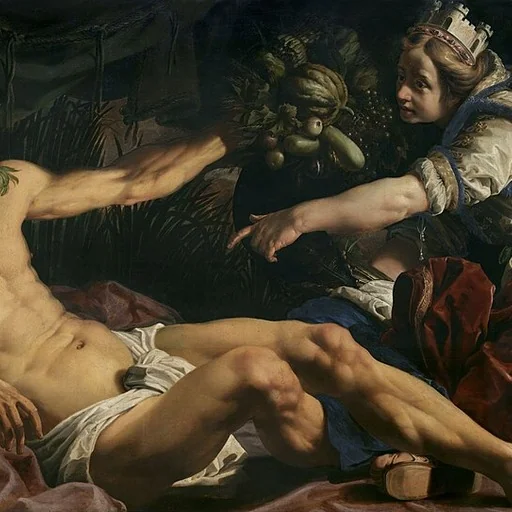
Abraham Janssens I, Abraham Janssen I or Abraham Janssens van Nuyssen (1575–1632) was a Flemish painter, who is known principally for his large religious and mythological works, which show the influence of Caravaggio.

Museum
Royal Museums of Fine Arts of Belgium
Continue through works from the same source collection.