Artwork
Victor Hugo
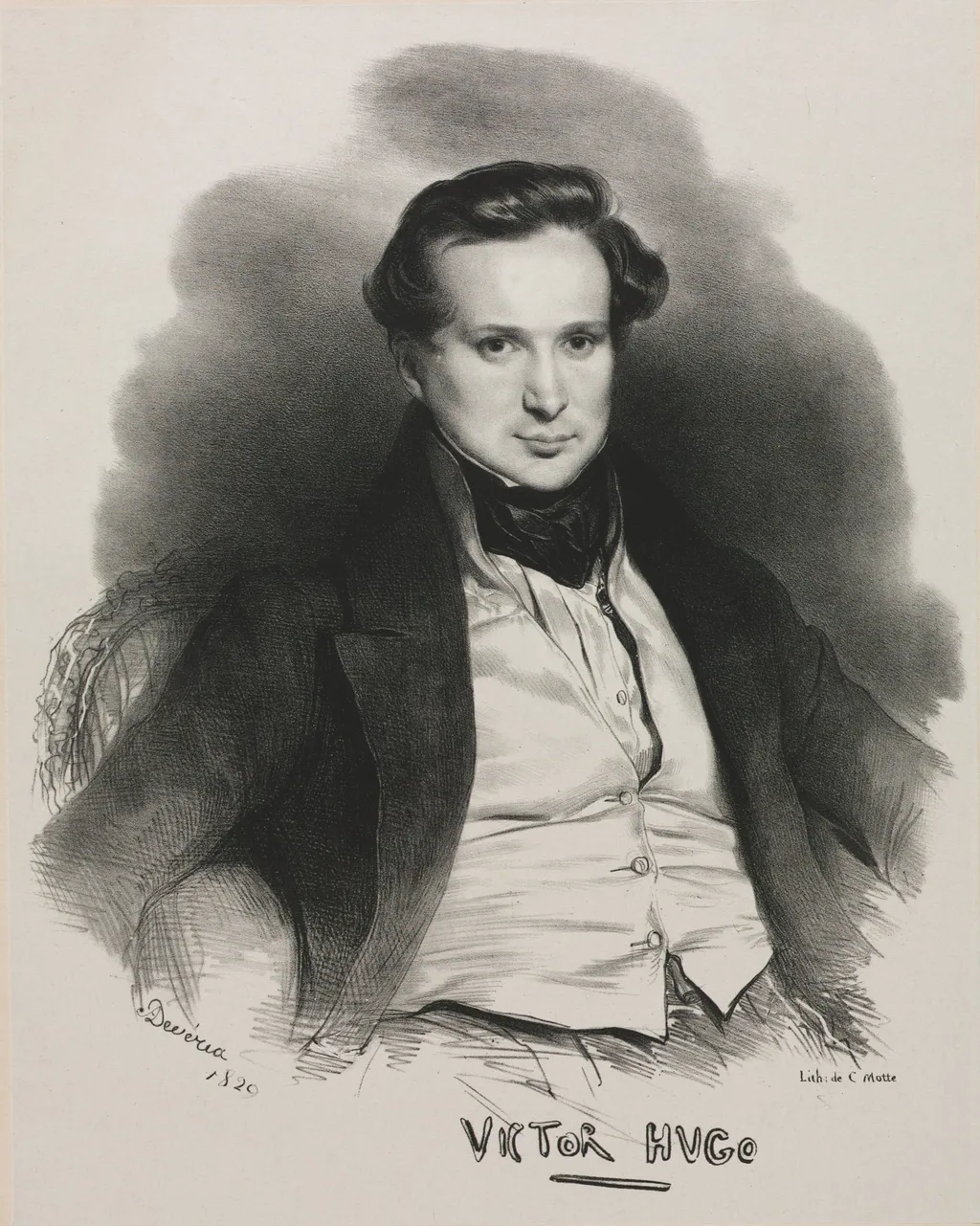
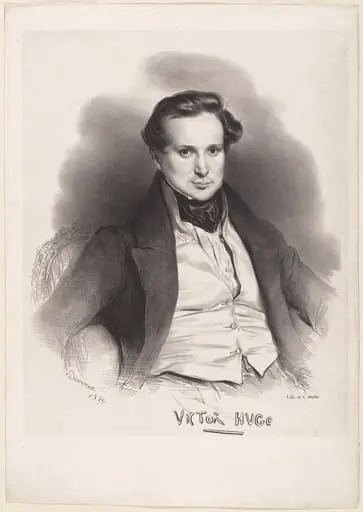
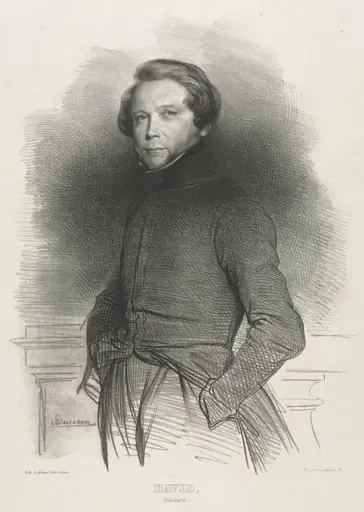
Victor Hugo is a print by the Romanticist artist Achille Devéria. It dates from 1829 and is held in the collection of the Cleveland Museum of Art.
About this work
Overview
Achille Devéria’s 1829 print portrays the French writer Victor Hugo. Executed in a portrait format, the image is part of the Cleveland Museum of Art’s collection. The composition centers on Hugo’s face and upper torso, set against a background that shifts from dark to light, emphasizing the sitter’s presence.
Subject & Meaning
The work captures Hugo in a moment of introspection, his dark hair and solemn expression suggesting contemplation. Dressed in a dark jacket, white shirt, and cravat, he appears poised yet withdrawn, inviting viewers to consider the intellectual depth associated with the author’s literary reputation.
Technique & Style
Devéria employs chiaroscuro to model the figure, using strong contrasts of light and shadow to create a three‑dimensional effect. The gradual tonal gradient in the backdrop recedes, directing attention to Hugo’s face. The handling reflects Romantic portrait conventions, emphasizing emotion and individual character over strict realism.
History & Provenance
Created in 1829, the print entered the Cleveland Museum of Art’s holdings through acquisition (specific details of purchase are not recorded in the source). Its presence in the museum’s print and drawing department situates it among other early nineteenth‑century French works.
Context
The portrait aligns with the Romantic movement’s focus on the inner life of notable cultural figures. Devéria, known for his lithographs and portraits, often rendered literary personalities, and this image of Hugo exemplifies the period’s interest in portraying artists as thoughtful, almost mythic, individuals.
Artist & collection

Artist
Achille Jacques-Jean-Marie Devéria (6 February 1800 – 23 December 1857) was a French painter and lithographer known for his portraits of famous writers and artists.