Artwork
Study for Four Stained Glass Windows "Généalogie d'Abraham"
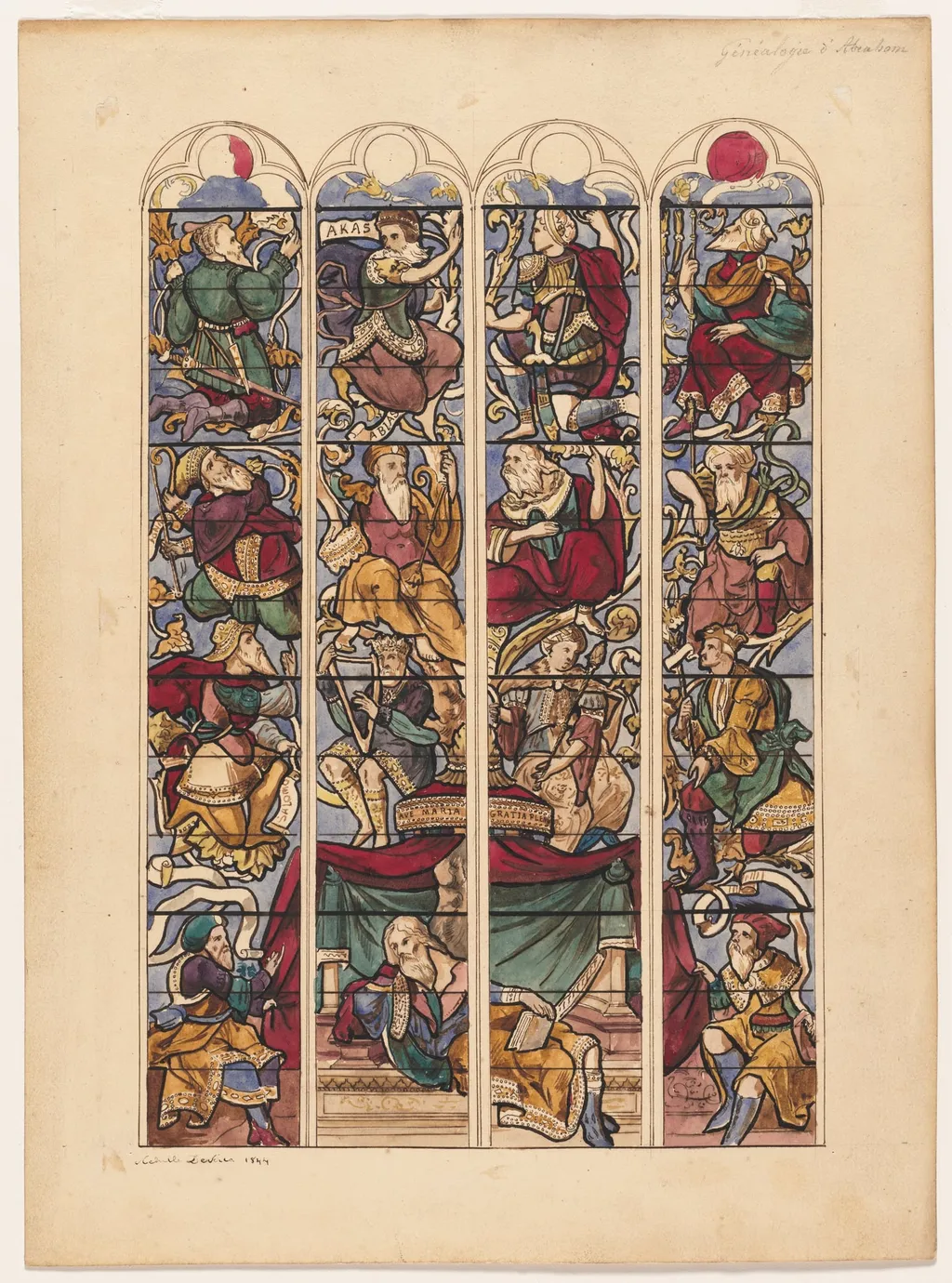
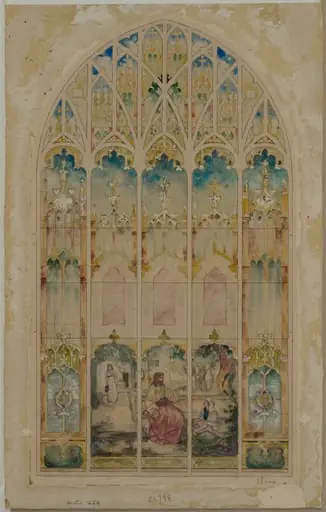
Study for Four Stained Glass Windows "Généalogie d'Abraham" is a drawing by the Romanticist artist Achille Devéria. It dates from 1844 and is held in the collection of the Cleveland Museum of Art.
About this work
Overview
Created in 1844 by Achille Devéria, this drawing serves as a preparatory design for four stained-glass windows titled 'Généalogie d'Abraham.
Created in 1844 by Achille Devéria, this drawing serves as a preparatory design for four stained-glass windows titled 'Généalogie d'Abraham.' Executed in ink and watercolor, it outlines a sequence of vertical panels intended for ecclesiastical installation. The composition is structured to guide light through colored glass, translating biblical lineage into a luminous narrative. The work resides in The Cleveland Museum of Art, preserved as a key example of 19th-century ecclesiastical design.
Subject & Meaning
The drawing illustrates the genealogical line of Abraham, depicting patriarchs and prophets in regal attire seated on thrones above smaller figures engaged in symbolic acts—reading, conversing, or offering. Each panel represents a generation, with inscriptions like 'AKAS' identifying figures from biblical tradition. The arrangement emphasizes divine succession and sacred lineage, aligning with medieval iconographic conventions used to educate congregations through visual storytelling in sacred spaces.
Technique & Style
Devéria employed flat, saturated hues—deep reds, blues, and golds—to mimic the effect of stained glass, avoiding modeling or shading to preserve the clarity needed for translucency. Figures are outlined sharply, set against ornamental arches and swirling patterns that frame each scene. The composition is rigidly vertical, mirroring the architectural constraints of window design. The style reflects a deliberate adherence to medieval aesthetics, prioritizing symbolic clarity over naturalism.
History & Provenance
The drawing was produced as a working model for a commission likely intended for a French church, though the final windows were never executed. It remained in Devéria’s possession until entering the collection of The Cleveland Museum of Art, where it has been held since the 20th century. Its survival as a standalone sheet offers rare insight into the planning stages of 19th-century ecclesiastical glass projects, which often failed to materialize due to cost or changing tastes.
Context
Made during the height of the Gothic Revival, the drawing reflects a broader European interest in reviving medieval religious art. Romanticism’s fascination with spiritual heritage and historical continuity influenced such projects, even as industrialization reshaped artistic production. Devéria’s work bridges academic draftsmanship and devotional imagery, aligning with contemporaries who sought to restore sacred art’s emotional and didactic power through historical reference.
Legacy
Though the stained-glass windows were never realized, the drawing endures as a testament to the ambition of mid-19th-century ecclesiastical design. It illustrates how artists like Devéria engaged with religious narrative through structured, symbolic composition. Today, it serves scholars as a primary source for understanding the intersection of drawing, liturgical function, and the revivalist impulses shaping French religious art in the Romantic era.
Artist & collection

Artist
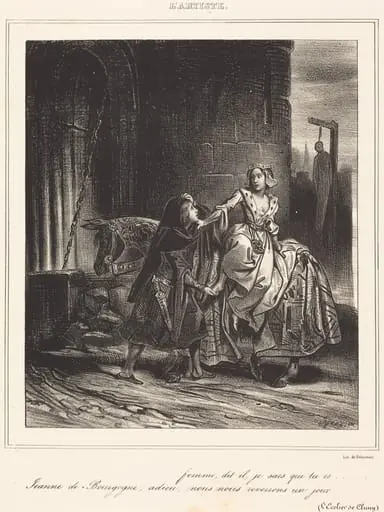
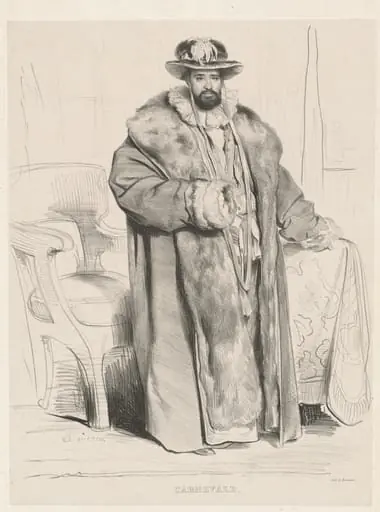
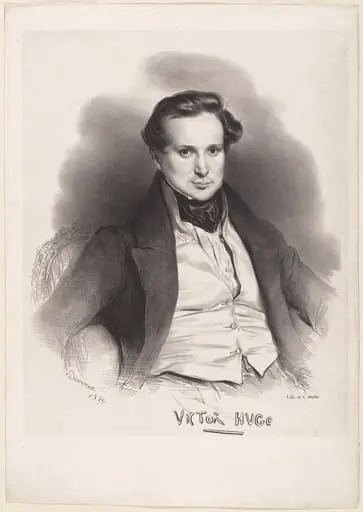
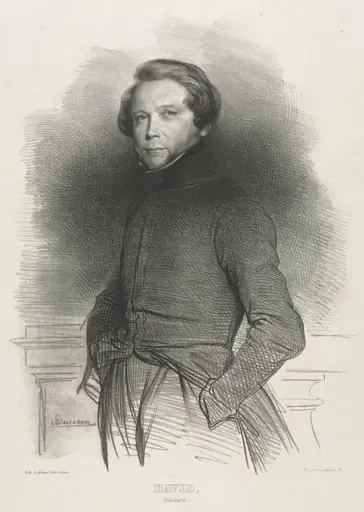
Achille Jacques-Jean-Marie Devéria (6 February 1800 – 23 December 1857) was a French painter and lithographer known for his portraits of famous writers and artists.

 Chapel Window
 lasimaalausluonnos, kukka- ja kasviornamentiikkaa
 Saint Bonaventure Arriving and Preaching in Lyon
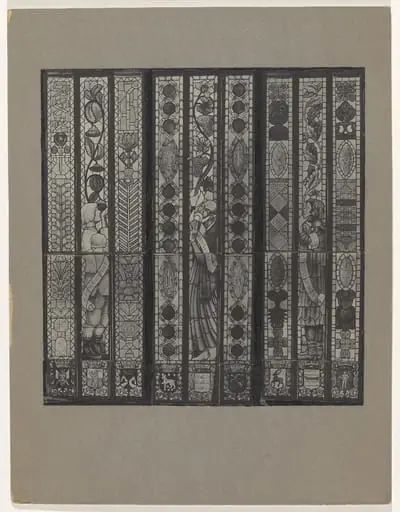 lasimaalauksia, Suomen kansallismuseon pääportaikko, ethnographia - historia - archaeologia
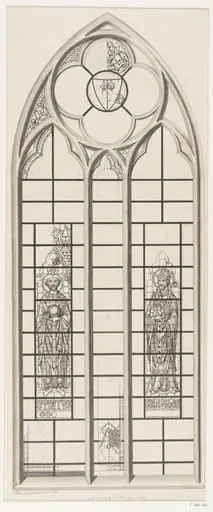 Untitled
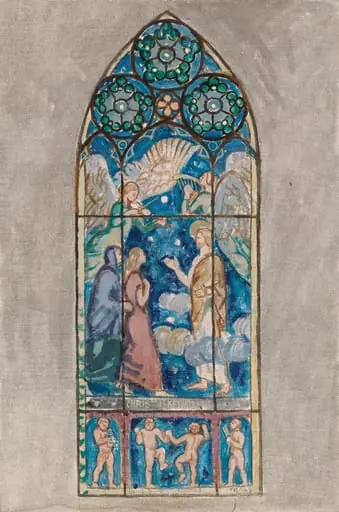 Christus resurrexit, luonnos Porin kirkon lasimaalausta varten
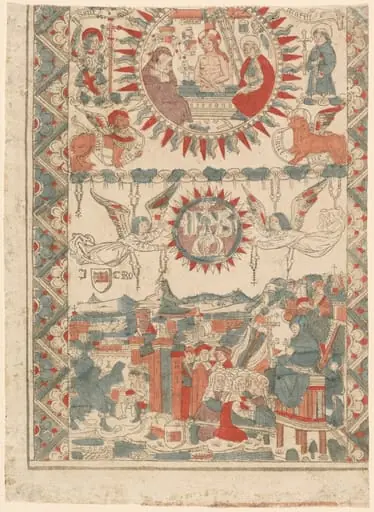 Saint Bonaventure Arriving and Preaching in Lyon
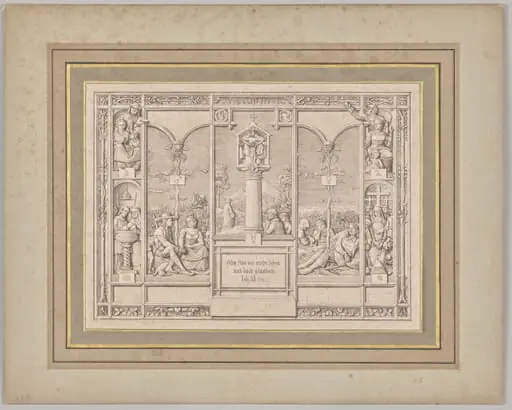 Capstone. John XX, 29
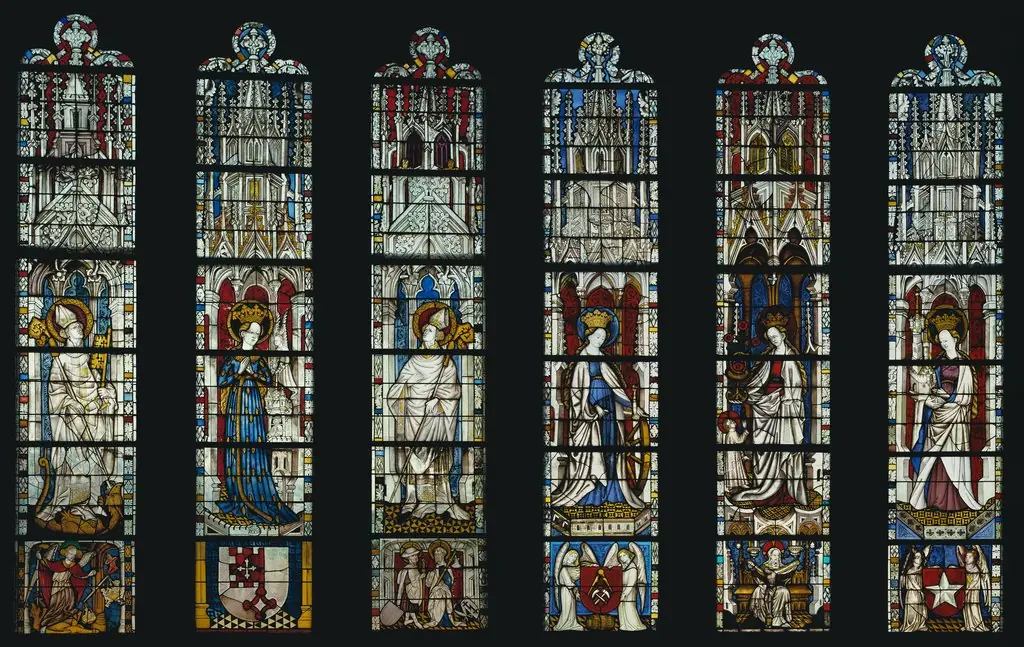 The Virgin Mary and Five Standing Saints above Predella Panels
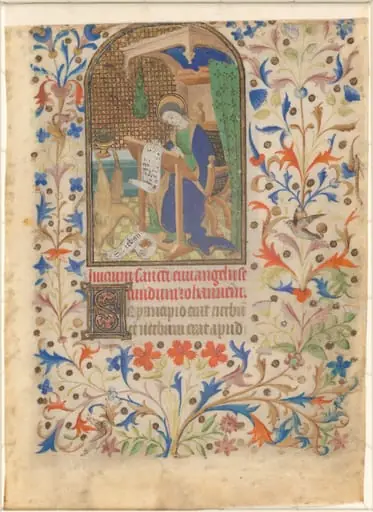 Saint John
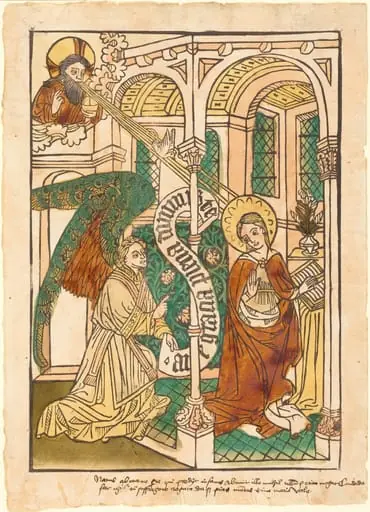 The Annunciation
 Specimens of Ancient Sculpture and Painting