Artwork
H Beard Print Collection
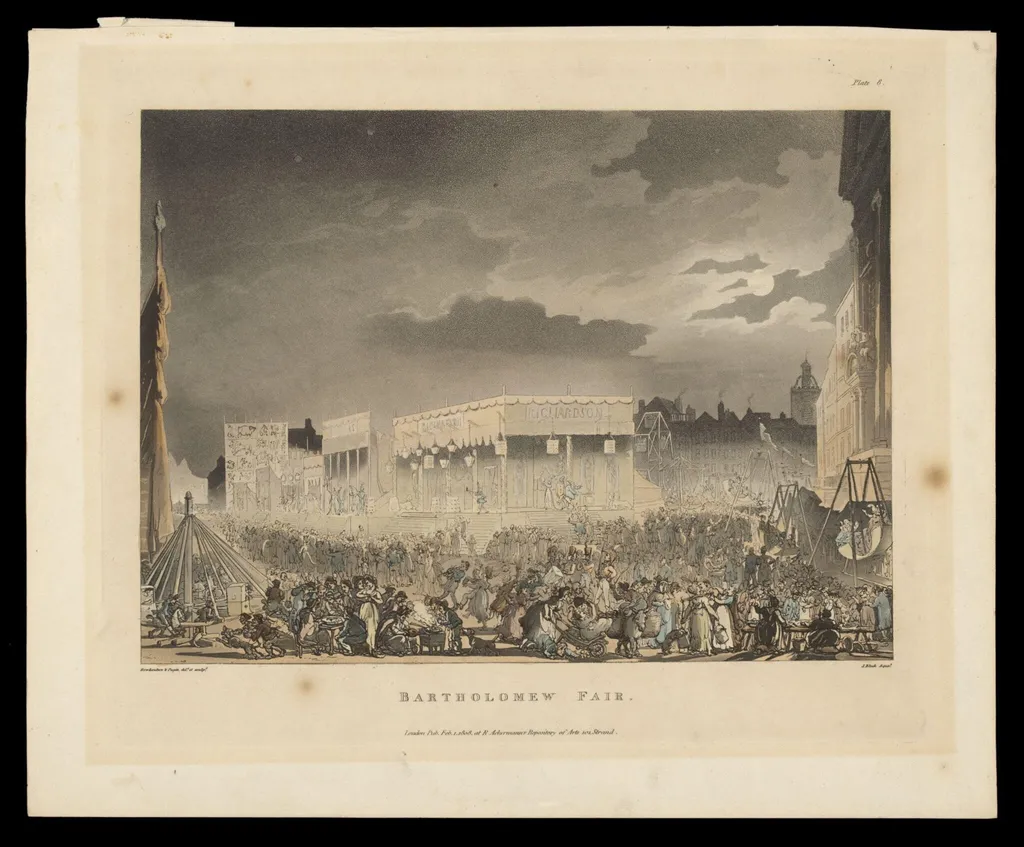
H Beard Print Collection is a print by the Romanticist artist Rudolph Ackermann. It dates from 1 and is held in the collection of the Victoria and Albert Museum.
About this work
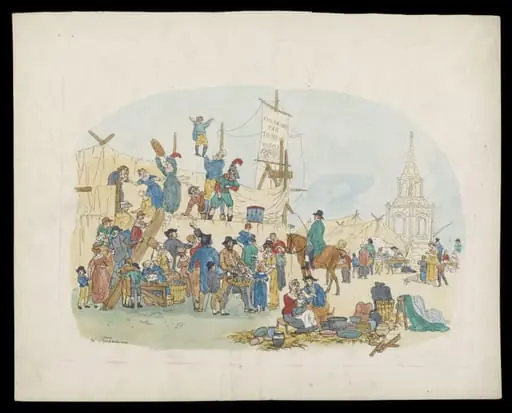
This print shows London’s Bartholomew Fair in 1808. Rudolph Ackermann used aquatint, a method that lets artists mimic watercolor tones in prints. The fair was a noisy, crowded yearly event where people came to buy, eat and enjoy shows.
Ackermann ran a shop and workshop near the Strand. He published prints, books and fashion plates for London’s growing middle class.
Look up Romanticism next.
Overview
This aquatint print captures the bustling atmosphere of Bartholomew Fair in London, published on February 1, 1808, by Rudolph Ackermann.
This aquatint print captures the bustling atmosphere of Bartholomew Fair in London, published on February 1, 1808, by Rudolph Ackermann. Produced as part of the Harry Beard Collection, it reflects the era’s interest in documenting everyday urban life through print media. Aquatint technique allowed for subtle tonal gradations, lending the scene a soft, atmospheric quality reminiscent of watercolor.
Subject & Meaning
The print depicts Bartholomew Fair, an annual public event known for its lively mix of commerce, entertainment, and spectacle. Crowds gather around stalls, performers, and food vendors, illustrating the fair’s role as a social hub for Londoners of varied classes. It presents not a grand spectacle but the ordinary energy of public leisure in early 19th-century England.
Technique & Style
Rudolph Ackermann employed aquatint, a printmaking method that uses acid to etch tonal areas onto a metal plate, enabling soft transitions between light and shadow. This technique mimicked the washes of watercolor, a departure from the sharper lines of traditional engraving. The result is a textured, atmospheric rendering that enhances the sense of movement and crowd density.
History & Provenance
Published from Ackermann’s workshop near the Strand, the print was part of a broader effort to produce affordable visual content for London’s expanding middle class. The Harry Beard Collection, assembled later in the 19th century, preserved this and similar prints as records of popular culture. Ackermann’s role as publisher helped democratize access to visual imagery beyond elite patronage.
Context
Bartholomew Fair, held since the Middle Ages, remained a significant civic event into the 1800s, blending trade, theater, and street performance. By 1808, it was increasingly viewed as chaotic and outdated by reformers, even as it retained popular appeal. Ackermann’s print captures the fair at a transitional moment, before its eventual closure in 1855.
Legacy
Ackermann’s prints, including this one, contributed to the documentation of urban life during the Romantic period. Though not fine art in the traditional sense, they became valuable historical records, offering insight into public customs, fashion, and social dynamics. The survival of such works in collections like Beard’s underscores their role in preserving the visual culture of everyday London.
Artist & collection
Artist
Rudolph Ackermann made early 19th-century prints you’ll find in the H Beard Print Collection.

 H Beard Print Collection
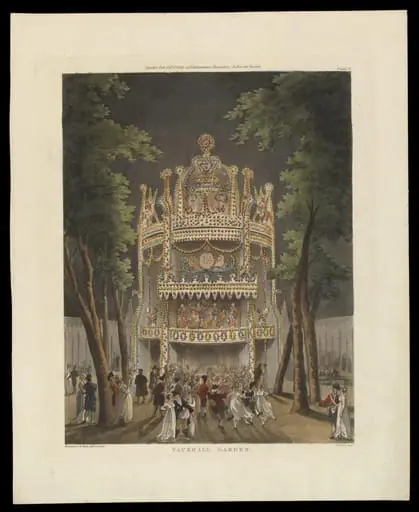 H Beard Print Collection
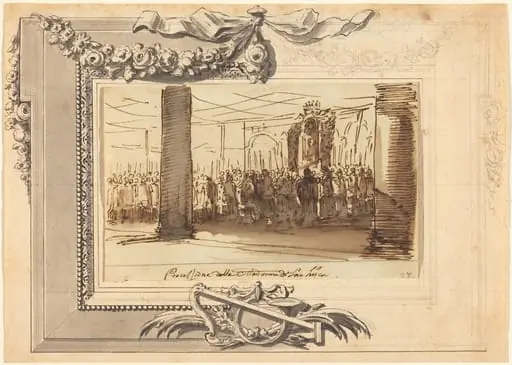 A Procession of the Madonna di San Luca
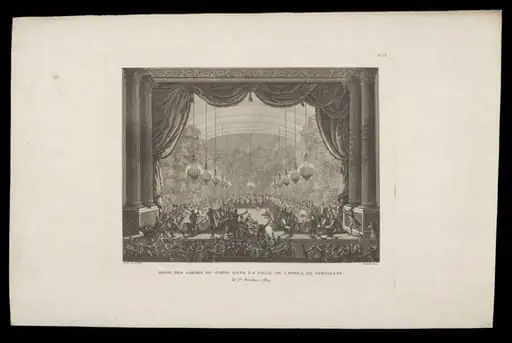 H Beard Print Collection
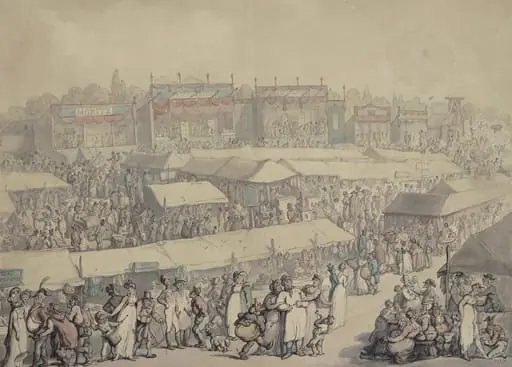 Brook Green Fair
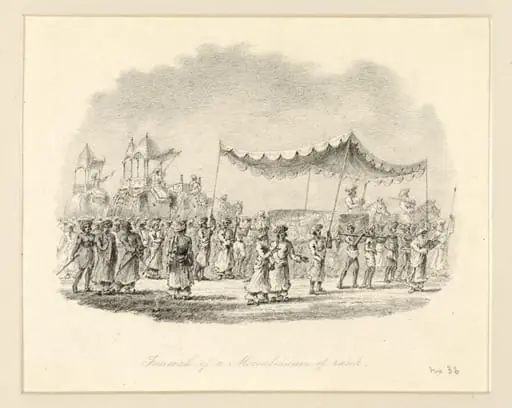 "Funeral of a Moosulmaun of rank".
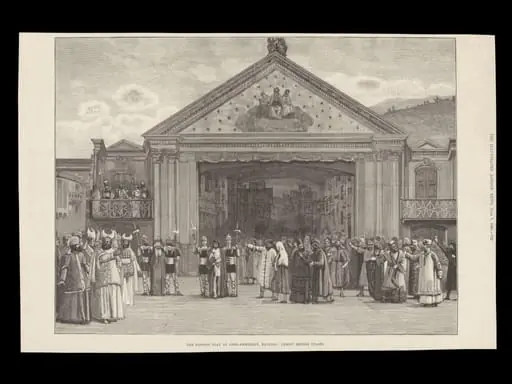 H Beard Print Collection
![Kirkclisia [Kirklareli] 40 leagues from Constantinople, by Luigi Mayer](https://artifactworldgallery.com/img/luigi-mayer--kirkclisia-kirklareli-40-leagues-from-constantinople--fb21c76d0b35aeb7-w320.webp) Kirkclisia [Kirklareli] 40 leagues from Constantinople
Kirkclisia [Kirklareli] 40 leagues from Constantinople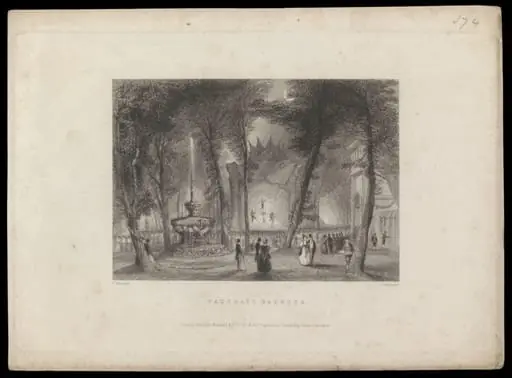 H Beard Print Collection
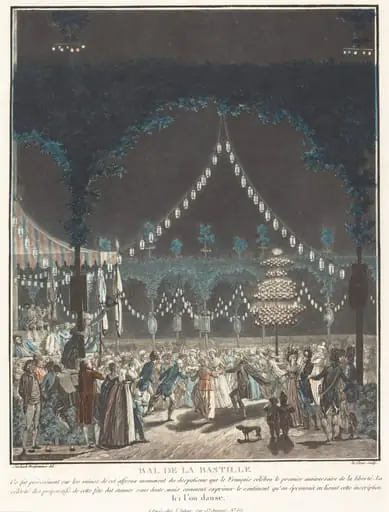 Bal de la Bastille
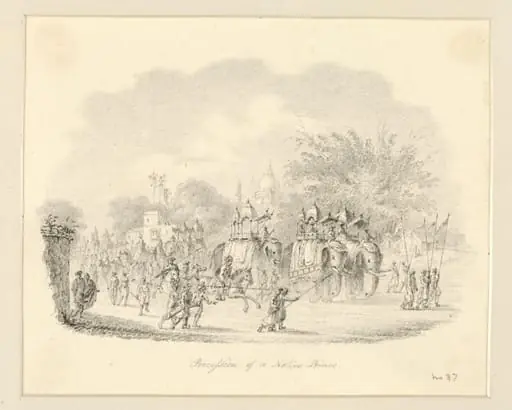 Reception of a Native Prince
 H Beard Print Collection