Artwork
Ceres in the House of Hecuba
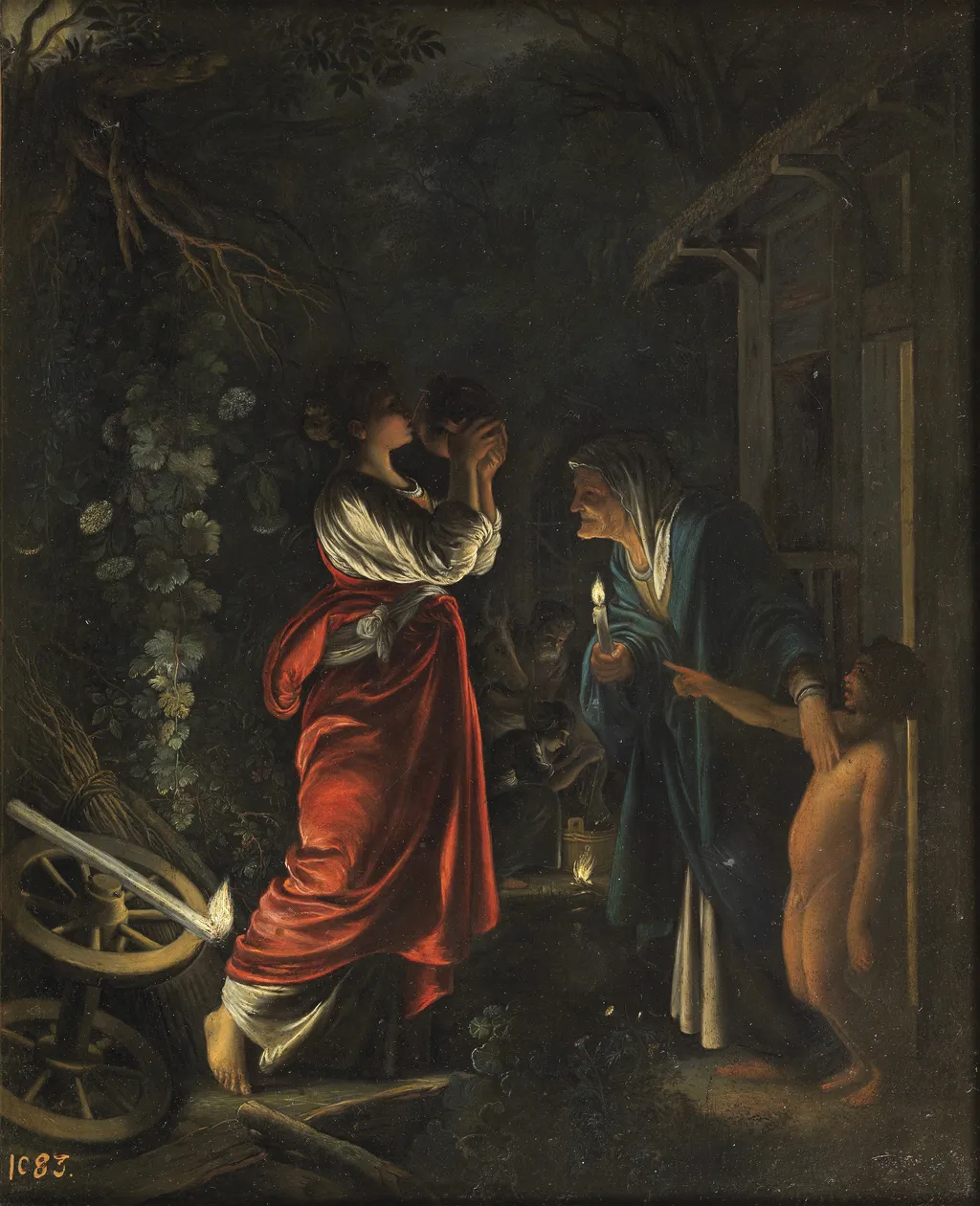
Ceres in the House of Hecuba is an oil painting by the Early Baroque Italian artist Adam Elsheimer. It dates from 1605 and is held in the collection of the Museo del Prado.
About this work
Overview
Created in 1605, this small cabinet painting by Adam Elsheimer presents a nocturnal interior scene on a copper panel.
Created in 1605, this small cabinet painting by Adam Elsheimer presents a nocturnal interior scene on a copper panel. The composition centers on a woman in a red robe drinking from a jug, an older woman in blue gesturing, and a nude male figure extending his arm, all illuminated by a single candle. The work reflects Elsheimer’s early‑Baroque interest in dramatic lighting and intimate mythological narratives.
Subject & Meaning
The figures represent the Roman goddess Ceres and the Trojan queen Hecuba, drawn from classical mythology. The interaction—Ceres drinking, Hecuba’s warning gesture, and the nude man's outstretched arm—suggests a moment of tension or counsel, possibly alluding to themes of nourishment, loss, and impending tragedy within the mythic tradition.
Technique & Style
Elsheimer employed copper as his support, a choice that enhances the painting’s fine detail and luminous surface. His mastery of chiaroscuro creates a stark contrast between the candle‑lit foreground and the enveloping darkness, emphasizing the textures of the fabrics and the reflective quality of the metal. The meticulous rendering of drapery and the subtle atmospheric effects are hallmarks of his style.
History & Provenance
The work originates from Elsheimer’s brief but influential career in Rome, where he produced a series of small, highly finished paintings for private collectors. Although the painting’s early ownership records are sparse, it entered museum collections in the 20th century, where it has been studied for its contribution to the development of Baroque lighting techniques.
Context
During the early 17th century, Elsheimer’s approach to light and narrative composition influenced contemporaries such as Caravaggio and later Dutch painters. His integration of mythological subject matter with a domestic, candlelit setting reflects the period’s fascination with merging classical themes and intimate, interior spaces.
Own this work as a print
Artist & collection
Artist
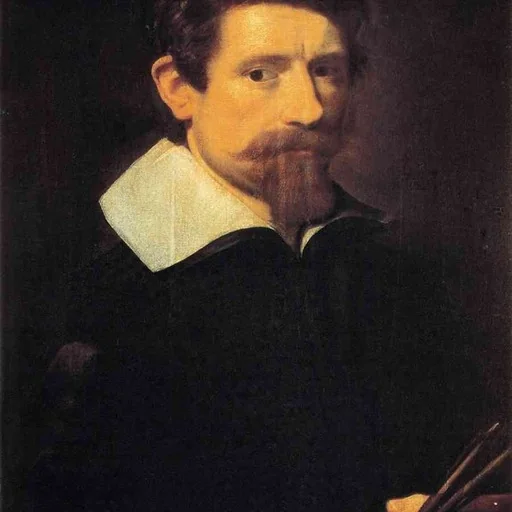
Adam Elsheimer (18 March 1578 – 11 December 1610) was a German Baroque painter who worked in Rome.