Artwork
Die Fraueninsel im Chiemsee
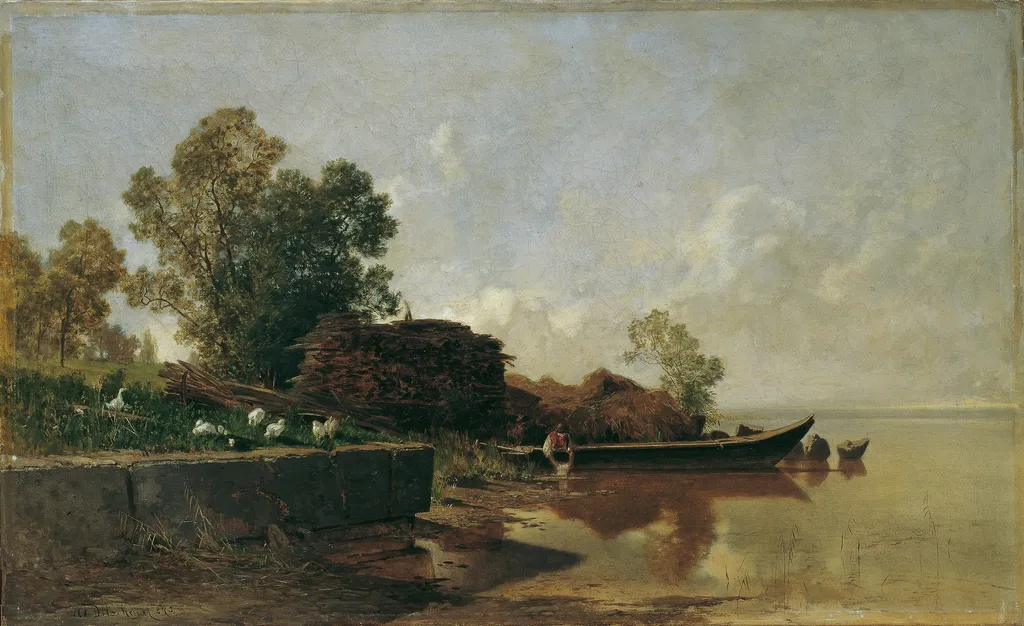
Die Fraueninsel im Chiemsee is an oil painting by the Impressionist artist Adolf Gustav Ditscheiner. It dates from 1873 and is held in the collection of the Kunsthistorisches Museum.
About this work
Overview
Ditscheiner, known for landscape and architectural subjects, rendered the island with careful attention to natural light and seasonal atmosphere.
Painted in 1873 by Adolf Gustav Ditscheiner, this oil on canvas depicts the Fraueninsel, a small island in the Chiemsee lake of Bavaria. The work belongs to the collection of the Kunsthistorisches Museum in Vienna, where it has been held since its acquisition. Ditscheiner, known for landscape and architectural subjects, rendered the island with careful attention to natural light and seasonal atmosphere.
Subject & Meaning
The painting captures the Fraueninsel, home to a medieval Benedictine convent, surrounded by calm waters and rolling hills. The scene conveys quiet solitude, emphasizing the island’s isolation and historical continuity. No human figures are present, allowing the architecture and landscape to speak for themselves as enduring elements of regional identity.
Technique & Style
Ditscheiner employed a restrained palette of soft greens, grays, and blues to evoke the misty ambiance of the Bavarian lake. Brushwork is precise yet unobtrusive, with gentle transitions between land, water, and sky. The composition balances architectural detail with atmospheric perspective, reflecting a tradition of German Romantic landscape painting without overt sentimentality.
History & Provenance
Completed in 1873, the painting entered the Kunsthistorisches Museum’s collection shortly thereafter. Its acquisition aligns with the museum’s broader interest in 19th-century German-speaking artists. There is no record of public exhibition prior to its inclusion in the museum’s holdings, suggesting it was likely acquired directly from the artist or a private collector.
Context
Ditscheiner painted during a period when German artists increasingly turned to domestic landscapes as subjects of cultural reflection. The Chiemsee region, with its monastic heritage and scenic beauty, was a favored destination for painters seeking tranquil, historically resonant settings. This work reflects a broader trend away from grand historical narratives toward intimate, contemplative views of place.
Legacy
Though not widely reproduced or studied today, the painting remains a representative example of late 19th-century Austrian landscape painting. It contributes to the museum’s collection of regional scenes that document how artists of the time engaged with local topography and heritage, preserving a quiet visual record of a specific time and place.
Artist & collection