Artwork
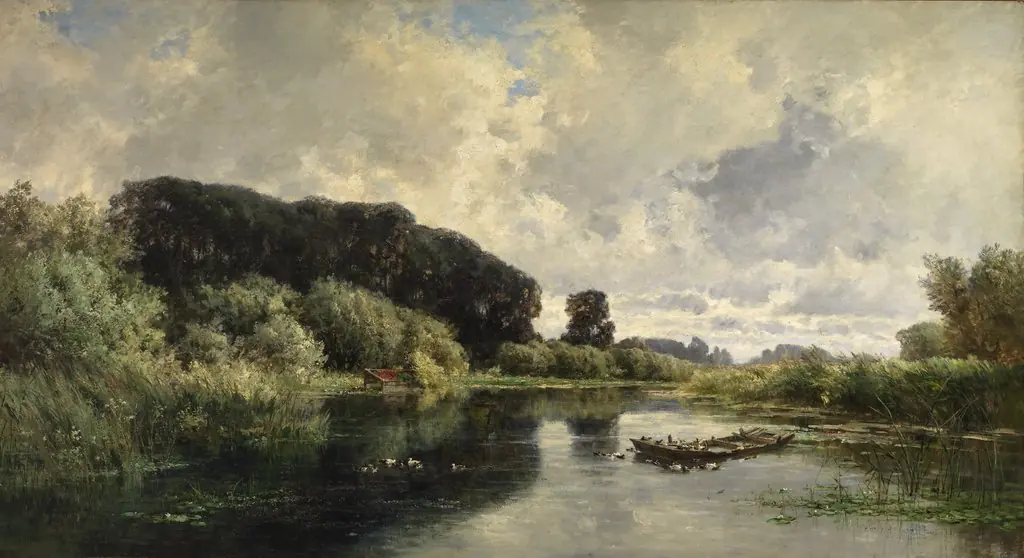
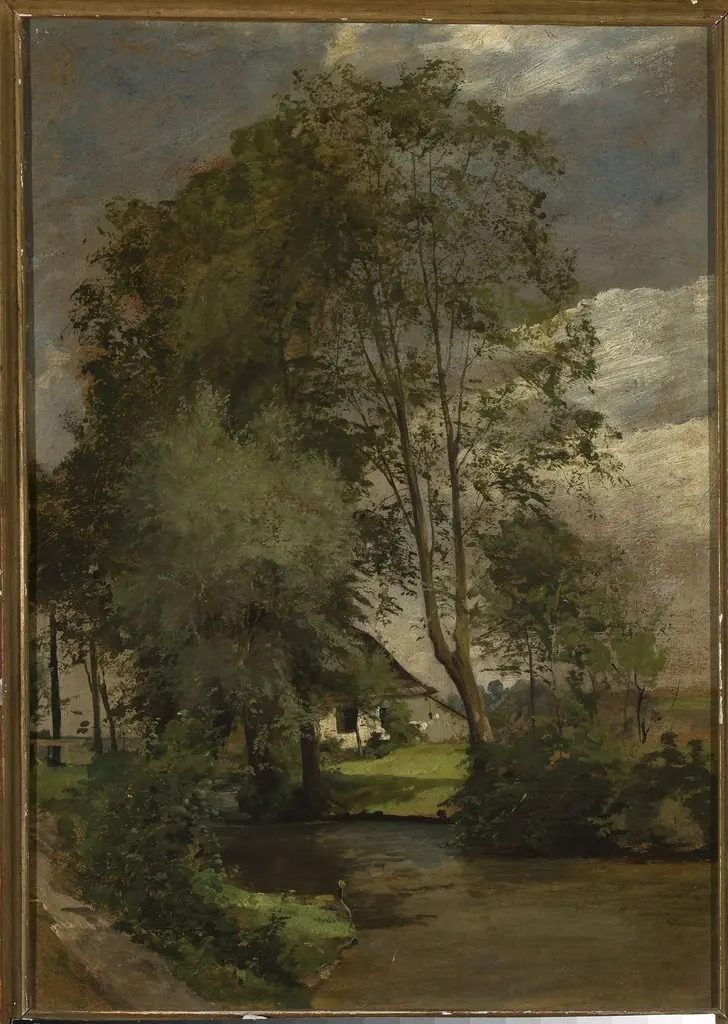
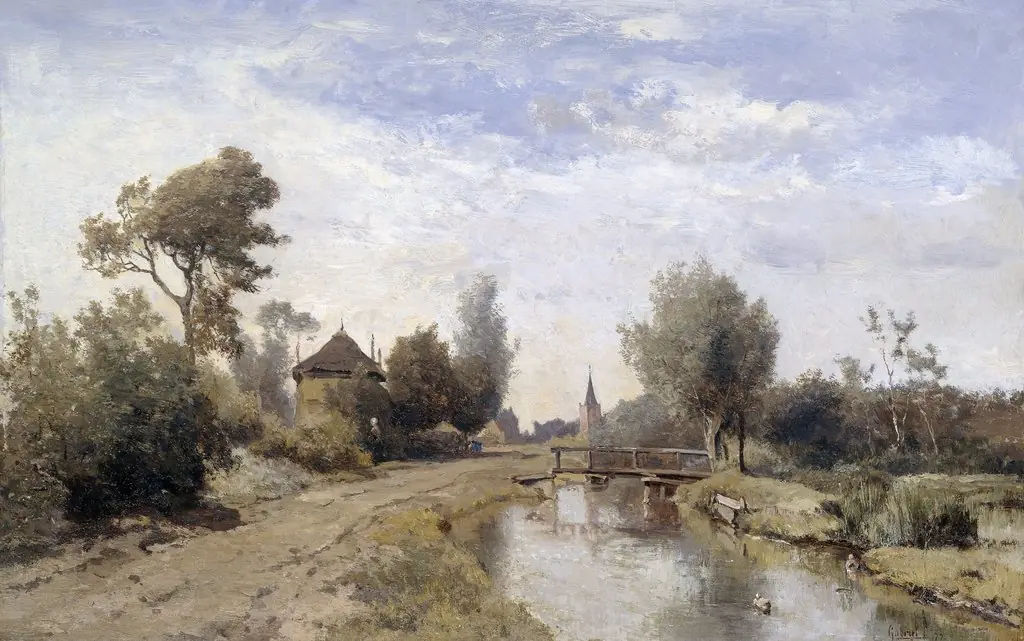
Canal abandonado en Vriesland (Holanda)
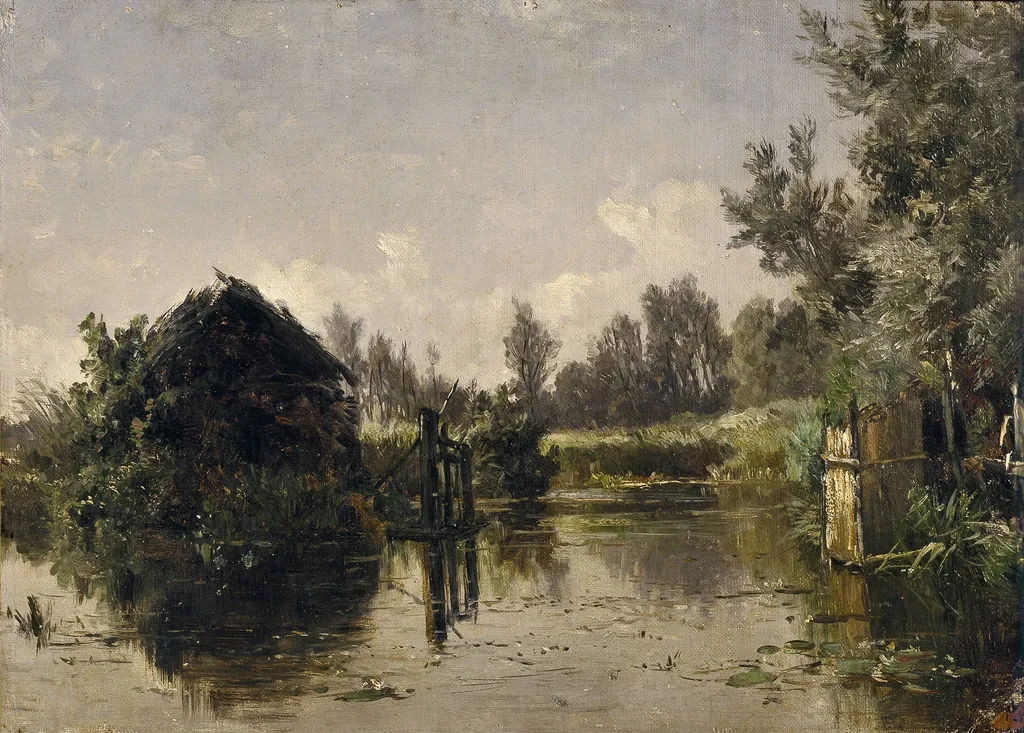
Canal abandonado en Vriesland (Holanda) is an oil painting by the Impressionist artist Carlos de Haes. It dates from 1889 and is held in the collection of the Museo del Prado.
About this work
Overview
Though executed in the late 19th century, the work reflects a quiet, observational approach rather than the vibrant brushwork of Impressionism.
Painted in 1889, *Canal abandonado en Vriesland (Holanda)* is an oil landscape by Carlos de Haes, a Belgian-born artist who became a central figure in Spanish Realism. Though executed in the late 19th century, the work reflects a quiet, observational approach rather than the vibrant brushwork of Impressionism. It resides in the Museo del Prado’s collection, representing Haes’s sustained engagement with Northern European scenery during his later years.
Subject & Meaning
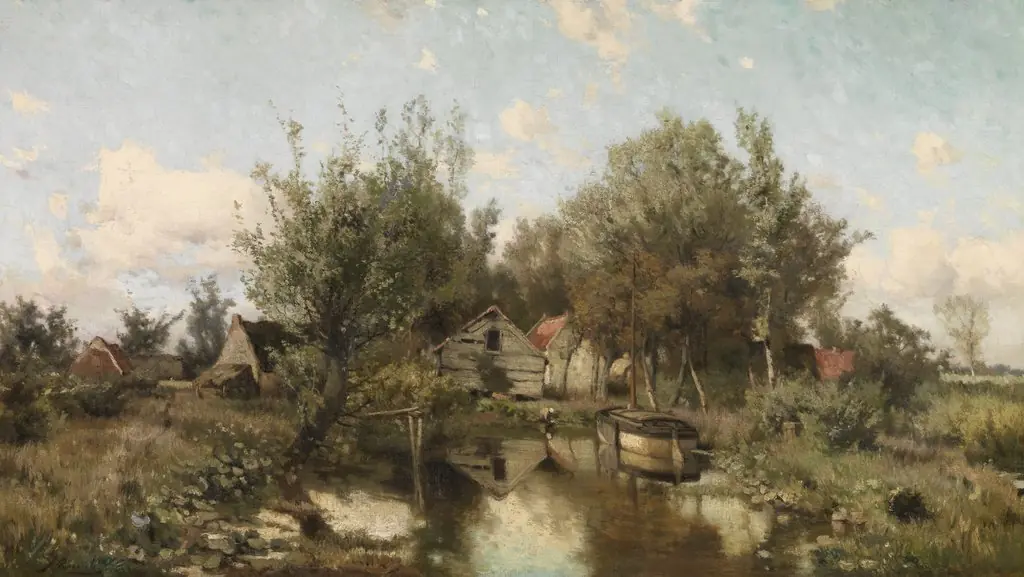
The painting depicts a disused canal in the Dutch countryside, framed by overgrown vegetation and a modest wooden structure. There is no human presence, and the scene conveys stillness rather than narrative. The abandoned waterway suggests quiet decay and the passage of time, evoking a contemplative mood. Haes avoids romanticism, instead presenting nature as it is—unembellished, serene, and subtly marked by human use.
Technique & Style
Haes employed fine, controlled brushwork to render the textures of water, foliage, and weathered wood. The palette is restrained, dominated by muted greens, grays, and soft blues, with subtle variations in tone to suggest depth and atmosphere. Light is diffused through a hazy sky, enhancing the calmness of the scene. His method prioritizes accurate observation over emotional expression, aligning with Realist principles while retaining a lyrical sensitivity.
History & Provenance
Created during Haes’s later career, the painting emerged from his travels in the Netherlands, where he studied landscape traditions beyond Spain. It entered the Museo del Prado’s holdings in the 20th century as part of a broader effort to document Spanish artistic engagement with European naturalism. The work’s provenance reflects Haes’s institutional role and the museum’s interest in preserving his contributions to Spanish art education.
Context
In the late 19th century, Spanish painters increasingly looked to Northern Europe for landscape models, moving away from idealized historical scenes. Haes, as a professor at the San Fernando Academy, encouraged direct observation of nature. This painting reflects that pedagogical shift, situating Spanish Realism within a wider European context of plein air study and topographical accuracy, even when depicting foreign terrain.
Legacy
Though not widely exhibited, *Canal abandonado en Vriesland* exemplifies Haes’s influence on generations of Spanish landscape artists. His commitment to truthful representation, even in non-Spanish settings, helped redefine the genre in Spain. The painting stands as a quiet testament to his belief that the dignity of landscape lay in its unadorned reality, a principle that shaped Spanish art well into the 20th century.
Own this work as a print
Artist & collection
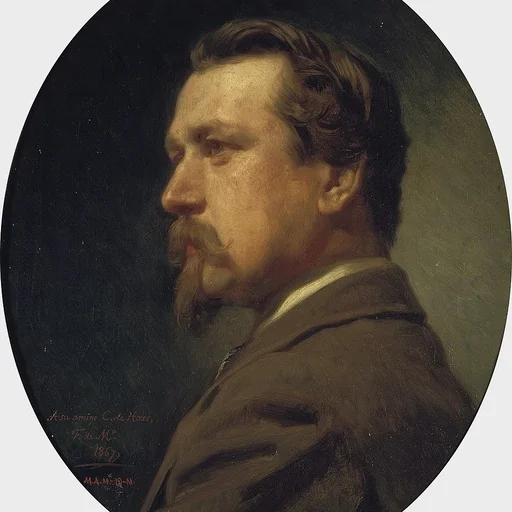
Artist
Carlos Sebastián Pedro Hubert de Haes (January 25, 1829 – June 17, 1898) was a Spanish painter from Belgium.