Artwork
Canal aux Martigues
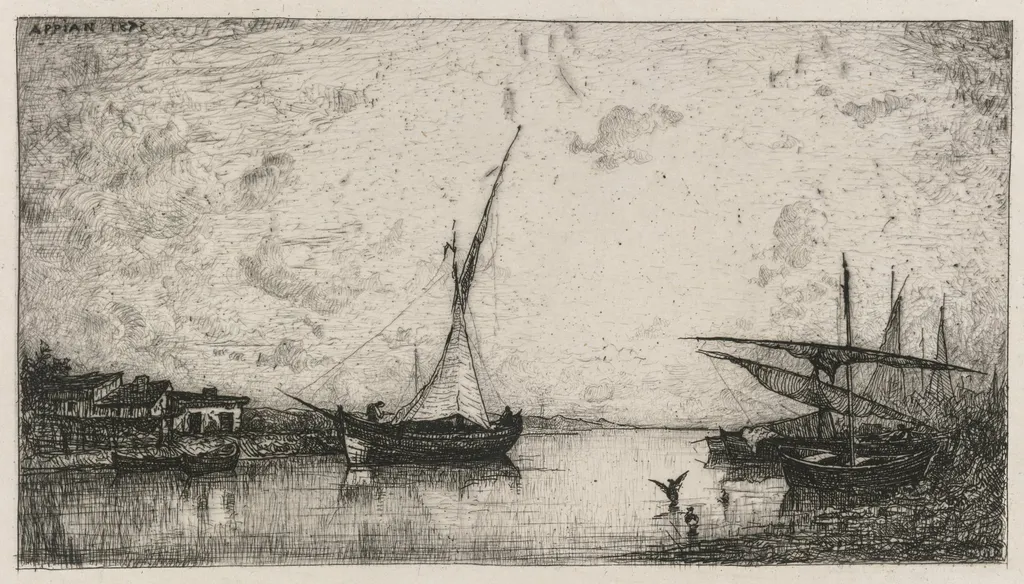
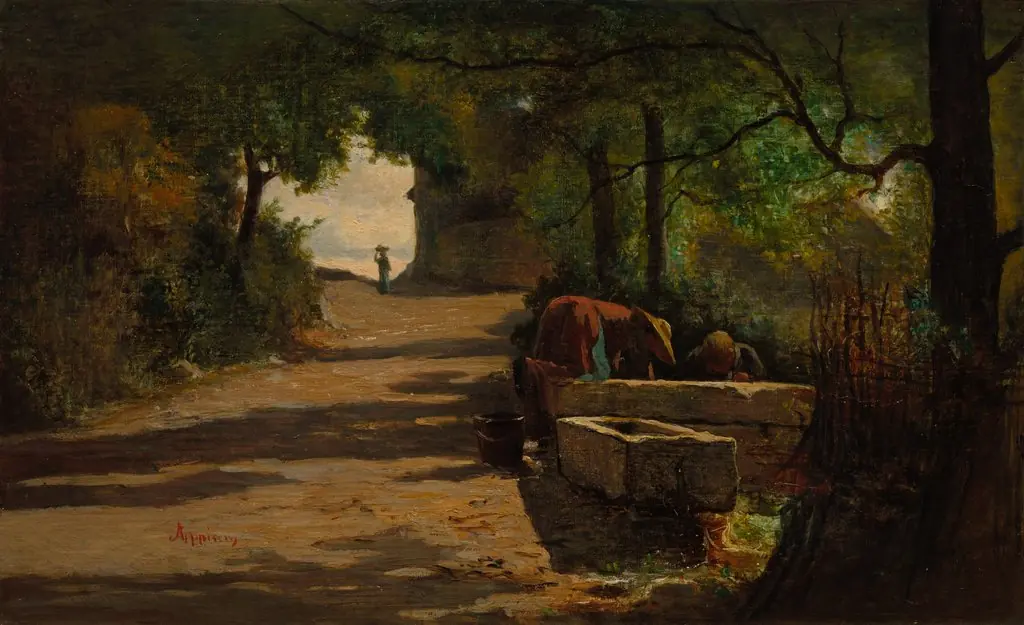
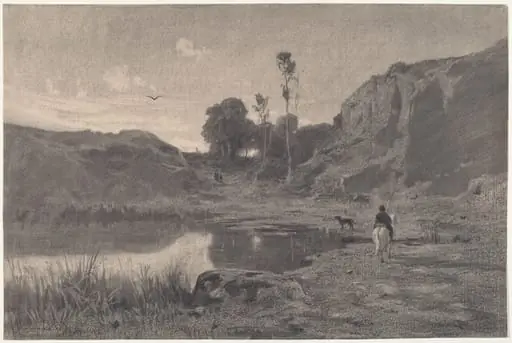
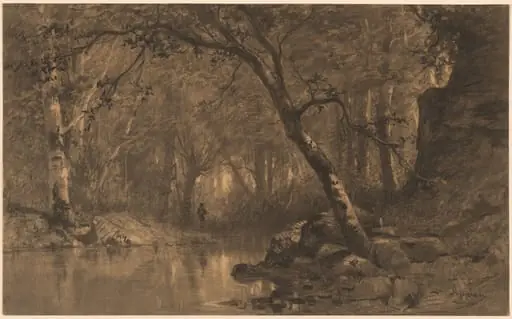
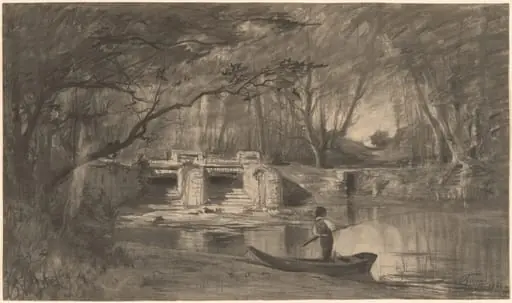
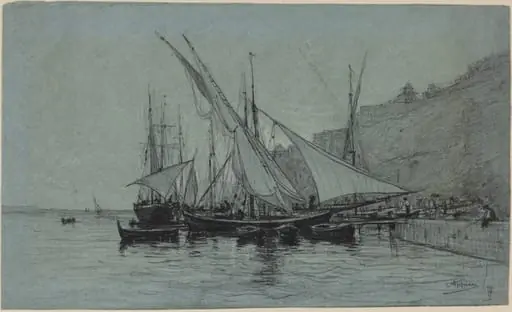
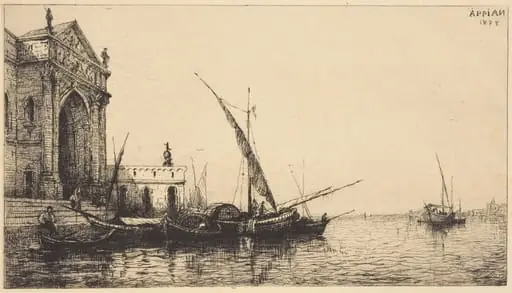
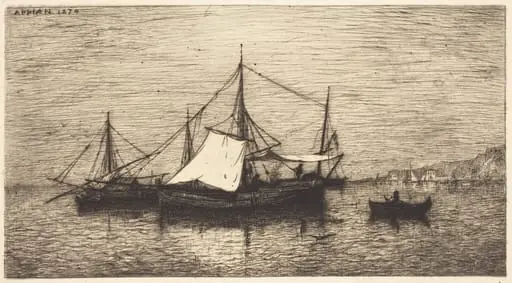
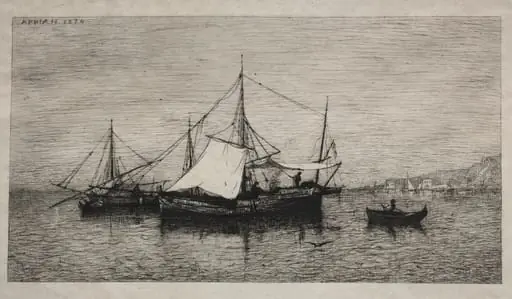
Canal aux Martigues is a print by the Impressionist artist Adolphe Appian. It dates from 1872 and is held in the collection of the Cleveland Museum of Art.
About this work
Overview
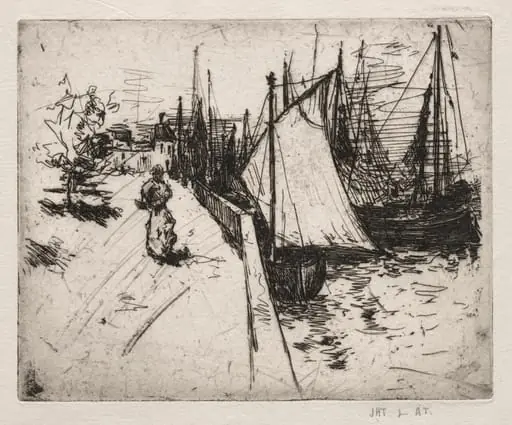
The work captures a tranquil harbor in Martigues, France, with minimal figures and no overt narrative, focusing instead on the subtle rhythms of water and sky.
Adolphe Appian created *Canal aux Martigues* in 1872 as a pen-and-ink drawing, reflecting his interest in quiet, everyday landscapes. Though trained as a painter, he often worked in printmaking, using delicate lines to convey atmosphere rather than detail. The work captures a tranquil harbor in Martigues, France, with minimal figures and no overt narrative, focusing instead on the subtle rhythms of water and sky.
Subject & Meaning
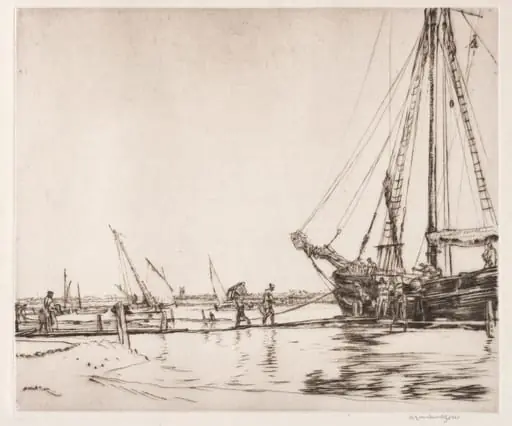
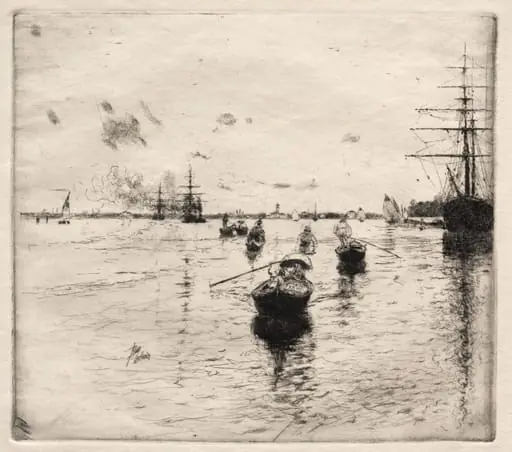
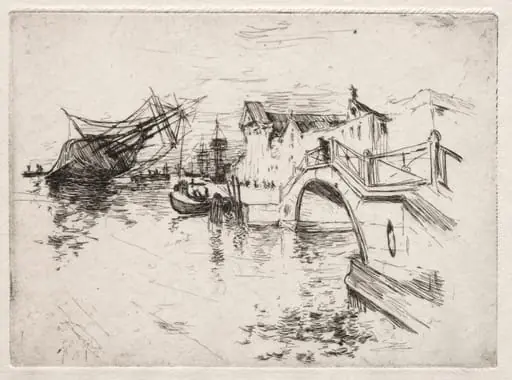
The scene portrays a quiet waterfront in Martigues, where three small boats rest along the canal’s edge, their masts rising vertically against a soft sky. The absence of human activity and the stillness of the water suggest a moment suspended in time. Appian’s choice of subject reflects a broader 19th-century shift toward observing nature without idealization, valuing quiet observation over dramatic storytelling.
Technique & Style
Appian employed loose, fluid ink lines to suggest the movement of water and the texture of clouds, avoiding heavy shading or precise outlines. The sketchlike quality conveys immediacy, with light areas left as paper negative space to imply brightness. This method aligns with observational drawing traditions, emphasizing spontaneity and the transient effects of daylight over finished detail.
History & Provenance
Created during Appian’s mature period, the work emerged from his frequent travels to southern France, where he documented regional waterways. While not widely exhibited in his lifetime, it remained within private collections, reflecting its status as a personal study rather than a public commission. Its survival offers insight into his working process outside of finished paintings.
Context
Appian worked alongside artists influenced by the Barbizon school, who sought truth in natural settings. Though not a formal member, his focus on rural and coastal scenes aligned with their ethos. *Canal aux Martigues* reflects a broader trend among 19th-century draftsmen who used sketching as a means to record light and atmosphere, anticipating the methods later adopted by Impressionists.
Legacy
The drawing stands as an example of how 19th-century artists used ink to explore perception before the rise of color-based movements. While Appian is less known today, works like this illustrate the transition from academic landscape traditions to more immediate, sensory approaches. His emphasis on transient effects contributed to the evolving language of modern drawing.
Artist & collection
Artist
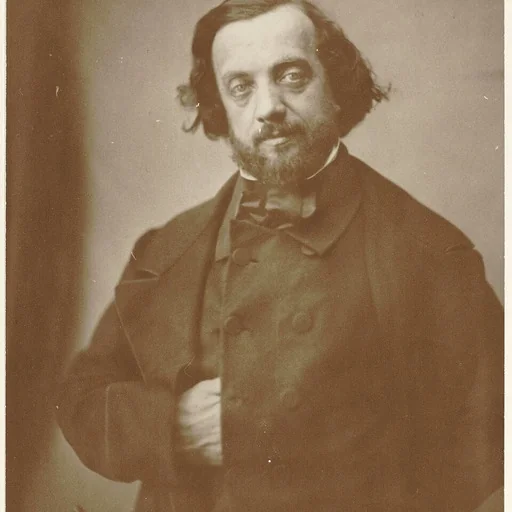
Adolphe Appian (born as Jacques Barthelemy Adolphe Appian; 28 August 1819 – 29 April 1898) was a French landscape painter and etcher.