Artwork
Mountainous landscape
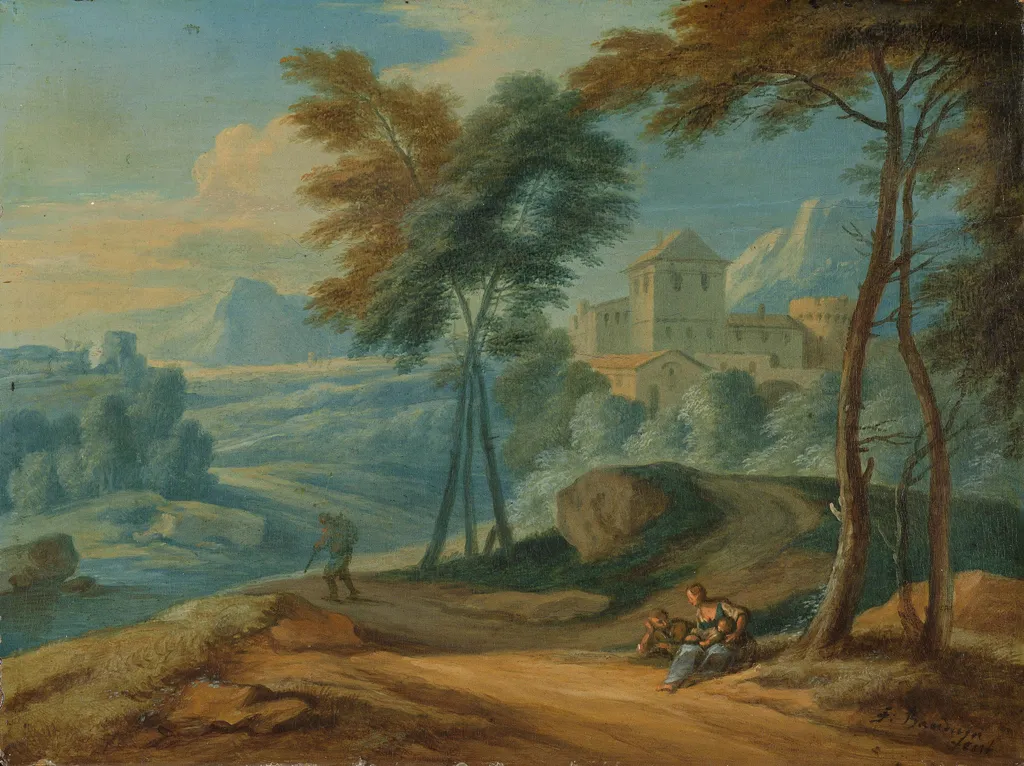
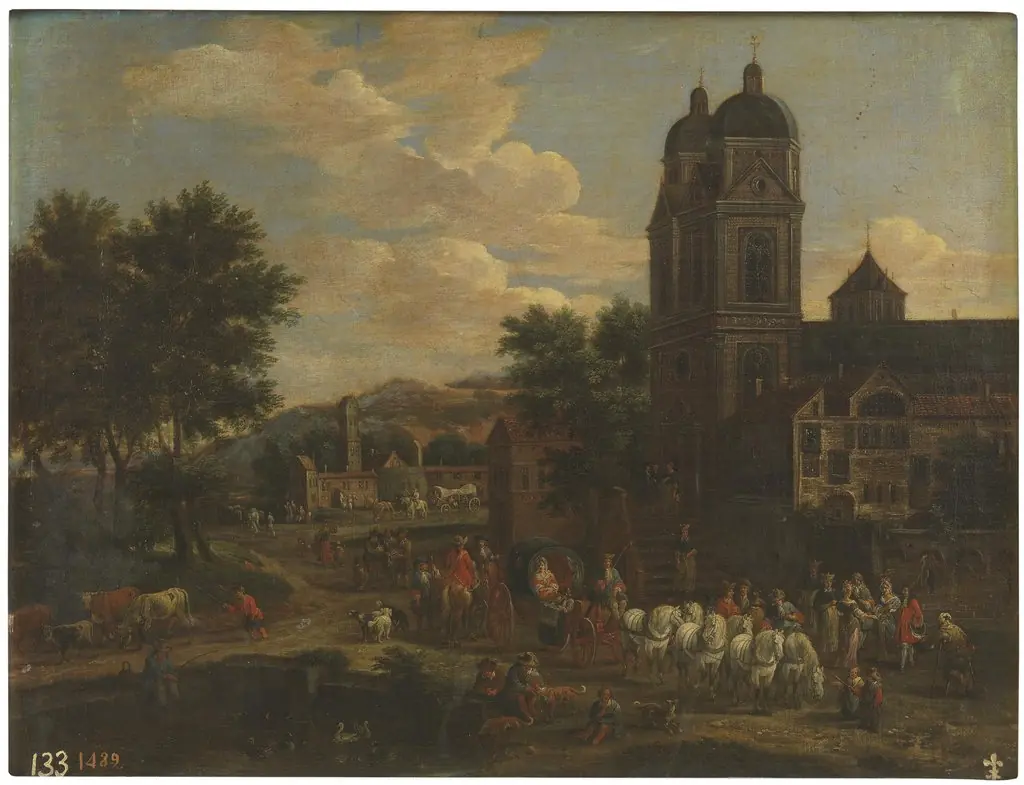
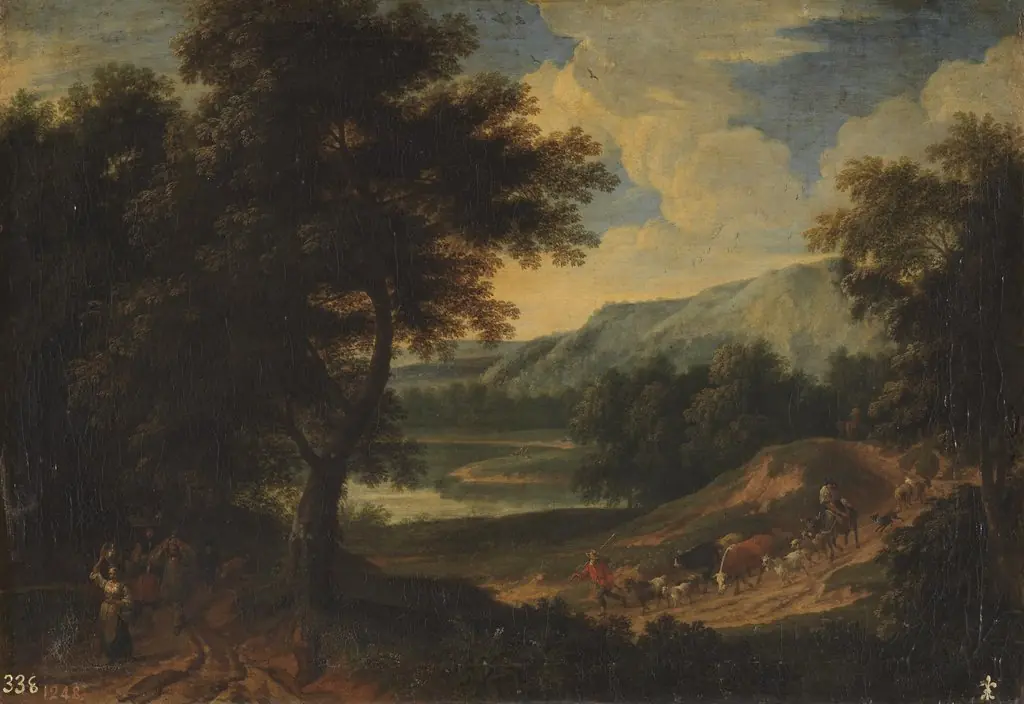
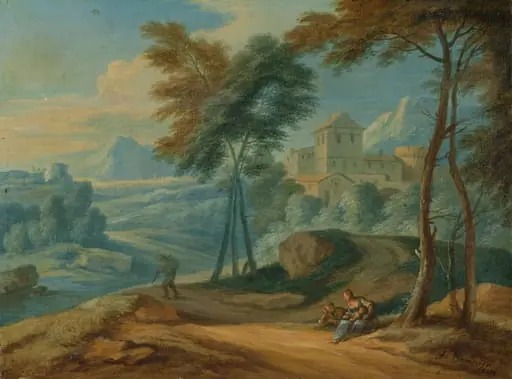
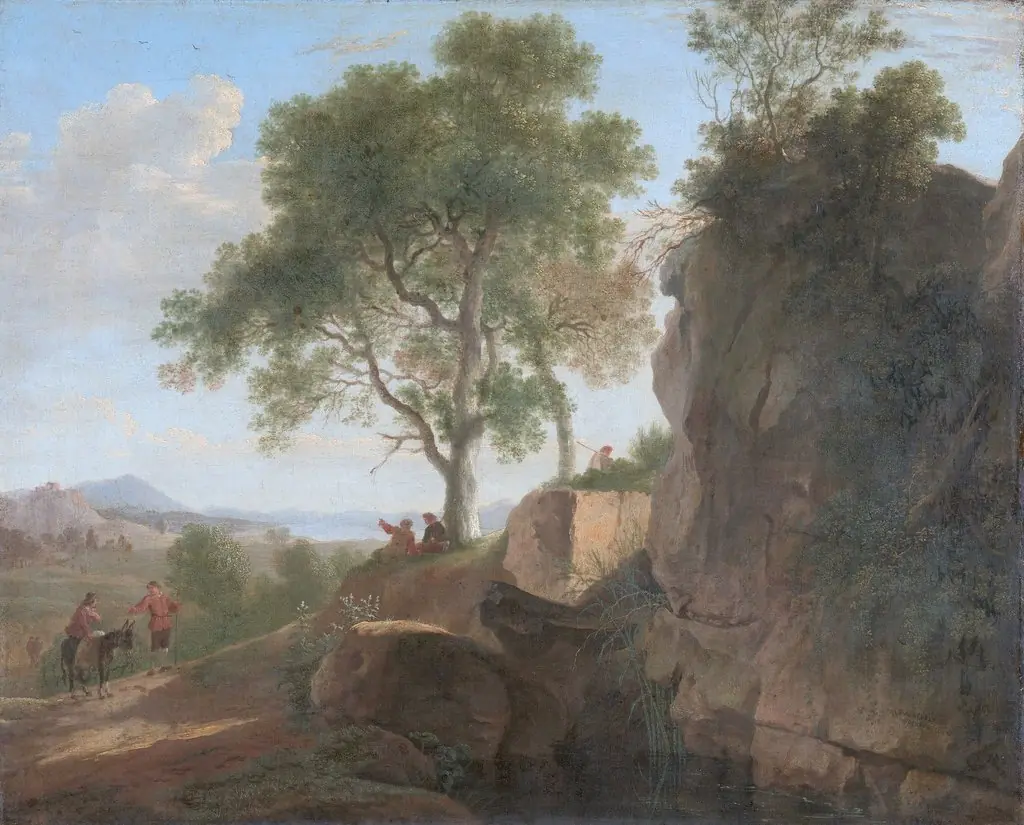
Mountainous landscape is an oil painting by the Dutch Golden Age artist Adriaen Frans Boudewyns. It dates from 1693 and is held in the collection of the Rijksmuseum.
About this work
Overview
Adriaen Frans Boudewyns, a Flemish painter active in the late 1600s, completed the oil work *Mountainous Landscape* in 1693. The canvas belongs to the landscape tradition of the Dutch Golden Age and is presently part of the Rijksmuseum’s holdings.
Subject & Meaning
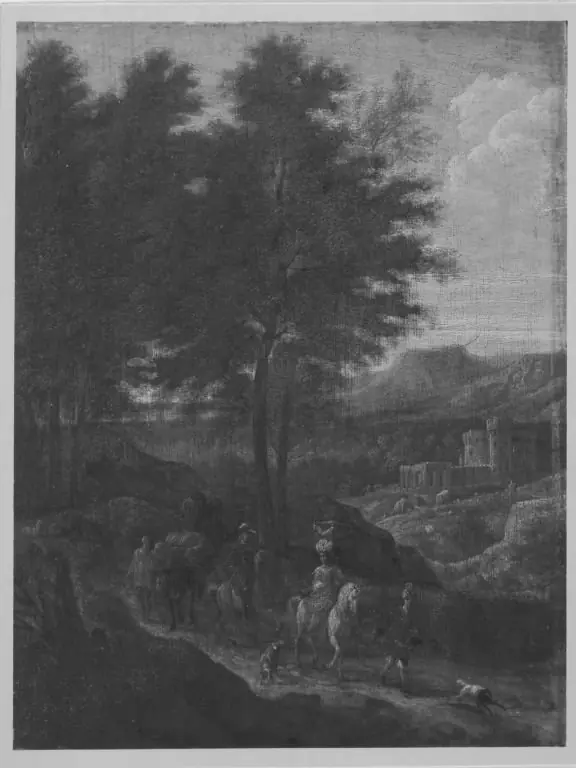
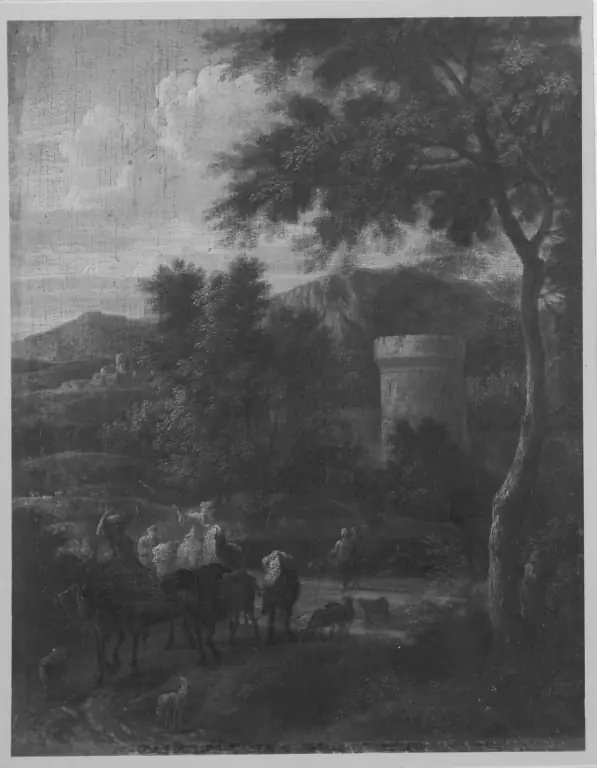
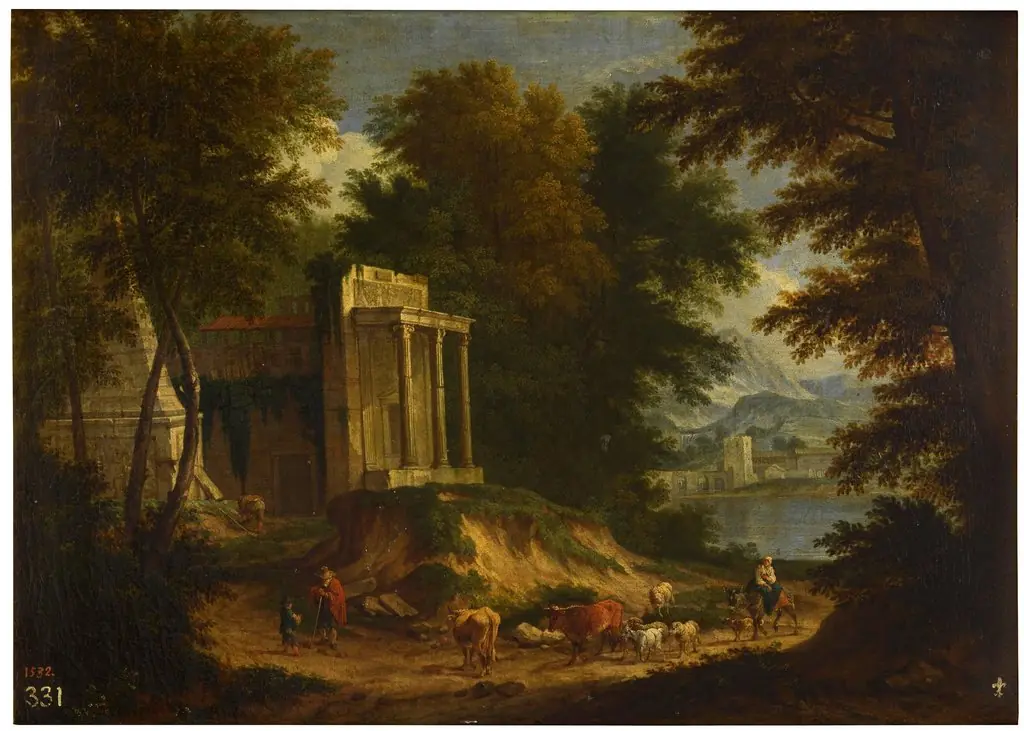
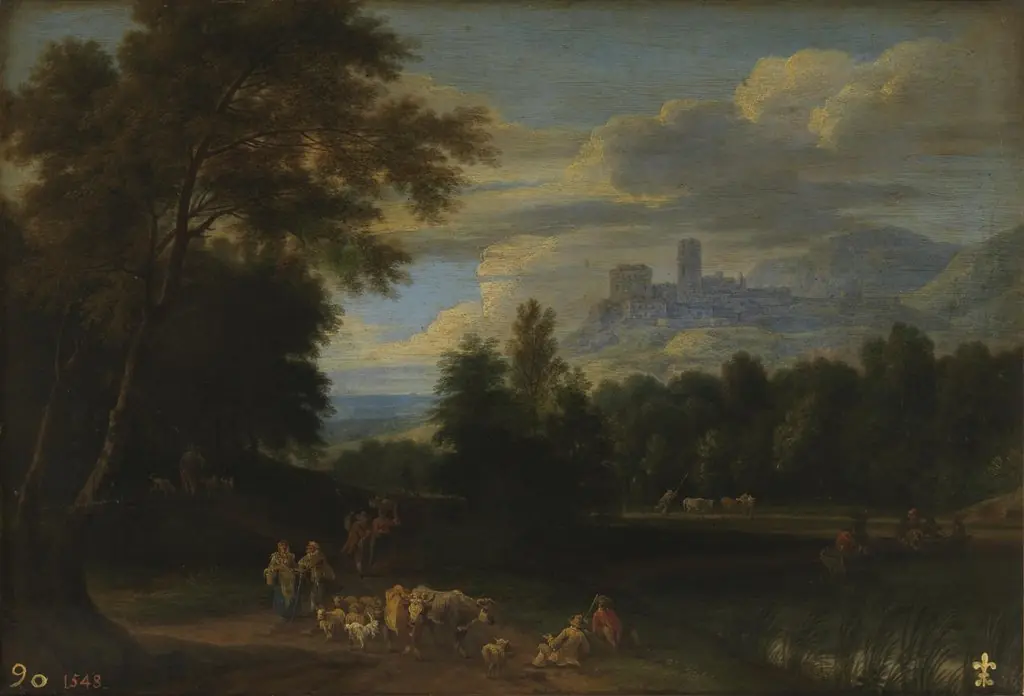
The scene depicts a tranquil rural setting: two modestly dressed figures rest on a grassy slope, one reclined and the other propped against a rock. Behind them a meandering path leads to a modest stone house capped with a tower, framed by trees and gentle hills beneath a muted sky, suggesting a peaceful, contemplative moment in nature.
Technique & Style
Boudewyns employs a restrained palette of earthy greens, browns, and a hint of sky‑blue, while soft illumination defines the solidity of trees and rocks. The handling of light and shadow creates a subtle chiaroscuro that adds depth without disrupting the calm atmosphere.
History & Provenance
Created during the artist’s mature period, the painting reflects Boudewyns’ affinity for Italianate motifs—architectural elements, winding roads, and bucolic villages—common in his oeuvre. It entered the Rijksmuseum collection, where it remains on display as an example of late‑17th‑century Flemish landscape painting.
Context
In the Dutch Golden Age, landscape painting emphasized detailed observation of natural and built environments. Boudewyns’ work aligns with this trend, integrating precise architectural forms and a serene countryside, illustrating the era’s interest in harmonious coexistence between humanity and the land.
Own this work as a print
Artist & collection
Artist
Adriaen Frans Boudewijns (Brussels, 3 October 1644 – Brussels, 3 December 1719) was a Flemish landscape painter, draughtsman and etcher.