Artwork
Prince Maurice and Frederick Henry at the Valkenburg Horse Fair
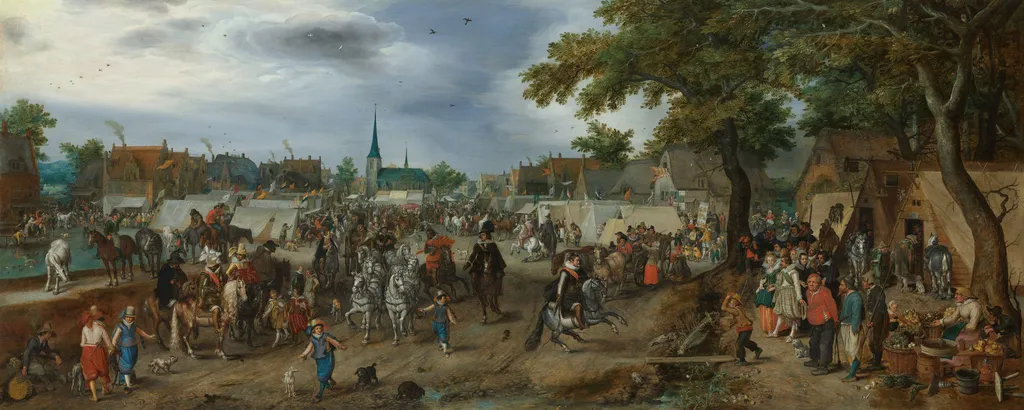
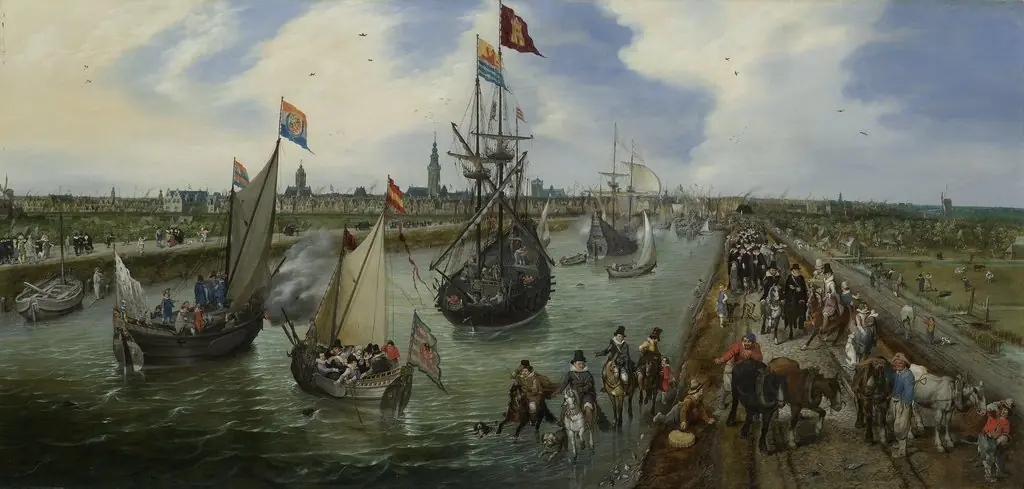
Prince Maurice and Frederick Henry at the Valkenburg Horse Fair is an oil painting by the Dutch Golden Age artist Adriaen van de Venne. It dates from 1618 and is held in the collection of the Rijksmuseum.
About this work
Overview
Earthy tones dominate, punctuated by vivid clothing and flags that draw the eye across the lively tableau.
Adriän van de Venne’s 1618 oil painting, *Prince Maurice and Frederick Henry at the Valkenburg Horse Fair*, captures a bustling market scene set against a rural landscape. The composition centers on a crowded fairground where riders, onlookers, and vendors mingle beneath a prominent tree, while distant structures frame the horizon. Earthy tones dominate, punctuated by vivid clothing and flags that draw the eye across the lively tableau.
Subject & Meaning
The work records a specific event—the Valkenburg horse fair—while foregrounding the presence of two notable figures, Prince Maurice and his half-brother Frederick Henry. Their inclusion suggests a political or ceremonial dimension, linking the commercial activity of the fair to the authority of the Dutch stadtholders. The multitude of participants and the detailed setting emphasize communal trade and social interaction in early‑17th‑century Holland.
Technique & Style
Van de Venne employs a finely detailed oil technique, rendering figures, horses, and architectural elements with crisp brushwork. The palette relies on muted browns, greens, and grays, creating a naturalistic atmosphere, while selective bright hues on garments and flags provide visual contrast. The composition balances a dense foreground with a receding background, demonstrating the artist’s skill in orchestrating complex scenes without sacrificing clarity.
History & Provenance
Created during the Dutch Golden Age, the painting reflects van de Venne’s versatility across media, including miniature work and book illustration. After its completion, the canvas entered private collections before being acquired by the Rijksmuseum, where it remains part of the permanent holdings. Its provenance traces a typical path for Dutch seventeenth‑century works, moving from aristocratic ownership to public institution.
Context
The early 1600s saw a rise in genre scenes that documented everyday life alongside portraits of elite figures. Van de Venne’s depiction aligns with this trend, merging a civic event with the representation of the ruling house. The Valkenburg fair itself was a regional hub for horse trading, making the scene both a local record and a broader statement about the prosperity of the Dutch Republic under Maurice and Frederick Henry.
Own this work as a print
Artist & collection
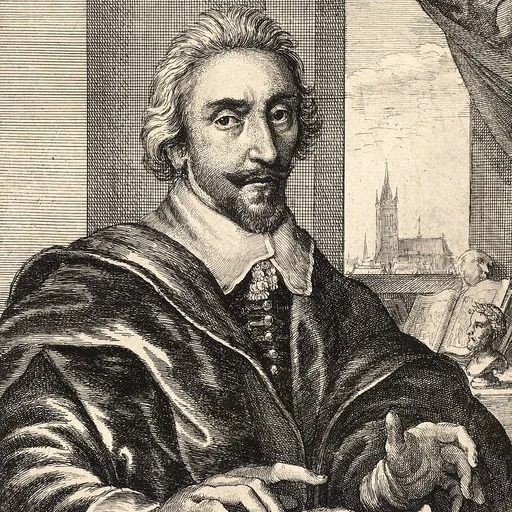
Artist
Adriaen Pietersz van de Venne (1589 – 12 November 1662), was a versatile Dutch Golden Age painter of allegories, genre subjects, and portraits, as well as a miniaturist, book illustrator, designer of political satires, and versifier.

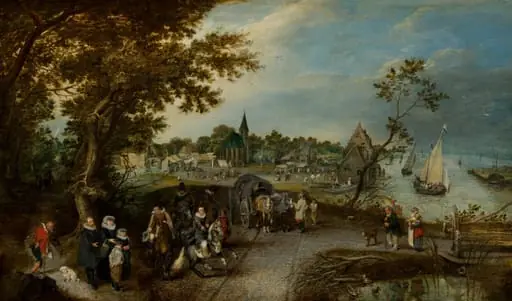 Untitled
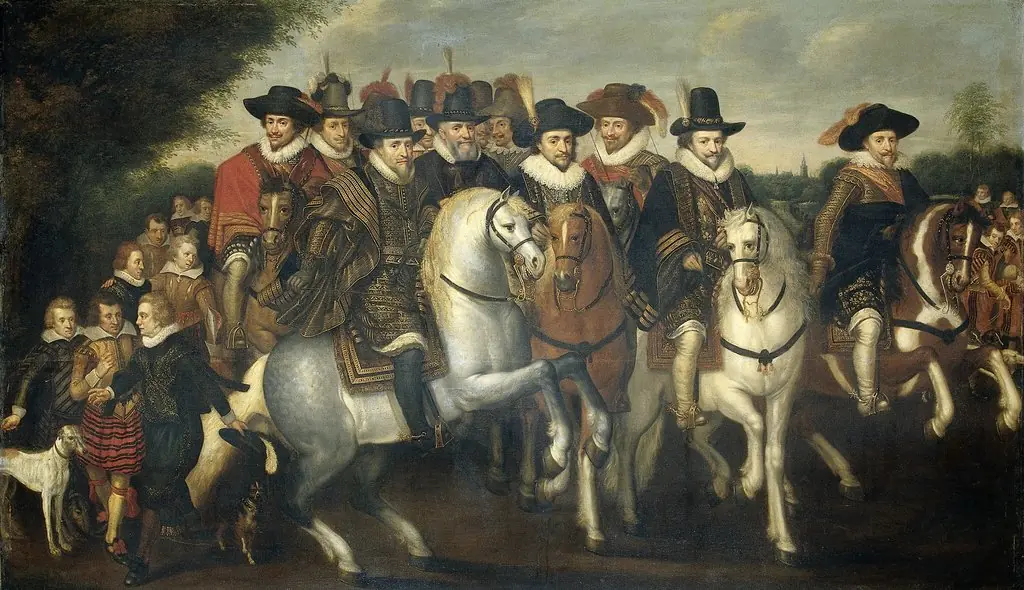 Prince Maurits accompanied by his two brothers, Frederick V, Elector of the Palatinate, and some counts of Nassau on horseback
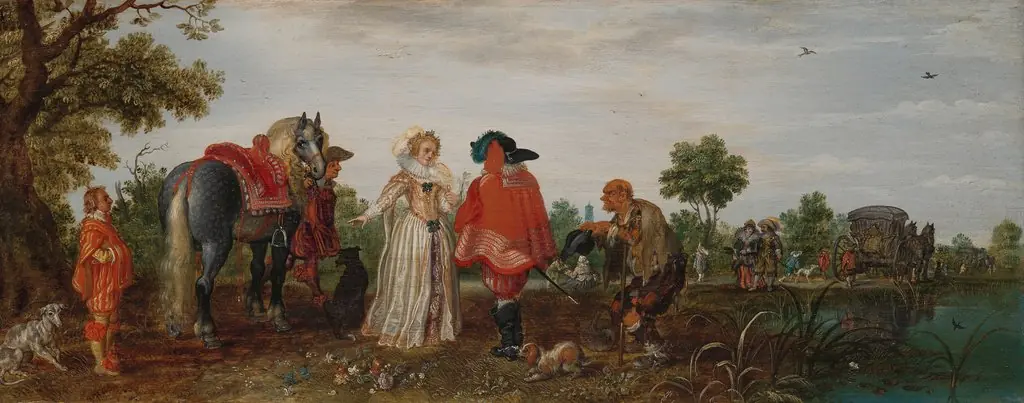 Spring
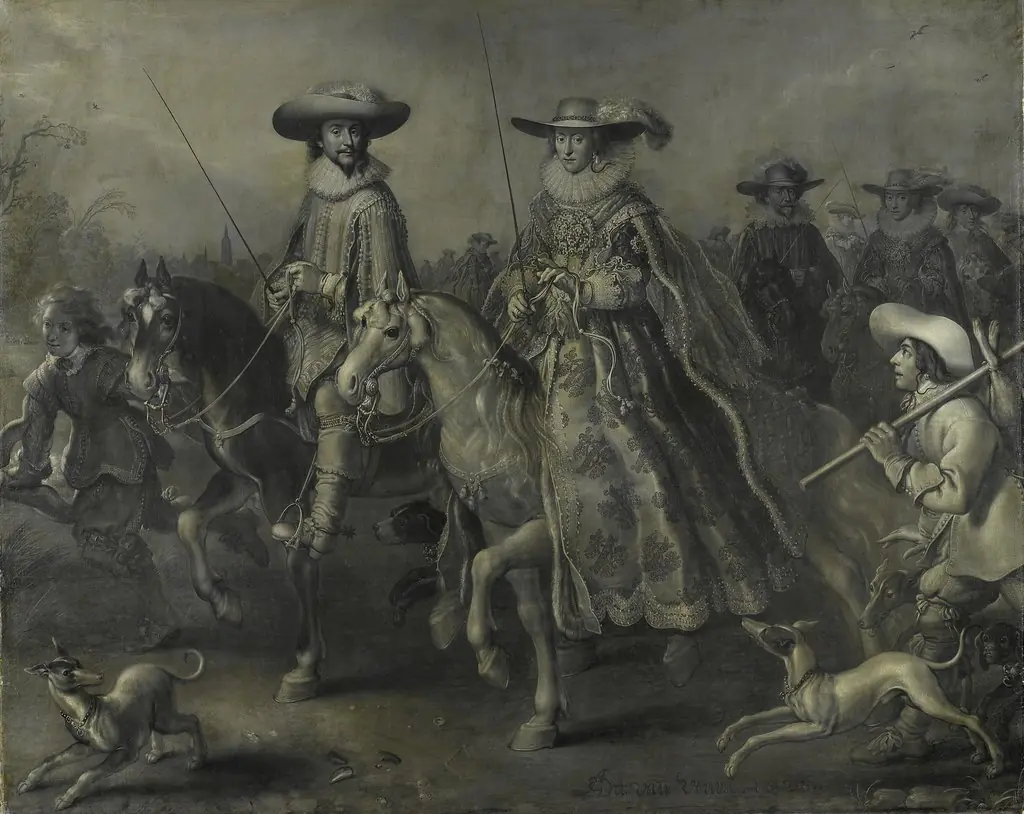 Frederick V (1596-1632), Elector of the Palatinate, King of Bohemia, and his wife Elizabeth Stuart (1596-1662) on horseback
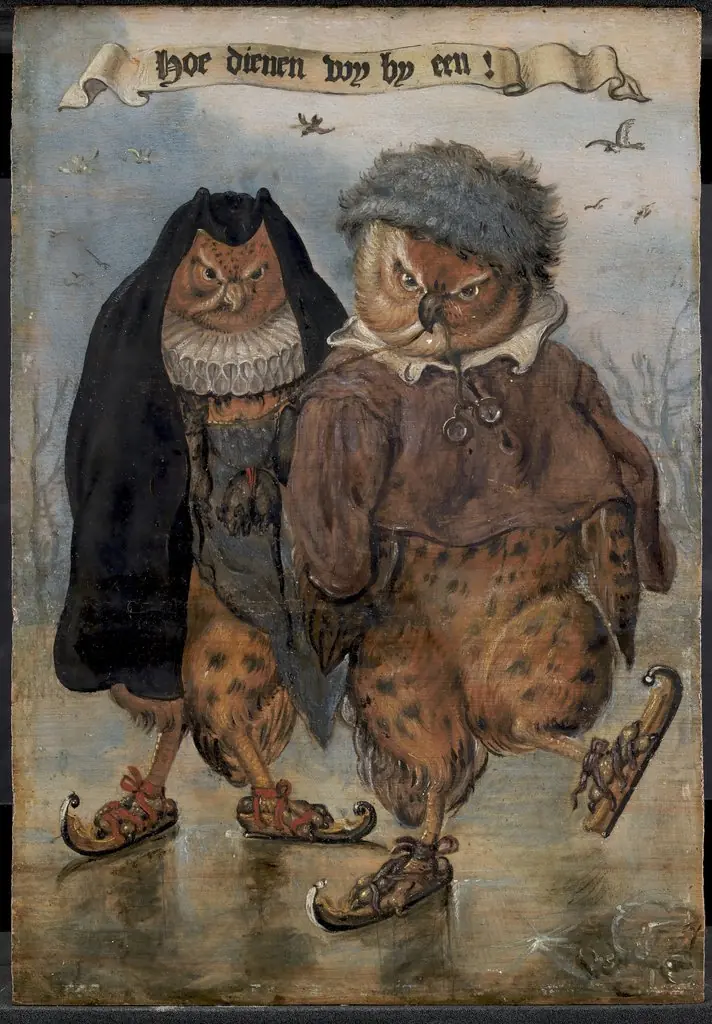 How Well We Go Together
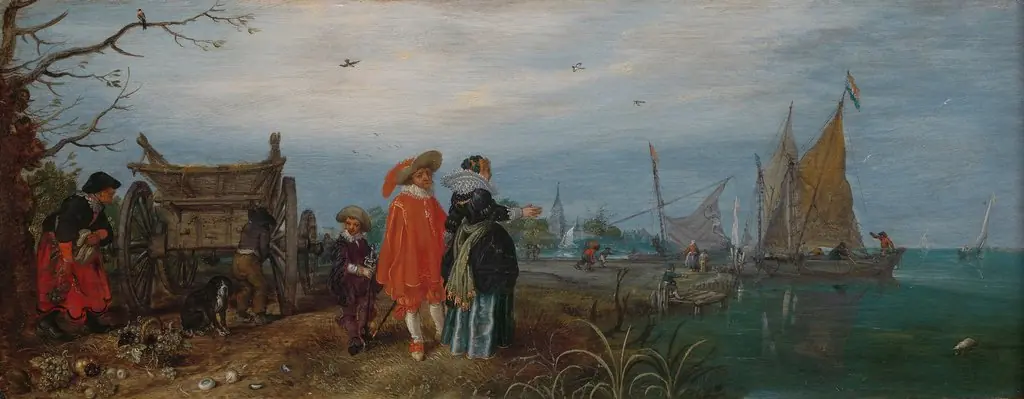 Autumn
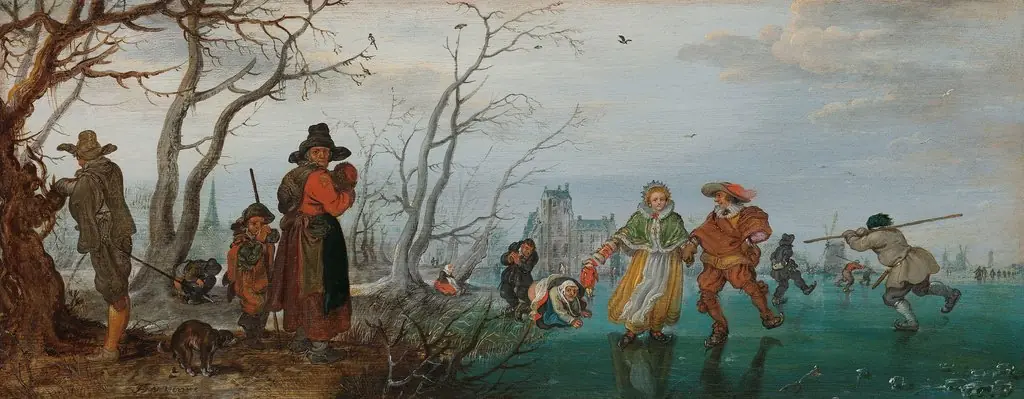 Winter
 The Departure of a Dignitary from Middelburg