Artwork
Ecce Homo (Johannes 19:4-6)
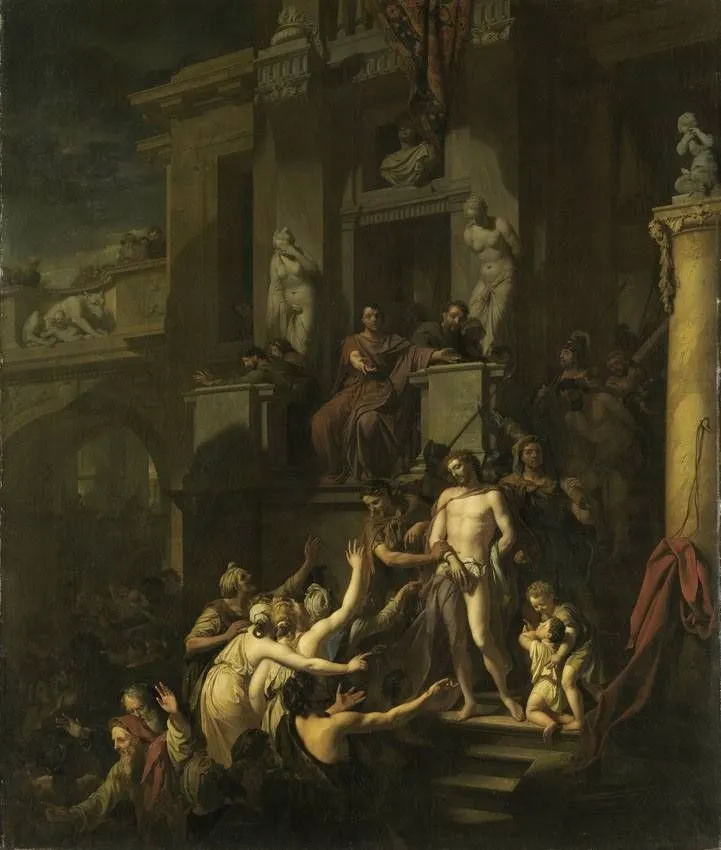
Ecce Homo (Johannes 19:4-6) is an oil painting by the Dutch Golden Age artist Adriaen van der Werff. It dates from 1700 and is held in the collection of the Bavarian State Painting Collections.
About this work
Overview
Adriaen van der Werff completed this oil painting in 1700, depicting the biblical moment when Pontius Pilate presents Jesus to the crowd.
Adriaen van der Werff completed this oil painting in 1700, depicting the biblical moment when Pontius Pilate presents Jesus to the crowd. A Dutch artist known for refined portraiture and religious subjects, van der Werff executed this work with meticulous detail and emotional restraint, aligning with the devotional tastes of his patrons, including the Medici family. The painting resides today in the Alte Pinakothek in Munich.
Subject & Meaning
The scene illustrates John 19:4–6, where Pilate presents the scourged Christ to the people, declaring, 'Behold the man.' Jesus stands bound and bare-chested, surrounded by a mixed crowd of onlookers, some reaching out, others observing from elevated balconies. The composition captures a moment of public judgment, emphasizing human indifference and the weight of impending sacrifice through silent, clustered figures.
Technique & Style
Van der Werff employs chiaroscuro to model forms with sharp contrasts between light and shadow, enhancing the three-dimensionality of skin, fabric, and stone. The figures are rendered with smooth, polished brushwork, typical of late Baroque Dutch realism. Classical architecture and sculptural elements in the background ground the scene in an idealized antiquity, reinforcing the narrative’s historical gravity.
History & Provenance
Created during van der Werff’s mature period, the painting likely originated as a private devotional commission before entering a larger collection. It was acquired by the Bavarian royal family in the 18th century and has remained in the Alte Pinakothek since its founding, preserving its original frame and condition with minimal alteration.
Context
In early 18th-century Europe, religious imagery remained central to artistic patronage, particularly among Catholic and Lutheran elites. Van der Werff’s work responded to a demand for emotionally tempered, visually refined biblical scenes that avoided overt theatricality. His integration of classical settings reflected contemporary scholarly interest in antiquity as a moral and aesthetic framework.
Legacy
Though less widely known today than his contemporaries, van der Werff’s precision and compositional control influenced regional Dutch and German devotional painting. His approach to biblical subjects—calm, detailed, and psychologically nuanced—represents a quieter strand of Baroque expression, distinct from the dynamism of Italian or Flemish counterparts.
Artist & collection
Artist
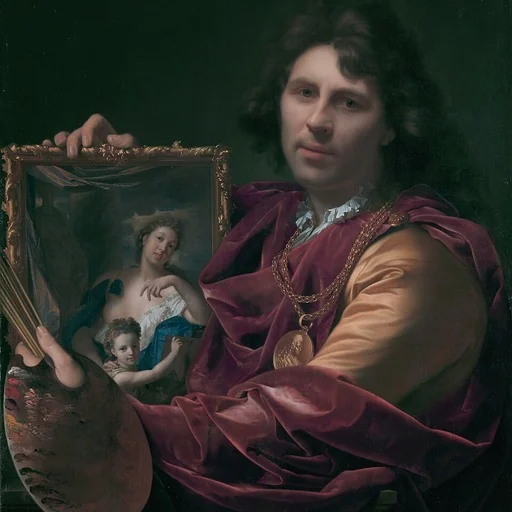
Adriaen van der Werff (21 January 1659 – 12 November 1722) was a Dutch painter of portraits and erotic, devotional and mythological scenes.

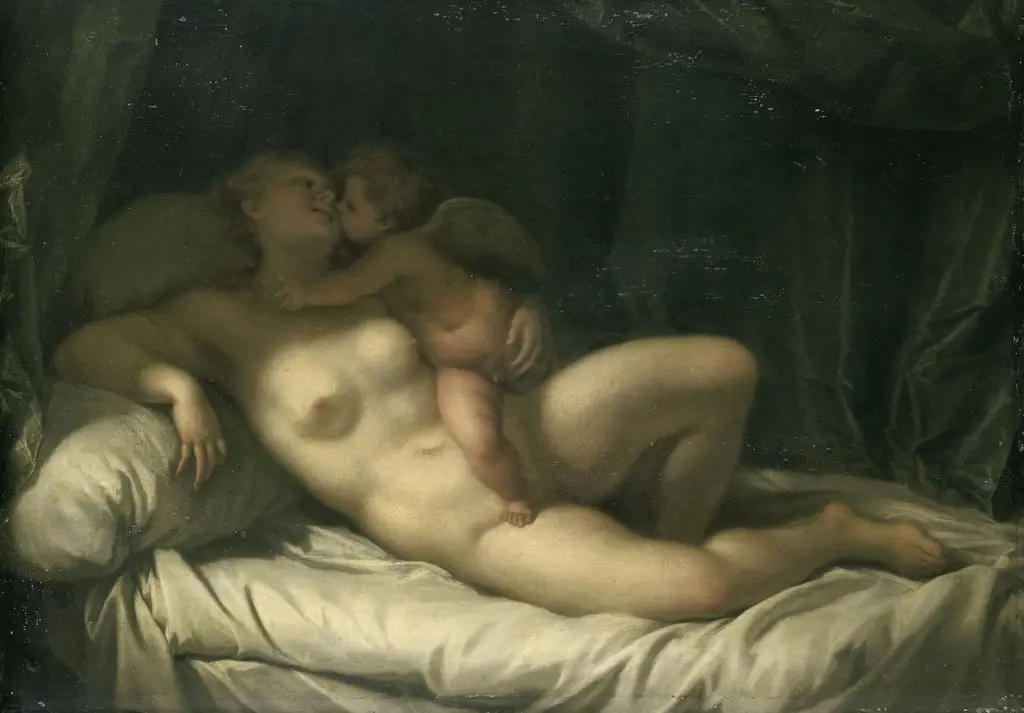 Cupid Kissing Venus (Venus Kissed by Amor)
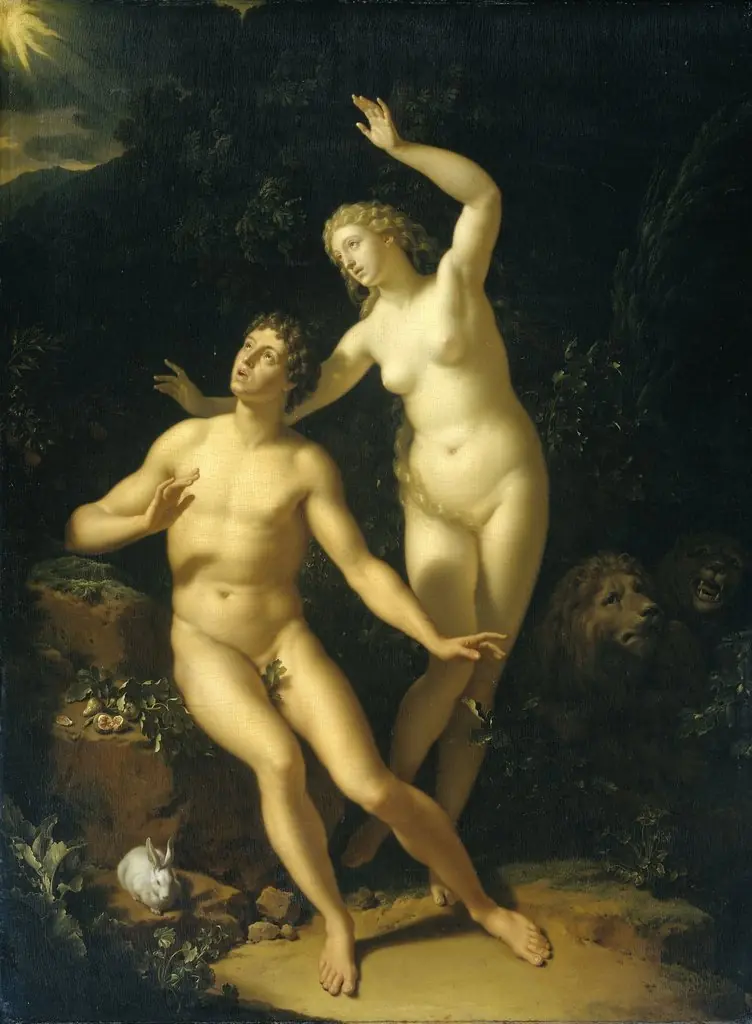 God Holds Adam and Eve Responsible
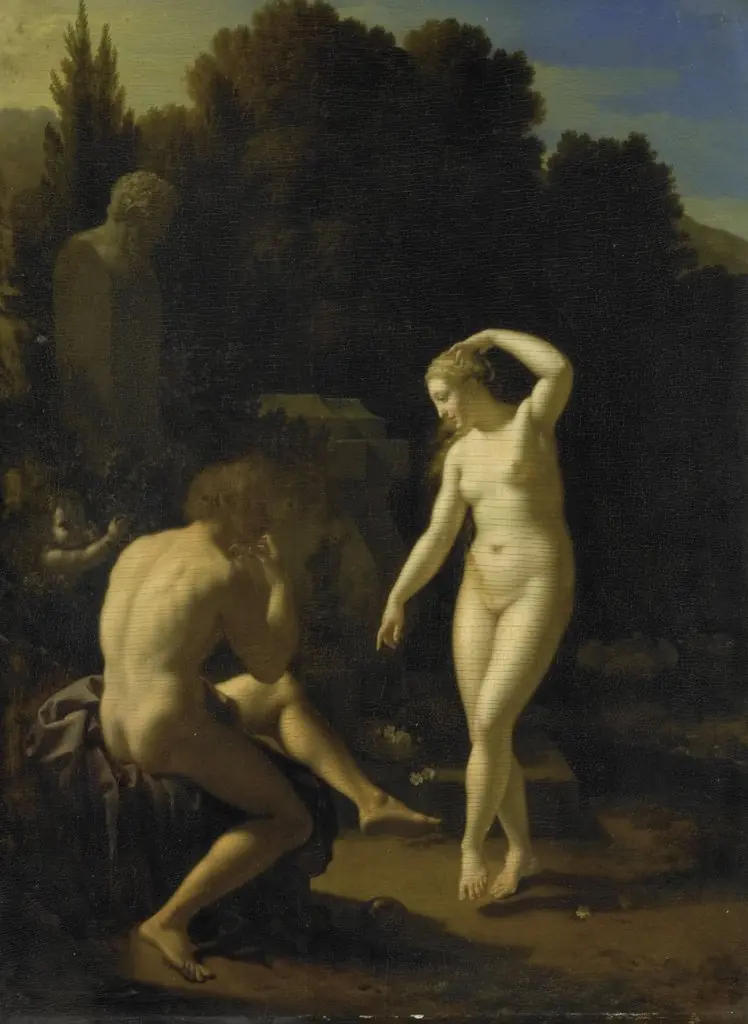 A Nymph Dancing to a Shepherd's Flute-Playing
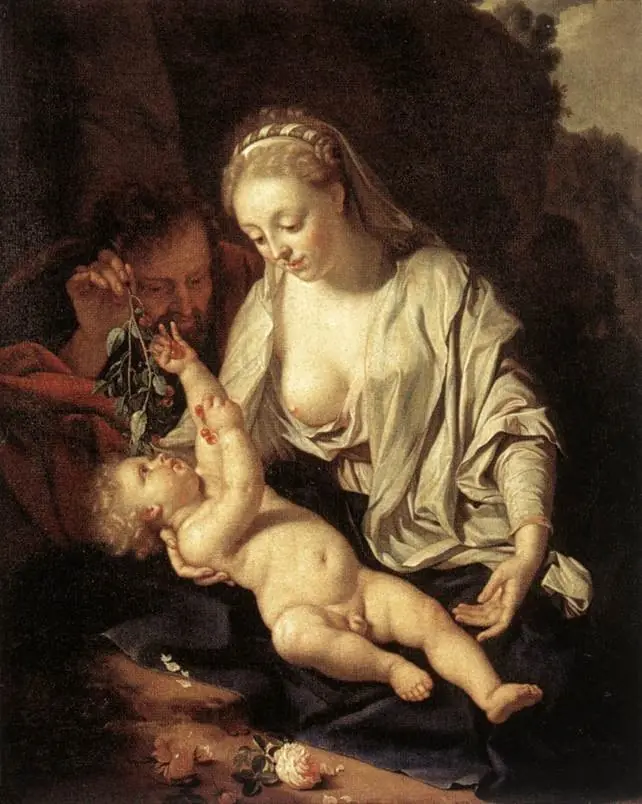 The Holy Family
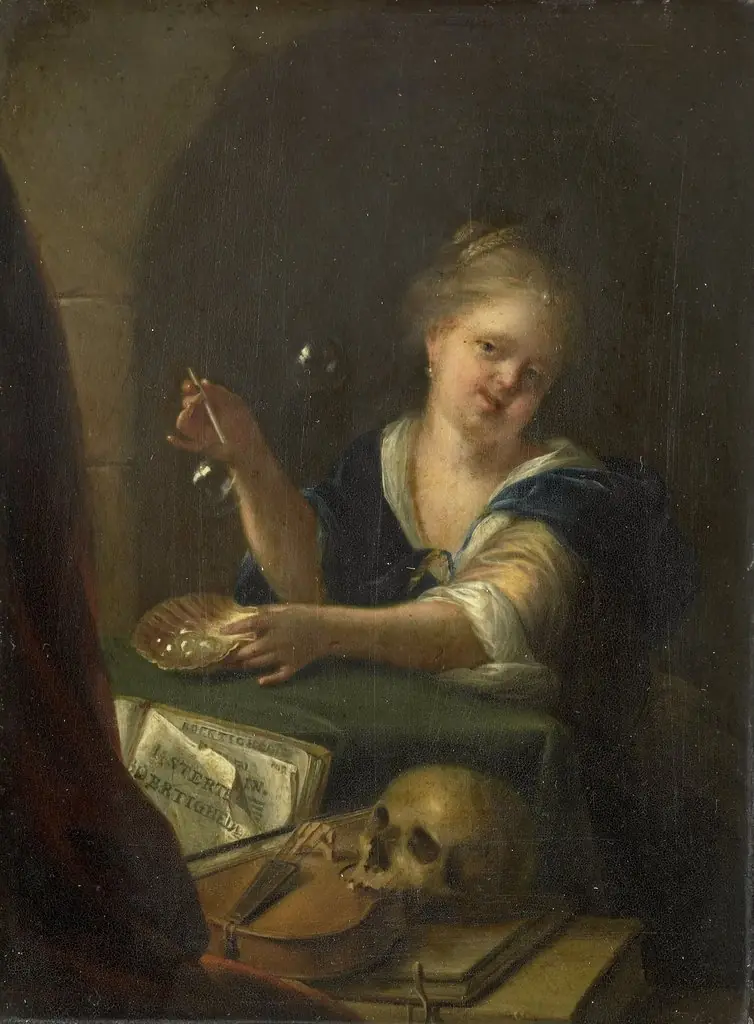 Bubble-blowing Girl with a Vanitas Still Life
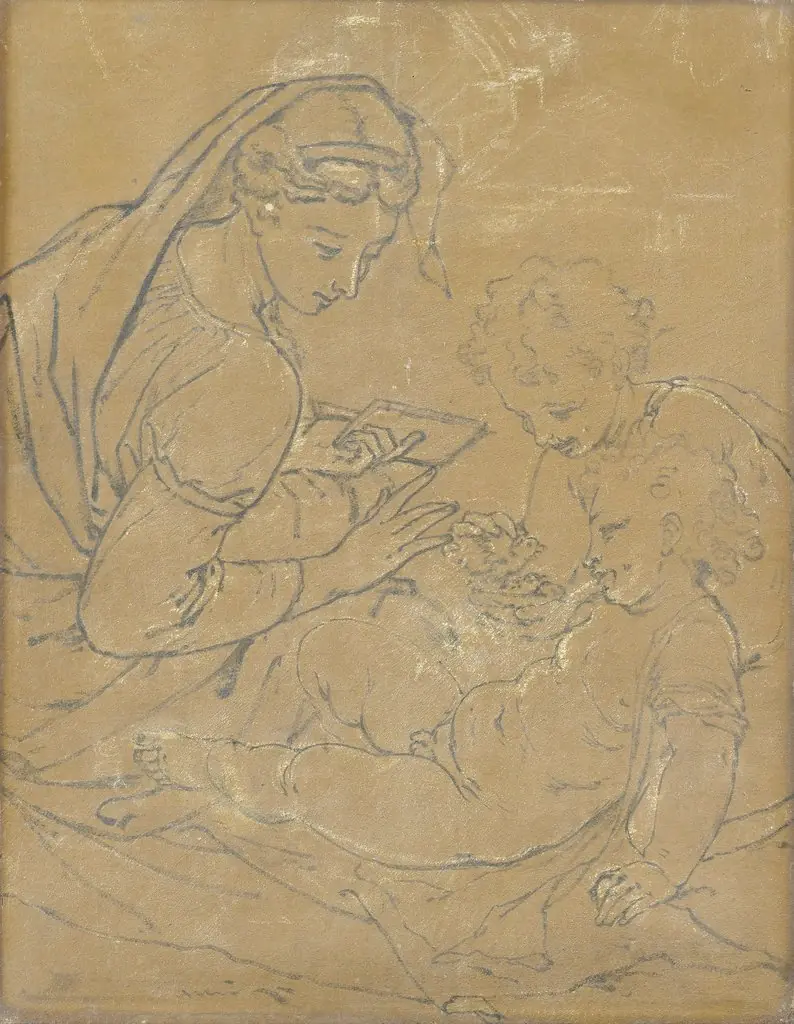 Virgin and Child with Saint John (chalk sketch)
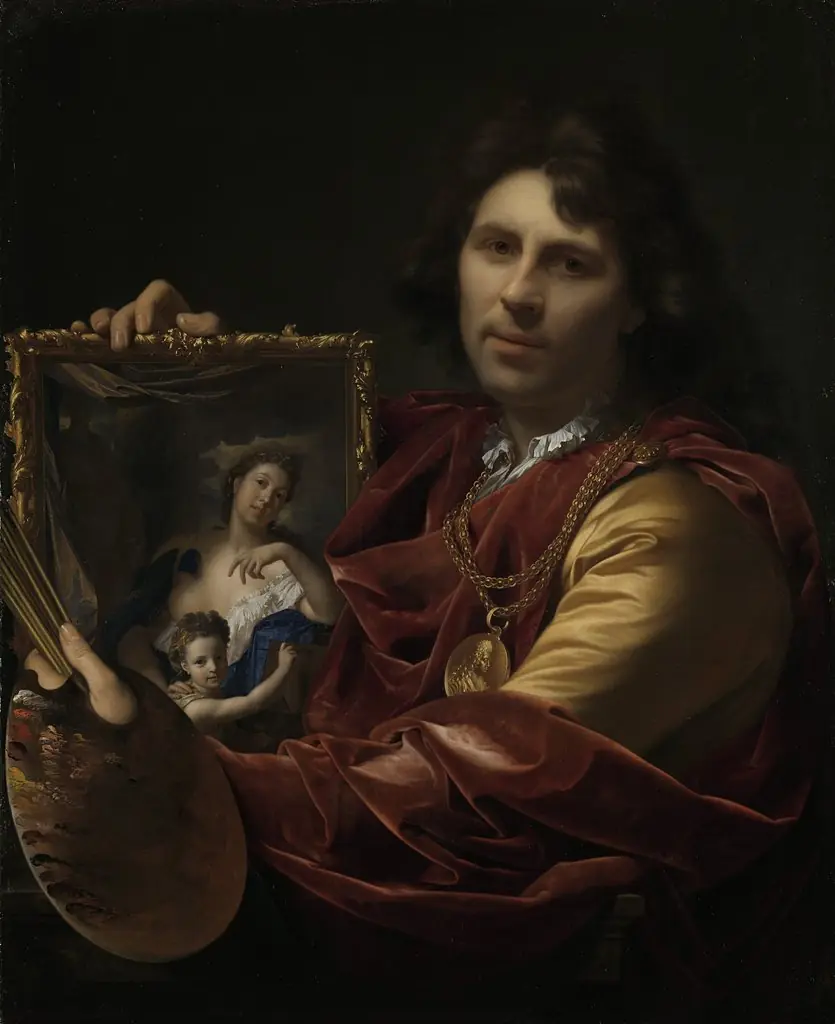 Self-portrait with the Portrait of his Wife, Margaretha van Rees, and their Daughter Maria
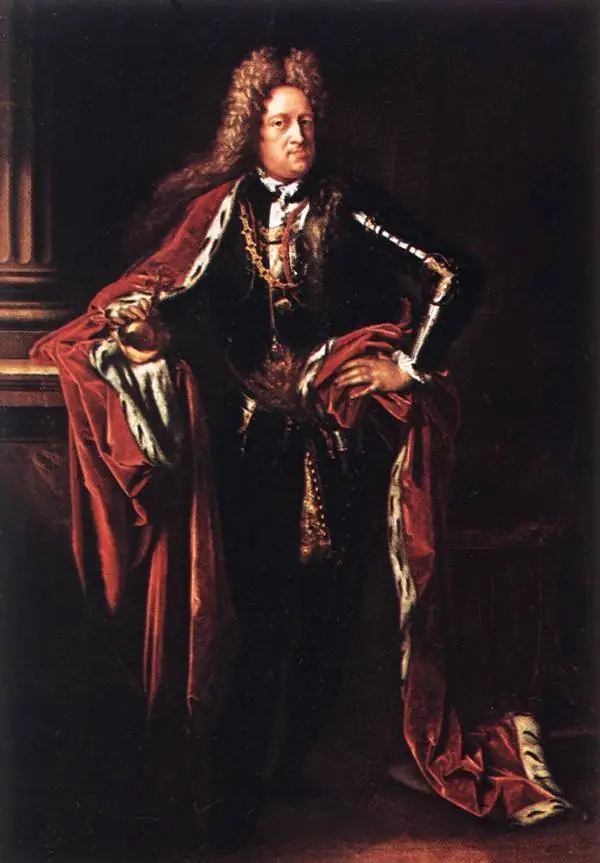 Portrait of Johann Wilhelm Elector of Palatine (1658-1716)
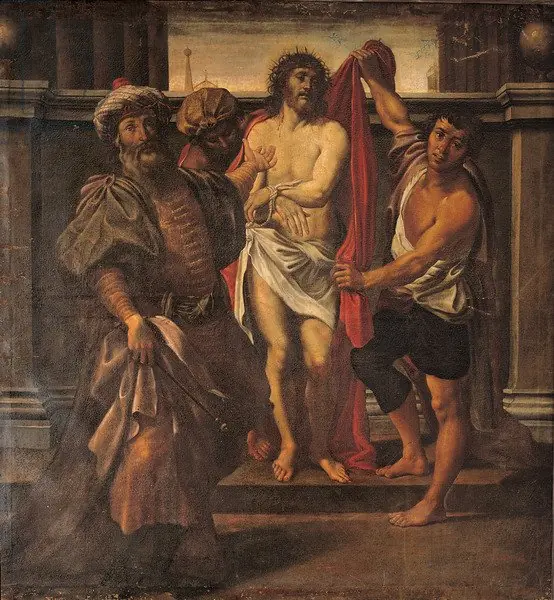 Ecce Homo
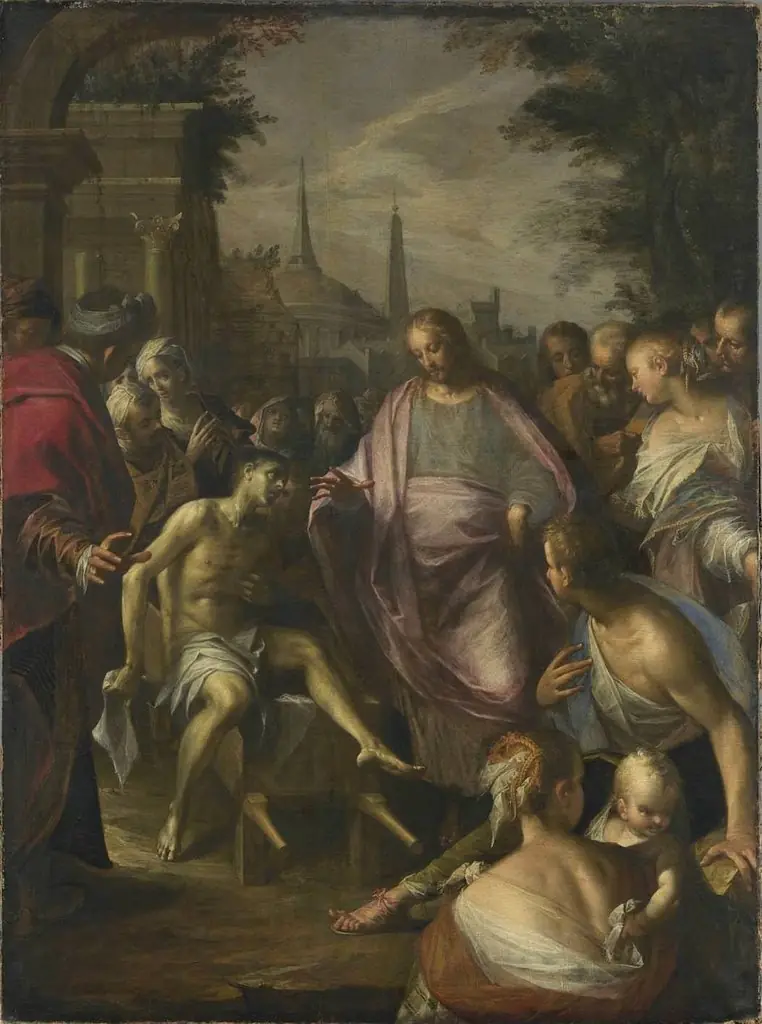 Die Auferweckung des Jünglings von Naim
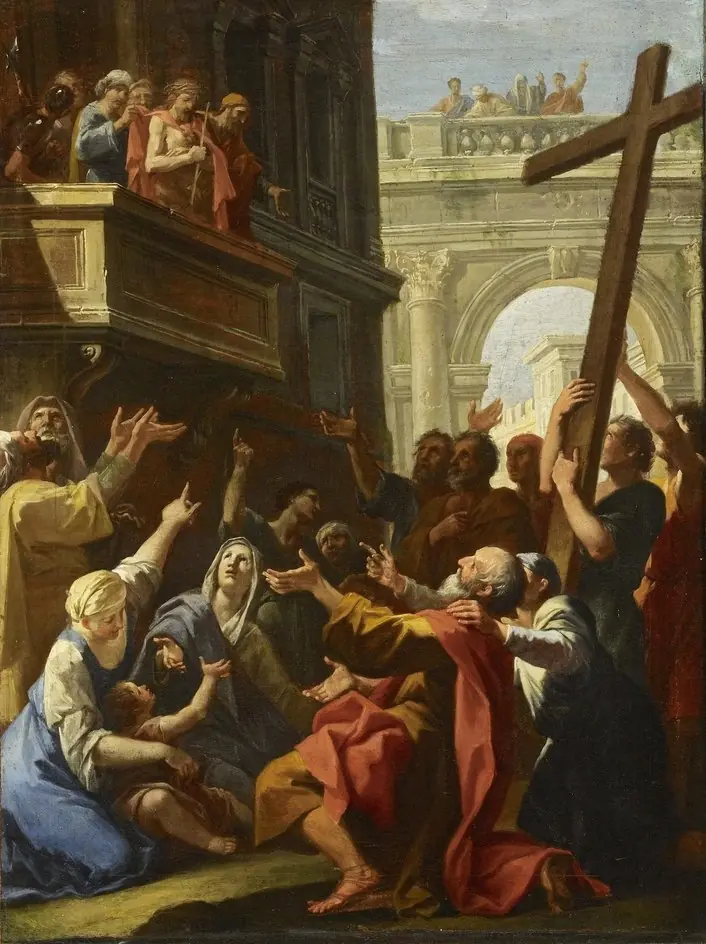 Ecce Homo
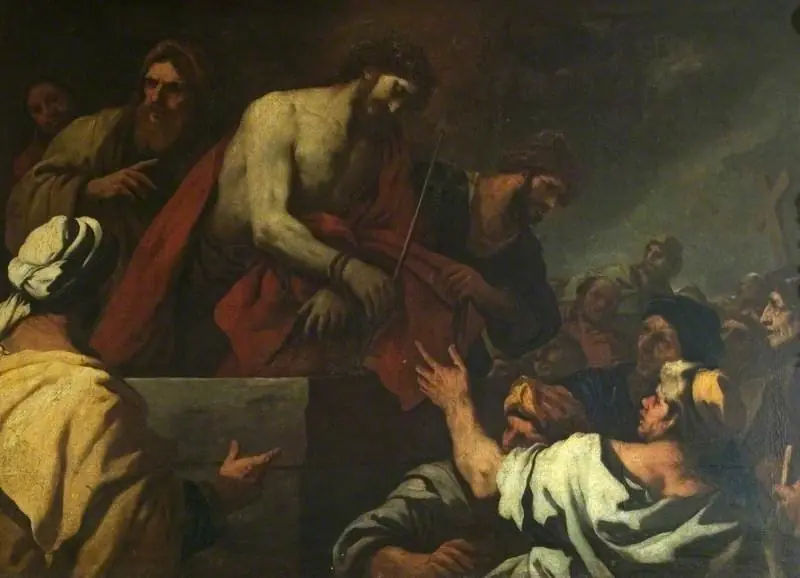 Christ Led to Calvary
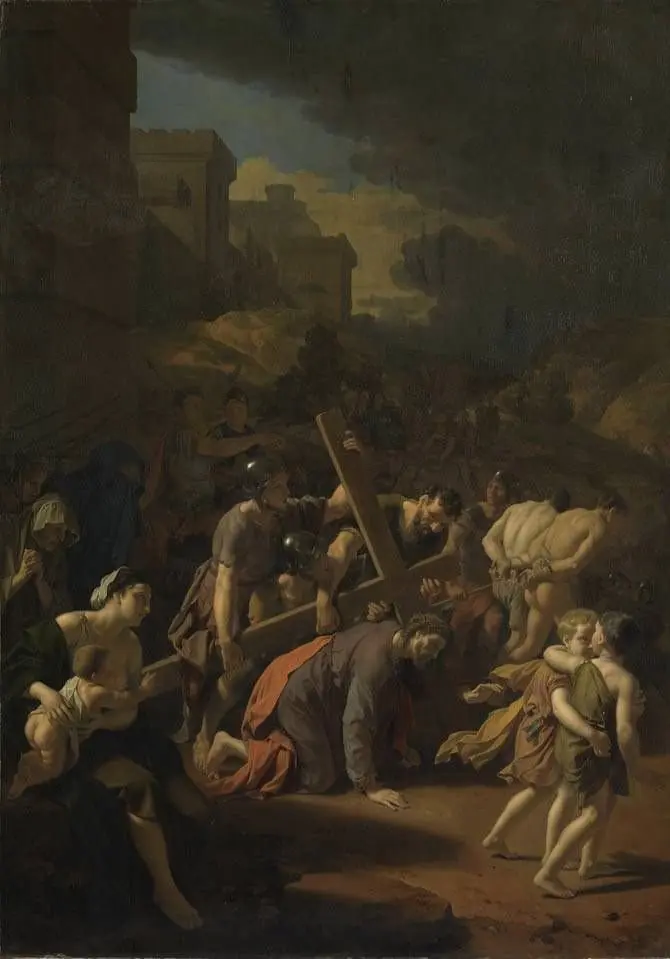 Carrying the Cross
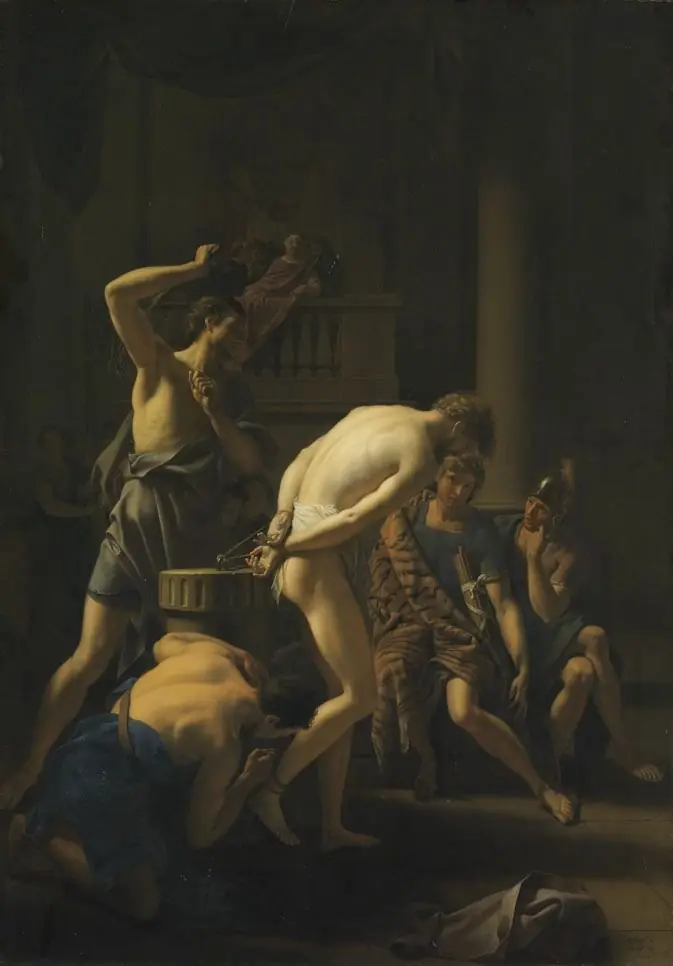 Flagellation of Christ
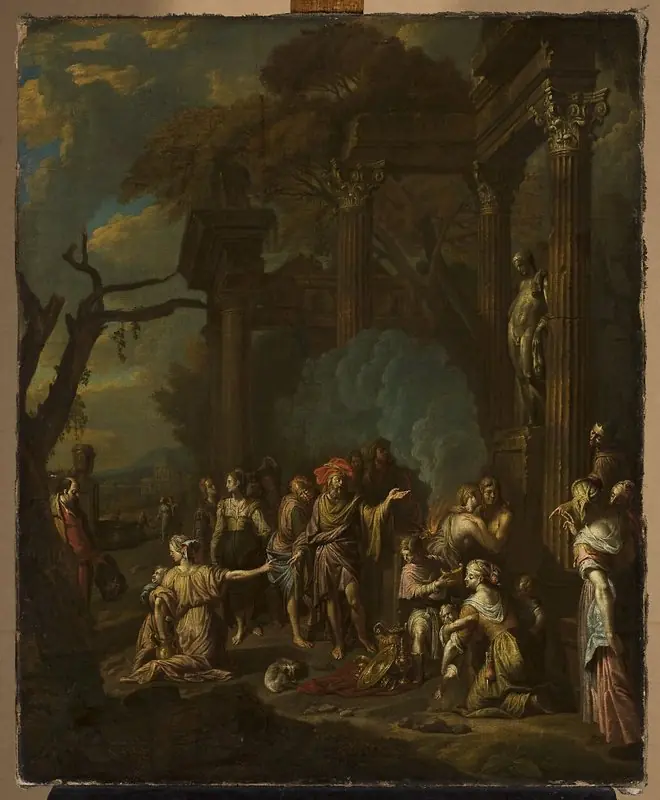 Offerings
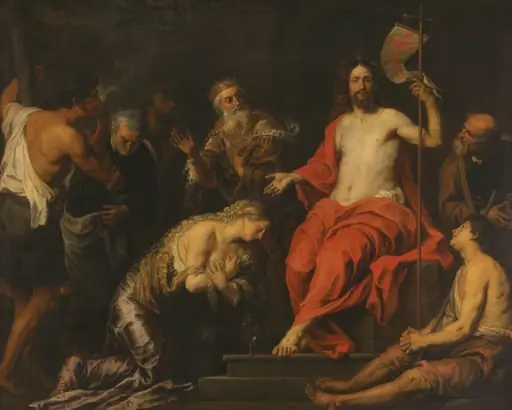 Untitled
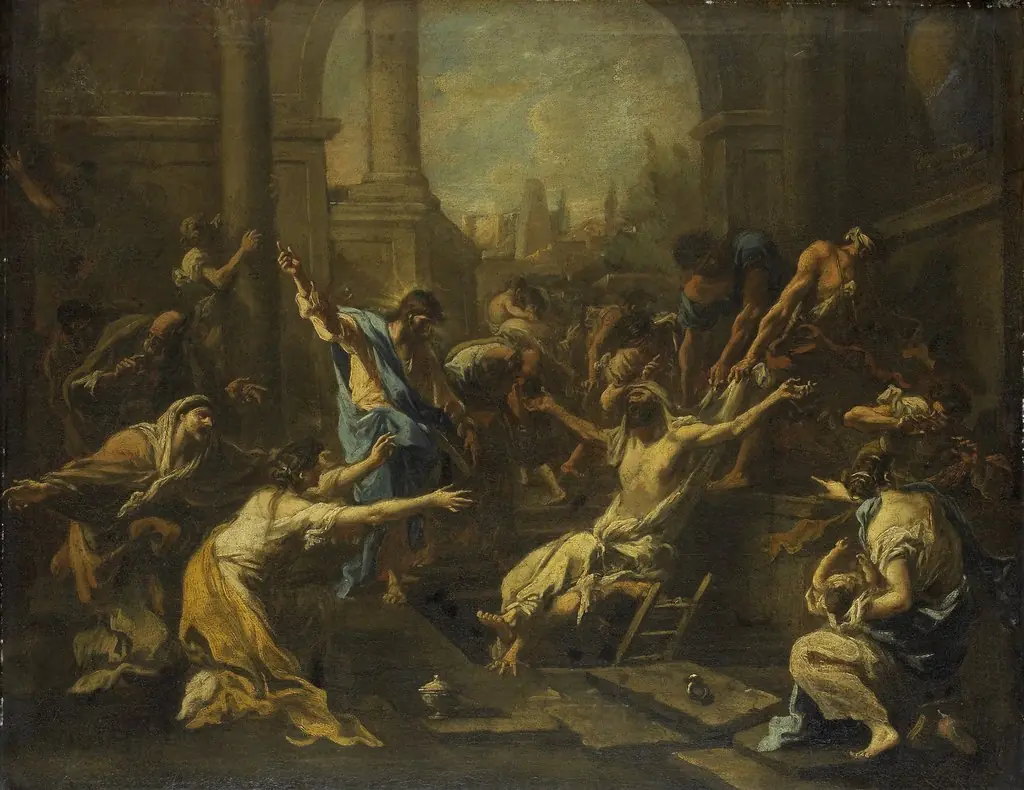 The Raising of Lazarus
 Study for "The Martyrdom of Saint Sebastian" (for the Augustinian monastery at Diessen, Germany)
 Christ and the repentant sinners
 The mocking and crowning with thorns of Christ