Artwork
Holy Family (Trinitas terrestris)
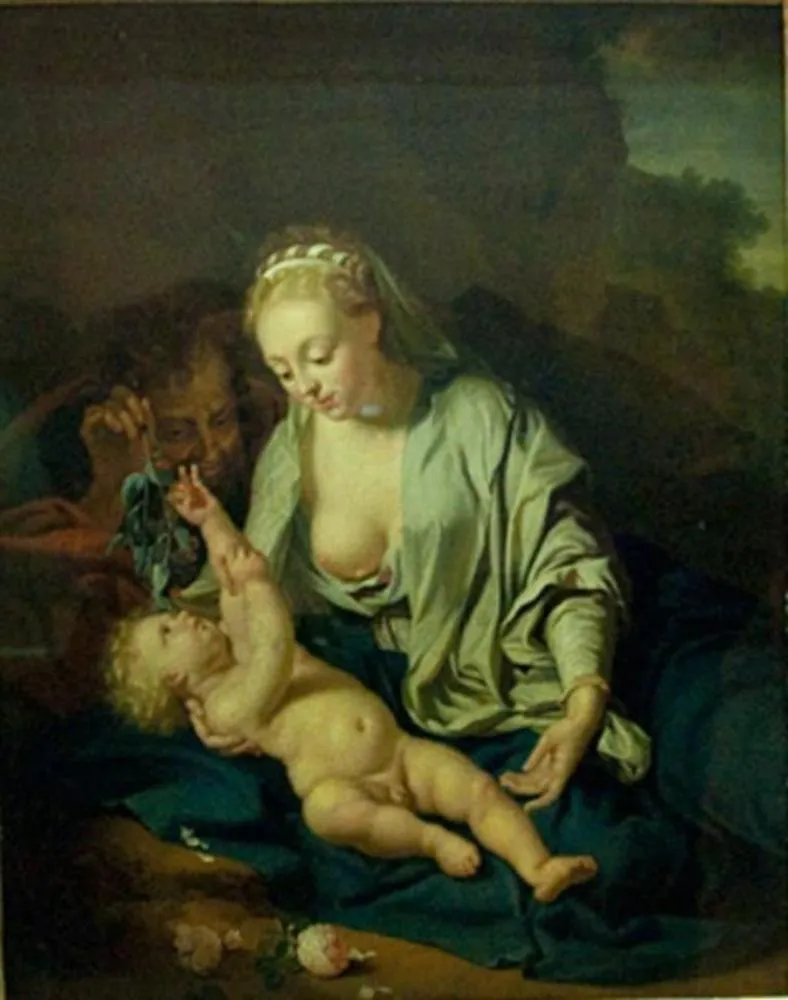
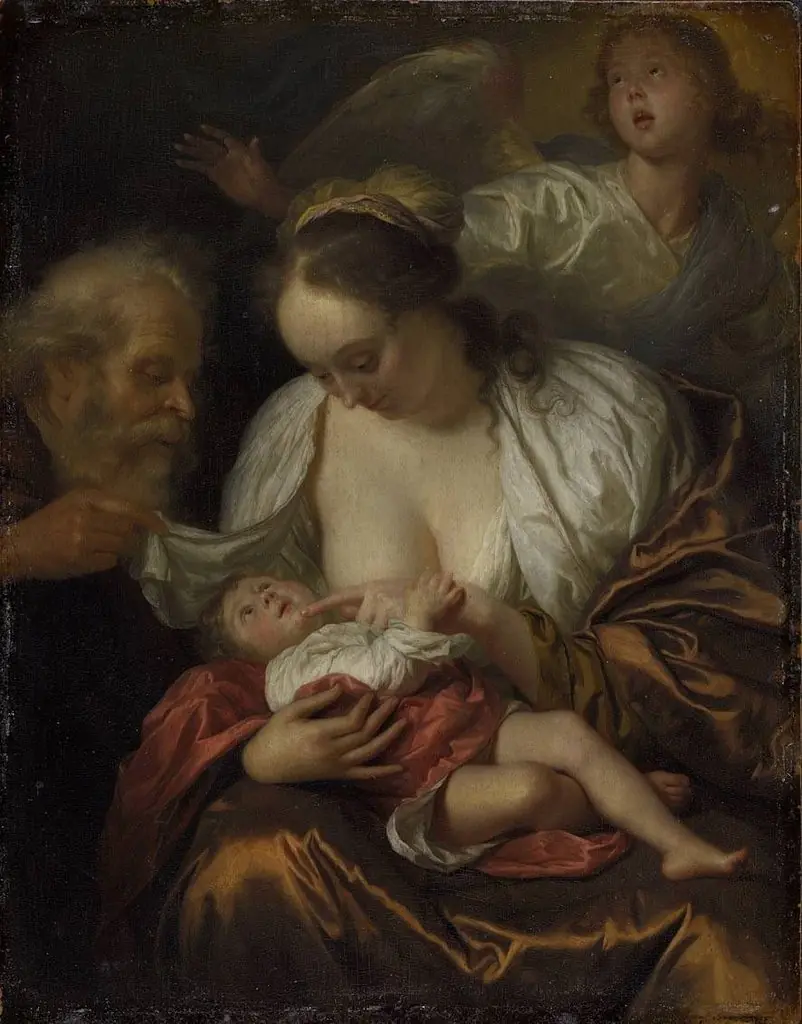
Holy Family (Trinitas terrestris) is an oil painting by the Rococo painting artist Adriaen van der Werff. It dates from 1710 and is held in the collection of the Hermitage Museum.
About this work
Overview
Adriaen van der Werff, a Dutch painter active in the early 18th century, completed the oil painting *Holy Family (Trinitas terrestris)* in 1710. The work belongs to the Rococo period and is part of the State Hermitage Museum’s collection in St. Petersburg. It presents a quiet, intimate moment involving the Virgin Mary, the infant Jesus, and a figure traditionally identified as Joseph.
Subject & Meaning
The composition centers on Mary holding the newborn Christ, whose small hand reaches toward a sprig of foliage, a subtle symbol of life and renewal. A secondary figure, positioned behind the mother, watches the scene, reinforcing the familial bond. The subdued interaction conveys a tender domesticity that emphasizes the humanity of the biblical figures.
Technique & Style
Van der Werff employs a restrained palette with a dark background that accentuates the illuminated figures. Delicate modeling of the Virgin’s drapery reveals meticulous brushwork, while the infant’s skin is rendered with a smooth, luminous quality. Light enters from the left, creating gentle chiaroscuro that adds depth and a sense of intimacy to the tableau.
History & Provenance
Created in 1710, the painting entered the State Hermitage Museum’s holdings during the 19th‑century expansion of the imperial collection. Its presence in the Hermitage reflects the Russian court’s long‑standing interest in Dutch art and the broader European market for religious works during the Rococo era.
Artist & collection
Artist
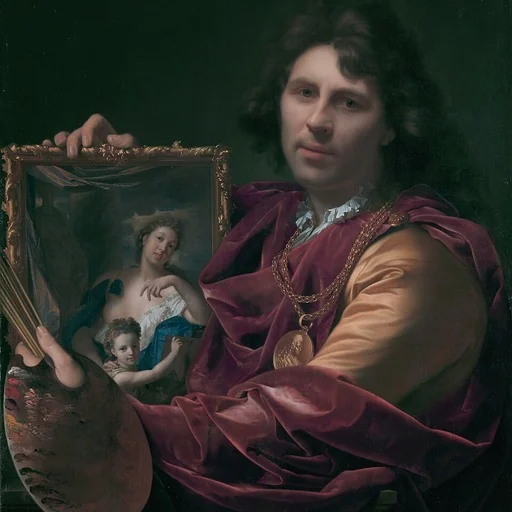
Adriaen van der Werff (21 January 1659 – 12 November 1722) was a Dutch painter of portraits and erotic, devotional and mythological scenes.

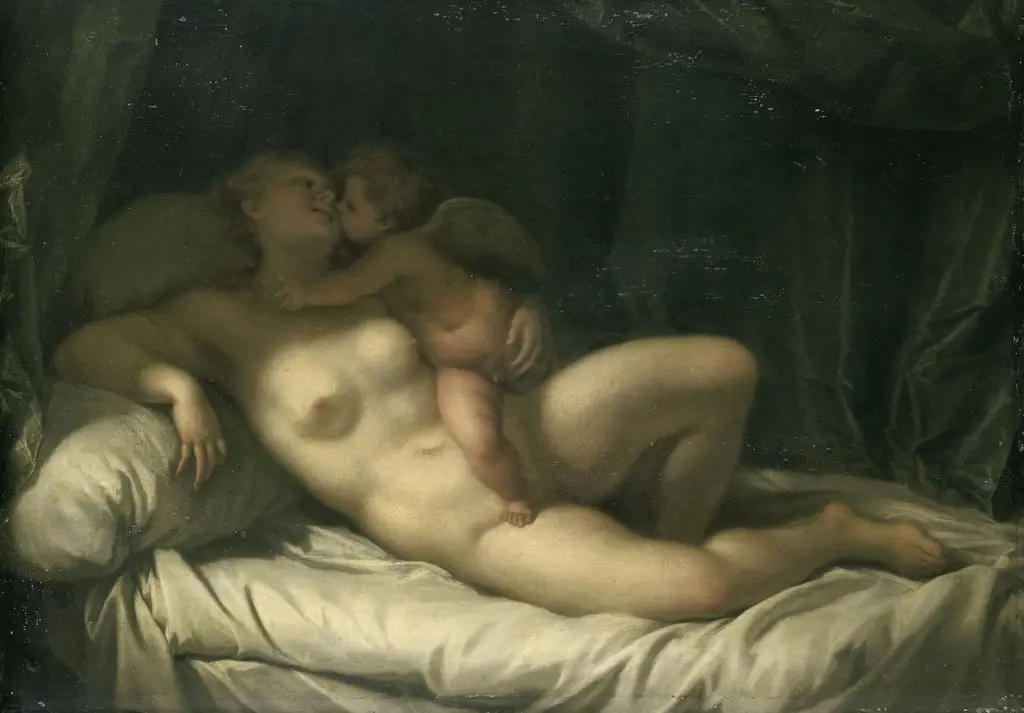 Cupid Kissing Venus (Venus Kissed by Amor)
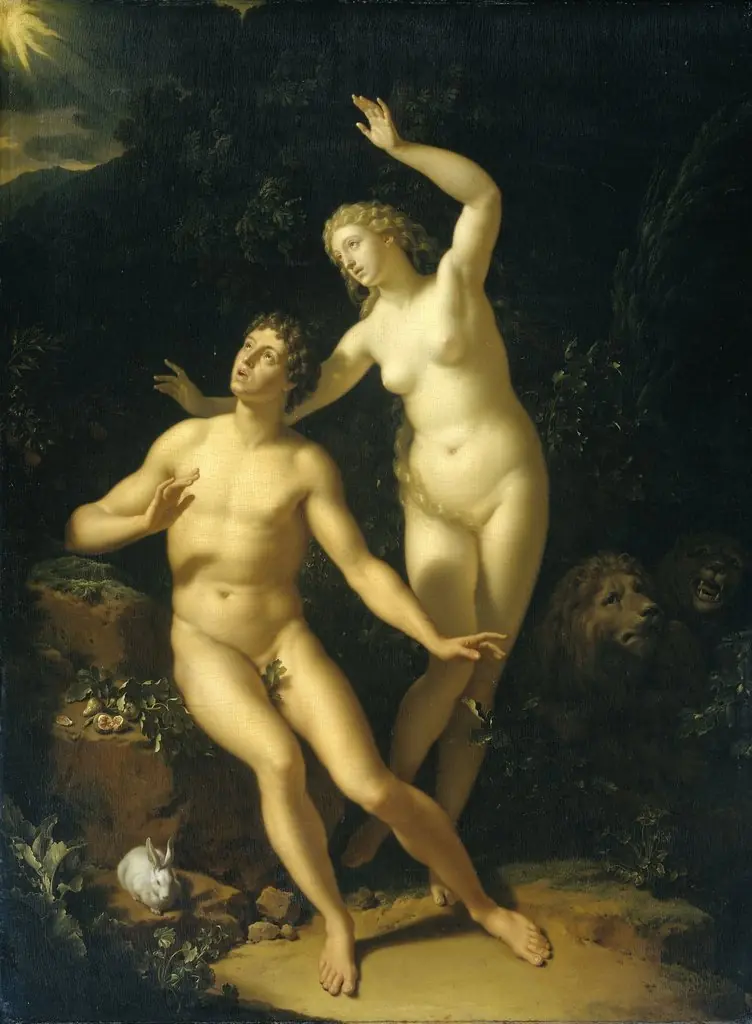 God Holds Adam and Eve Responsible
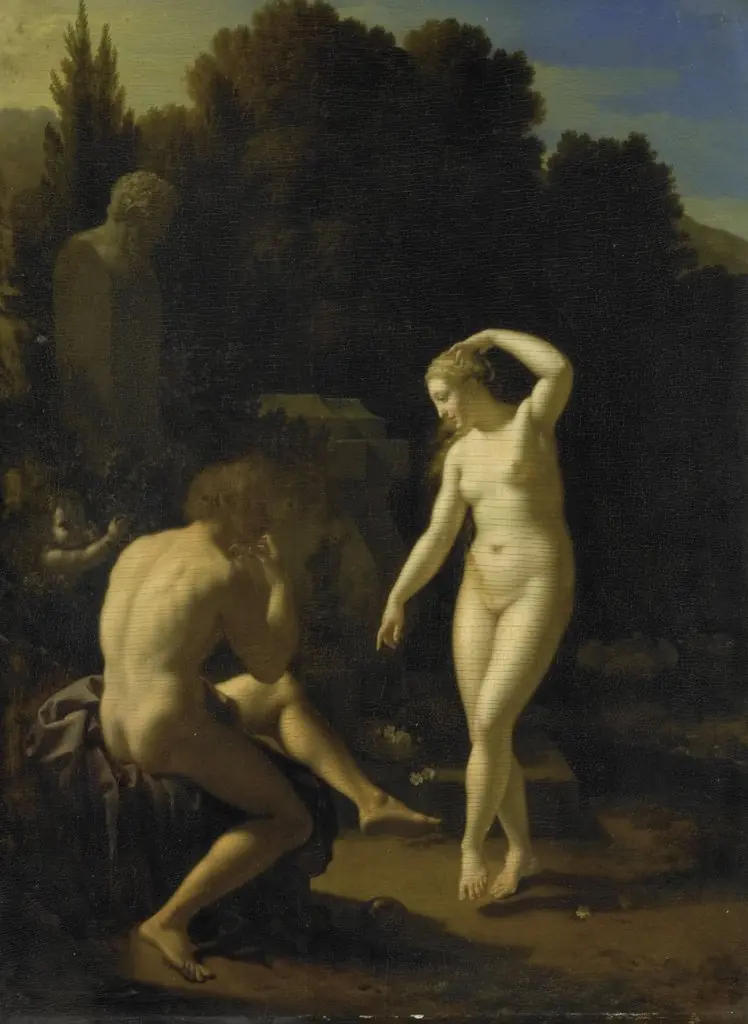 A Nymph Dancing to a Shepherd's Flute-Playing
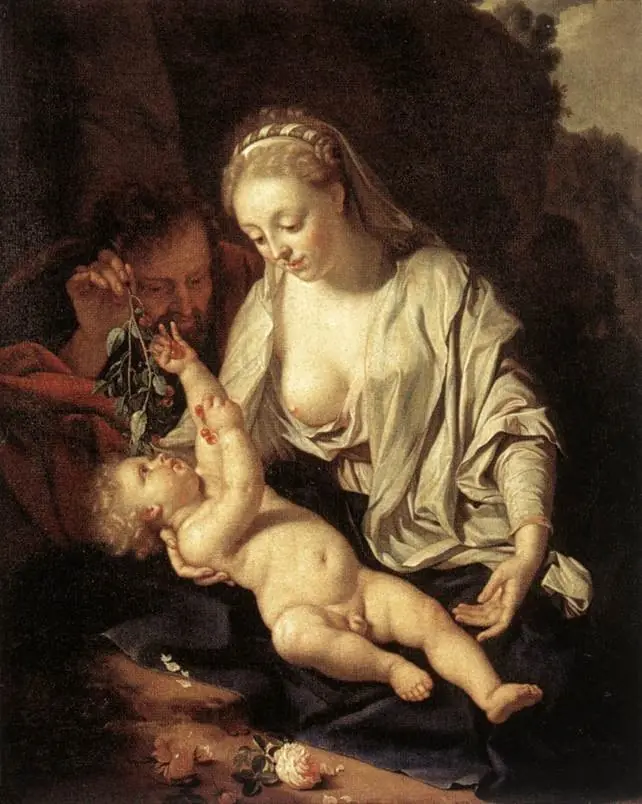 The Holy Family
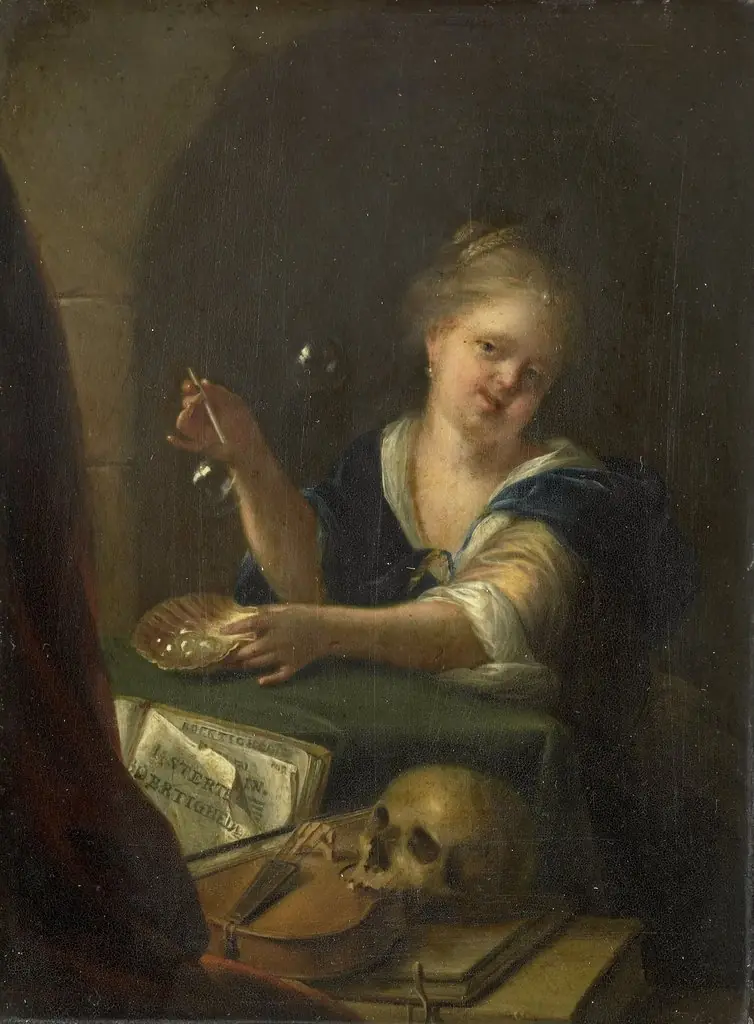 Bubble-blowing Girl with a Vanitas Still Life
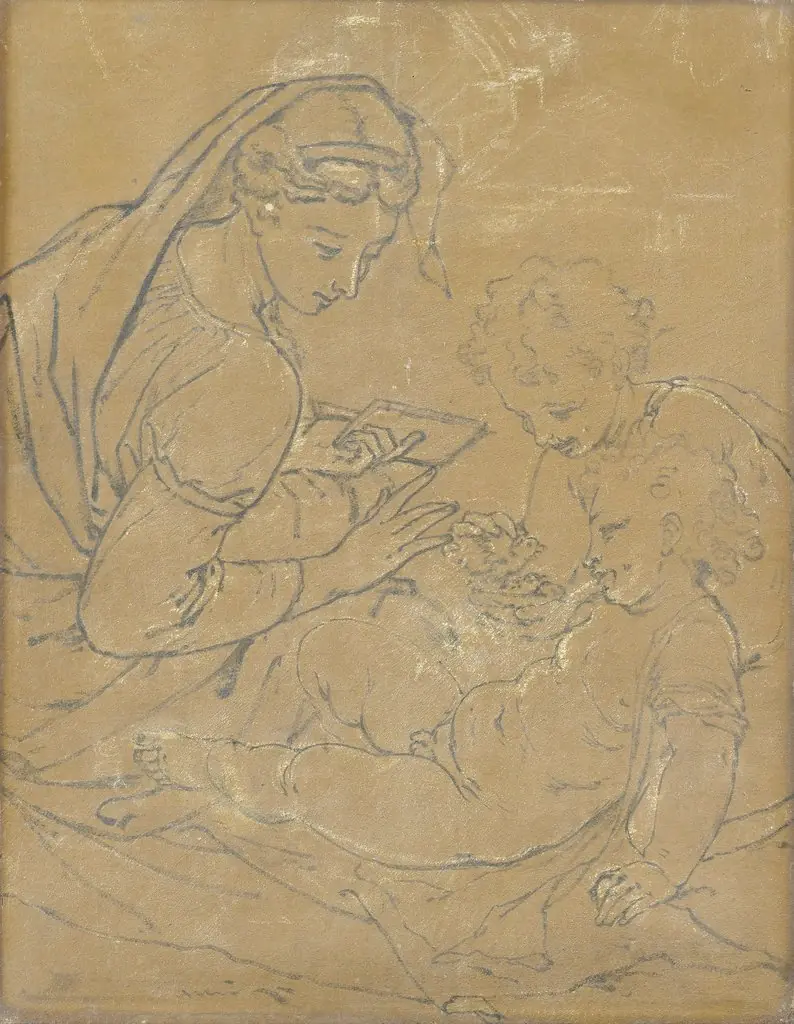 Virgin and Child with Saint John (chalk sketch)
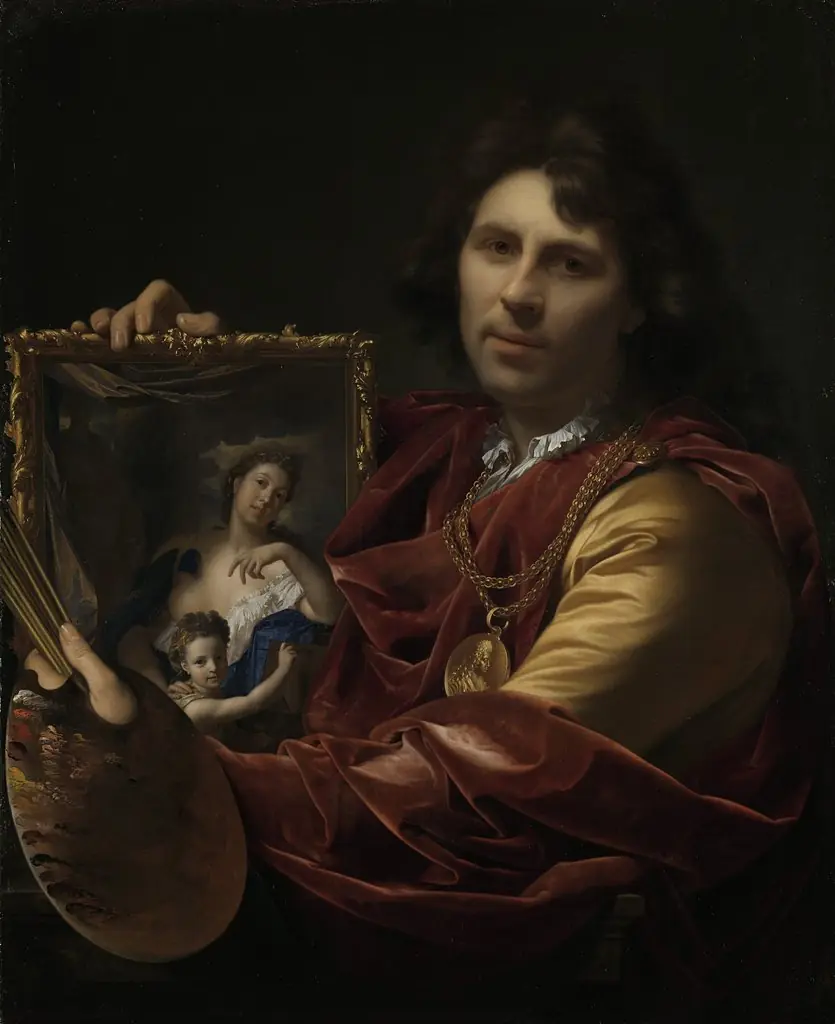 Self-portrait with the Portrait of his Wife, Margaretha van Rees, and their Daughter Maria
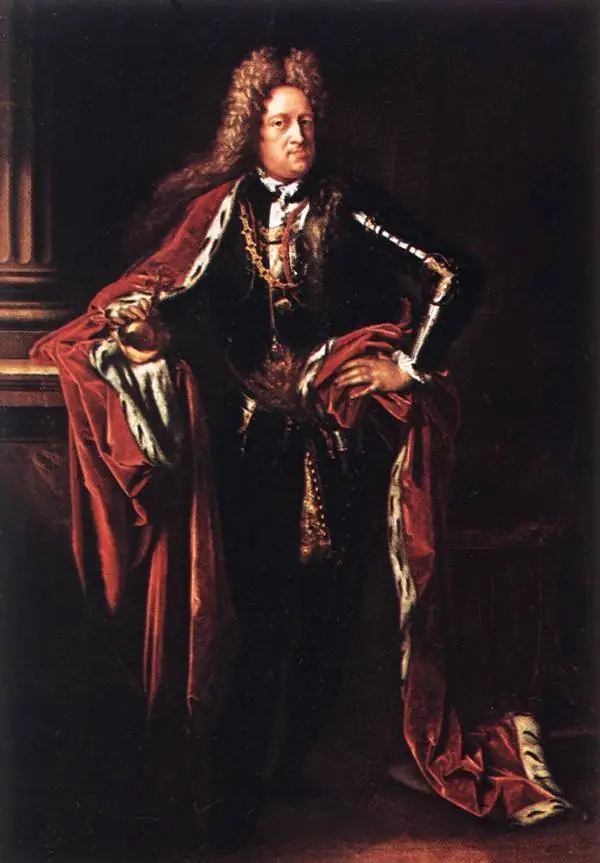 Portrait of Johann Wilhelm Elector of Palatine (1658-1716)
 Holy family
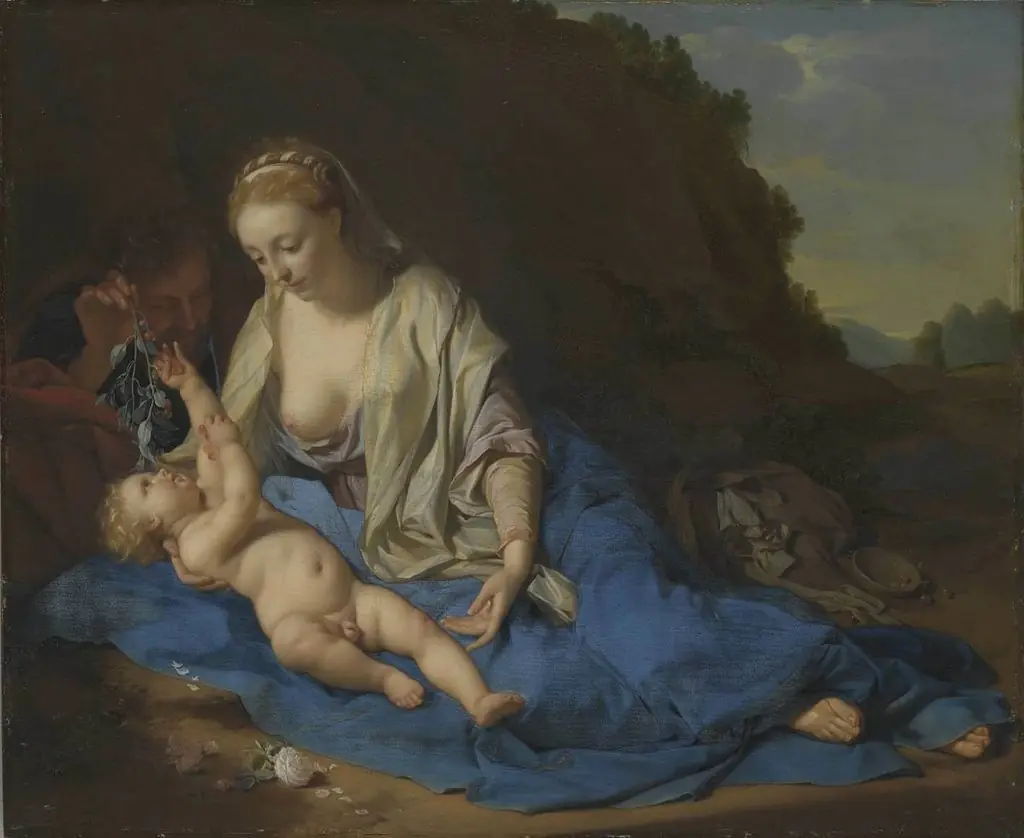 Rest on the Flight into Egypt
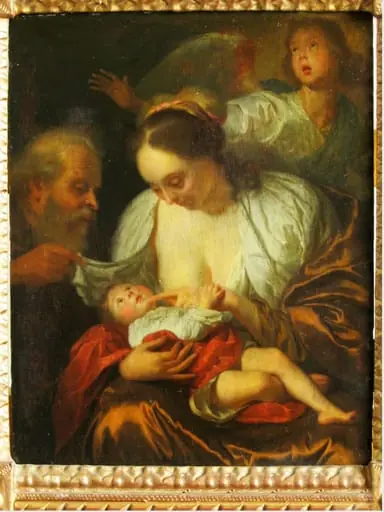 Sfânta Familie
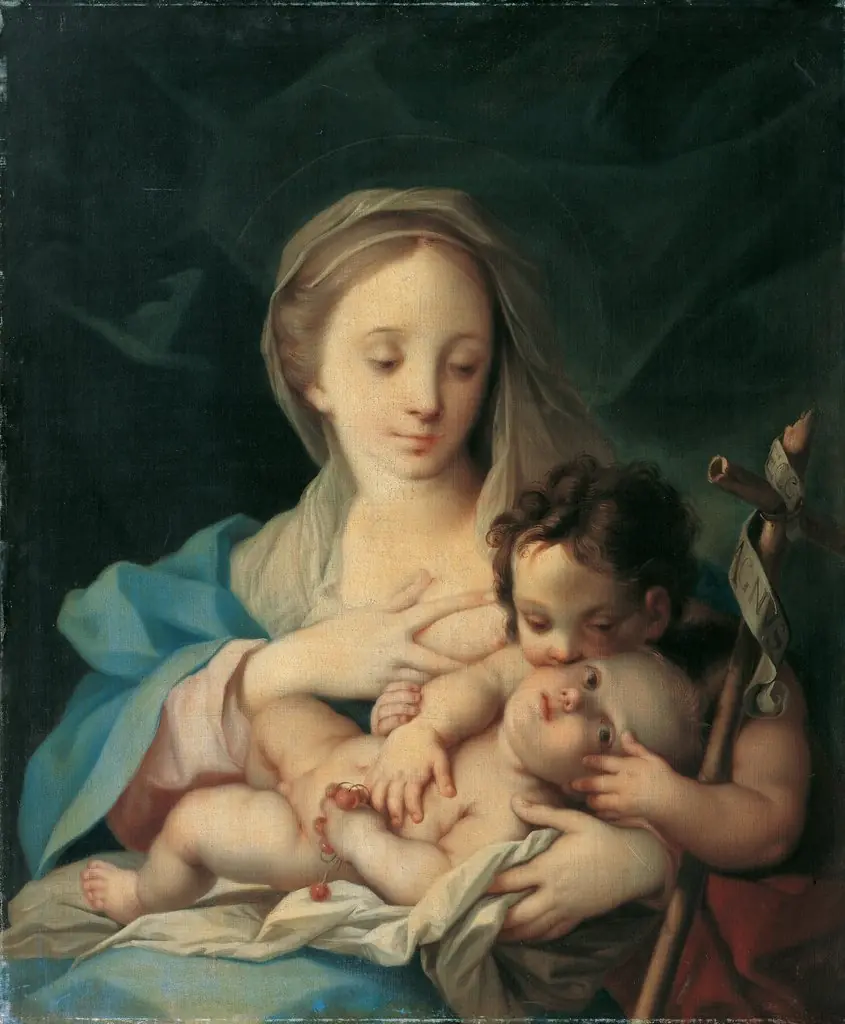 Mary with the Child and St John the Baptist
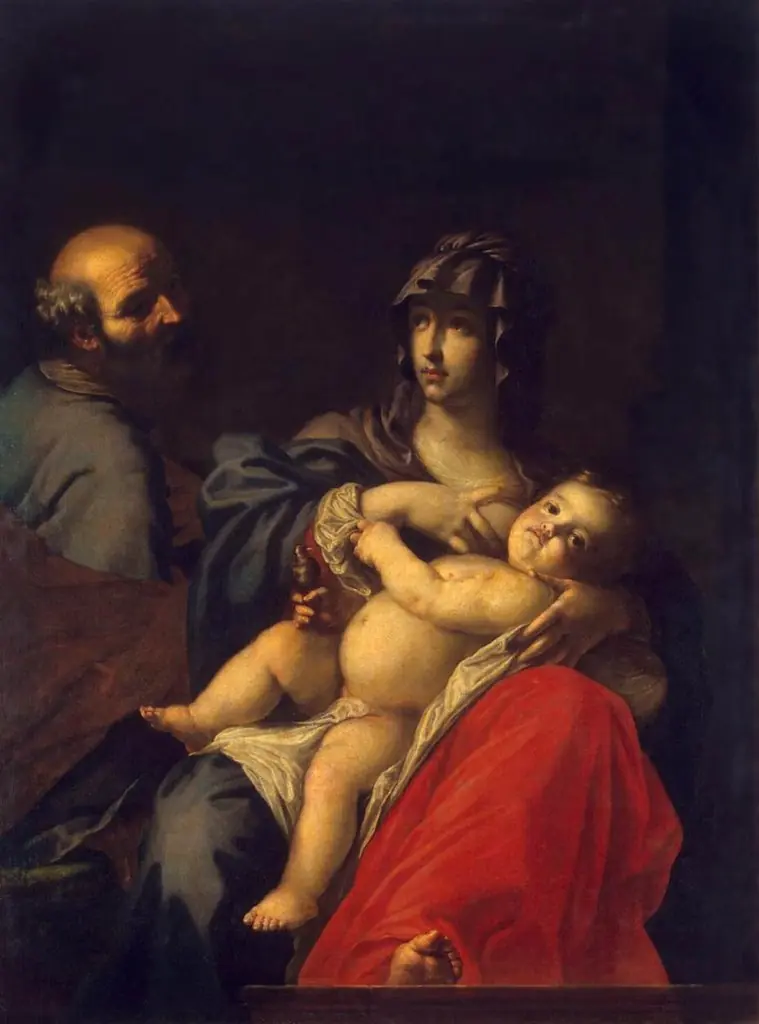 Holy Family
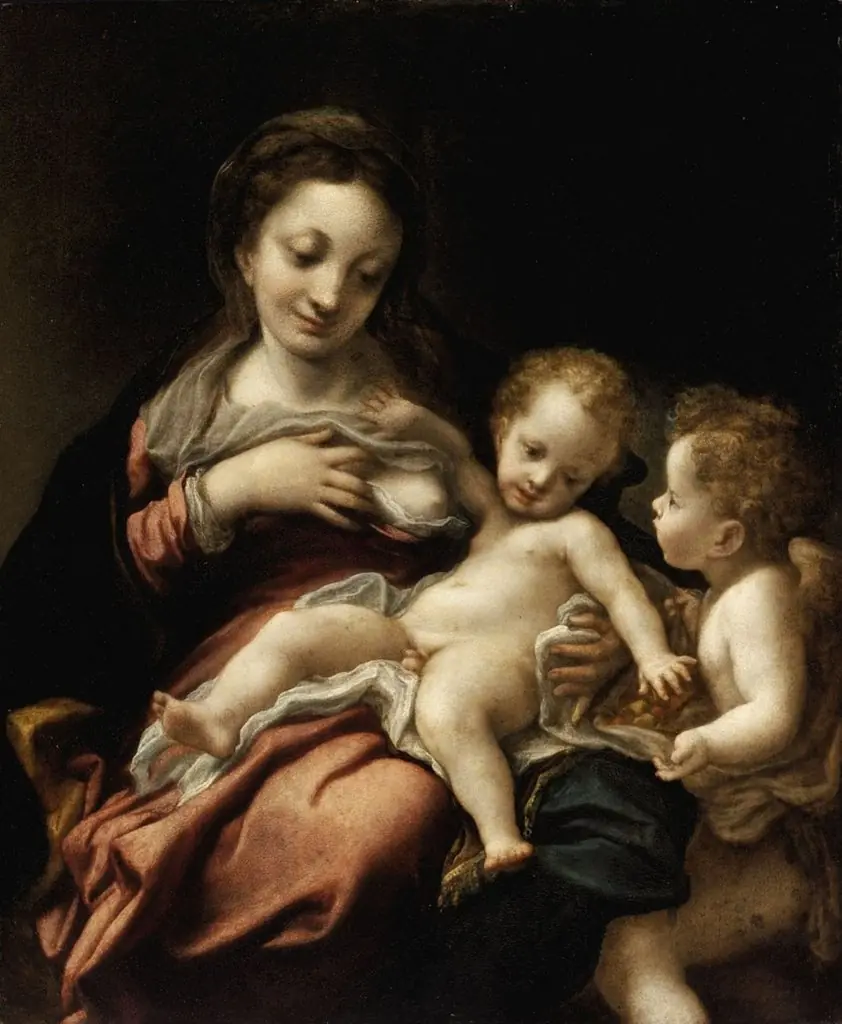 Virgin and Child with an Angel (Madonna del Latte)
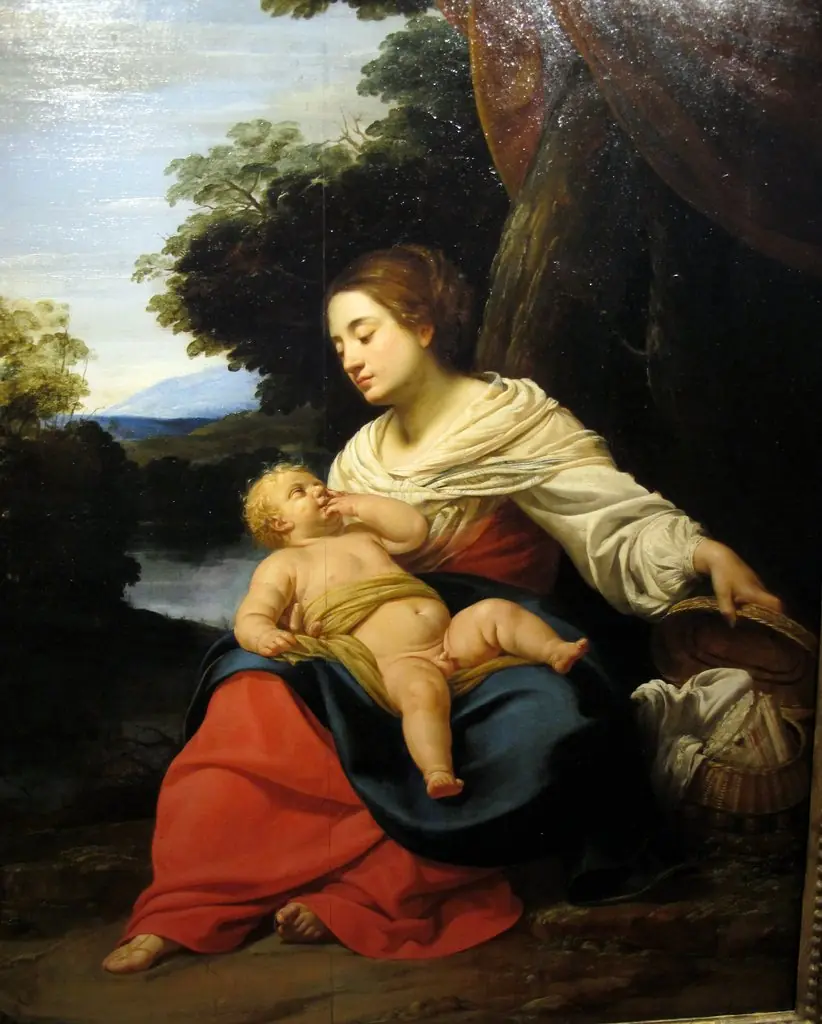 Vierge à la corbeille
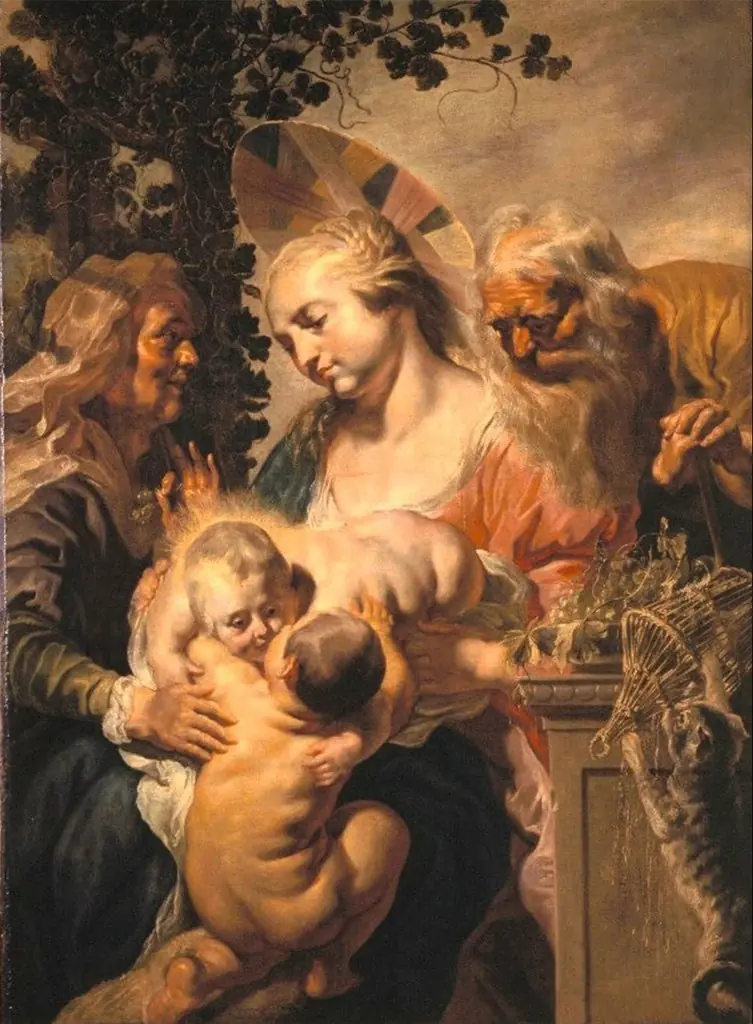 The Holy Family with St. Elizabeth and the Infant St John the Baptist
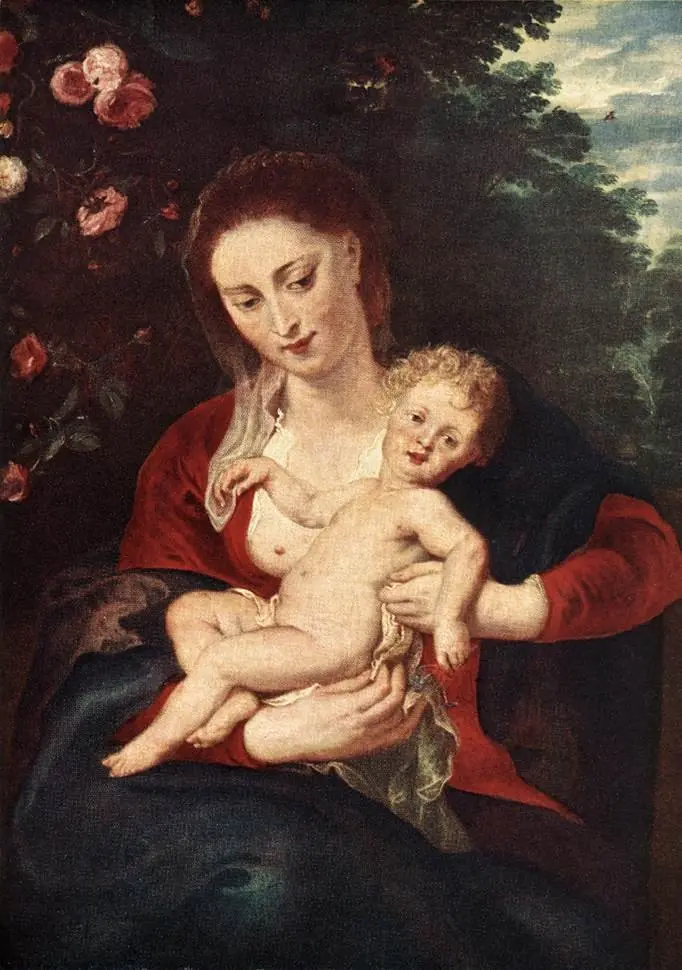 Madonna and Child with Periwinkle
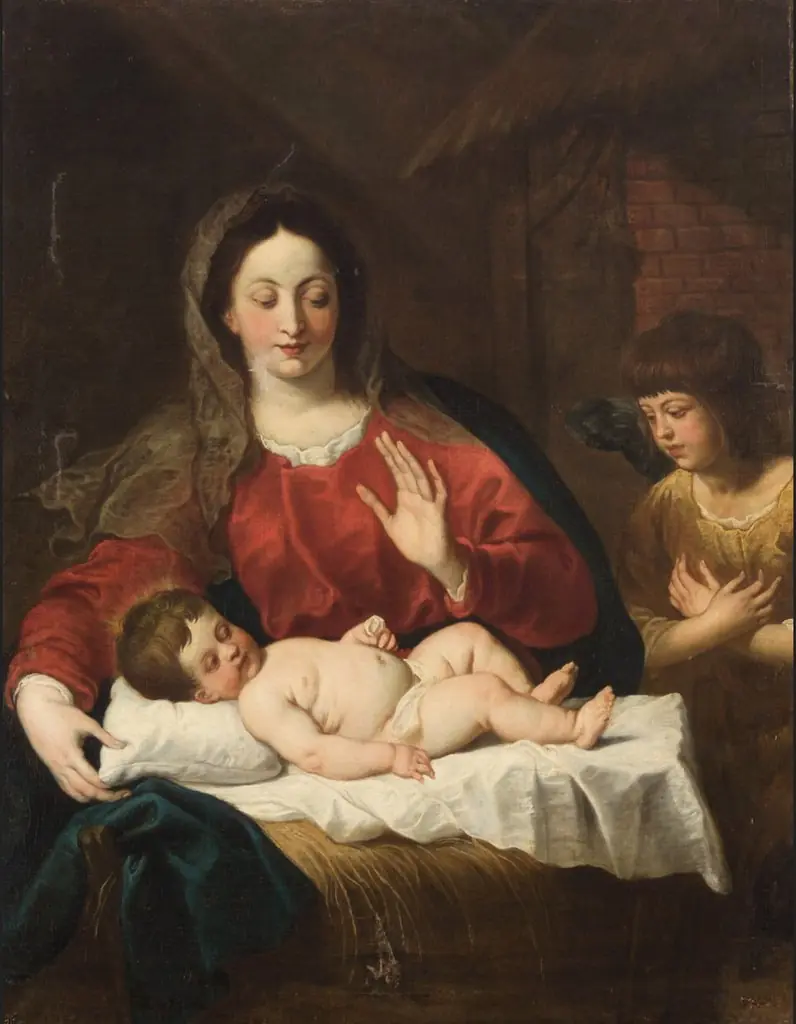 Maria mit Kind und Engel
 Holy Family with an Angel