Artwork
Bruges
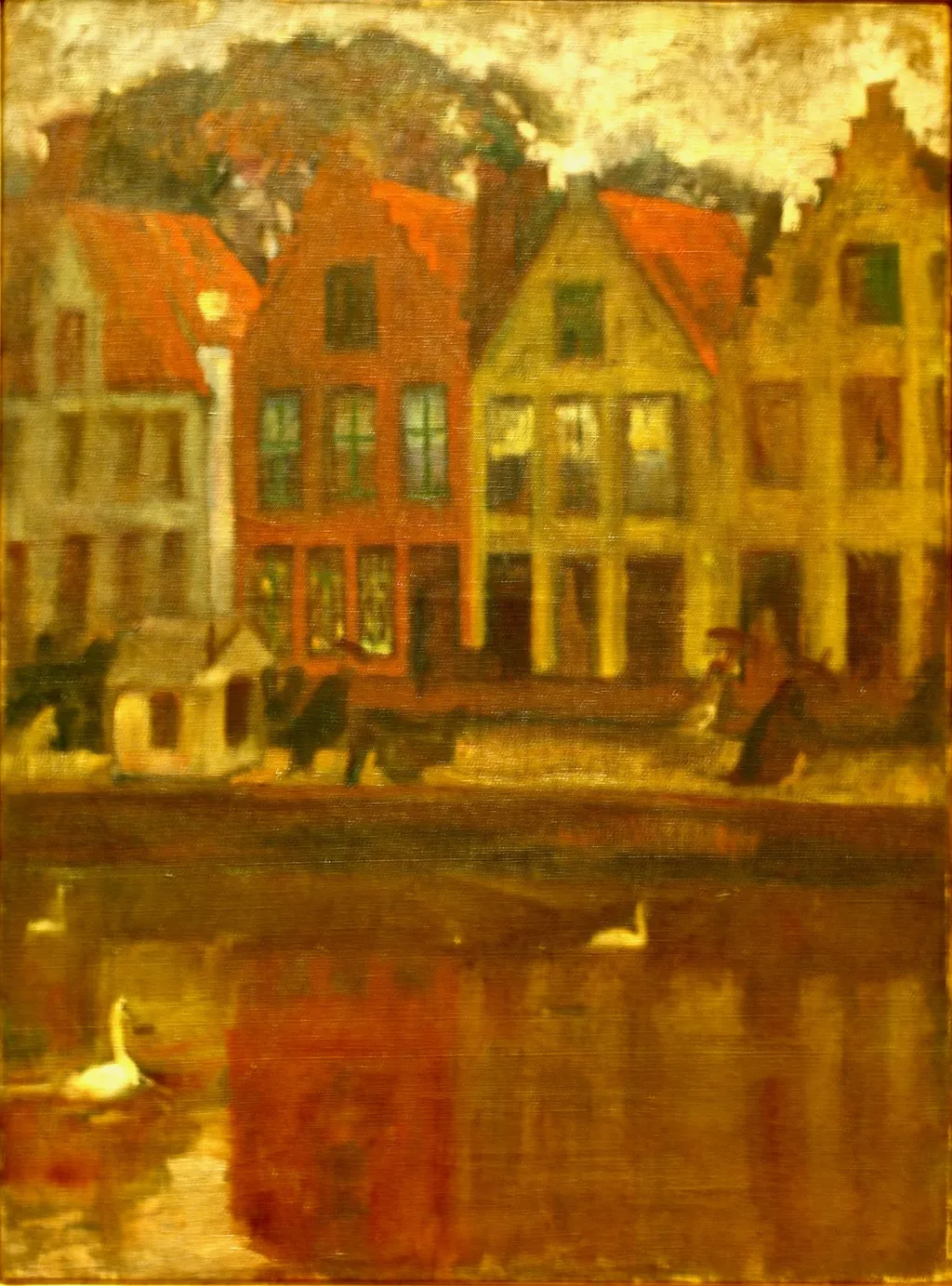
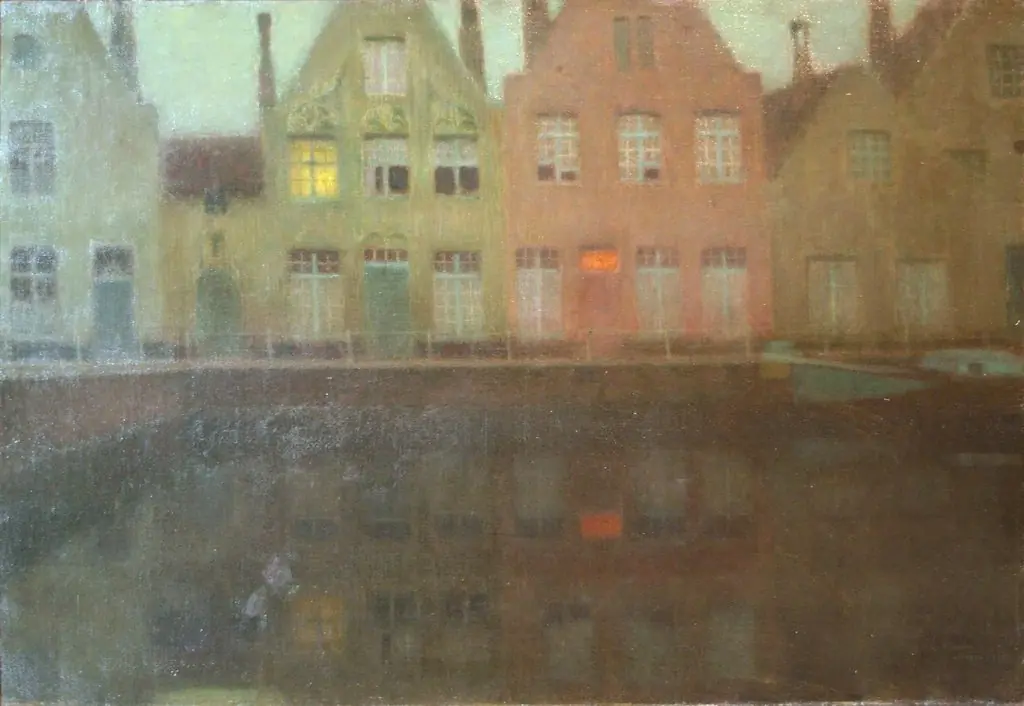
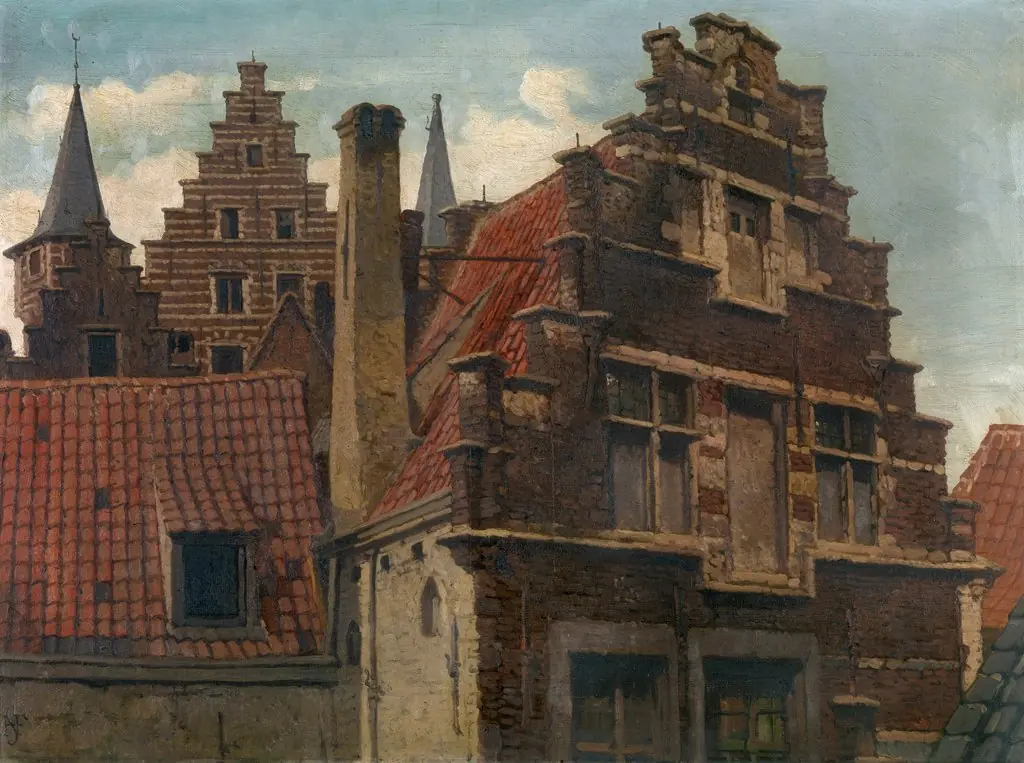
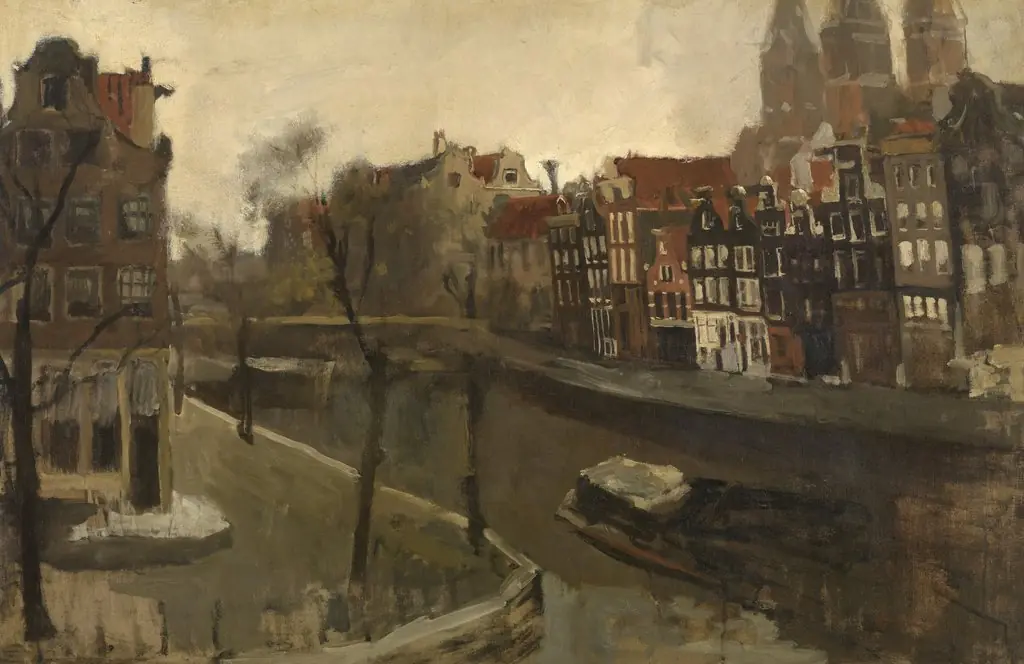
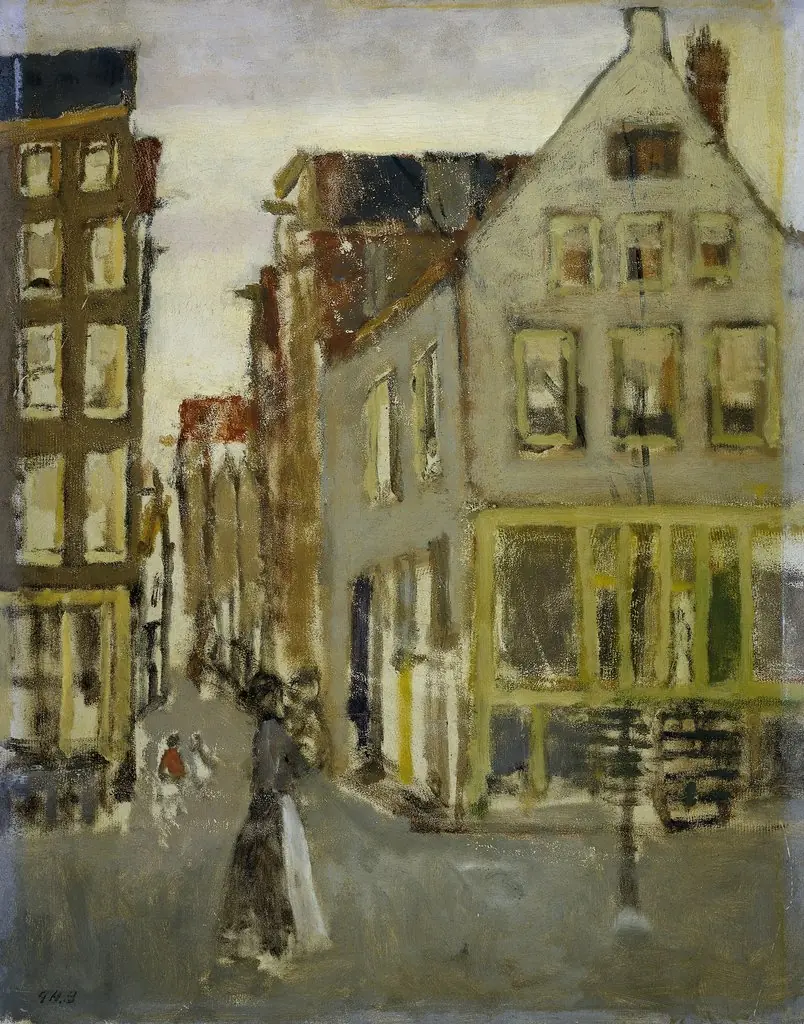
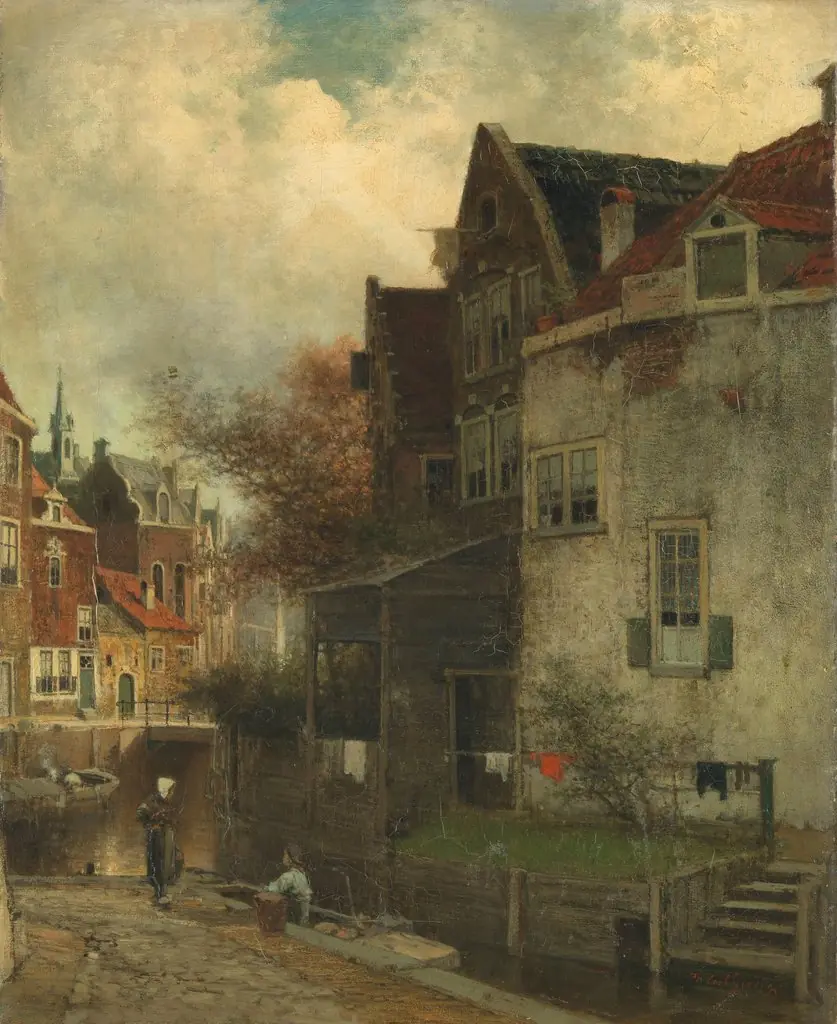
Bruges is an unspecified painting by the Impressionist artist Adriano de Sousa Lopes. It dates from 1908 and is held in the collection of the Calouste Gulbenkian Museum.
About this work
Overview
Though associated with Portuguese Modernism, the work reflects the influence of Impressionist approaches to light and atmosphere.
Adriano de Sousa Lopes painted *Bruges* in 1908 during a period of stylistic exploration in his early career. Though associated with Portuguese Modernism, the work reflects the influence of Impressionist approaches to light and atmosphere. The painting captures a quiet urban scene in the Belgian city, rendered with loose brushwork and a restrained palette. It is now part of the Calouste Gulbenkian Museum’s collection in Lisbon, representing a lesser-known but significant moment in early 20th-century Portuguese art.
Subject & Meaning
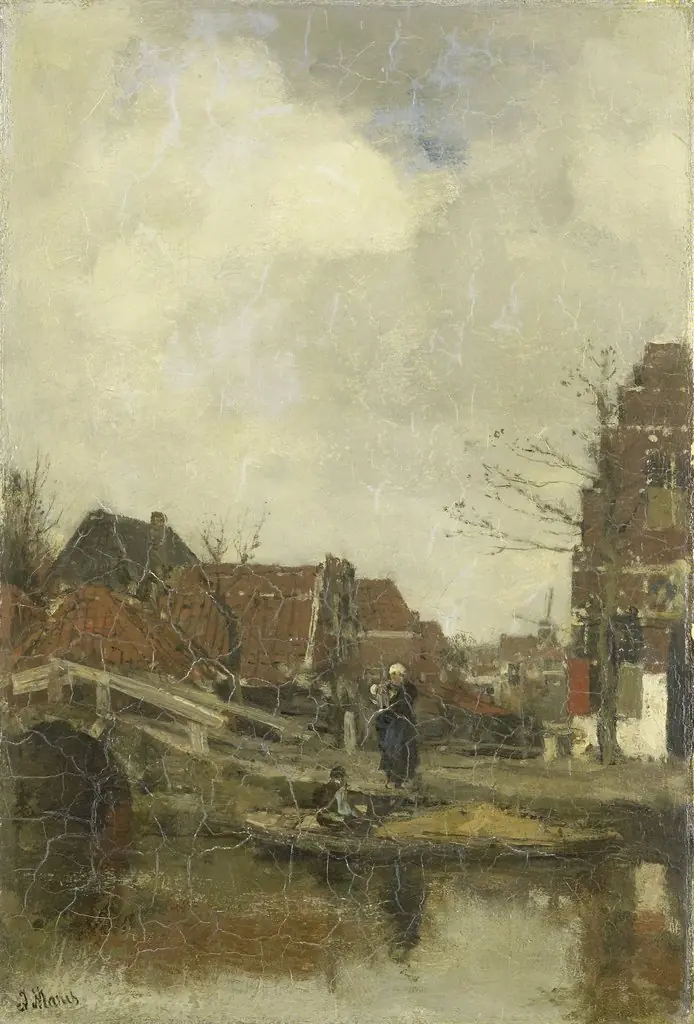
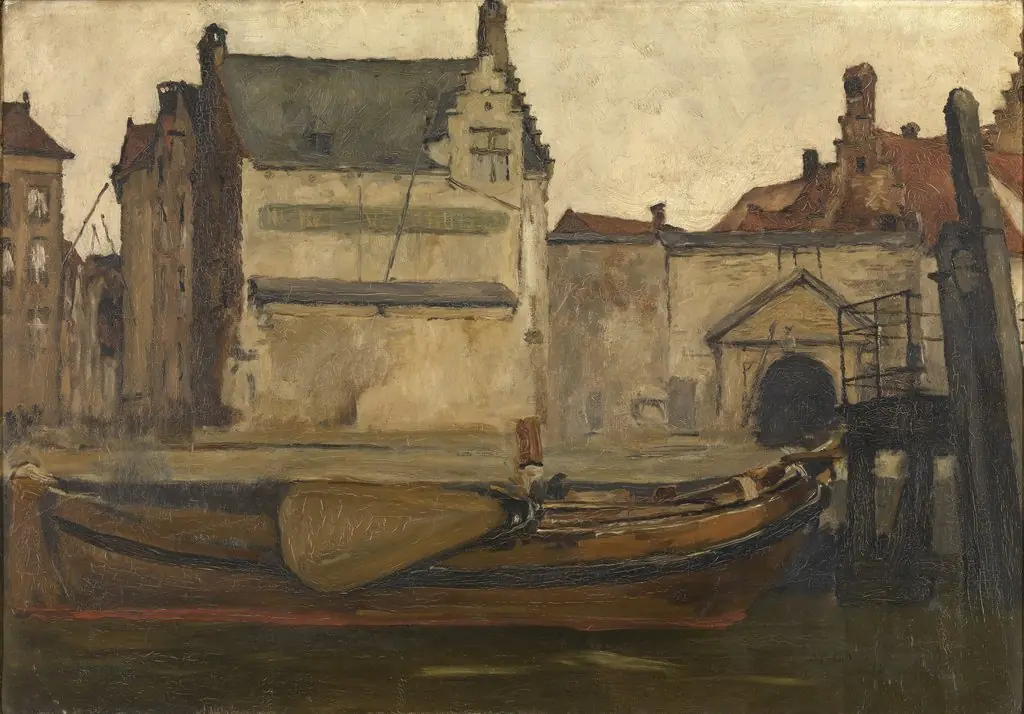
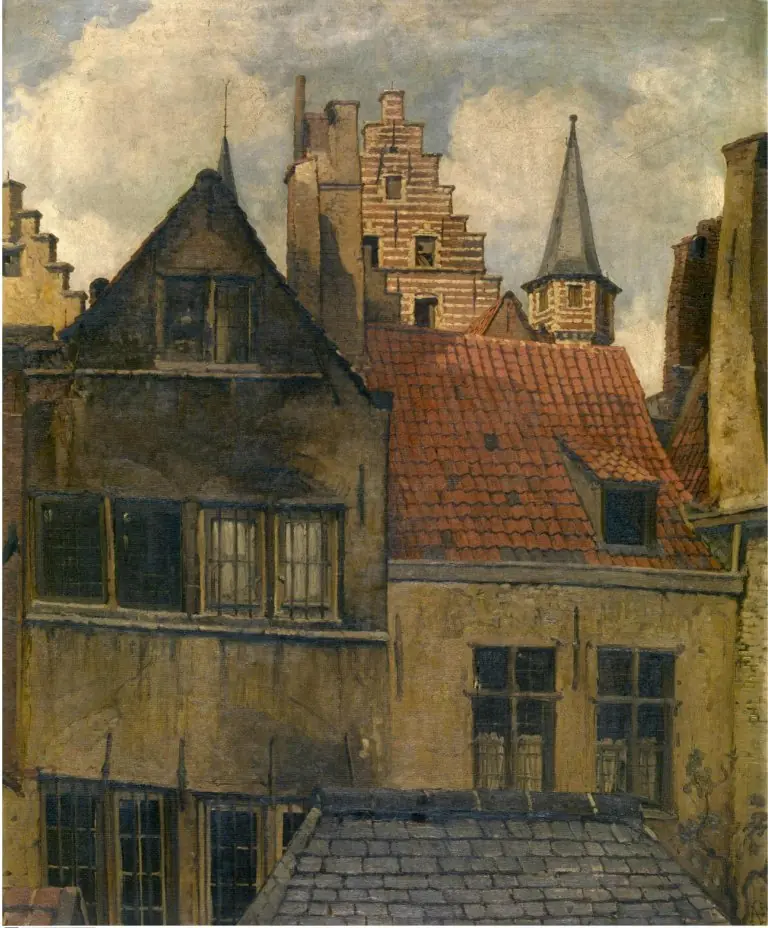
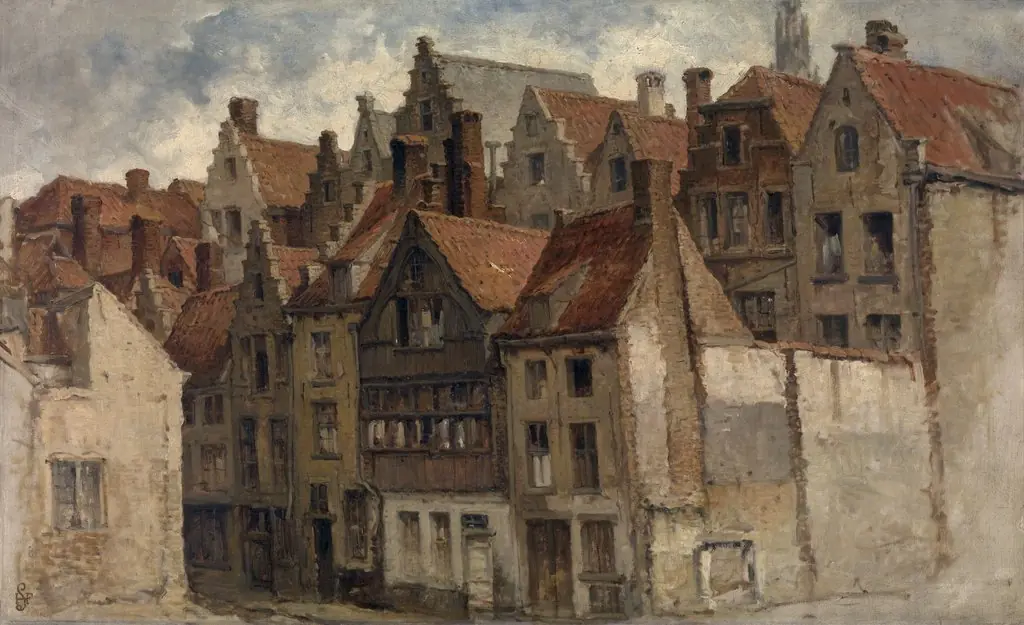
The painting depicts a tranquil canal in Bruges, lined with modest brick buildings and punctuated by the presence of swans gliding across the water. The absence of human figures emphasizes stillness and solitude. The choice of a Flemish cityscape suggests an interest in Northern European aesthetics, possibly inspired by travel or cultural exchange. The scene conveys no overt narrative, instead inviting contemplation of place, time, and the quiet rhythm of urban life.
Technique & Style
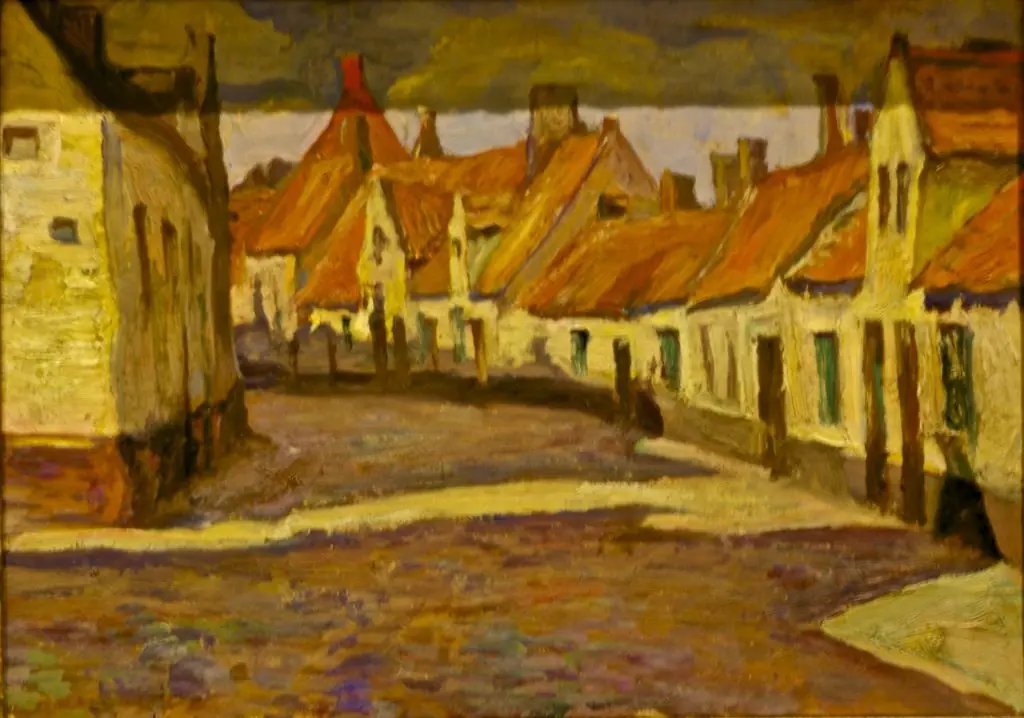
Sousa Lopes employed broken brushstrokes and layered pigments to suggest texture in the buildings and movement in the water. The warm tones of the facades—yellows, oranges, and reds—contrast subtly with the cool grays of the sky and canal, creating atmospheric depth. The swans, rendered in pure white, act as focal points, their forms simplified yet distinct. The technique avoids sharp definition, favoring a soft, observational approach aligned with Impressionist sensibilities.
History & Provenance
Painted in 1908, *Bruges* emerged during Sousa Lopes’s formative years as an artist, following his studies in Lisbon and Paris. It entered the Calouste Gulbenkian Museum’s collection through the founder’s broader interest in European art of the period. The work remained relatively obscure until the late 20th century, when renewed scholarly attention to Portuguese Modernism brought it into broader recognition within national art history.
Context
In 1908, Portugal was undergoing cultural shifts as artists began to engage more deeply with international movements like Impressionism and Post-Impressionism. Sousa Lopes, influenced by his time in Paris, adapted these styles to local sensibilities. *Bruges* reflects this cross-cultural dialogue, blending Northern European subject matter with a Portuguese artist’s interpretive approach, distinct from the more overtly political or nationalist themes common in later Portuguese art.
Legacy
Though not widely exhibited outside Portugal, *Bruges* stands as an early example of Sousa Lopes’s ability to merge international styles with personal observation. It contributes to the understanding of how Portuguese artists negotiated modernity without abandoning local identity. The painting remains a quiet but important reference point in the development of 20th-century Portuguese painting, valued for its restraint and sensitivity to light and place.
Artist & collection
Artist
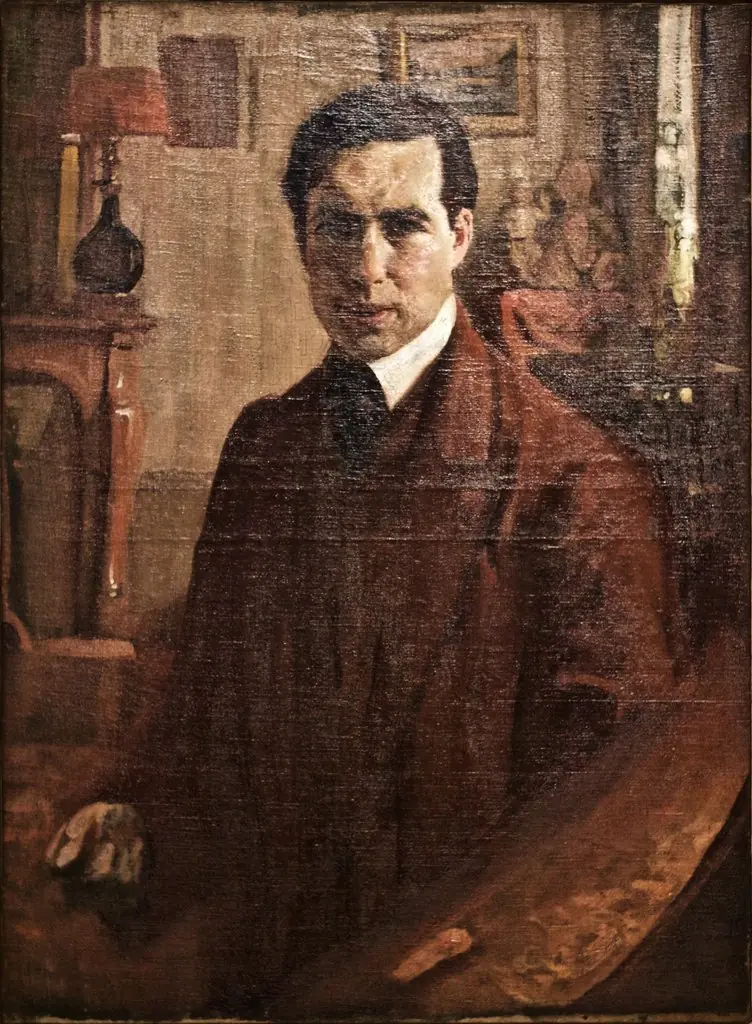
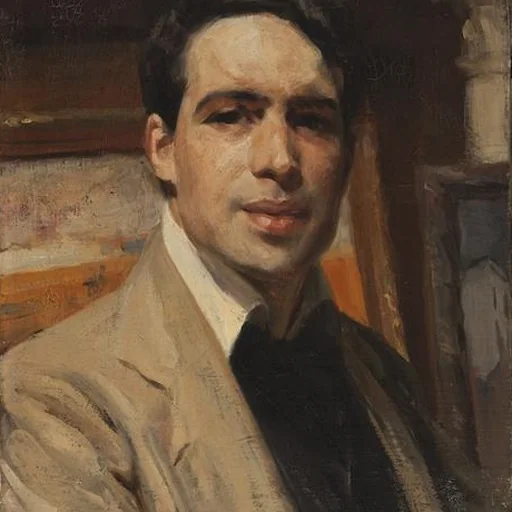
Adriano Sousa Lopes (20 February 1879, in Leiria – 21 April 1944, in Lisbon) was a Portuguese Modernist painter and engraver who worked in a wide range of genres.