Artwork
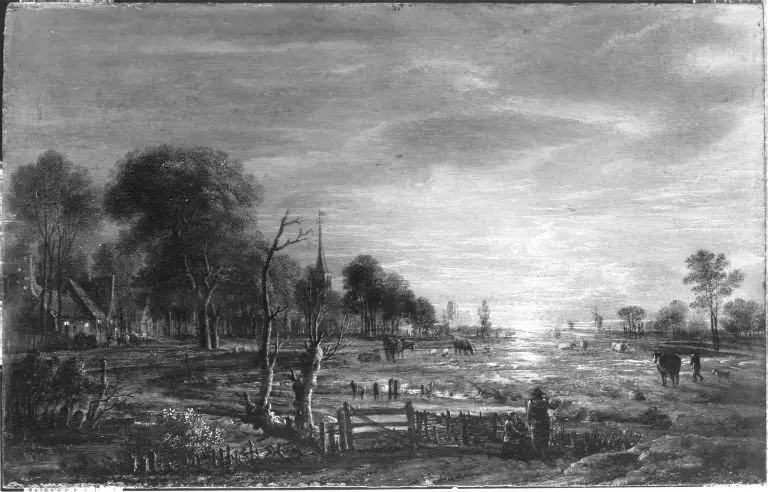
Kanallandschaft bei Sonnenuntergang (Nachahmer)
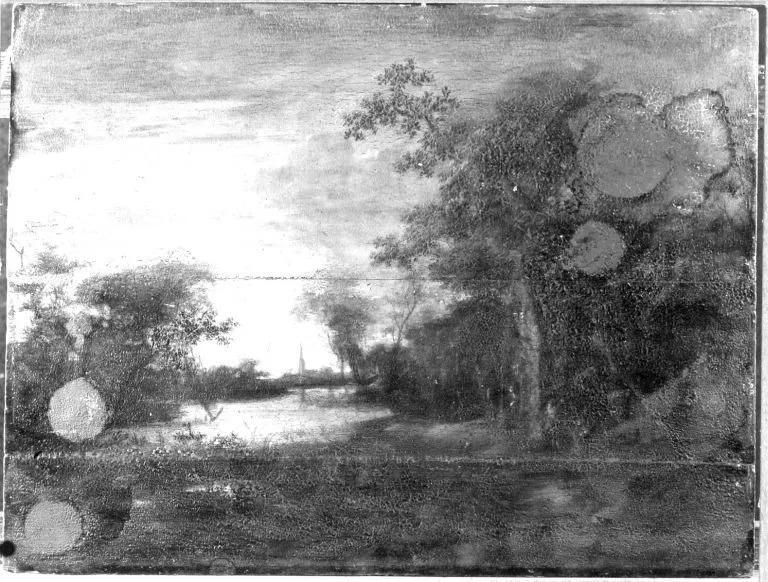
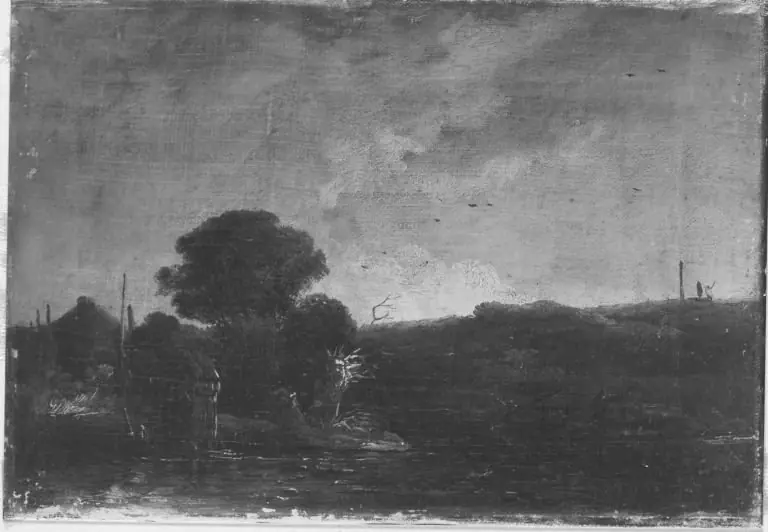
Kanallandschaft bei Sonnenuntergang (Nachahmer) is an unspecified painting by the Dutch Golden Age artist Aert van der Neer. It dates from 1640 and is held in the collection of the Bavarian State Painting Collections.
About this work
Overview
Though not by van der Neer himself, it aligns closely with his stylistic concerns and was likely produced within his circle or under his influence.
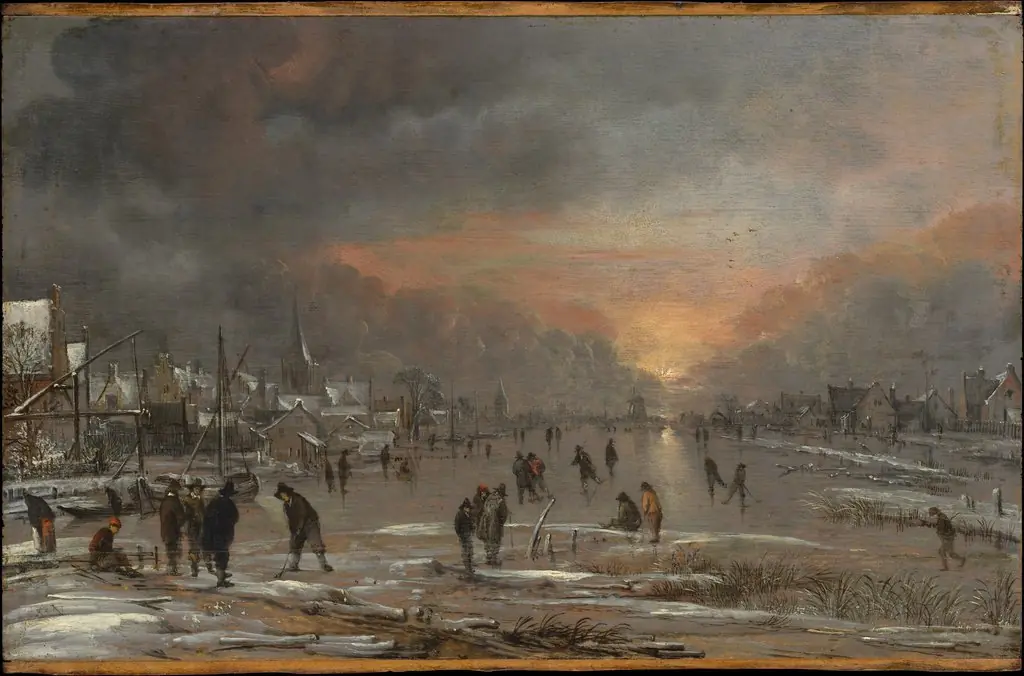
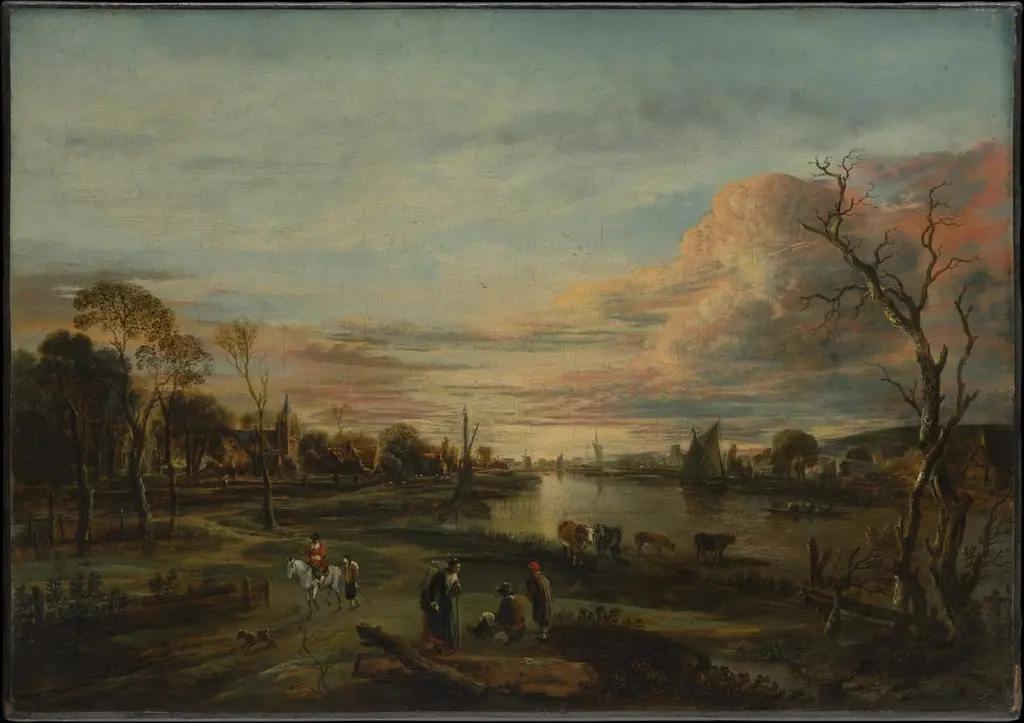
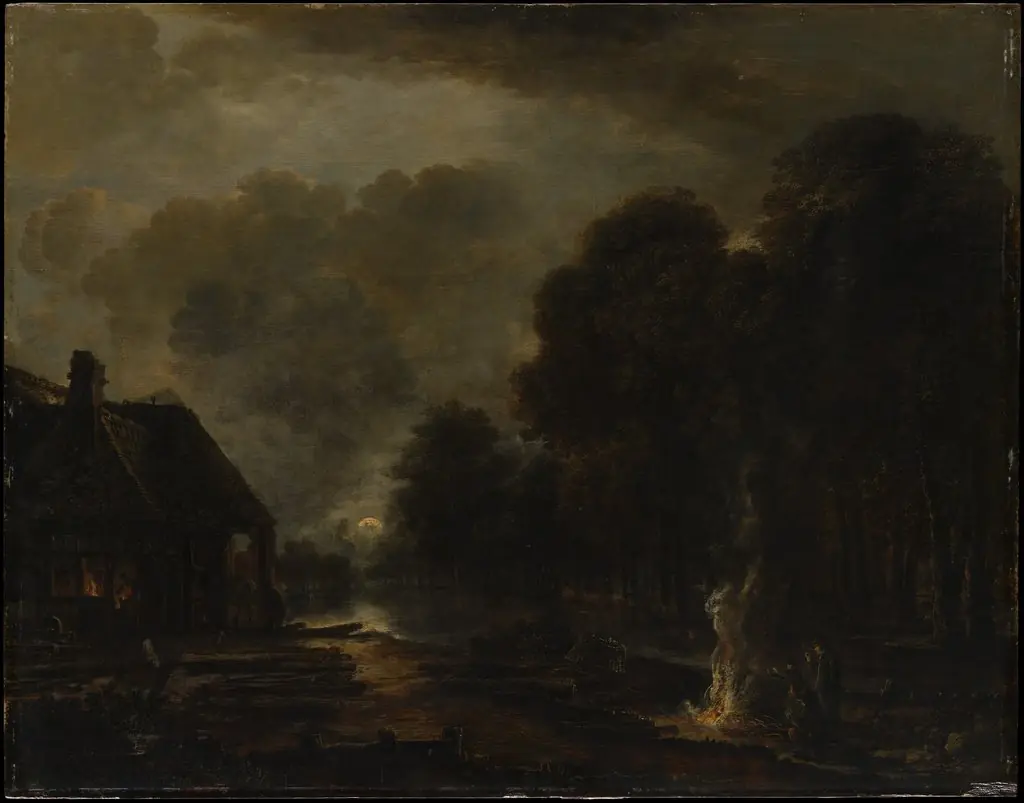
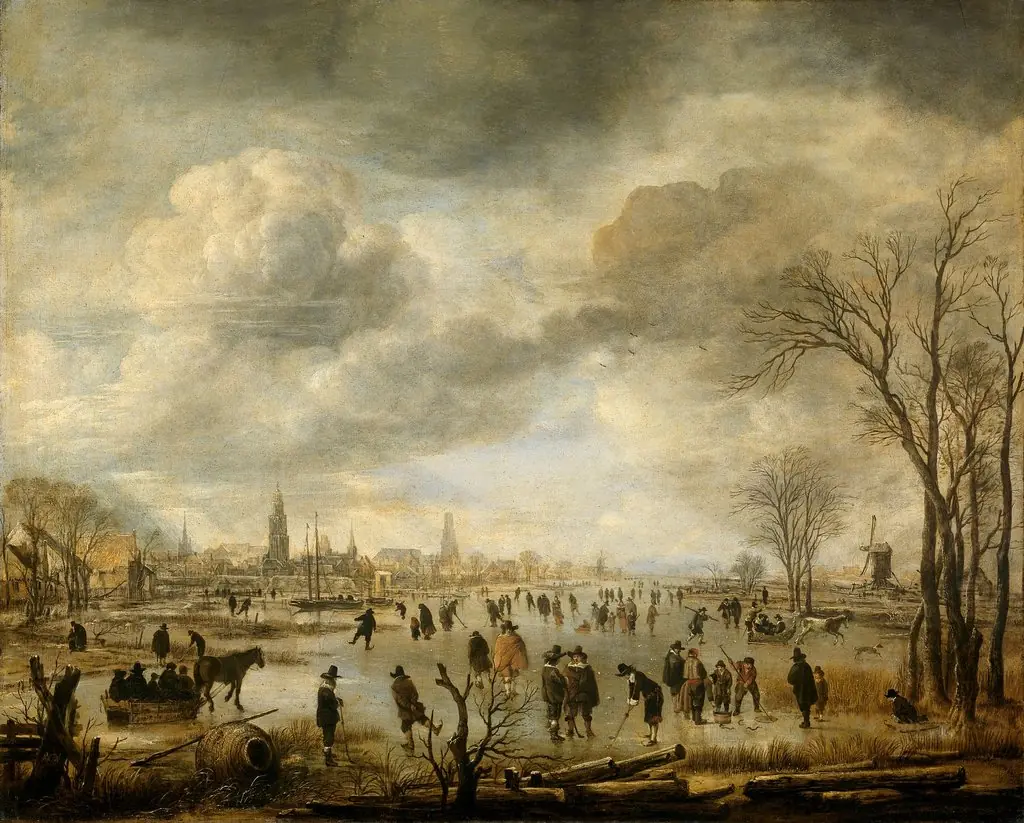
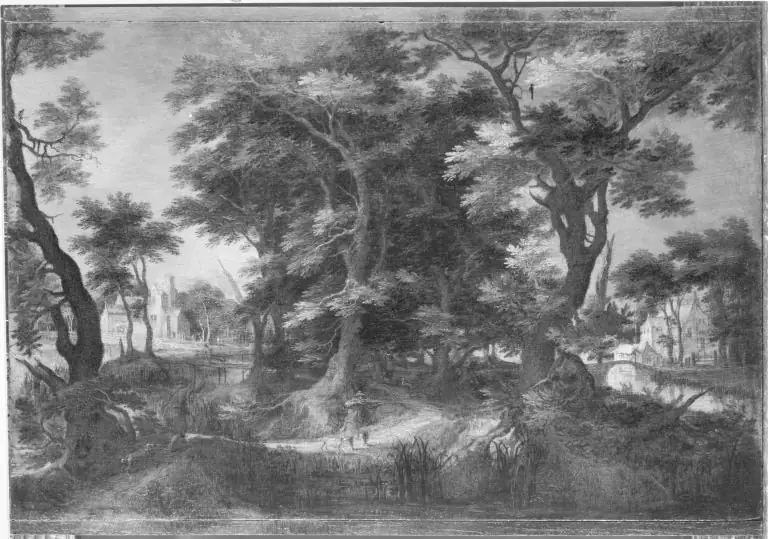
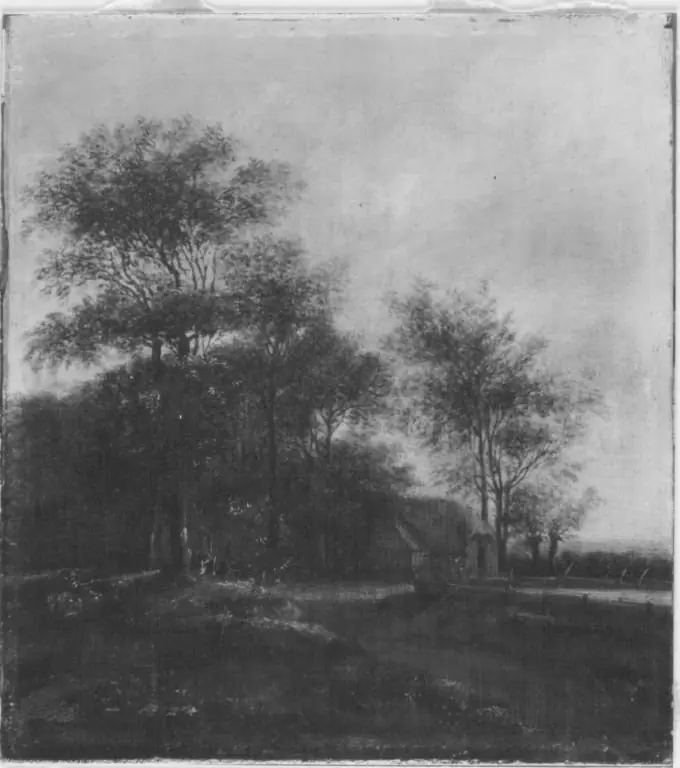
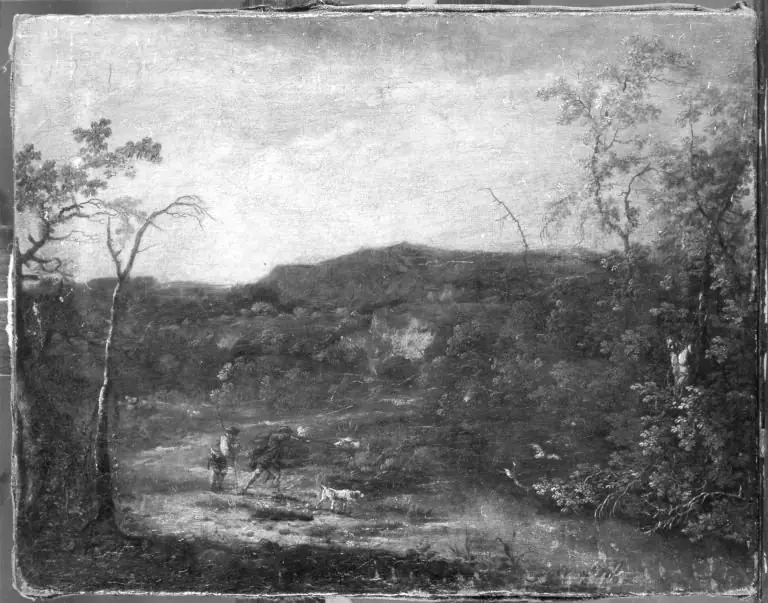
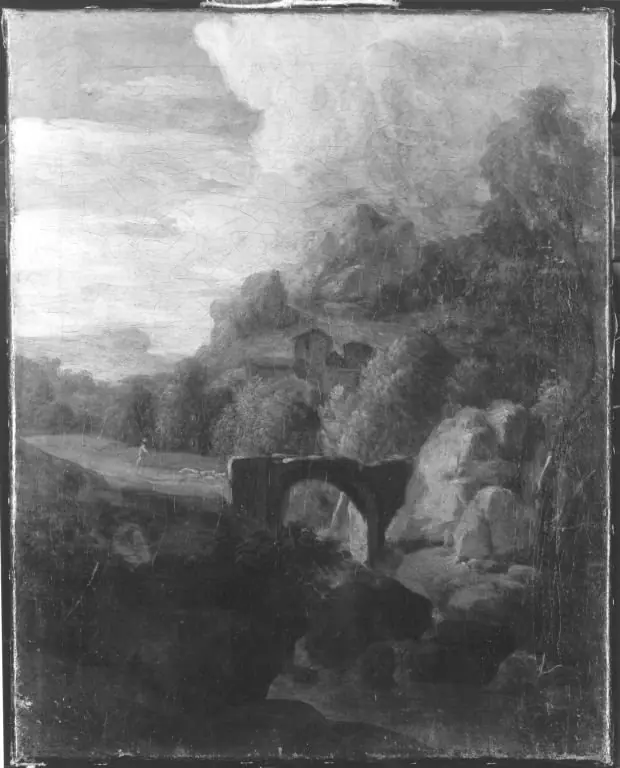
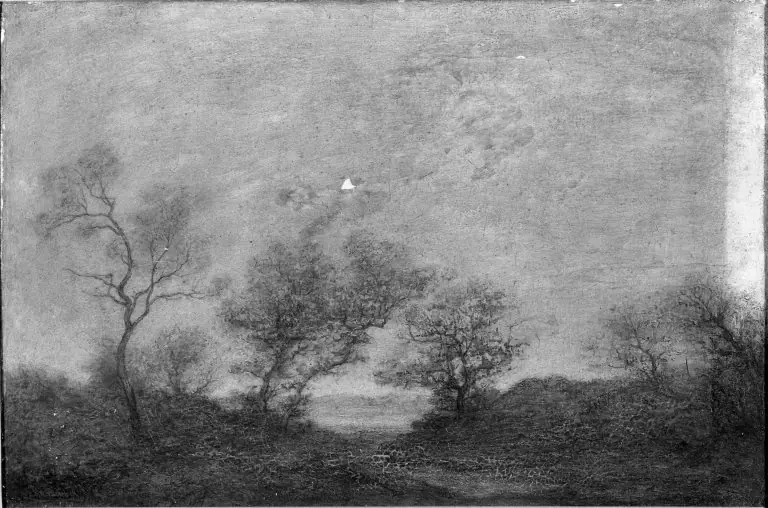
This painting, attributed to a follower of Aert van der Neer, depicts a quiet canal landscape at dusk. Executed in the mid-17th century, it reflects the Dutch tradition of intimate, mood-driven landscapes. The scene is rendered with subtle tonal shifts, emphasizing the transition between day and night. Though not by van der Neer himself, it aligns closely with his stylistic concerns and was likely produced within his circle or under his influence.
Subject & Meaning
The composition centers on a still waterway flanked by dense vegetation and distant trees, with a church steeple rising faintly beyond the horizon. This arrangement suggests a contemplative, rural Dutch setting, where human presence is implied rather than depicted. The absence of figures enhances the sense of solitude, reinforcing themes of quietude and the passage of time, common in Dutch landscape painting of the period.
Technique & Style
The artist employs a restrained palette dominated by muted greens, browns, and soft grays, with delicate highlights to suggest fading daylight. Chiaroscuro is used sparingly to model forms and suggest depth, particularly in the tree trunks and water’s surface. Brushwork is fine and controlled, avoiding dramatic contrasts in favor of atmospheric cohesion, a hallmark of van der Neer’s school and its followers.
History & Provenance
The painting resides in the Alte Pinakothek in Munich, part of a broader collection of Dutch Golden Age works assembled in the 19th century. Its attribution as a follower’s work indicates it was likely acquired as a representative example of van der Neer’s influence rather than as an autograph piece. Its history prior to museum acquisition remains undocumented, though its style suggests it originated in the Netherlands during the mid-1600s.
Context
Produced during a period when Dutch artists increasingly turned to tranquil, everyday landscapes, this work reflects a shift from grand historical or religious themes to intimate natural scenes. Van der Neer and his followers catered to urban patrons seeking calm, reflective imagery. The prevalence of waterways and twilight settings in such works mirrors contemporary interest in nature’s quiet rhythms and the effects of light at day’s end.
Legacy
Though not the work of Aert van der Neer, this painting preserves the visual language he helped define: subtle lighting, restrained composition, and a focus on atmospheric mood. It exemplifies how his approach influenced a generation of lesser-known artists who adapted his techniques for broader audiences. Such works contributed to the enduring appeal of Dutch landscape painting in European collections.
Artist & collection
Artist
Aert van der Neer, or Aernout or Artus (c. 1603 – 9 November 1677), was a landscape painter of the Dutch Golden Age, who specialized in small night scenes lit only by moonlight and fires, and snowy winter landscapes,…