Artwork
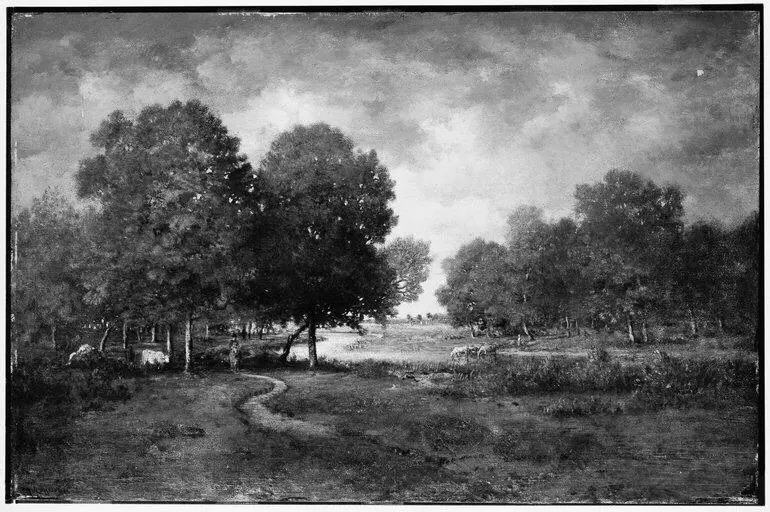
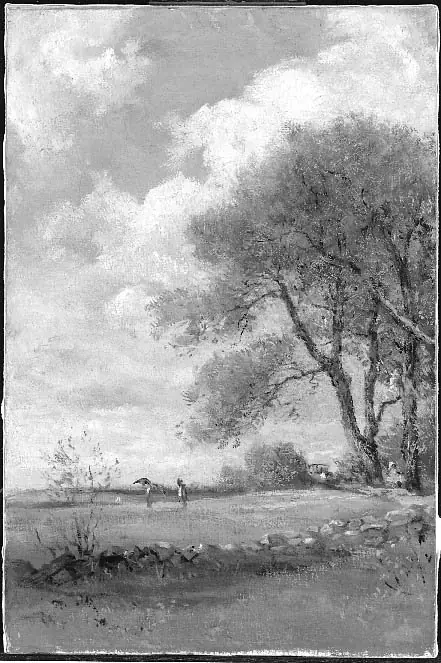
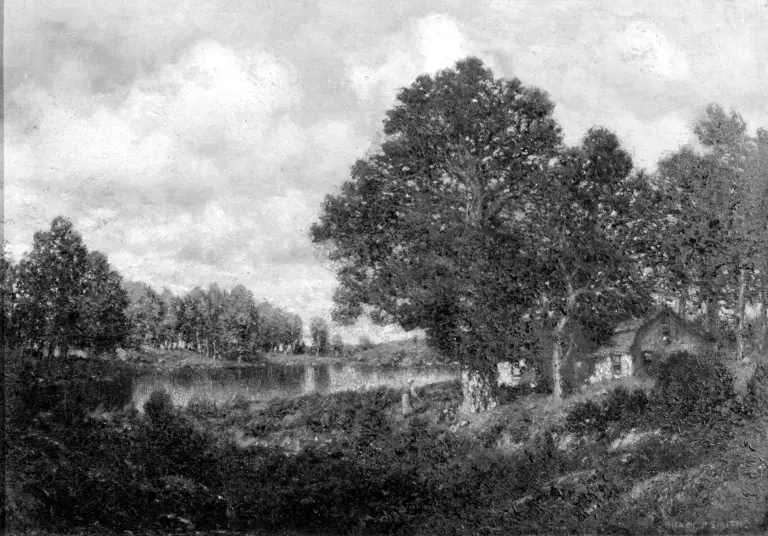
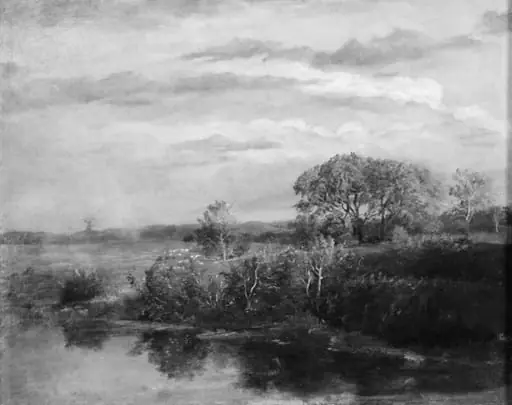
Autumn Oaks, Forest of Fontainebleau
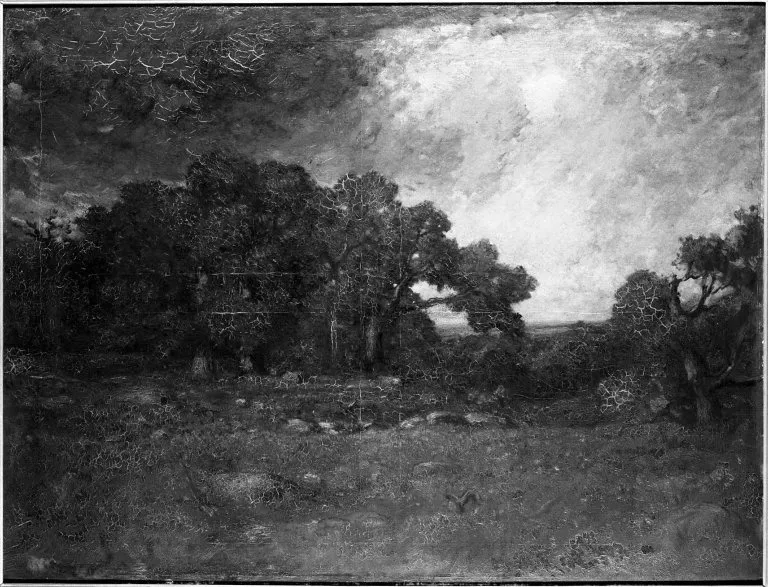
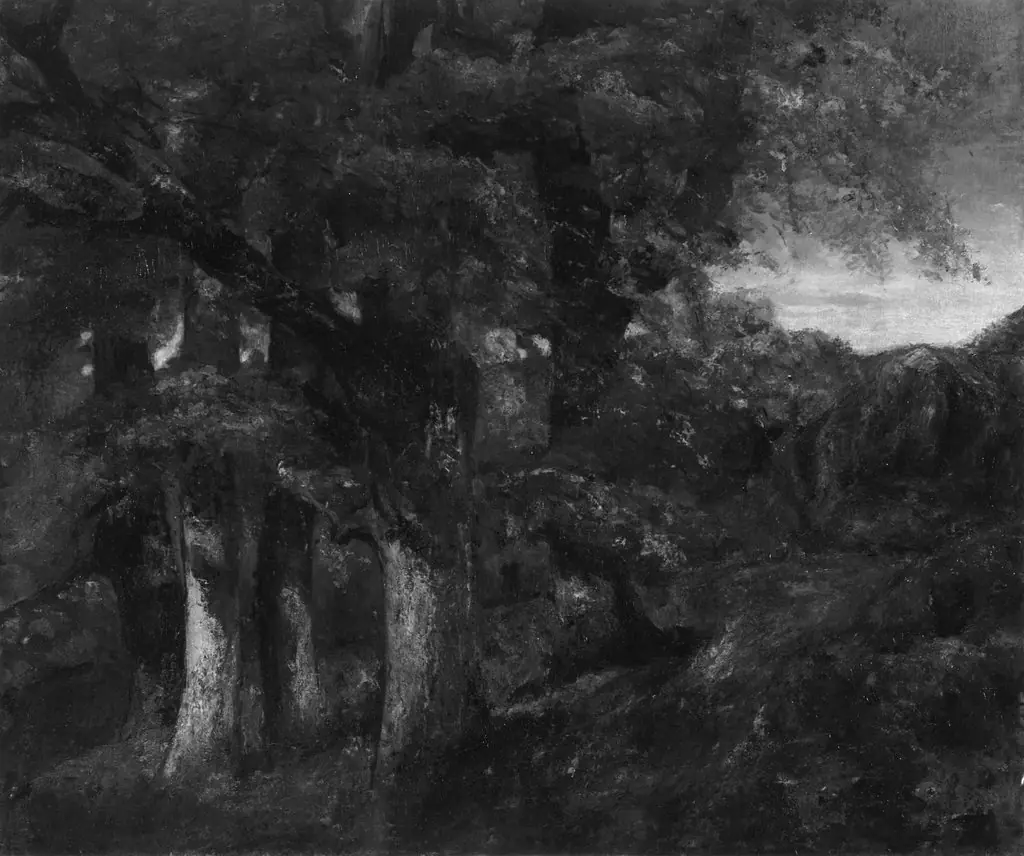
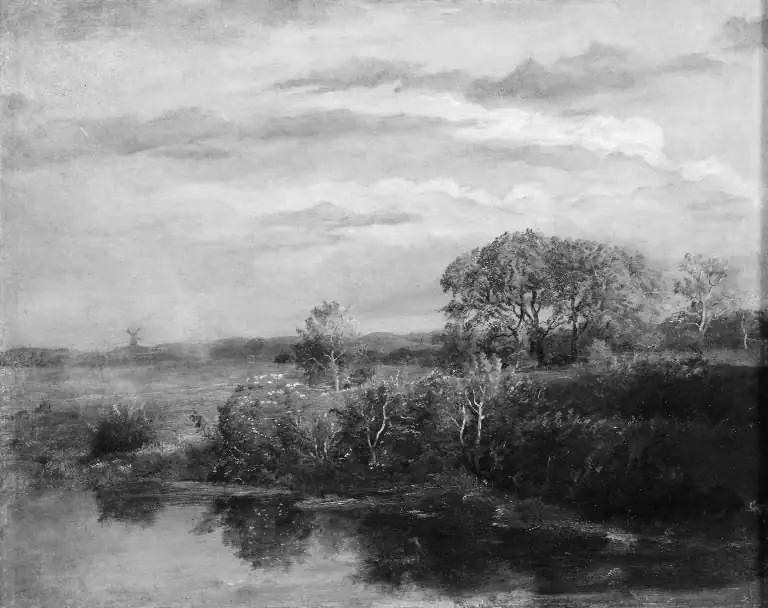
Autumn Oaks, Forest of Fontainebleau is an oil painting by the Post-Impressionist artist Paul Dougherty. It dates from 1900 and is held in the collection of the Brooklyn Museum.
About this work
Overview
Though American, Dougherty spent time in Europe and was drawn to the Forest of Fontainebleau, a well-known retreat for landscape painters.
Paul Dougherty’s *Autumn Oaks, Forest of Fontainebleau* (1900) is an oil painting capturing a quiet woodland scene in France. Though American, Dougherty spent time in Europe and was drawn to the Forest of Fontainebleau, a well-known retreat for landscape painters. The work reflects his interest in natural forms and seasonal change, rendered with a focus on texture and mood rather than precise detail.
Subject & Meaning
The painting centers on mature oak trees in autumn, their gnarled branches and colorful leaves filling the foreground. The subdued sky and distant horizon suggest a moment of stillness, emphasizing the quiet passage of time. There is no human presence, allowing the forest itself to serve as the subject — a contemplative space shaped by seasonal decay and enduring structure.
Technique & Style
Dougherty applied oil paint with thick, deliberate strokes to convey the rough bark and layered foliage of the oaks. Color is muted yet distinct — warm ochres and russets contrast with the cool grays of the sky. The brushwork avoids the looseness of Impressionism, favoring a more structured, tactile approach that emphasizes the physicality of the trees and the weight of the atmosphere.
History & Provenance
Painted during Dougherty’s time in France, the work aligns with his broader focus on rugged natural environments. While specific ownership history is not widely documented, the painting is recognized as part of his early 20th-century output, reflecting his engagement with European landscape traditions after years of painting coastal scenes in the United States.
Context
The Forest of Fontainebleau had long attracted artists seeking authentic rural scenery, from the Barbizon painters to later generations. Dougherty joined this tradition, not as a member of any formal group, but as an observer drawn to its enduring forms. His approach diverged from the soft light of Impressionism, instead embracing a more solid, earthbound interpretation of nature.
Legacy
Though not widely exhibited today, *Autumn Oaks* remains representative of Dougherty’s commitment to landscape as a vehicle for quiet observation. His work contributes to the broader narrative of American artists engaging with European traditions in the late 19th and early 20th centuries, offering a restrained, thoughtful alternative to more dramatic or romanticized visions of nature.
Artist & collection
Artist
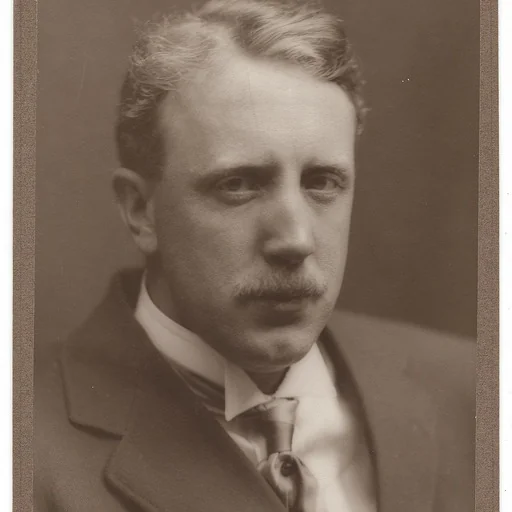
Paul Hampden Dougherty (September 6, 1877 – January 9, 1947) was an American marine painter.