Artwork
Untitled
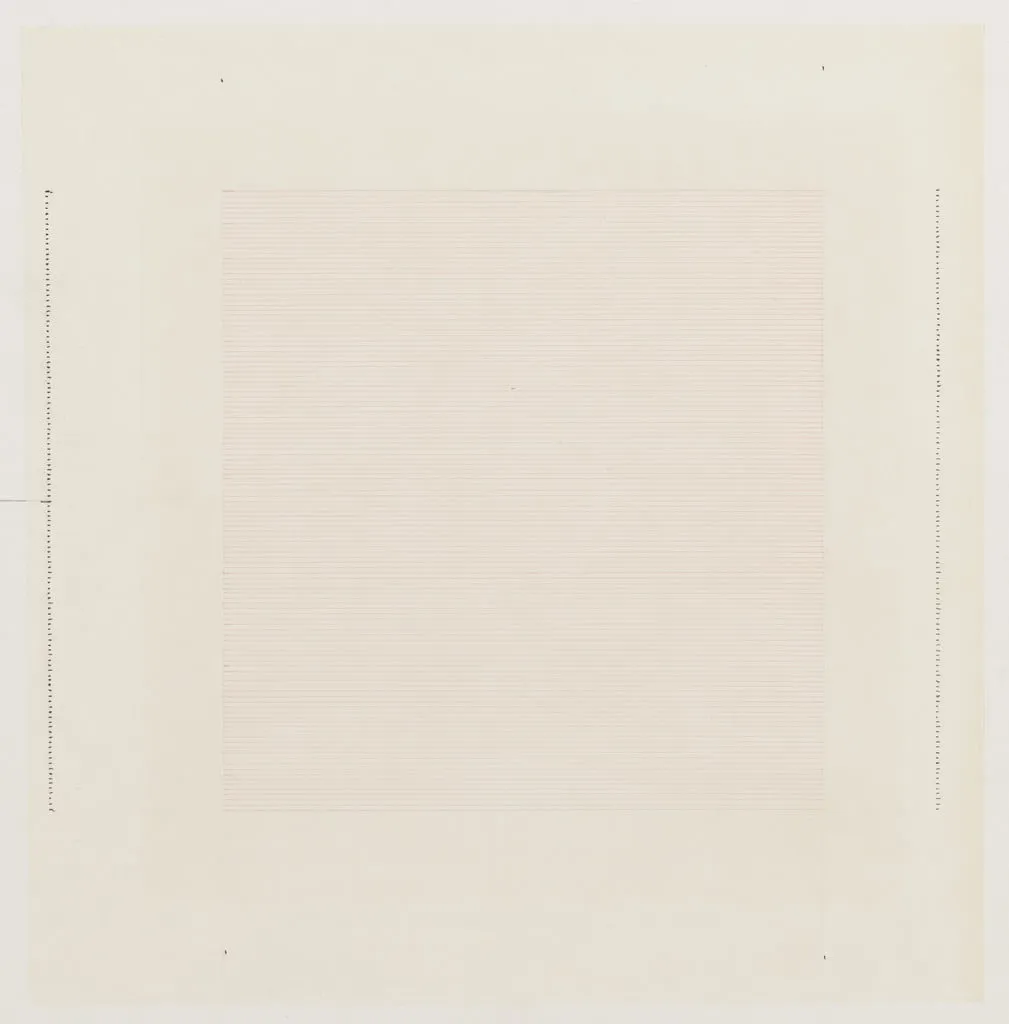
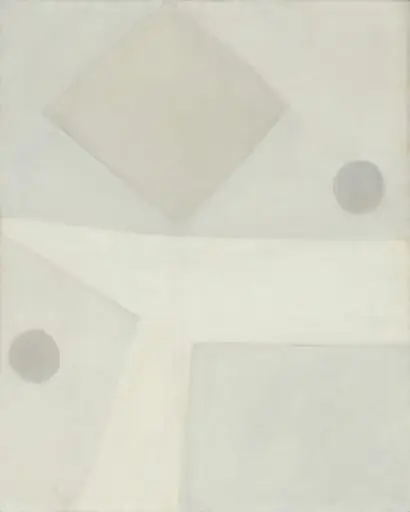
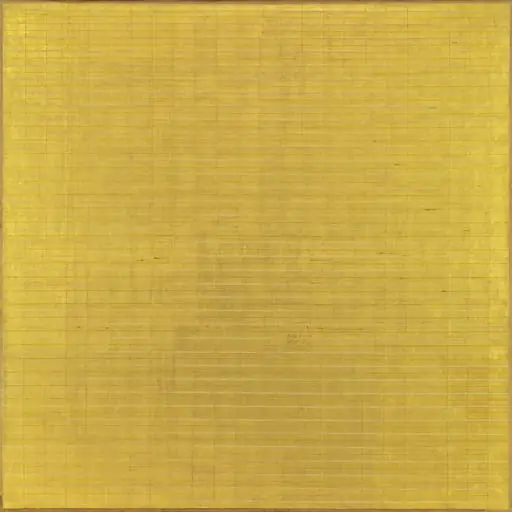
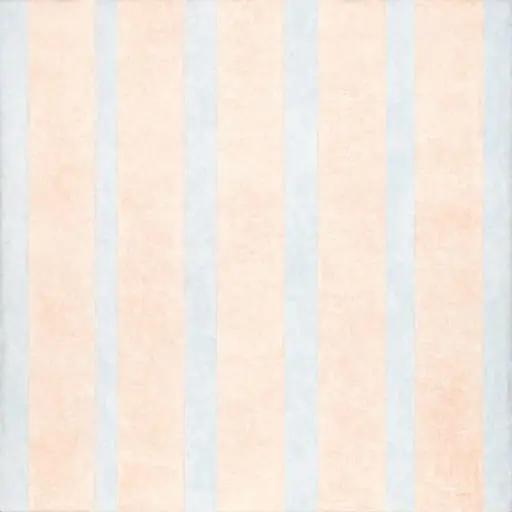
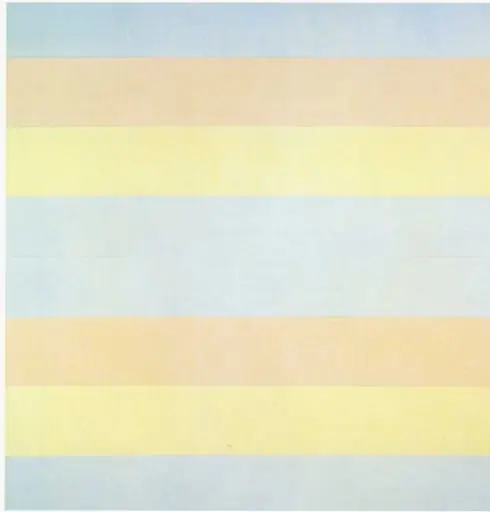
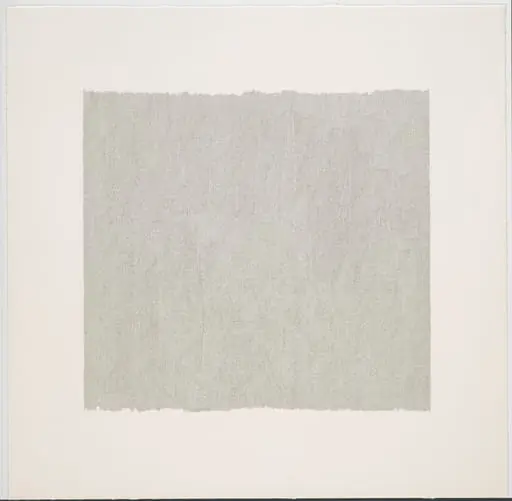
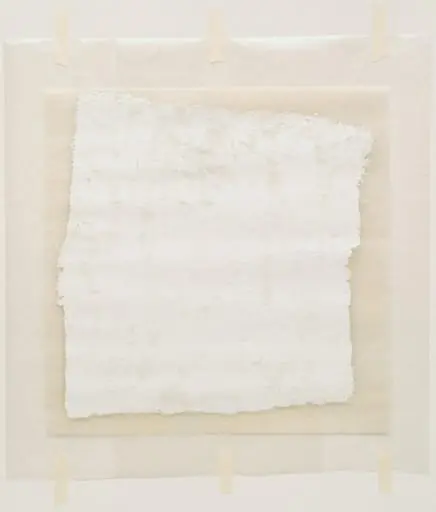
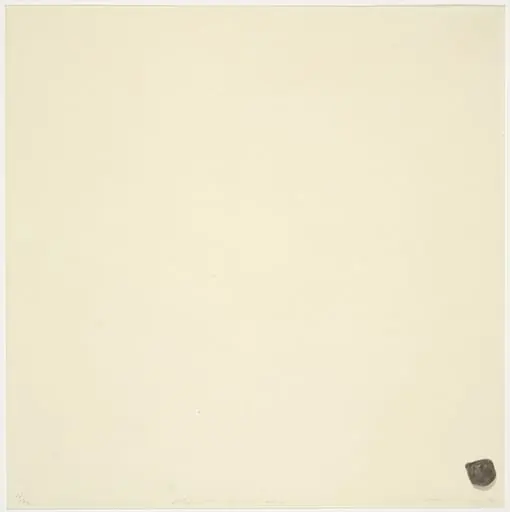
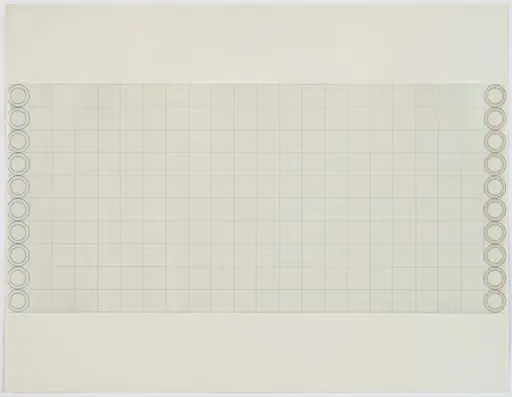
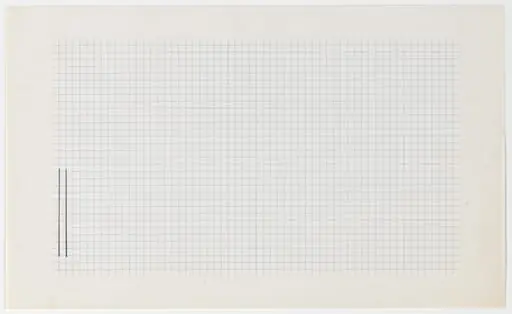
Untitled is a graphite drawing by Agnes Martin. It dates from 1964 and is held in the collection of the Museum of Modern Art.
About this work
Overview
Minimalist in structure, the work avoids bold contrasts or expressive marks, instead inviting quiet contemplation through restraint and subtlety.
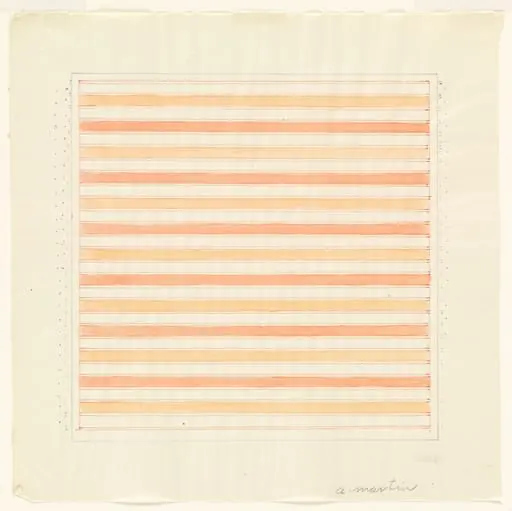
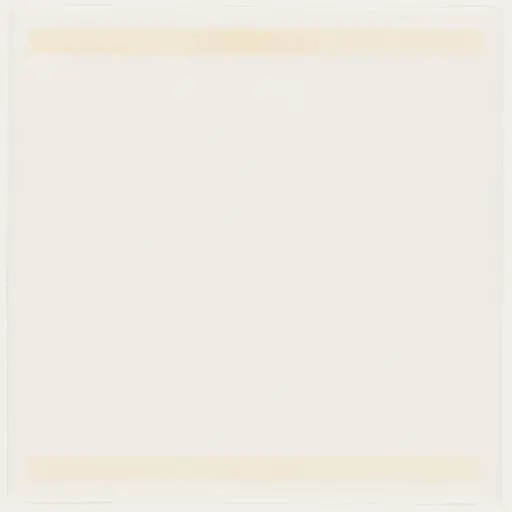
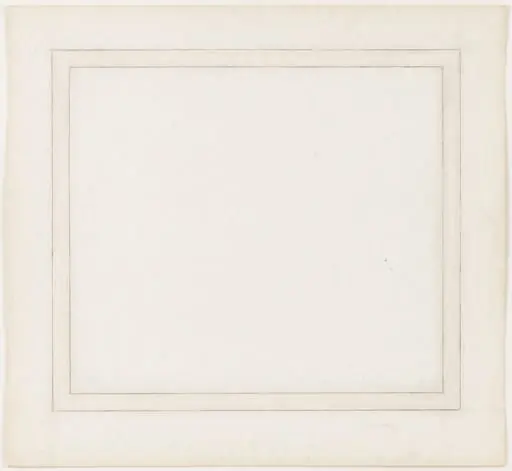
Created in 1964, this drawing by Agnes Martin is executed in colored ink and pencil on paper. It resides in the collection of The Museum of Modern Art. The composition centers on a soft pink field, subtly divided by faint horizontal and vertical lines that form a delicate grid. Minimalist in structure, the work avoids bold contrasts or expressive marks, instead inviting quiet contemplation through restraint and subtlety.
Subject & Meaning
The work carries no representational imagery; its subject is the experience of perception itself. The faint grid and muted tone suggest order without rigidity, evoking stillness rather than narrative. Martin often spoke of art as a vessel for transcendence, and here, the quiet repetition of lines and the absence of disruption aim to create a meditative space, aligning with her interest in spiritual calm and inner harmony.
Technique & Style
Martin applied ink and pencil with extreme precision, using a ruler to achieve uniformly spaced, nearly imperceptible lines. The pink ground is evenly washed, with no visible brushwork or texture. Tiny dots along the vertical edges serve as subtle anchors, grounding the composition without interrupting its serenity. The overall effect is one of restraint—each mark is deliberate, yet barely present, emphasizing silence over statement.
History & Provenance
This drawing was made during a period when Martin was refining her signature grid-based aesthetic, following her move to New Mexico in the early 1950s. It entered The Museum of Modern Art’s collection in 1970, part of a broader institutional recognition of her contribution to postwar American abstraction. Its acquisition reflected growing interest in non-expressionist approaches to painting and drawing during the 1960s.
Context
Created amid the rise of Minimalism and Conceptual Art, Martin’s work diverged from the movement’s industrial tone. While contemporaries emphasized geometric purity and industrial materials, she pursued emotional resonance through hand-drawn subtlety. Her grids, though systematic, carried a human hand, distinguishing her from more mechanized peers and aligning her with spiritual and poetic currents in 1960s art.
Legacy
Martin’s approach influenced later generations of artists seeking quietude in abstraction. Her emphasis on imperfection within order, and the emotional weight of minimal marks, expanded the possibilities of drawing beyond formalism. Today, her work is recognized for its role in bridging spiritual contemplation with modernist reduction, offering a counterpoint to the louder aesthetics of her time.
Artist & collection

Artist
Agnes Bernice Martin was a Canadian-American abstract painter known for her minimalist style and abstract expressionism.