Artwork
Portrait of Ulisse Aldrovandi
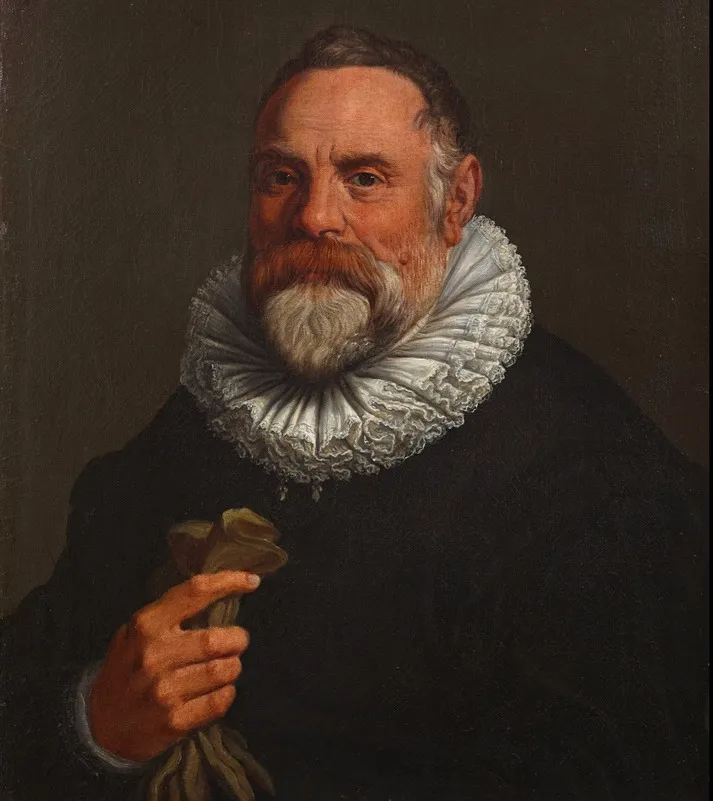
Portrait of Ulisse Aldrovandi is an oil painting by the Mannerist artist Agostino Carracci. It dates from 1593 and is held in the collection of the Accademia Carrara.
About this work
Overview
The work reflects the transitional artistic climate of late 16th-century Italy, where Mannerist conventions were being reconsidered.
Painted in 1593 by Agostino Carracci, this oil portrait captures the Italian naturalist Ulisse Aldrovandi. The work reflects the transitional artistic climate of late 16th-century Italy, where Mannerist conventions were being reconsidered. Carracci, known for his disciplined approach, rendered Aldrovandi with careful attention to texture and form, avoiding the exaggerated elegance typical of Mannerism in favor of a more grounded presence.
Subject & Meaning
Ulisse Aldrovandi was a prominent scholar of natural history, known for his extensive collections and writings on botany, zoology, and geology. The portrait presents him not as a nobleman but as a man of intellect: his dark robe and stiff ruff signify scholarly authority, while the papers in his hand suggest ongoing research. The composition emphasizes his role as a systematic observer, aligning his image with the emerging values of empirical inquiry.
Technique & Style
Carracci employed oil paint to achieve subtle gradations of light and shadow, particularly in the folds of the robe and the texture of the ruff. The brushwork is precise but not overly ornate, favoring clarity over theatricality. The background is muted, directing focus to the figure’s face and hands. This restrained realism reflects Carracci’s move away from Mannerist stylization toward a more direct, observational mode.
History & Provenance
The portrait was likely commissioned during Aldrovandi’s lifetime, possibly for his personal collection or academic circle. It remained in Italian hands for centuries, documented in private collections before entering public ownership. Its survival reflects Aldrovandi’s enduring reputation and Carracci’s standing as a portraitist of intellectuals, though the painting’s early ownership records are incomplete.
Context
In the 1590s, Bologna was a center for reform in art and science. Aldrovandi’s work paralleled Carracci’s efforts to renew painting through direct study of nature and human form. The portrait emerges from a cultural moment when scholars and artists alike sought to replace artificial conventions with evidence-based representation, bridging the worlds of Renaissance humanism and early modern empiricism.
Legacy
Though less celebrated than Carracci’s religious works, this portrait exemplifies his contribution to the development of the intellectual portrait in Italy. It influenced later artists who sought to depict scholars with dignity and psychological depth, helping to establish a visual language for the scientific community that valued observation over ornament.
Artist & collection
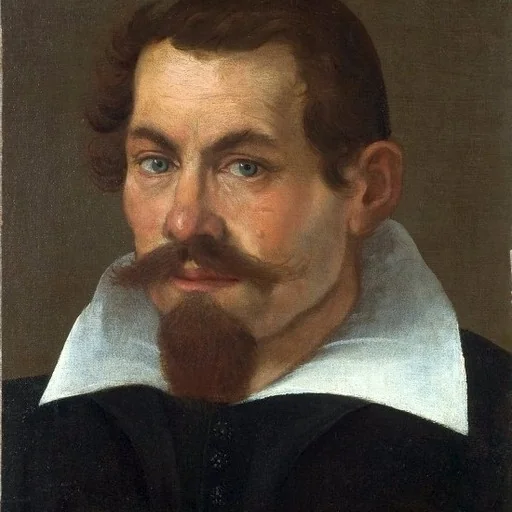
Artist
Agostino Carracci ( kə-RAH-chee, UK also kə-RATCH-ee, Italian: ; also Caracci; 16 August 1557 – 22 March 1602) was an Italian painter, printmaker, tapestry designer, and art teacher.

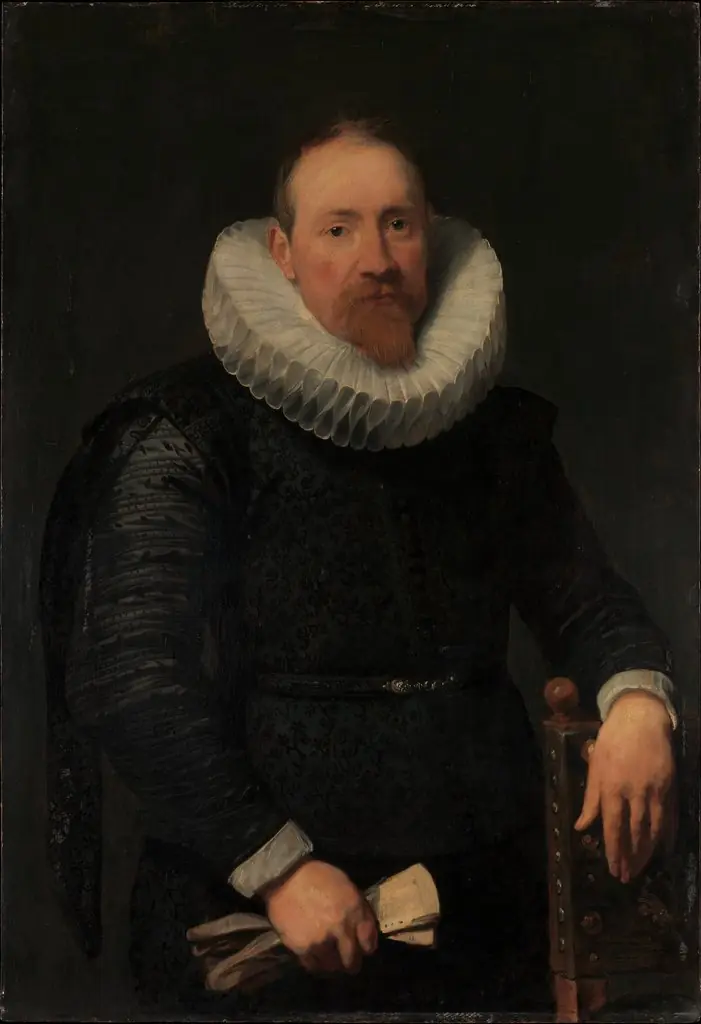 Portrait of a Man
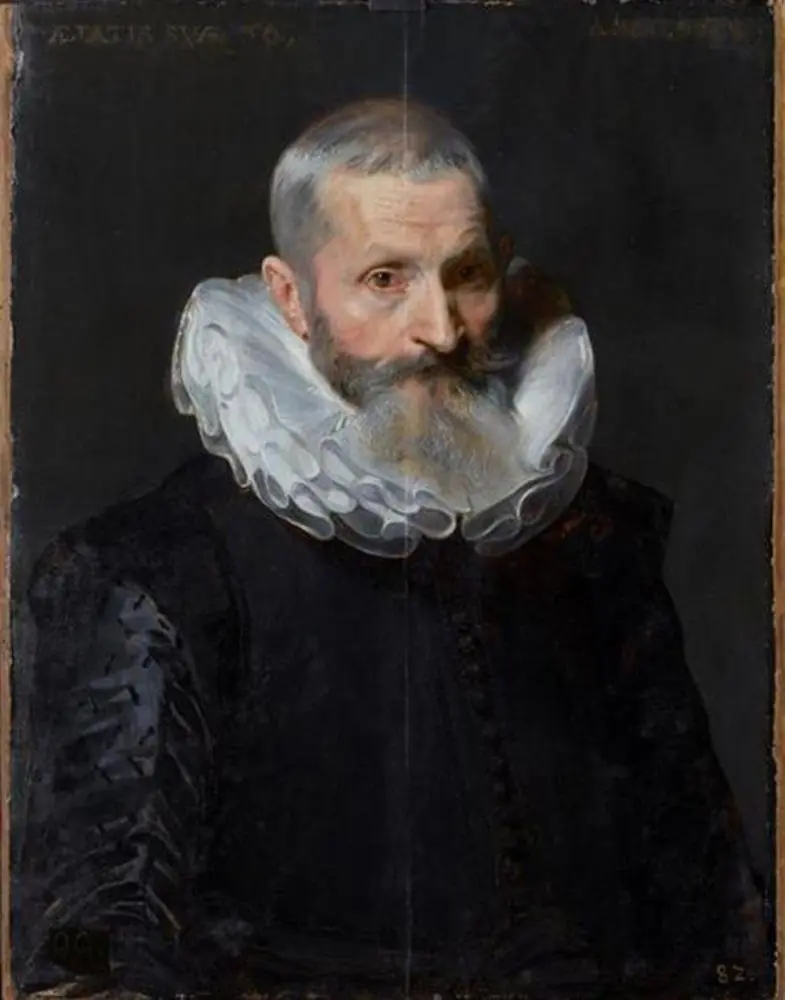 Portrait of a 60-year-old Man
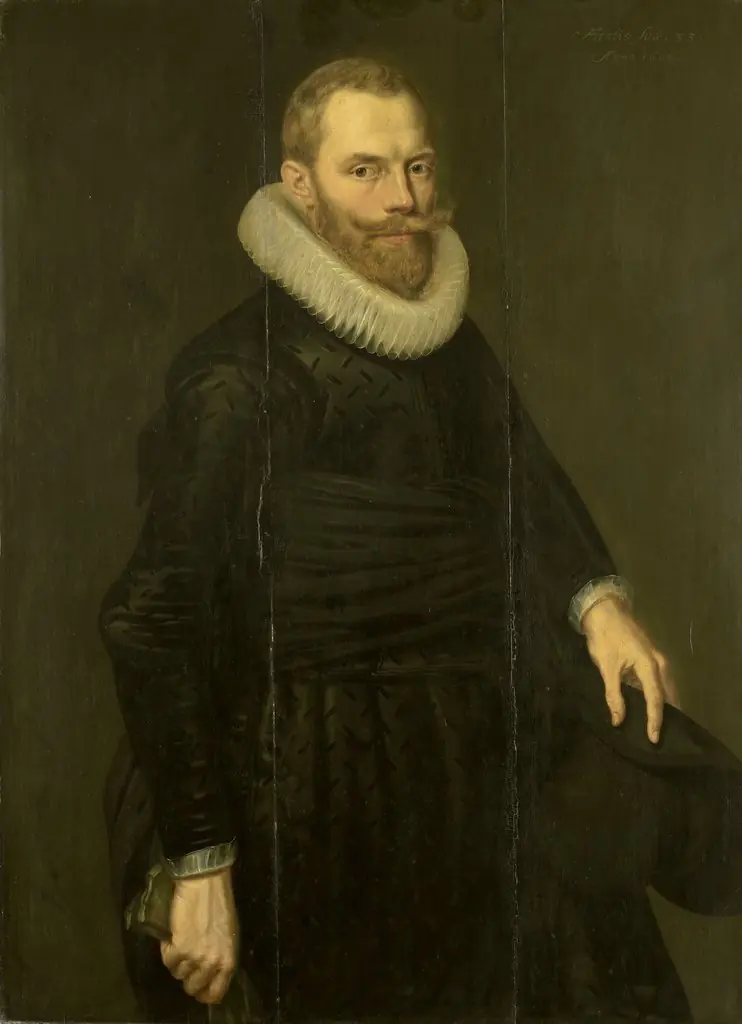 Portrait of Dirck Hasselaer (1581-1645)
 Portrait of an unidentified man
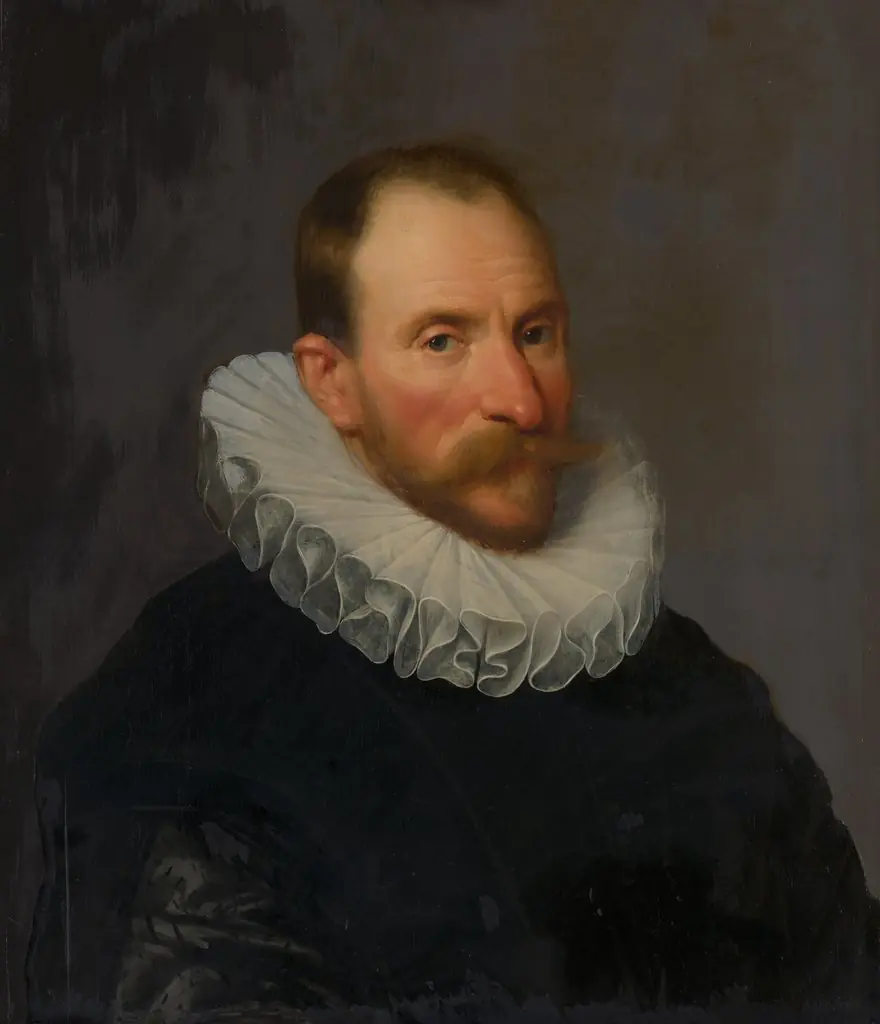 Portrait of Cornelis van Aerssen (1545-1627)
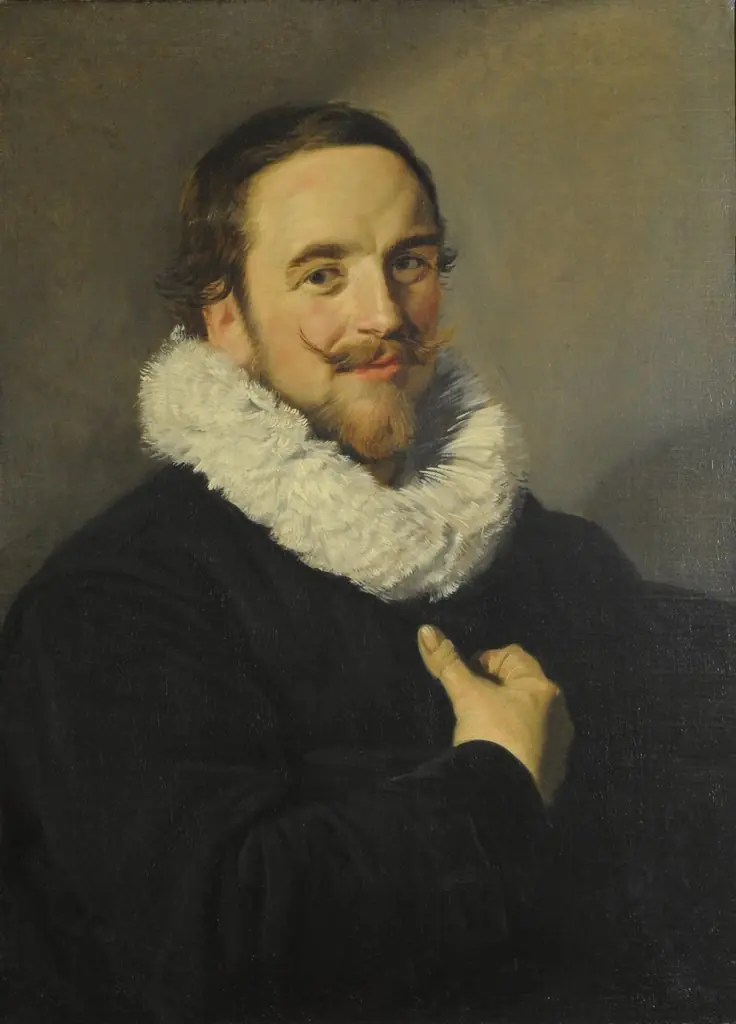 Portrait of a gentleman
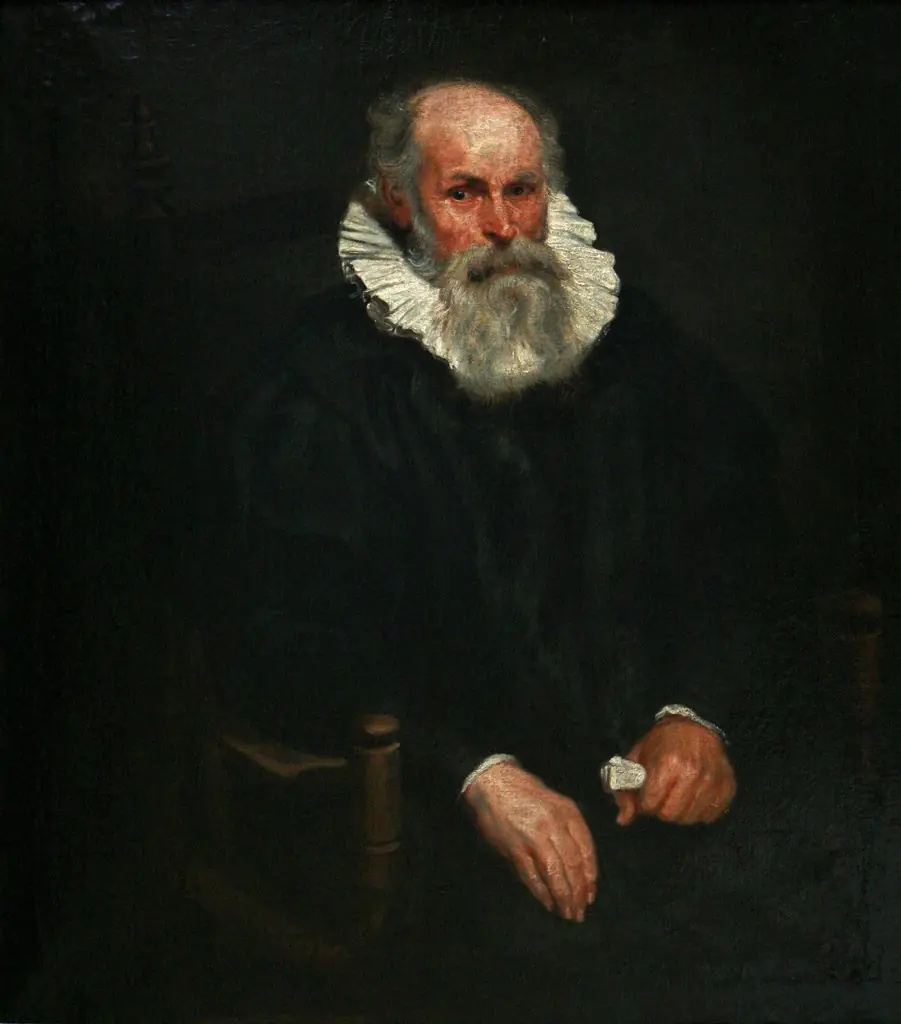 Portrait of an old man
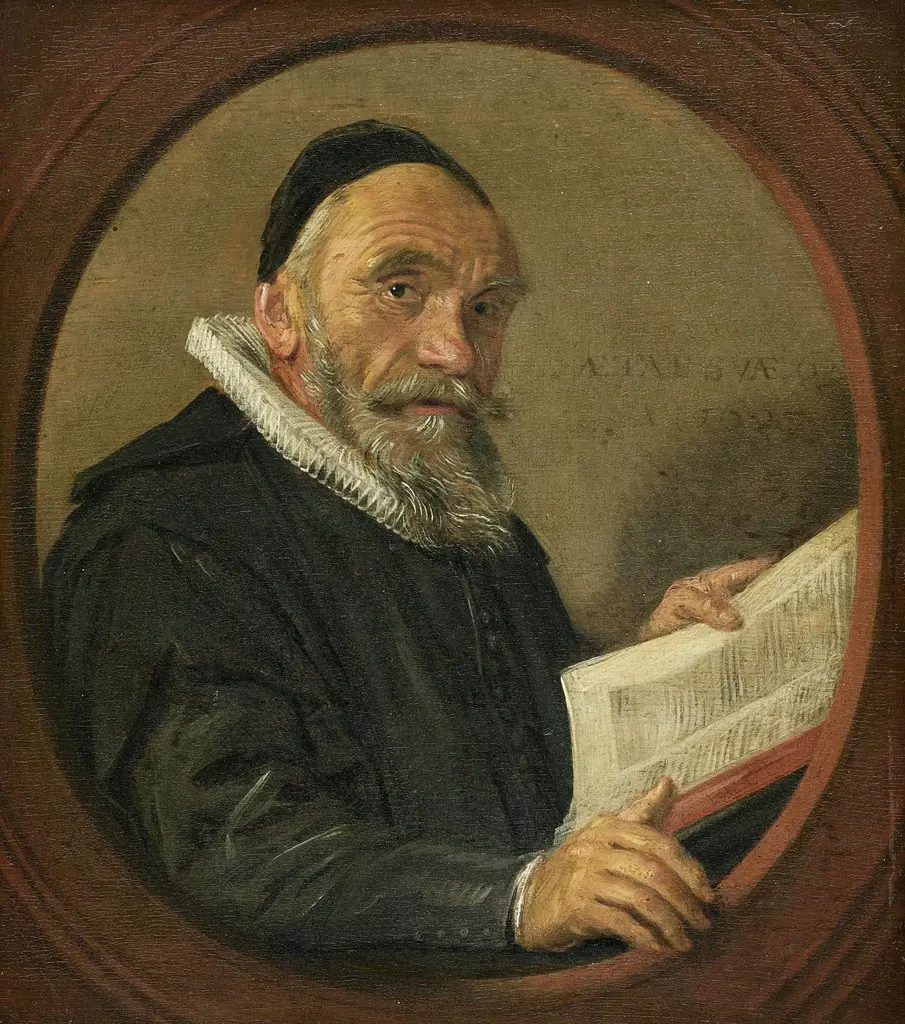 Portrait of Johannes Acronius
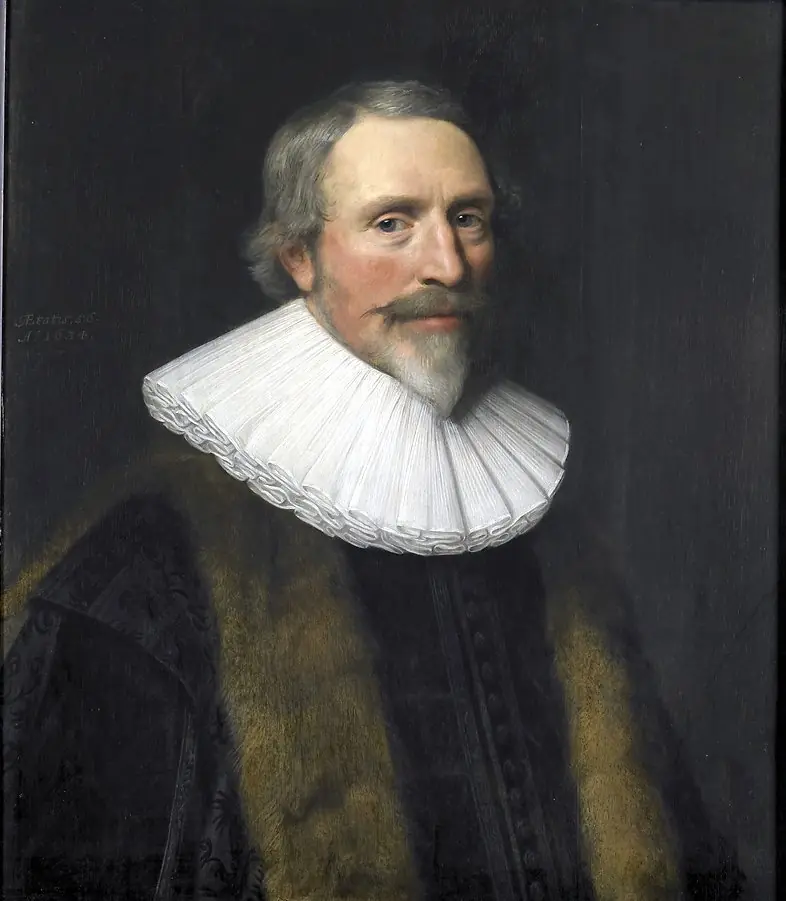 Portrait of Jacob Cats (1577-1660)
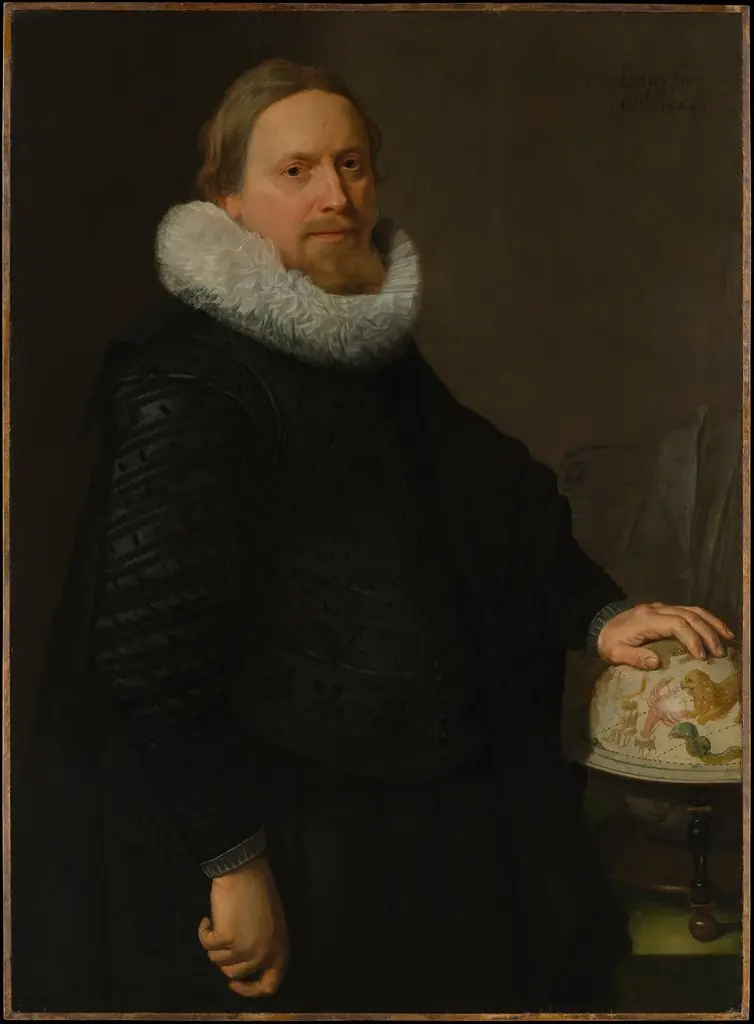 Man with a Celestial Globe
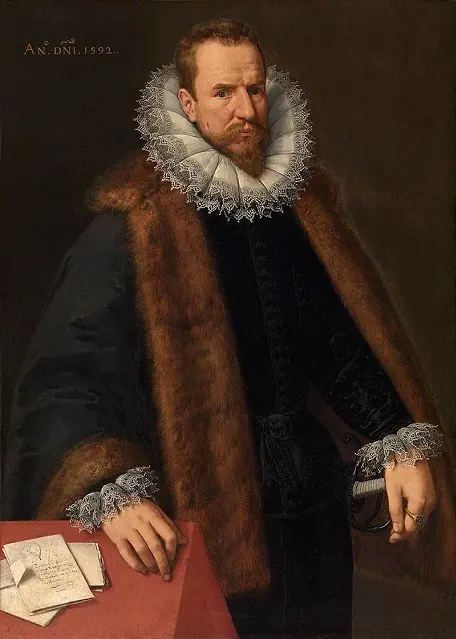 Portrait of Nicolas de Hellincx, counselor of the king
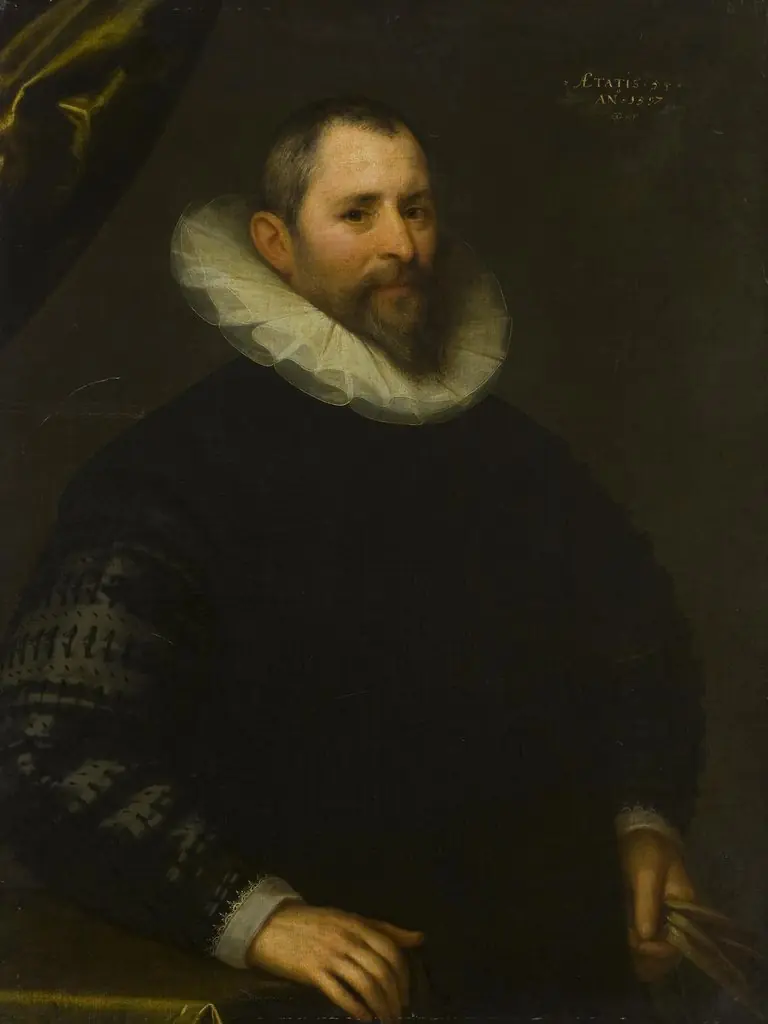 Portrait of Gottfried Hautappel