Artwork
Portrait of Johannes Acronius
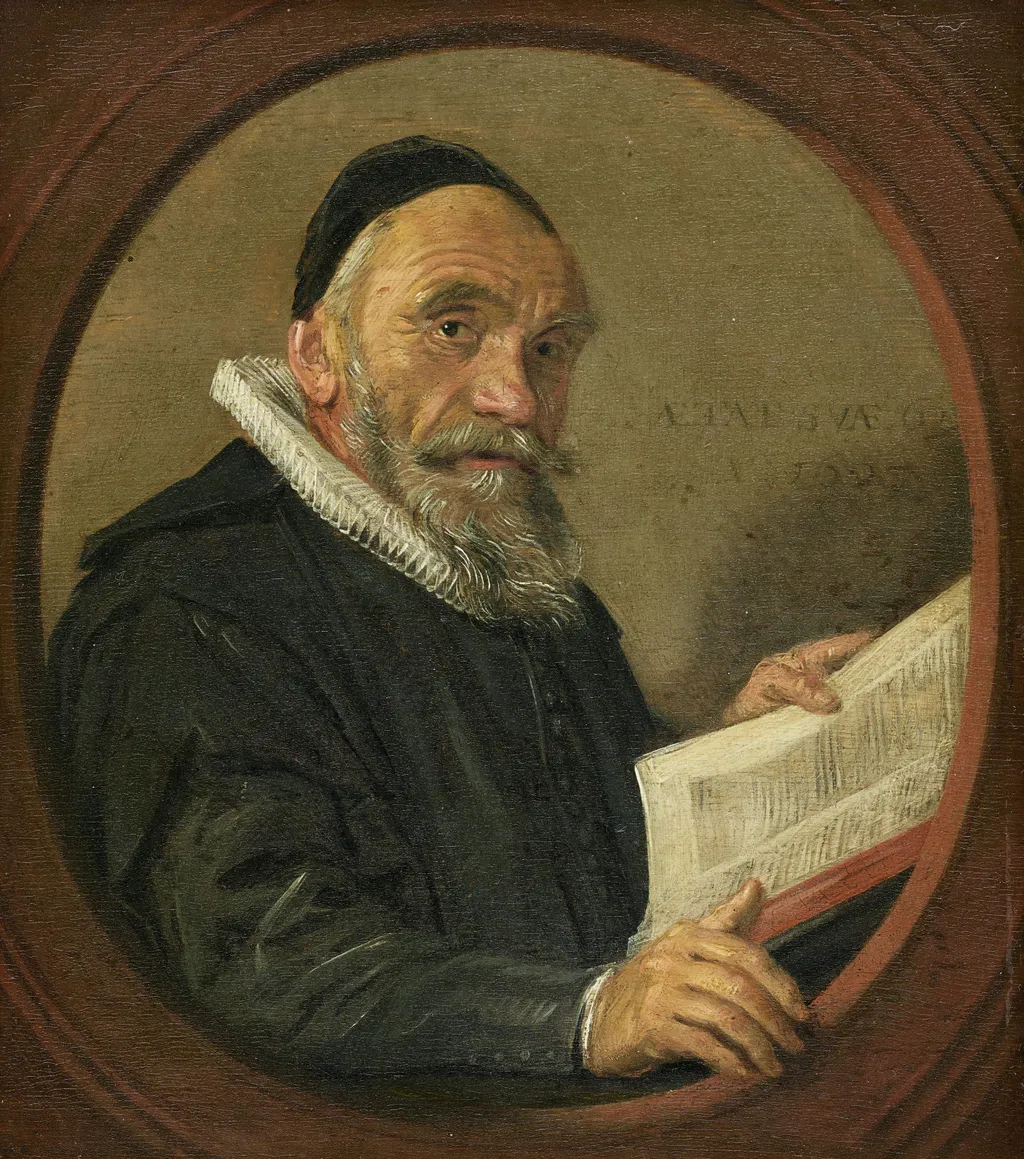
Portrait of Johannes Acronius is an oil painting by the Dutch Golden Age artist Frans Hals. It dates from 1627 and is held in the collection of the Gemäldegalerie Berlin.
About this work
Overview
Frans Hals painted an oil portrait of Johannes Acronius in 1627. The work exemplifies the portrait tradition of the Dutch Golden Age, showing a mature gentleman with a white beard, ruff collar, and an open book. The figure is set against a dark, unadorned background that isolates his face and hands.
Subject & Meaning
Johannes Acronius is presented as an educated man, indicated by the book he holds and the dignified pose of his hands. The white beard and solemn expression convey age and authority, while the simple attire and lack of overt symbols focus attention on his intellectual presence rather than civic status.
Technique & Style
Hals employs loose, lively brushwork on the face and hands, creating a sense of immediacy. Light falls across the features, producing a chiaroscuro effect that models the beard and highlights the book. The overall handling reflects Haarlem’s portrait conventions, balancing realism with a spontaneous painterly touch.
History & Provenance
Since its creation, the portrait has remained in the public domain, eventually entering the collection of the Gemäldegalerie in Berlin. Its documentation traces back to the 17th‑century Dutch market, where private commissions for affluent citizens were common, and it has been catalogued as part of the museum’s Dutch Golden Age holdings.
Context
The painting emerges from a period when domestic patrons in Haarlem supported a flourishing portrait market. Hals, noted for capturing the vitality of the city’s burghers, applied his characteristic brisk technique to Acronius, aligning the work with contemporary expectations for personal likenesses and modest display of status.
Artist & collection
Artist
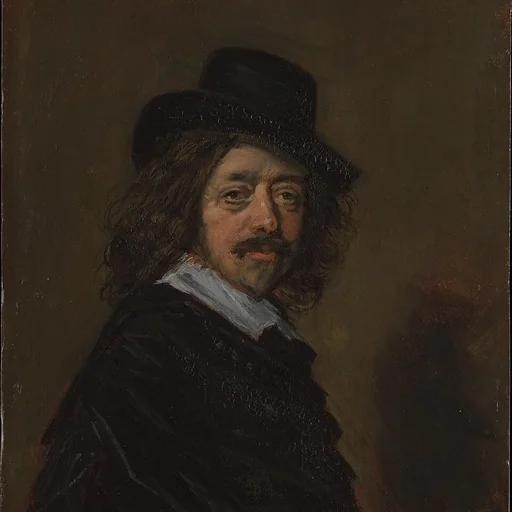
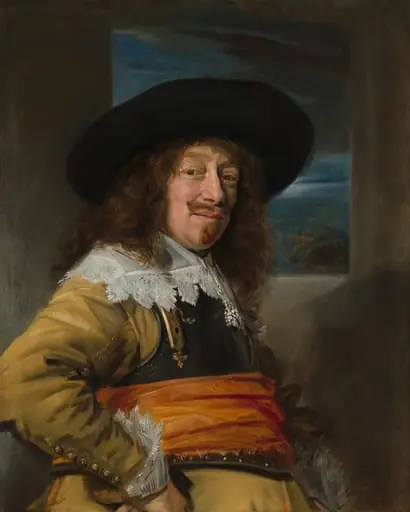
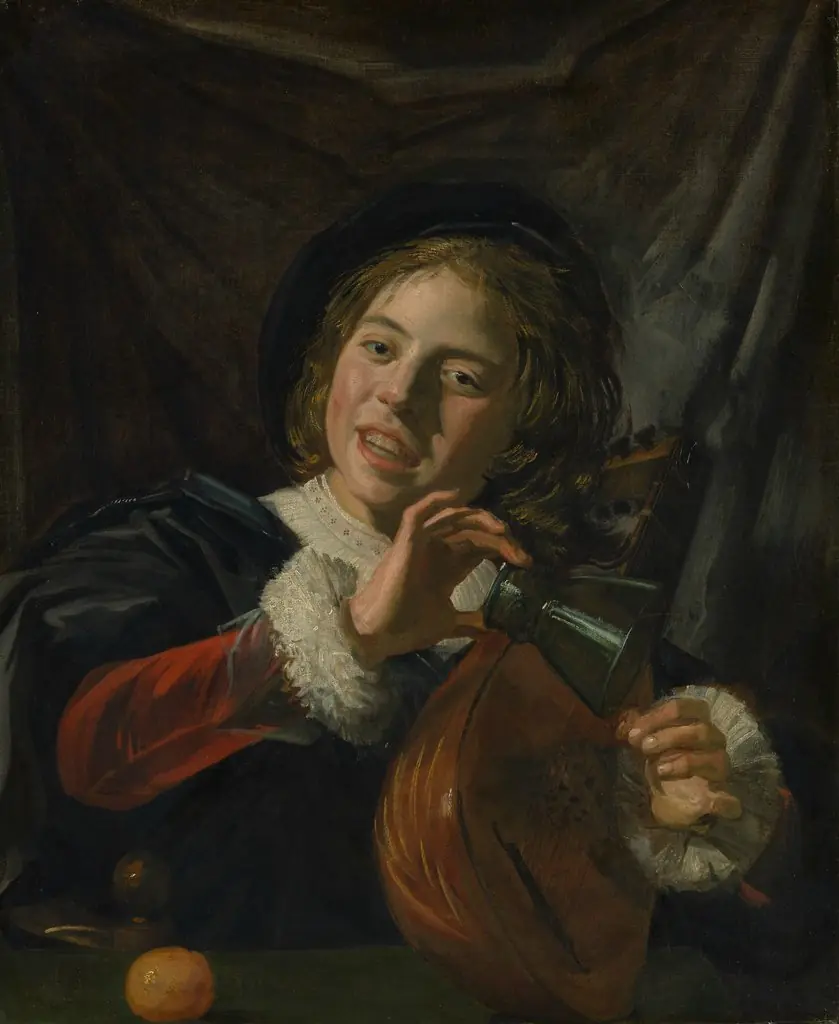
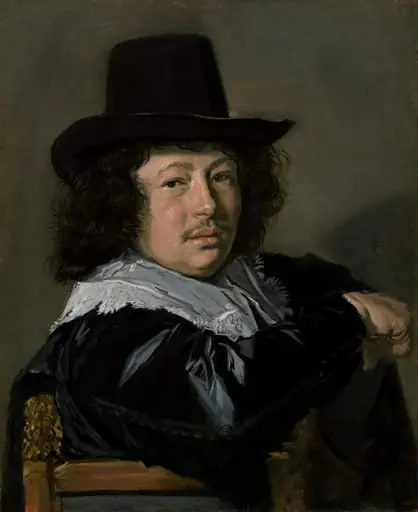
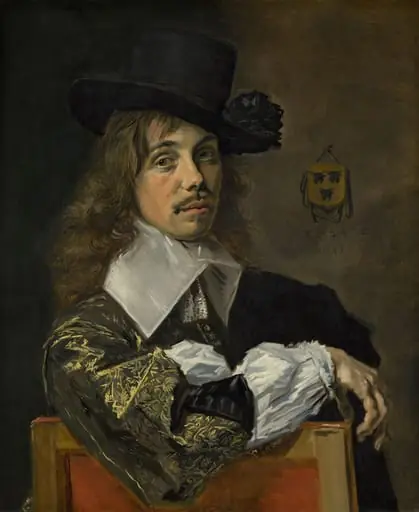
Frans Hals the Elder (UK: , US: ; Dutch: ; c. 1582 – 26 August 1666) was a Dutch Golden Age painter. He lived and worked in Haarlem, a city in which the local authority of the day frowned on religious painting in places…

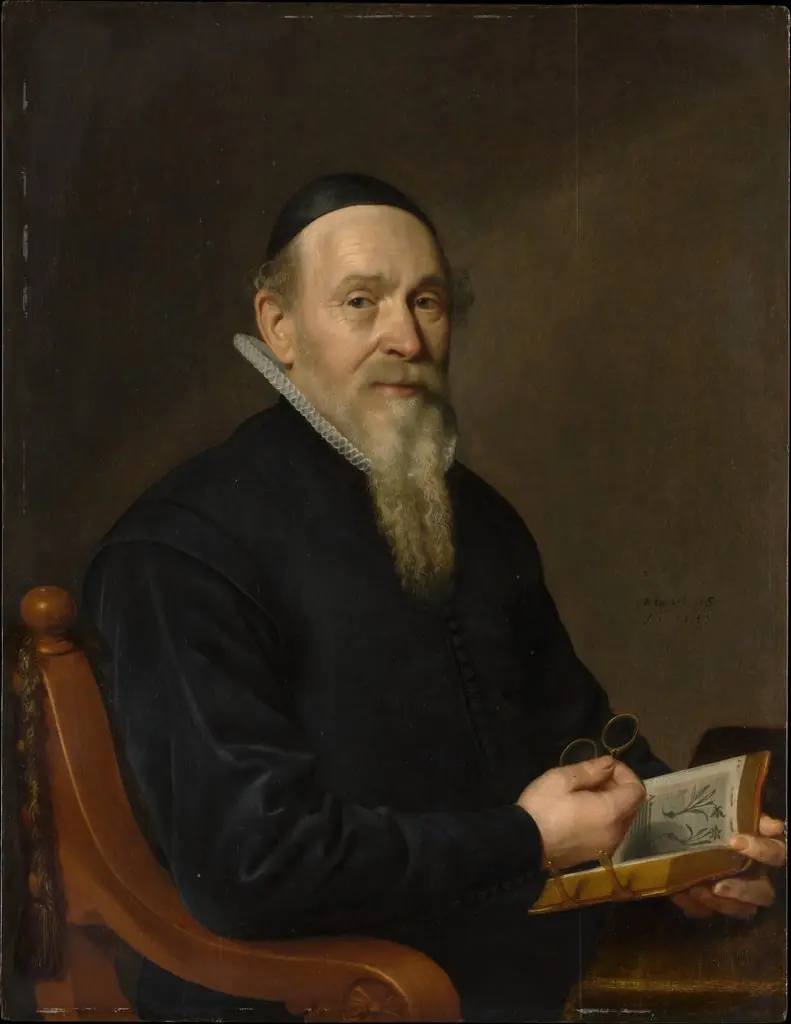 Portrait of a Man, Possibly a Botanist
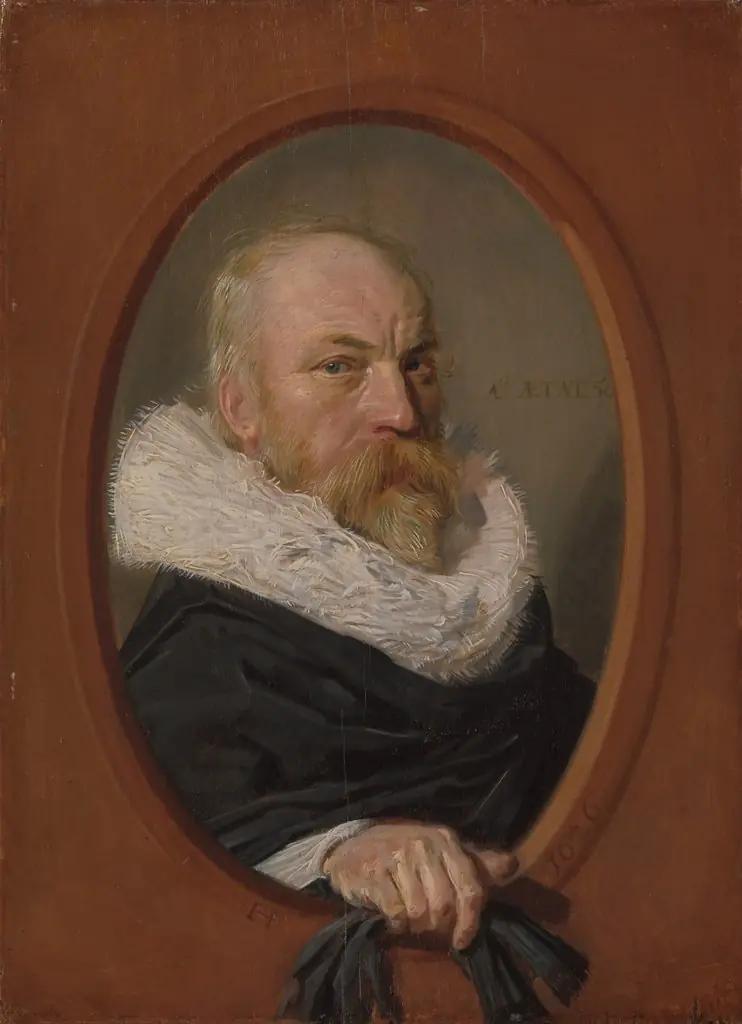 Portrait of Petrus Scriverius
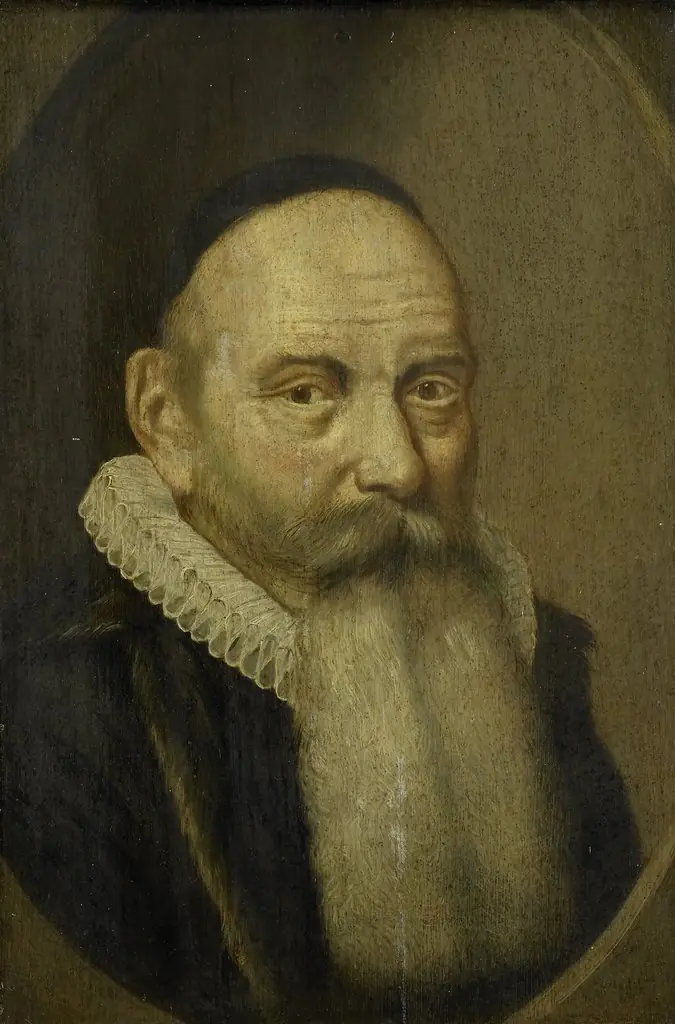 Portrait of Jacobus Rolandus (1562-1632)
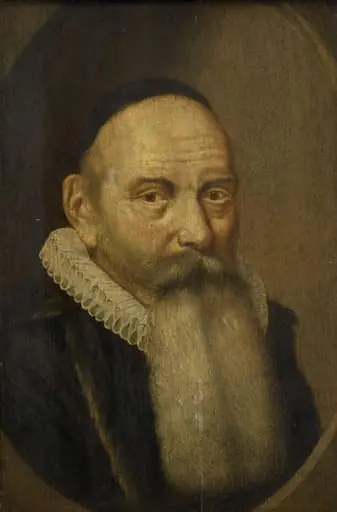 Untitled
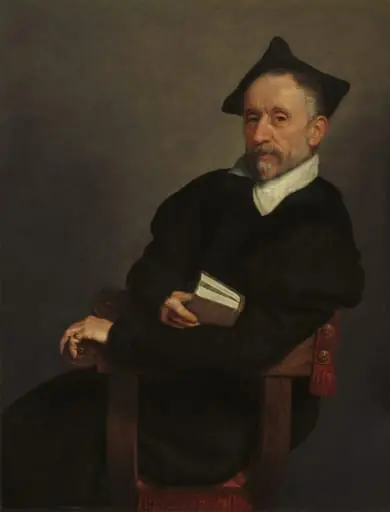 "Titian's Schoolmaster"
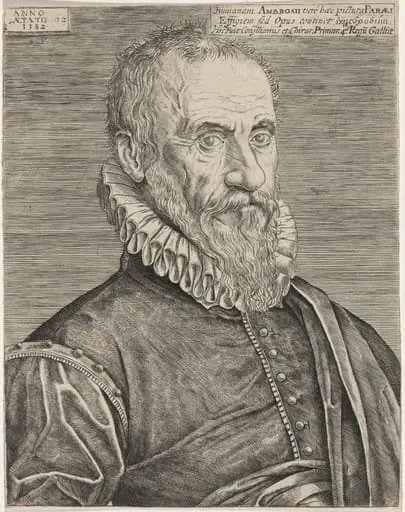 Ambrosius Parens
 Untitled
 Portrait of Hendrik Swalmius
 Portrait of Anthony de Wale (1573-1639). Professor of Theology at the University in Leiden
 Portrait of Anthony de Wale (1573-1639)
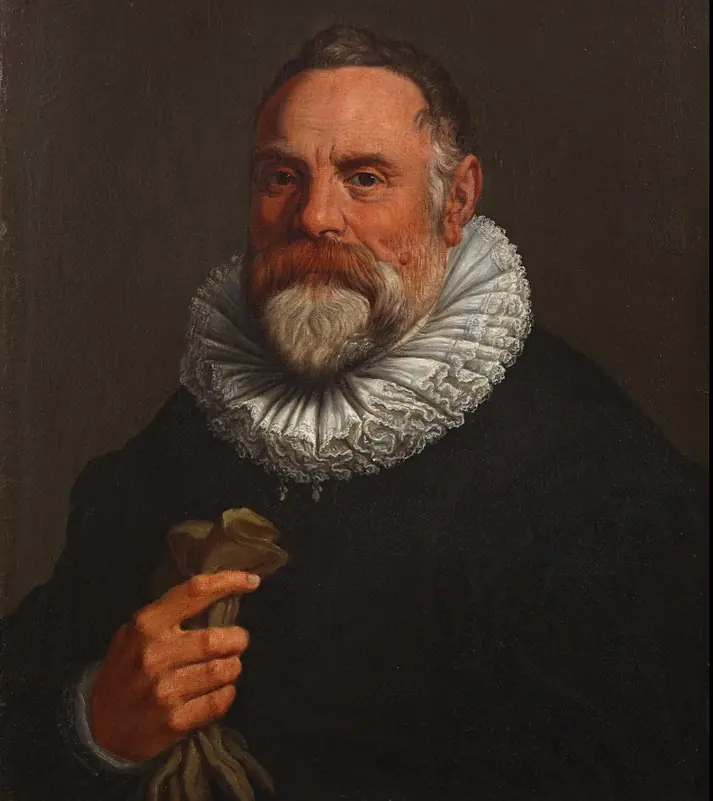 Portrait of Ulisse Aldrovandi
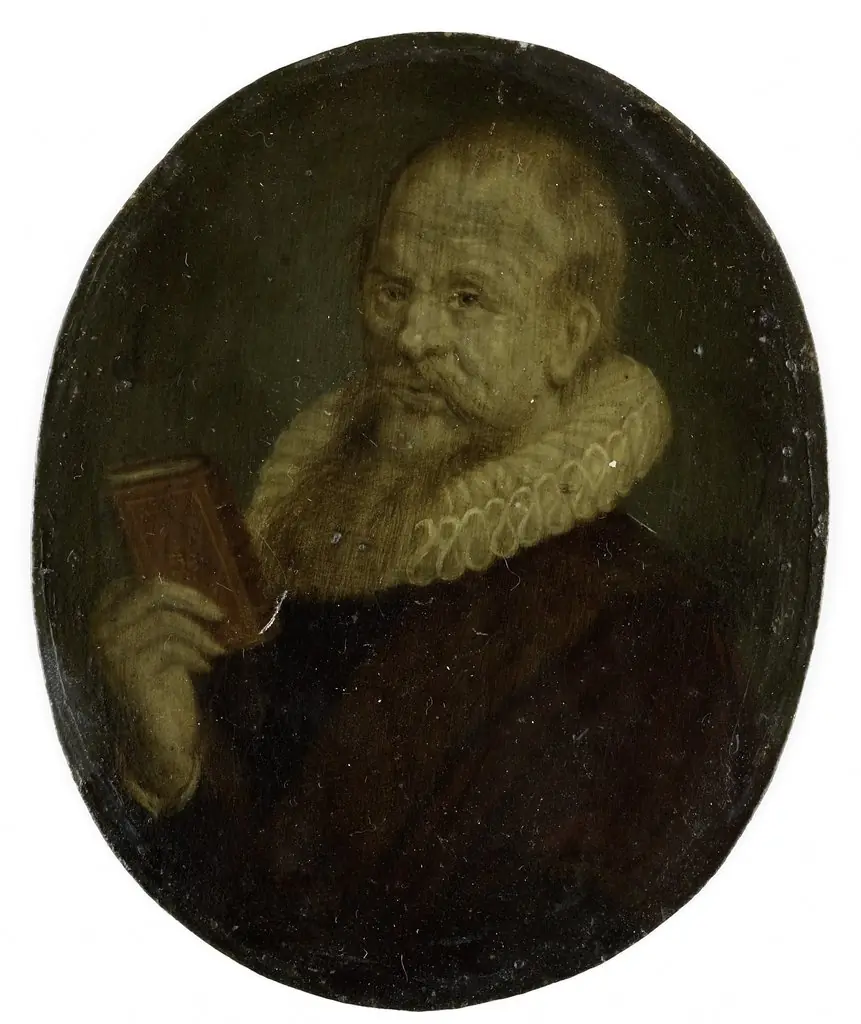 Portrait of Theodorus Schrevelius (1572-1653)