Artwork
Heinrich Pestalozzi with the Orphans of Stans
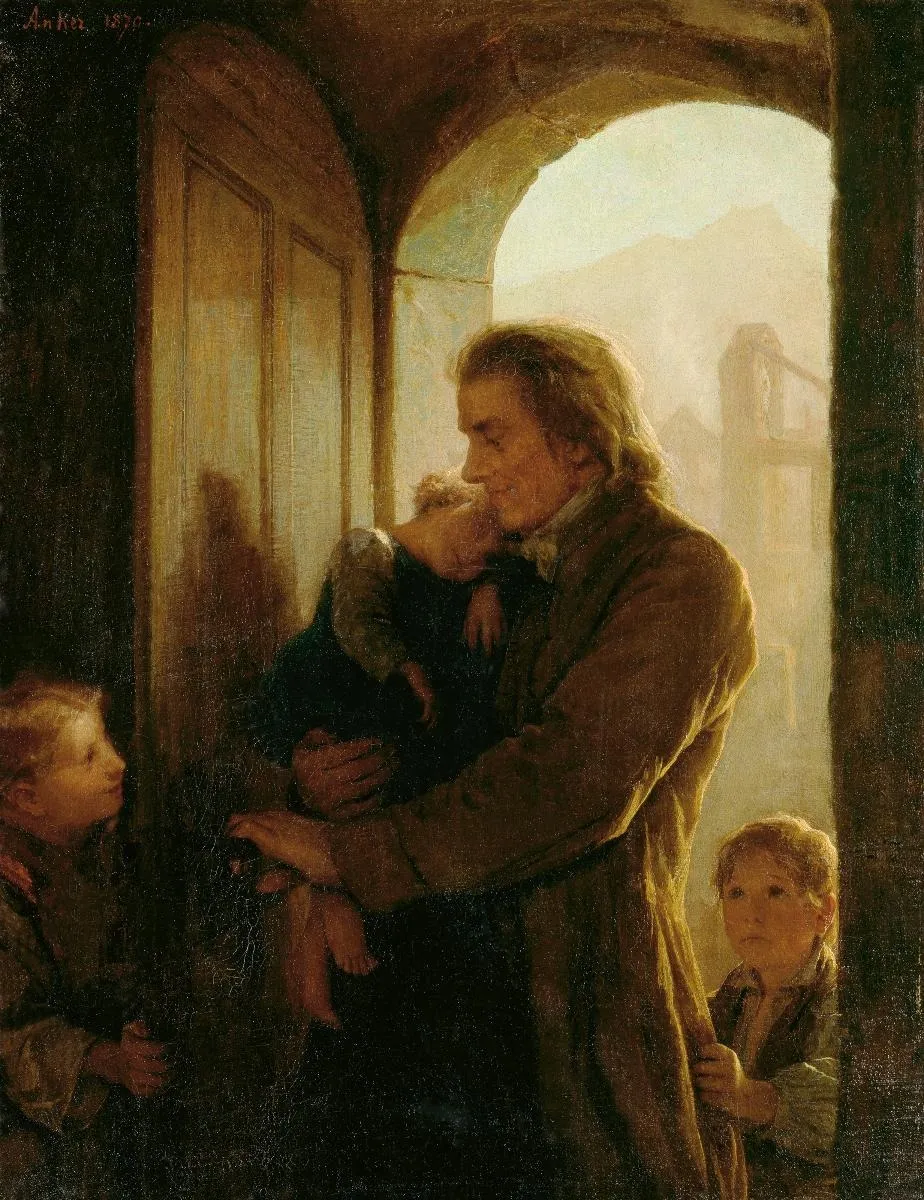
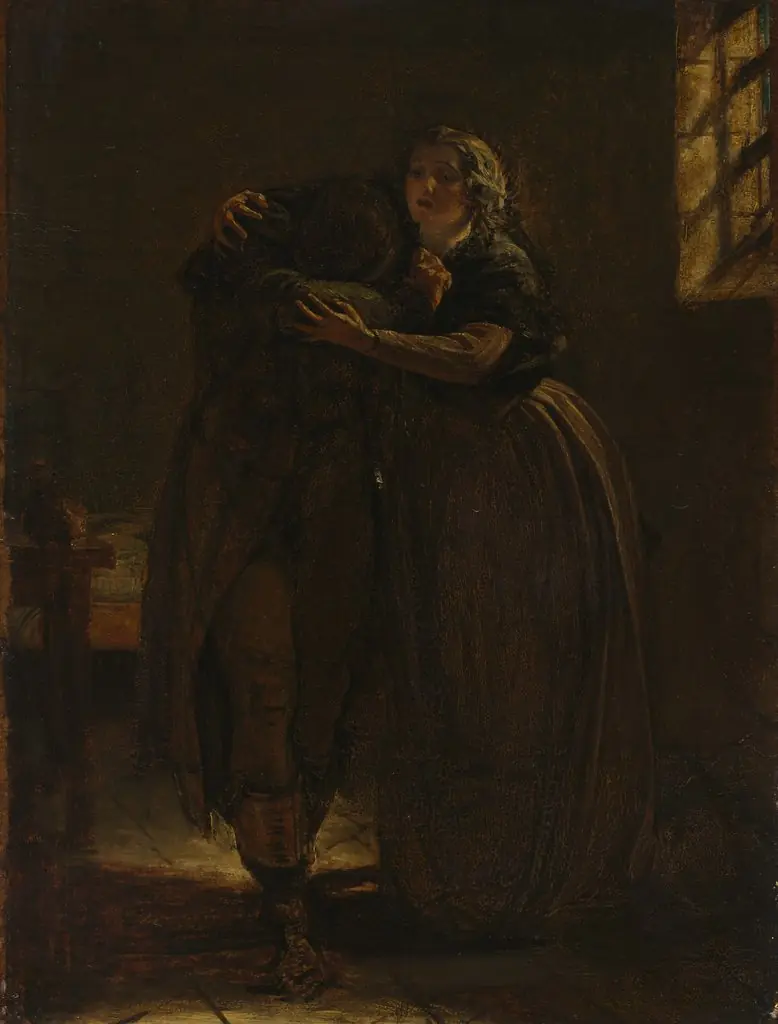
Heinrich Pestalozzi with the Orphans of Stans is an oil painting by the Realist artist Albert Anker. It dates from 1870 and is held in the collection of the Kunsthaus Zürich.
About this work
Overview
The work is a realistic portrayal of the Swiss educator Johann Heinrich Pestalozzi surrounded by children in a modest interior.
Albert Anker painted *Heinrich Pestalozzi with the Orphans of Stans* in 1870 using oil on canvas. The work is a realistic portrayal of the Swiss educator Johann Heinrich Pestalozzi surrounded by children in a modest interior. Anker, known for his quiet depictions of Swiss rural society, chose this subject to reflect values of compassion and education. The painting is part of the Kunsthaus Zürich’s permanent collection.
Subject & Meaning
The painting centers on Pestalozzi, a pioneer in child-centered education, holding one child while two others stand nearby. His gentle posture and the children’s attentive expressions suggest a bond built on care rather than authority. The scene avoids idealization, presenting vulnerability and quiet dignity. It underscores Pestalozzi’s belief that emotional security is foundational to learning, aligning with his educational philosophy.
Technique & Style
Anker employed chiaroscuro to model the figures with soft, naturalistic light falling from a window to the right. The children’s dark clothing contrasts with the pale wall behind them, drawing focus to their faces and the central embrace. Brushwork is restrained, emphasizing texture in fabric and skin without flourish. The arched doorway frames the group, creating a sense of intimacy within a confined space.
History & Provenance
Commissioned to honor Pestalozzi’s legacy, the painting was completed in 1870, nearly half a century after the educator’s death. Anker, who admired Pestalozzi’s reforms, sought to memorialize his humanistic approach. The work entered the Kunsthaus Zürich’s collection shortly after its completion and has remained there since, serving as a visual anchor for Swiss educational history.
Context
In 19th-century Switzerland, public education was expanding, and Pestalozzi’s ideas gained renewed attention. Anker’s painting emerged during a period of national reflection on civic values and moral instruction. By depicting the educator with orphans, the work aligned with broader social movements advocating for child welfare and accessible schooling, reinforcing ideals of empathy over institutional rigidity.
Legacy
The painting endures as a quiet testament to Pestalozzi’s influence on pedagogy and Swiss cultural identity. It has been reproduced in educational texts and exhibited in contexts emphasizing humanitarian values. While not widely known outside Switzerland, it remains a key image in the nation’s artistic representation of moral education and social responsibility.
Artist & collection
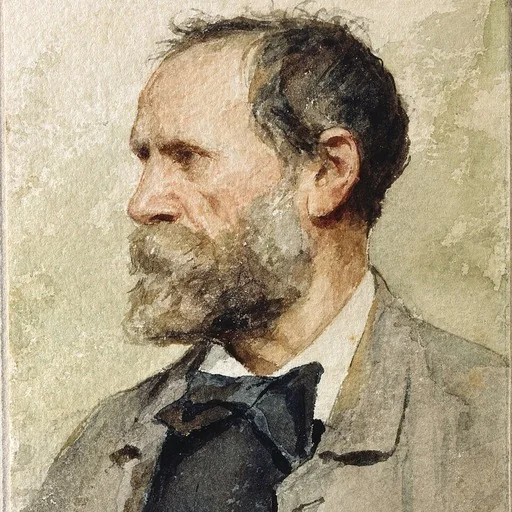
Artist
Albert Anker (1 April 1831 – 16 July 1910) was a Swiss painter and illustrator who has been called the "national painter" of Switzerland because of his enduringly popular depictions of 19th-century Swiss rural life.

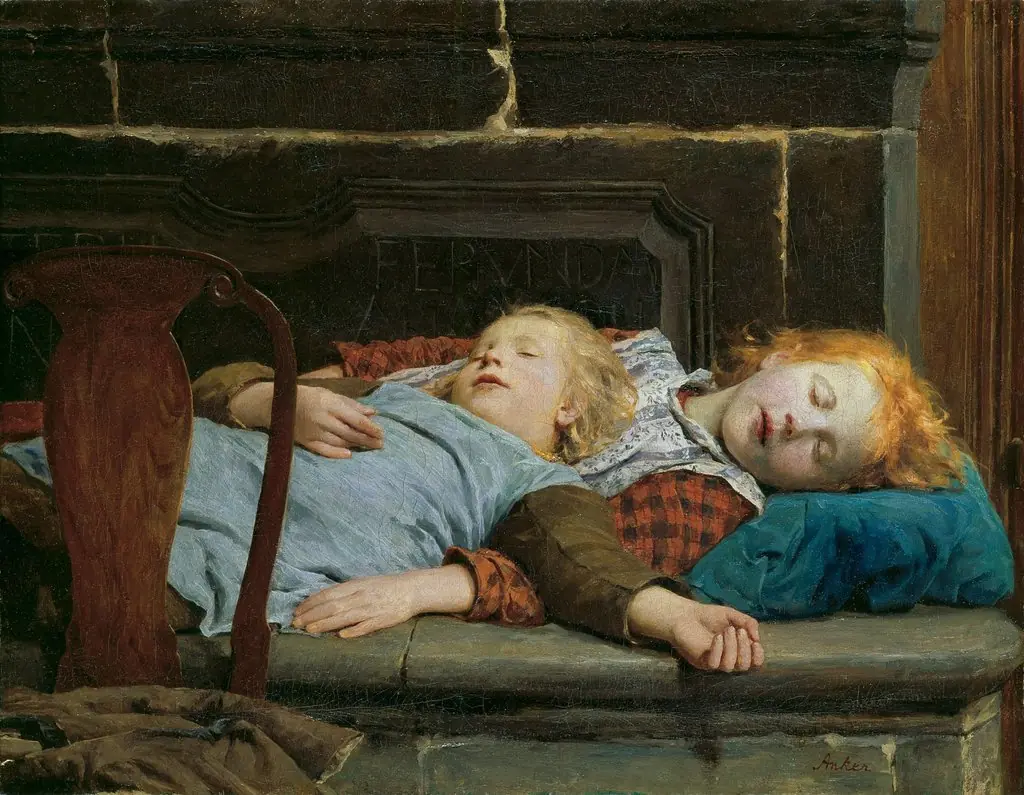
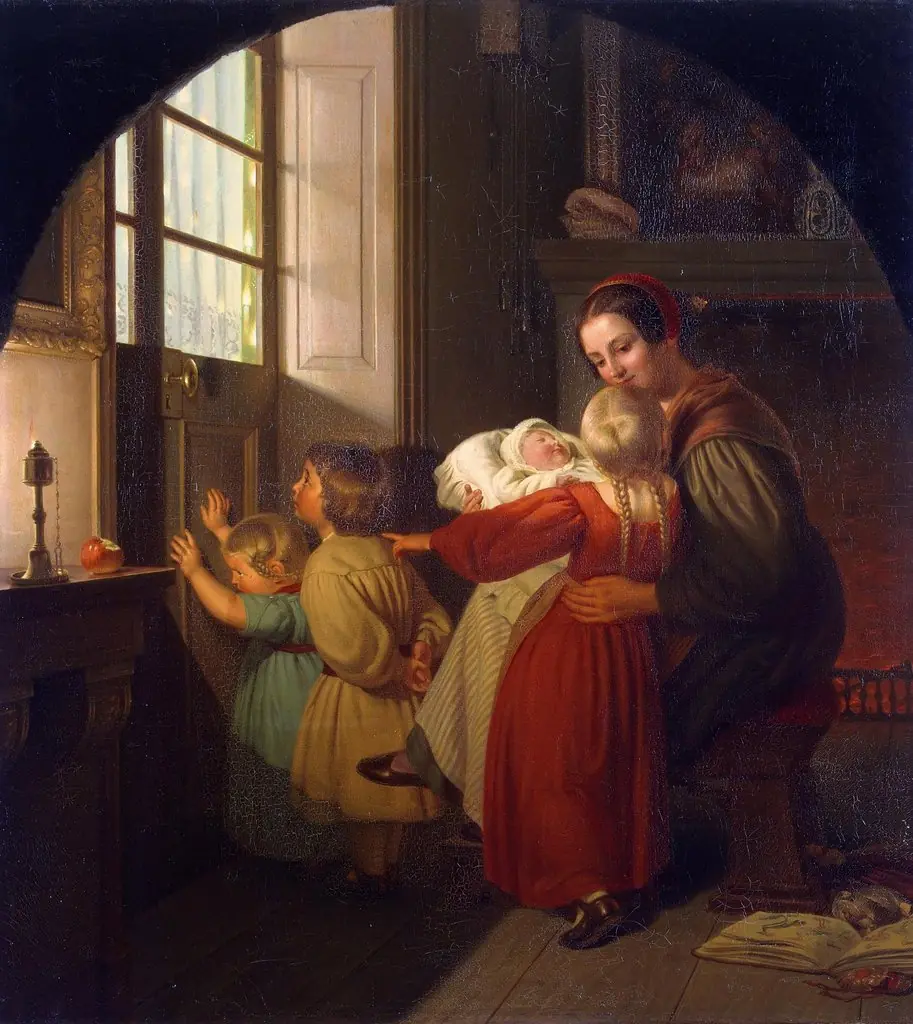 Children Expecting the Christmas Feast
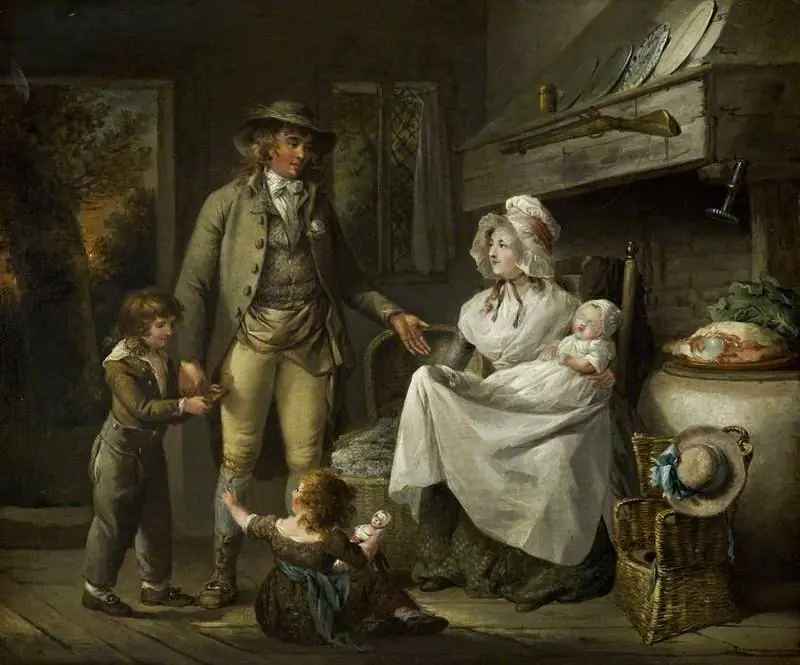 The Comforts of Industry
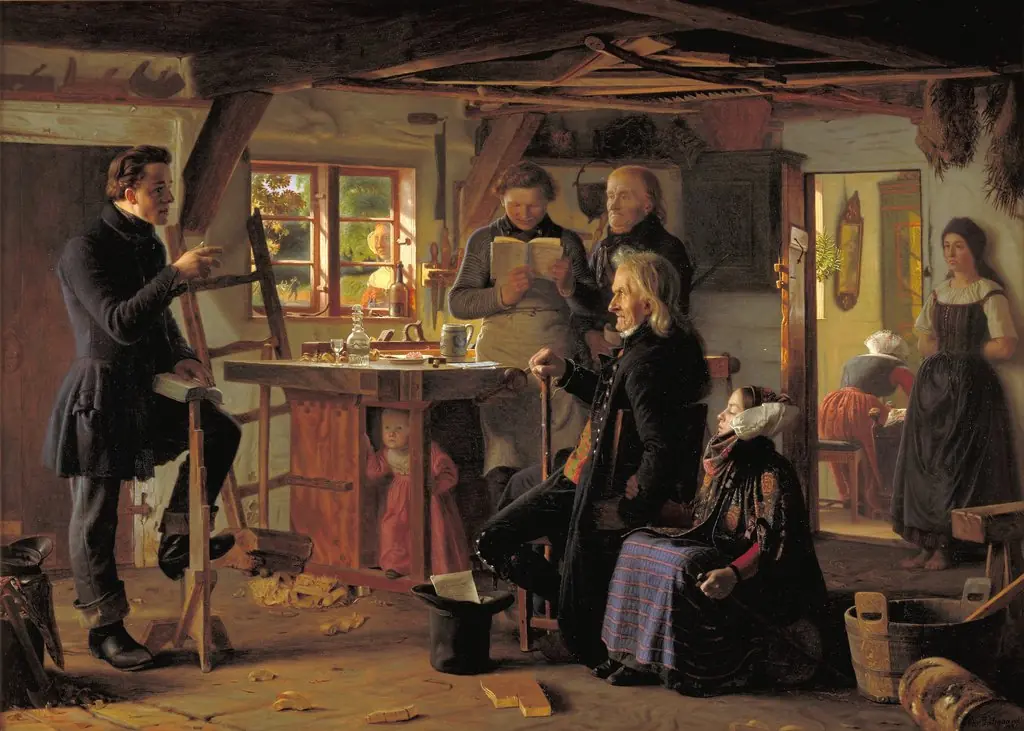 Mormons Visiting a Country Carpenter
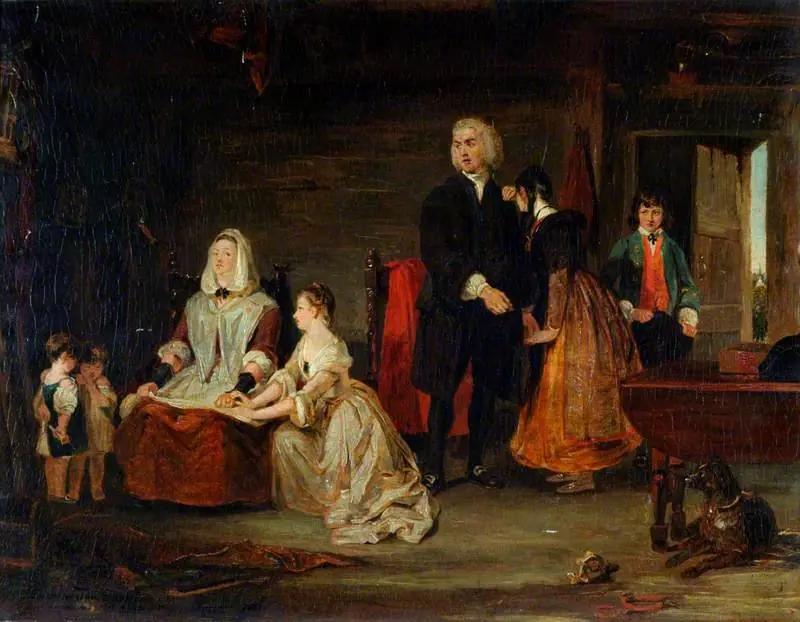 Olivia's Return
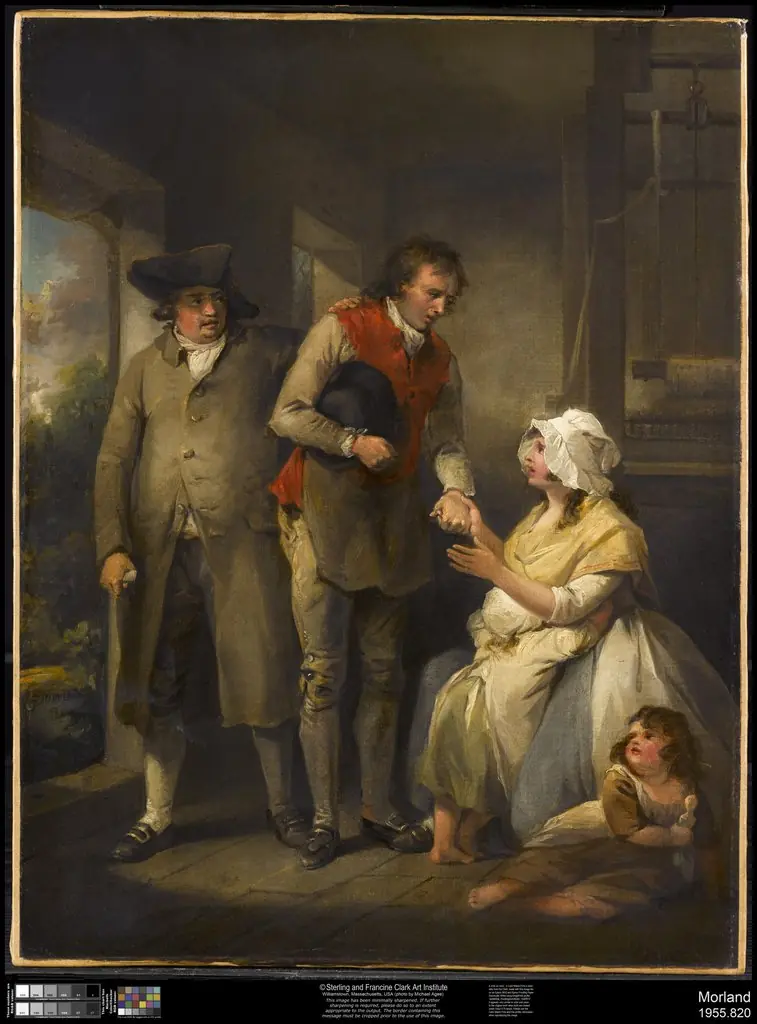 The Power of Justice
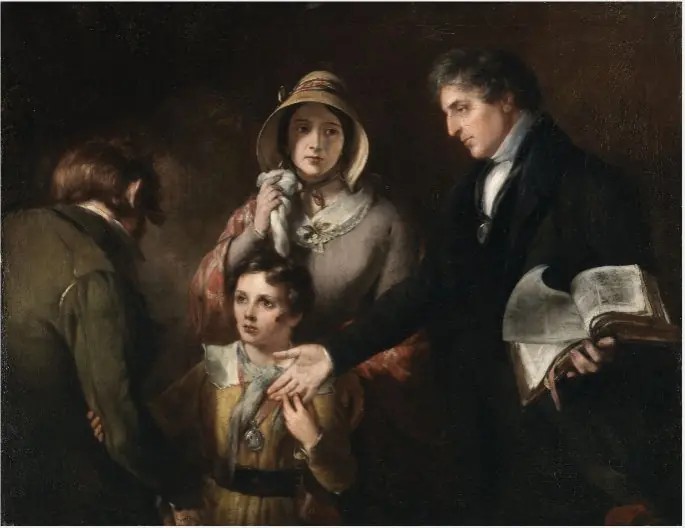 Father Matthew Receiving a Repentant Pledge-Breaker
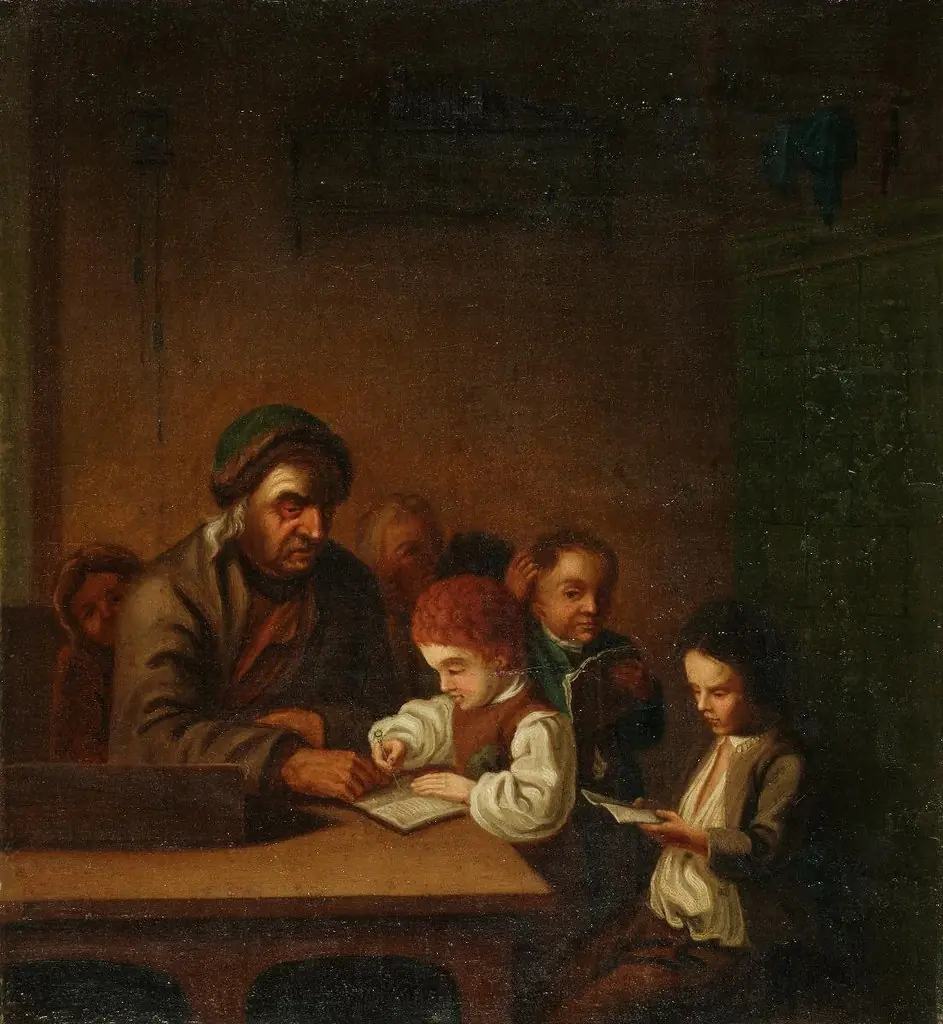 Die Dorfschule
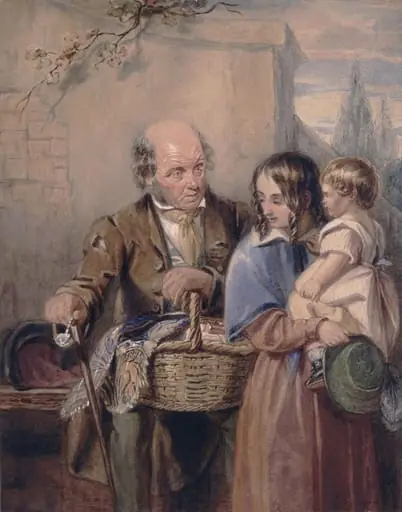 The Pedlar
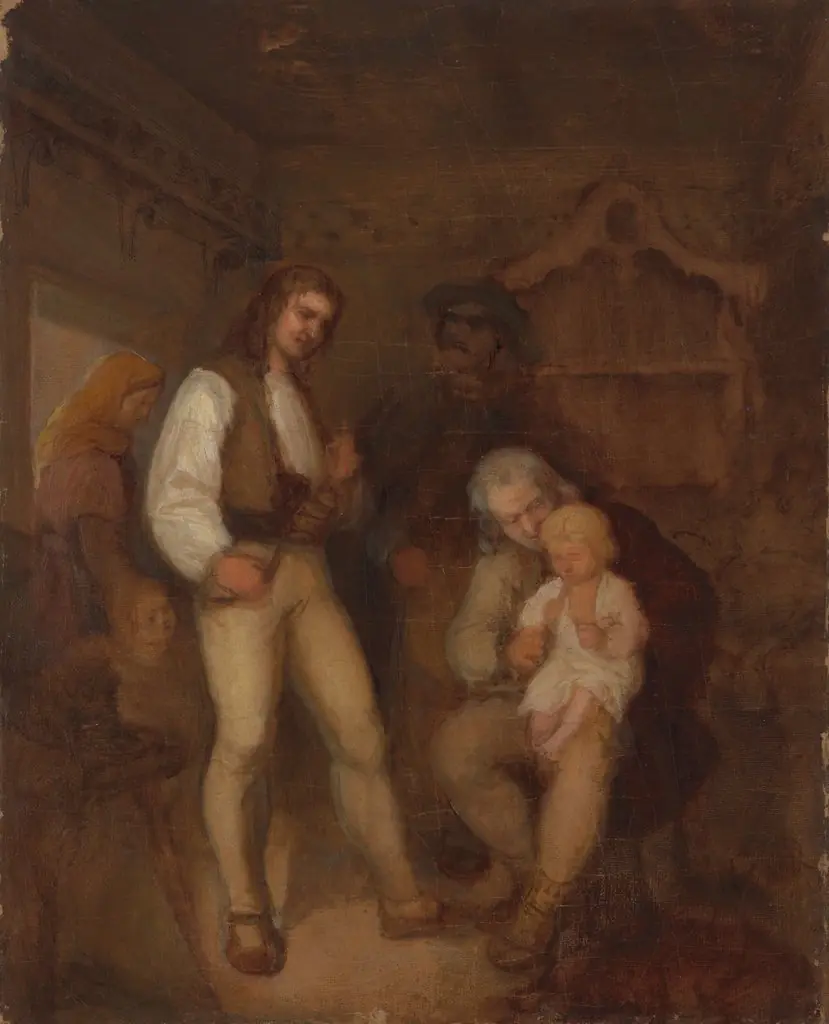 Highlander's Family
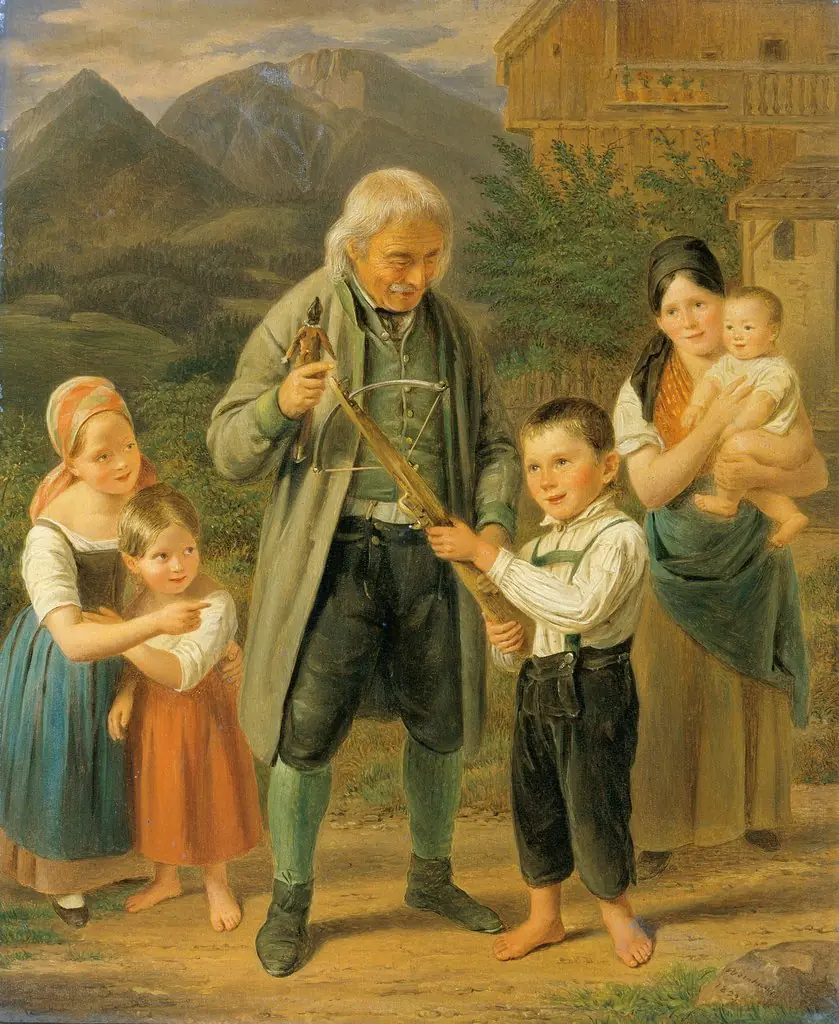 Archery Lessons
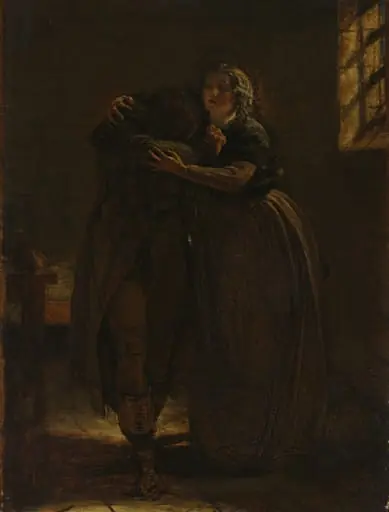 Study for "Come Rest in this Bosom my own Stricken Dear"
 Study for "Come Rest in this Bosom my own Stricken Dear"