Artwork
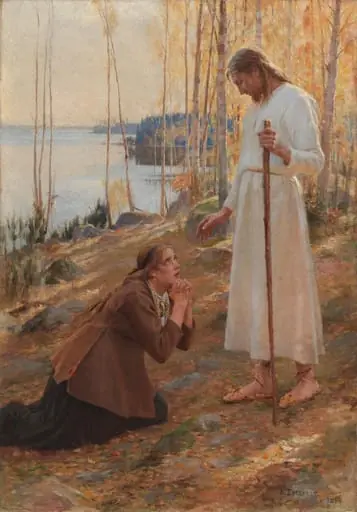
Christ and Mary Magdalene, a Finnish Legend
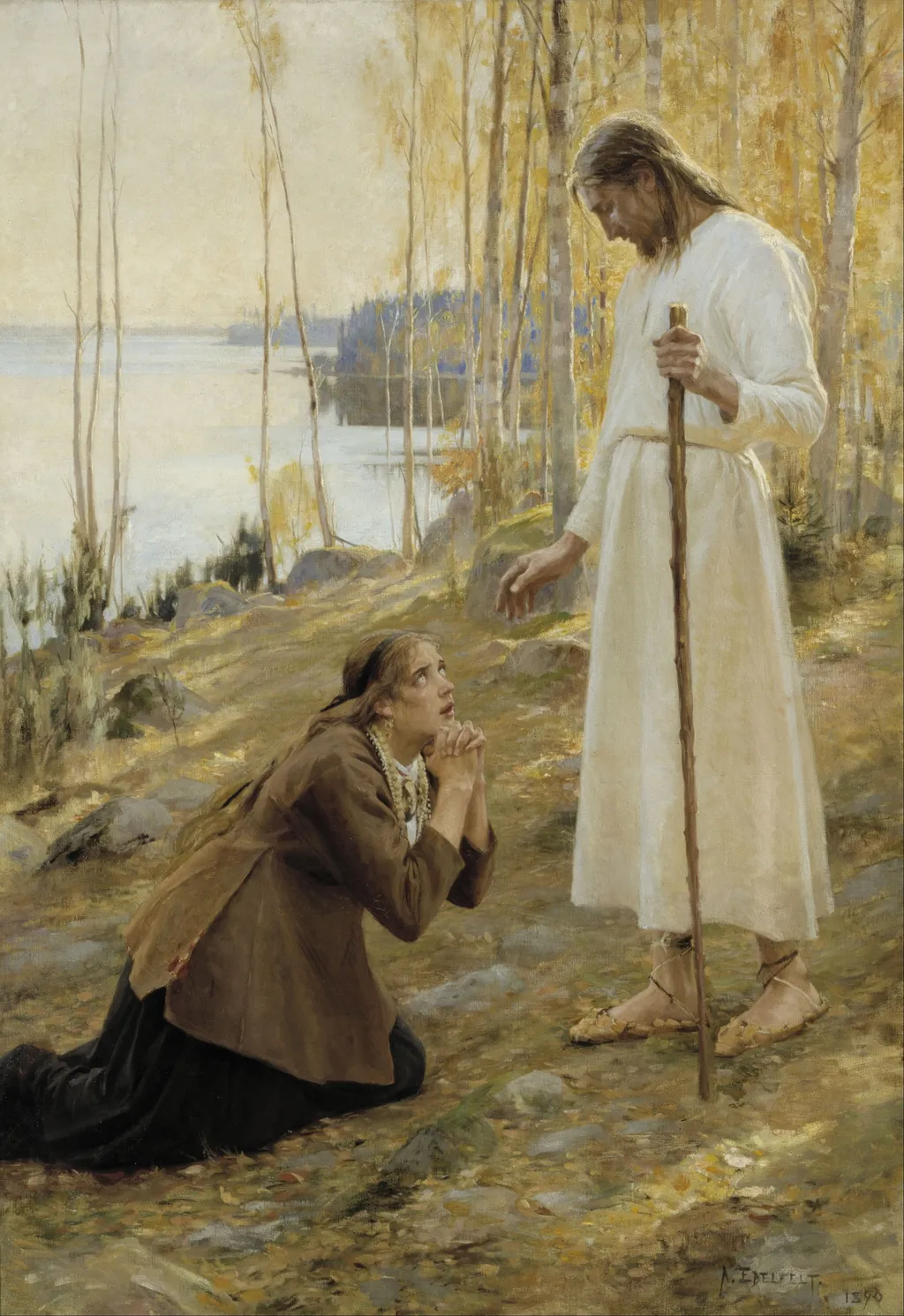
Christ and Mary Magdalene, a Finnish Legend is an oil painting by the Post-Impressionist artist Albert Edelfelt. It dates from 1896 and is held in the collection of the Finnish National Gallery.
About this work
Overview
Though rooted in the Gospel narrative of Christ appearing to Mary Magdalene after the Resurrection, Edelfelt transposes the scene into a quiet Nordic setting.
Painted in 1896 by Albert Edelfelt, this oil work reimagines a biblical encounter within a Finnish landscape. Though rooted in the Gospel narrative of Christ appearing to Mary Magdalene after the Resurrection, Edelfelt transposes the scene into a quiet Nordic setting. The painting reflects his commitment to realism and his effort to anchor universal themes in local environment and light, aligning with Finland’s cultural awakening during the Grand Duchy period.
Subject & Meaning
The painting depicts Mary Magdalene kneeling before Christ, who stands with a staff, his white robe contrasting with the muted tones of the surroundings. Her upward gaze conveys recognition and reverence, while the absence of overt symbolism invites a personal, introspective reading. Edelfelt avoids theatricality, instead emphasizing emotional stillness and spiritual quietude, suggesting a moment of intimate revelation rather than public miracle.
Technique & Style
Edelfelt uses naturalistic brushwork and careful chiaroscuro to model forms with subtle gradations of light. The figures emerge from a dim, wooded landscape, their contours defined by soft contrasts rather than sharp lines. The palette is restrained—earthy browns, muted greens, and pale whites—enhancing the somber mood. His technique prioritizes atmospheric coherence over decorative detail, aligning with Realist traditions while absorbing the tonal sensitivity of post-Impressionist approaches.
History & Provenance
Completed in 1896, the painting entered the collection of Ateneum Art Museum in Helsinki, where it remains today. Edelfelt, already recognized for his international exhibitions, sought to elevate Finnish artistic identity through culturally grounded subjects. This work was part of a broader effort to assert national character within the Russian-controlled Grand Duchy, using familiar landscapes to universalize sacred narratives.
Context
In late 19th-century Finland, artists increasingly turned to local scenery and folklore to forge a distinct cultural voice. Edelfelt’s choice to place a biblical scene in a Finnish forest reflects this trend, merging religious iconography with national identity. The painting emerged amid rising Finnish nationalism, where art became a quiet vehicle for asserting autonomy and cultural depth beyond imperial influence.
Legacy
Though less widely known than Edelfelt’s portraits or genre scenes, this work exemplifies his ability to infuse traditional subjects with regional authenticity. It influenced later Finnish painters seeking to reconcile spiritual themes with native landscapes. Today, it stands as a quiet testament to the era’s artistic ambition—to make the universal feel intimate, and the sacred feel rooted.
Own this work as a print
Artist & collection
Artist
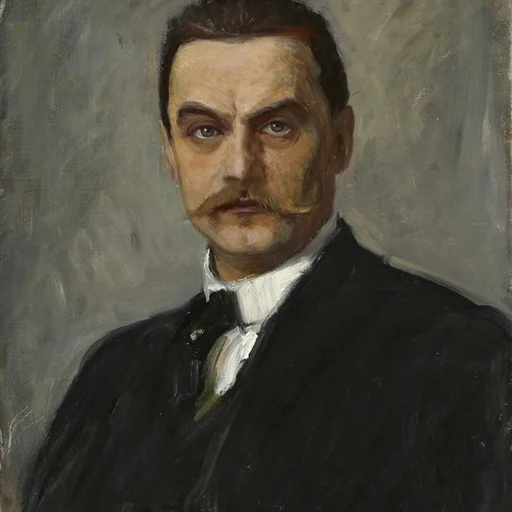
Albert Gustaf Aristides Edelfelt (21 July 1854 – 18 August 1905) was a Finnish painter noted for his naturalistic style and Realist approach to art.

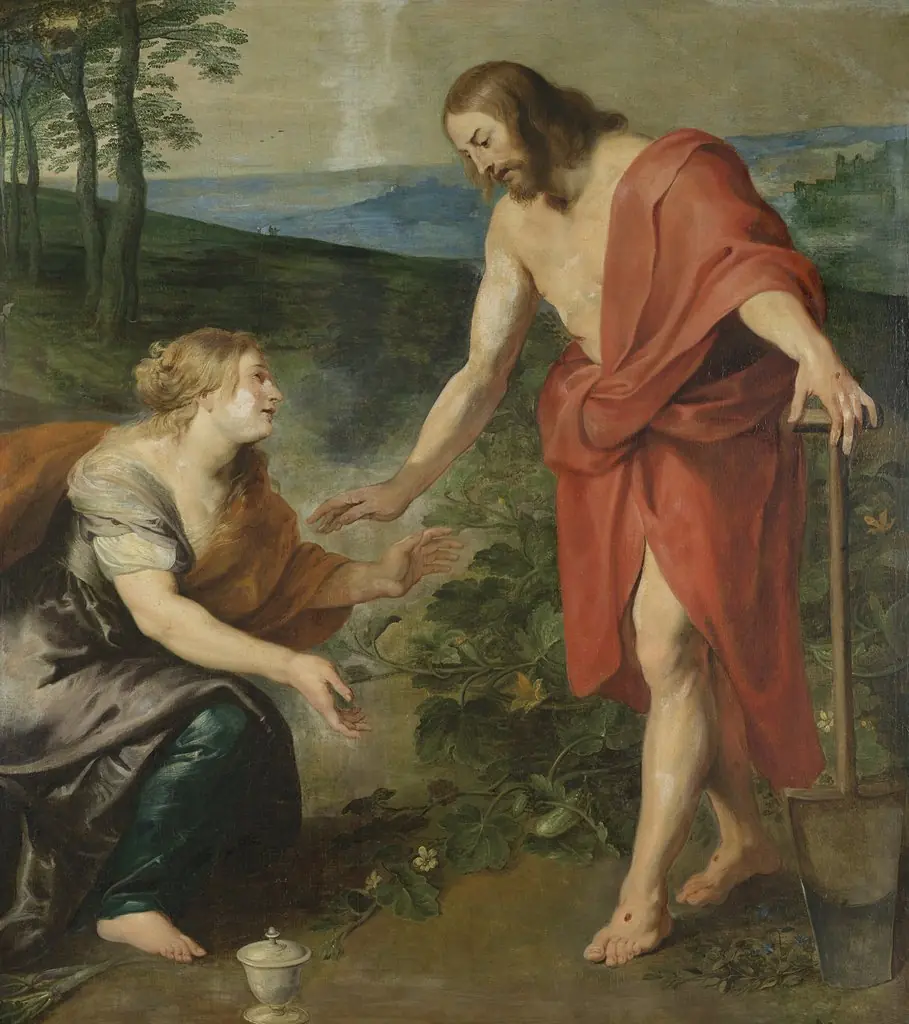 'Noli me tangere': the meeting of Christ and Mary Magdalene
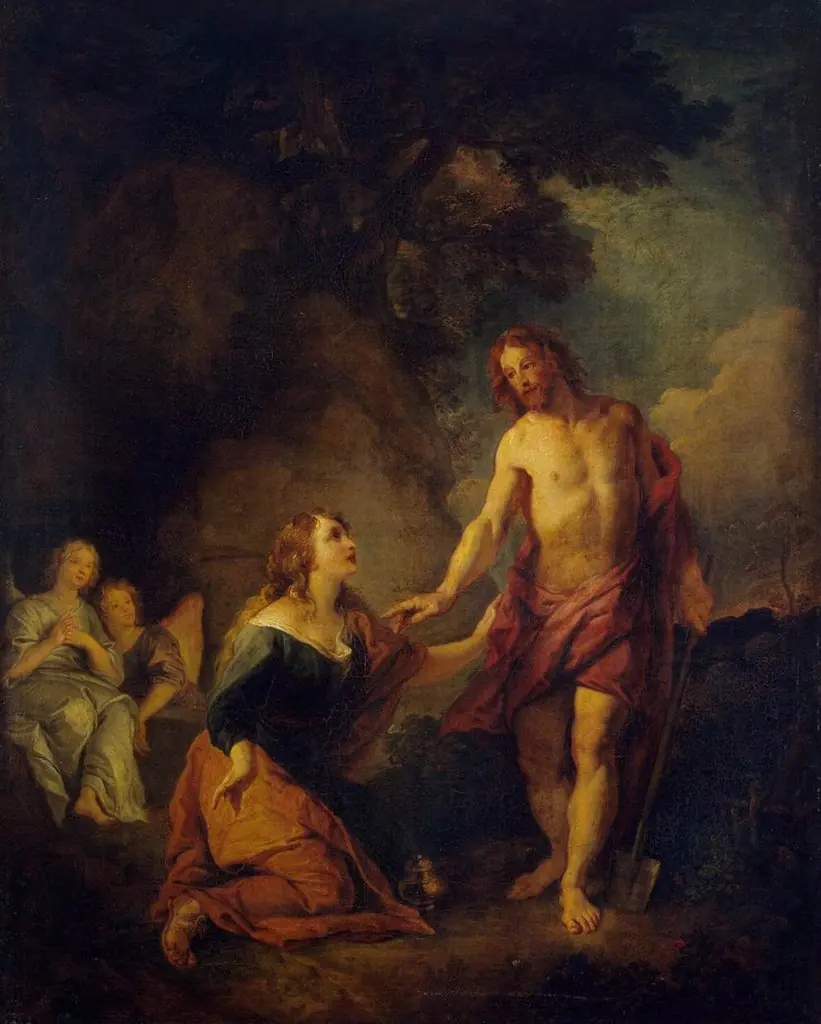 Christ Appearing to Mary Magdalene
 Kristus ja Mataleena
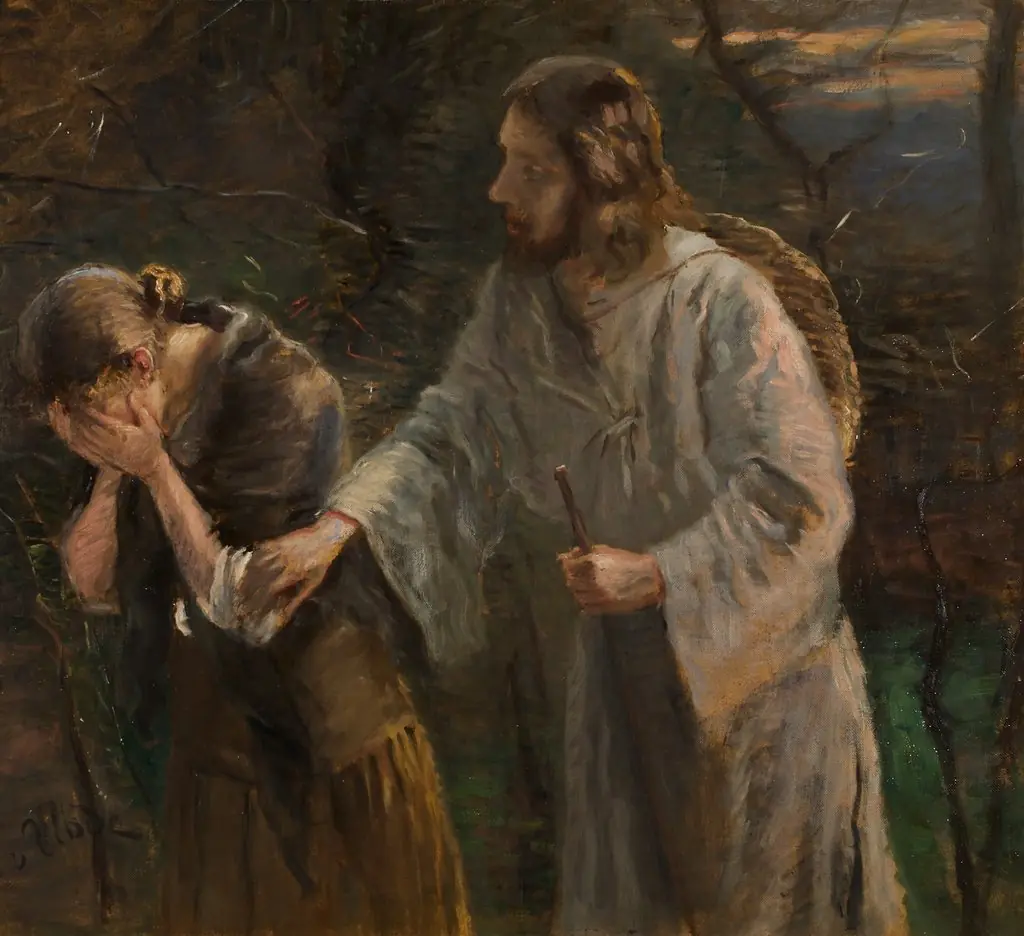 Woman, why are you weeping?
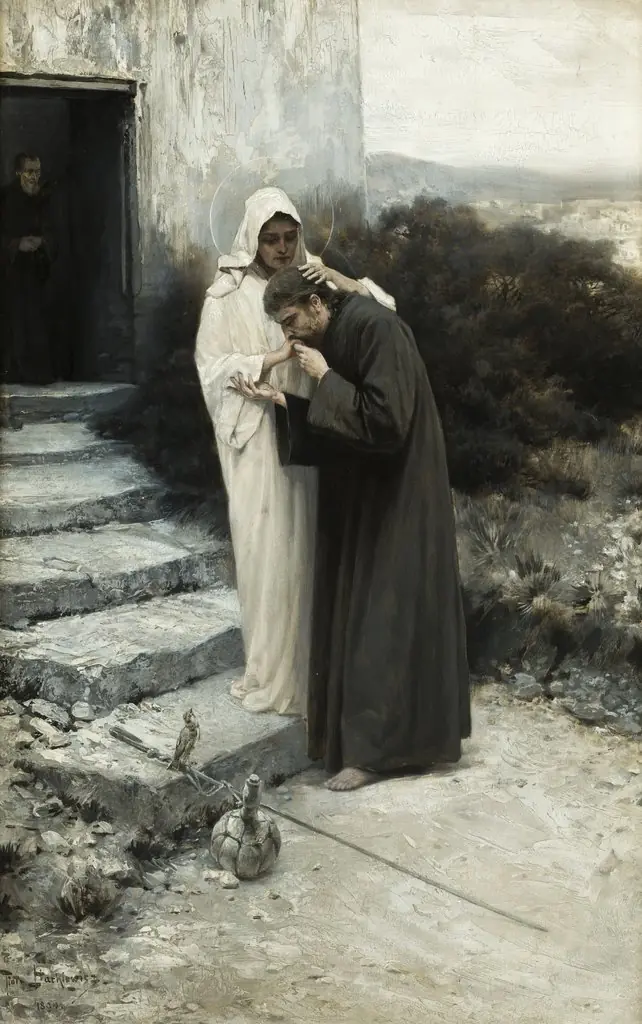 Our Lady Says Farewell to Christ. The Cycle "Legend of Our Lady"
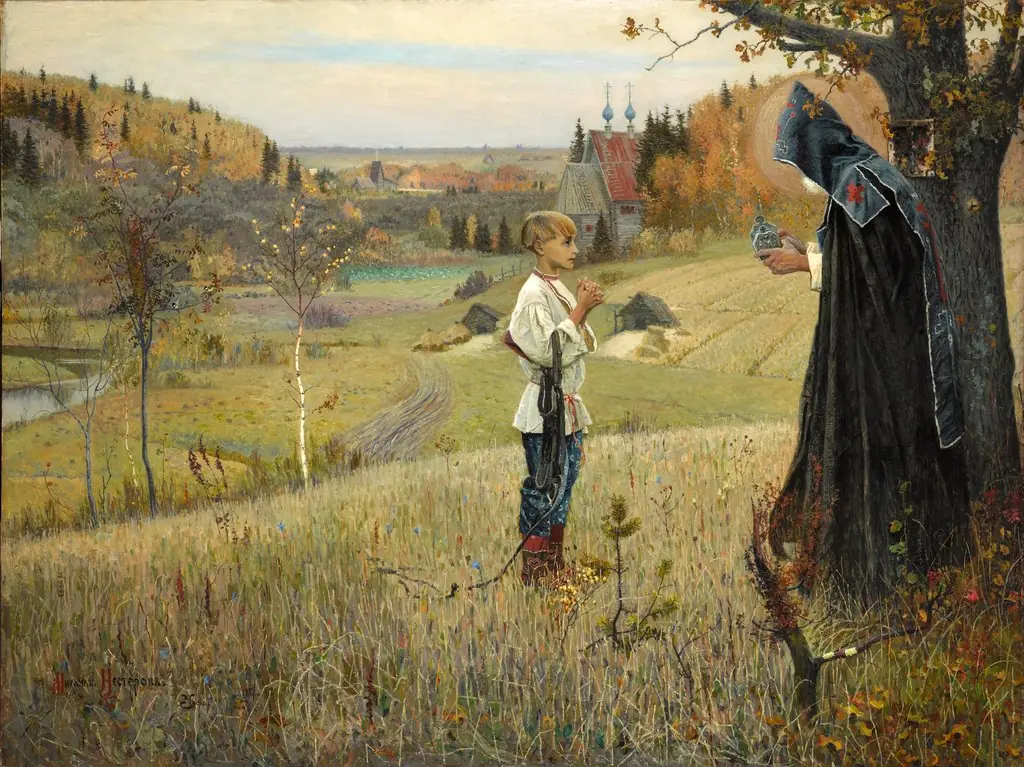 The Vision to the Youth Bartholomew
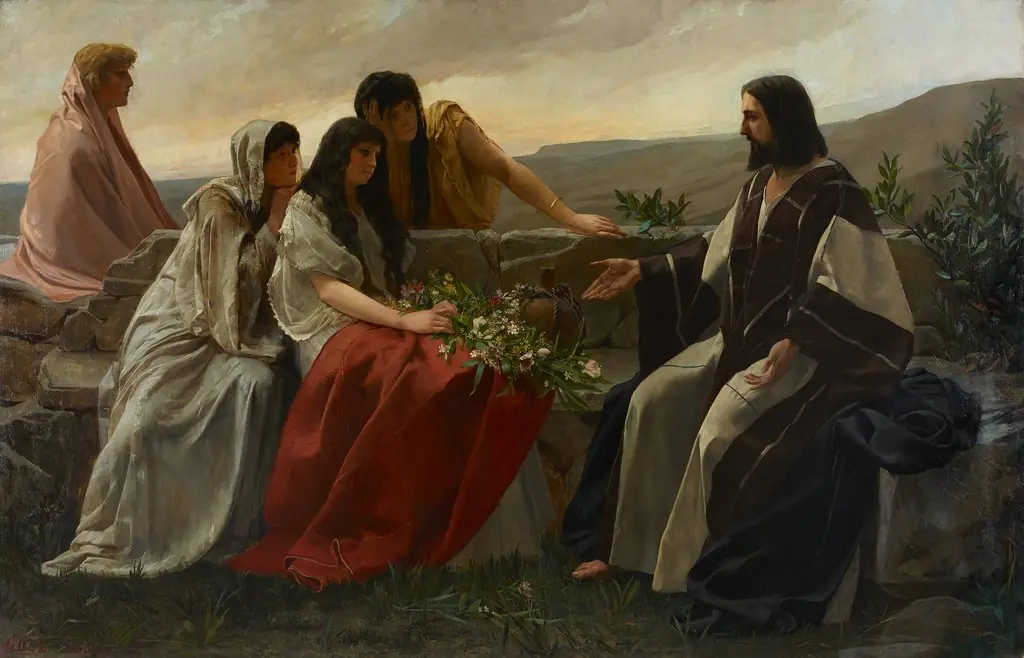 Christus und die Frauen
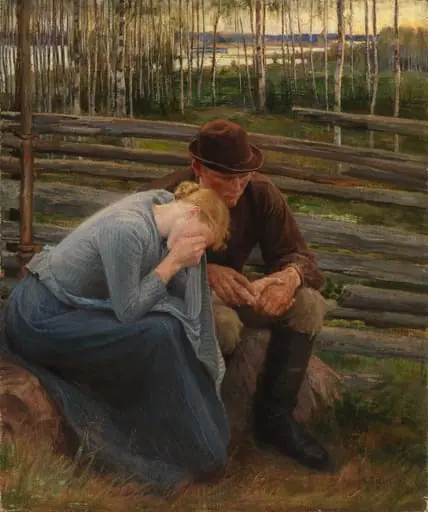 Suru
Suru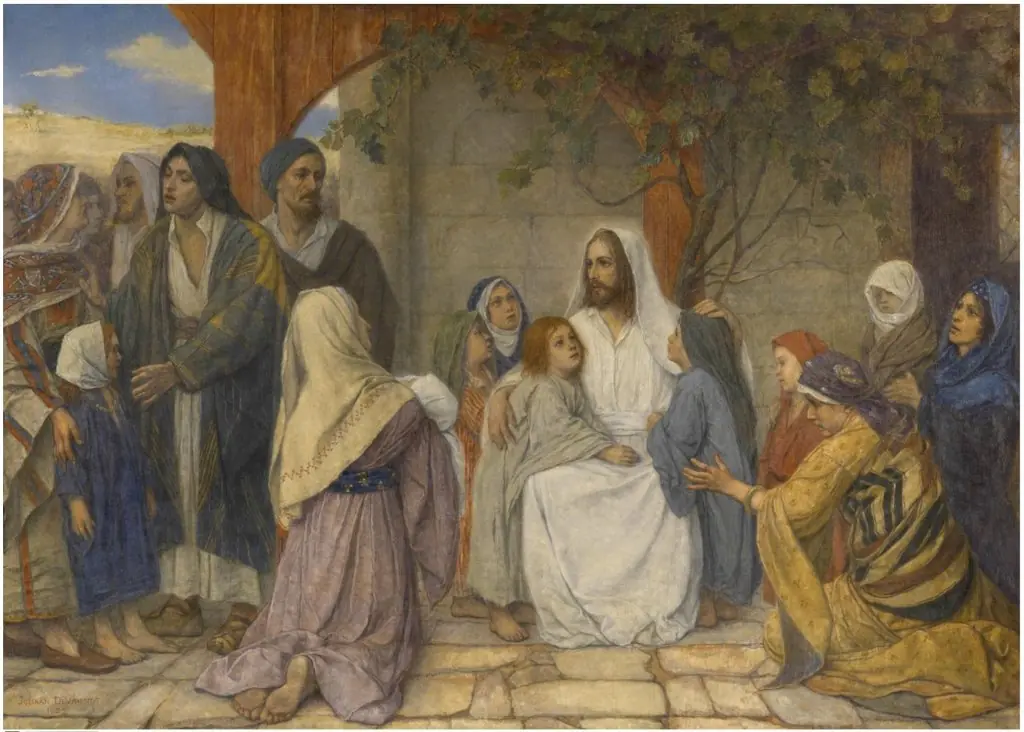 Suffer the Little Children come to Me
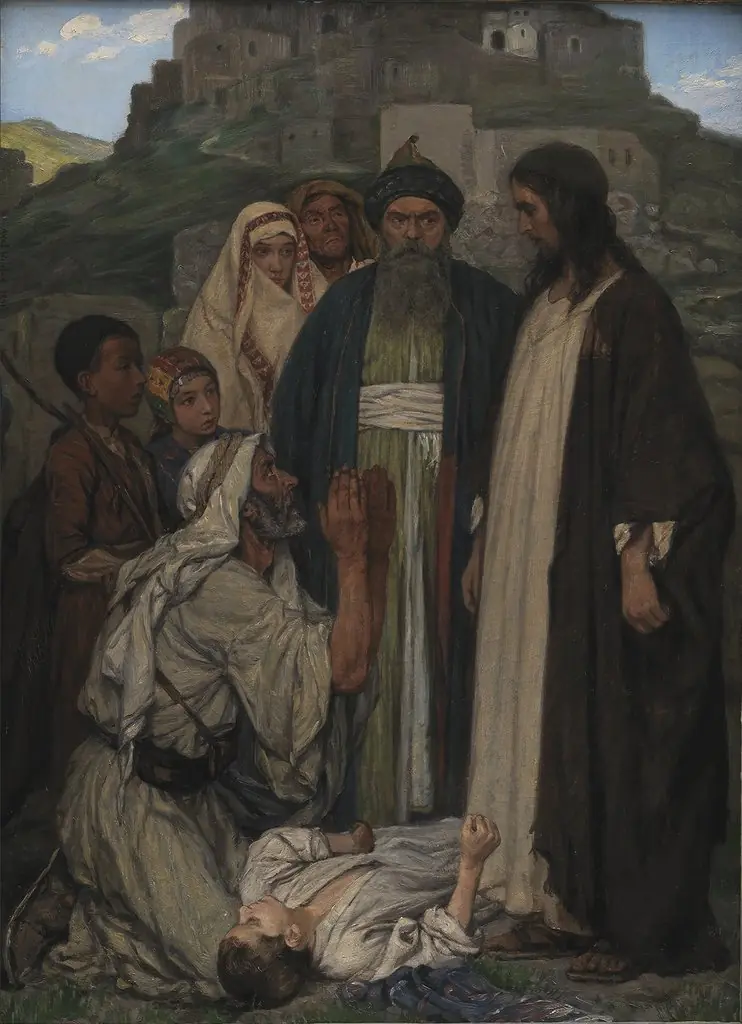 Christ Cures the Lunatic Child
 Christ in the Wilderness
 Christ Cures the Lunatic Child