Artwork
Woman, why are you weeping?
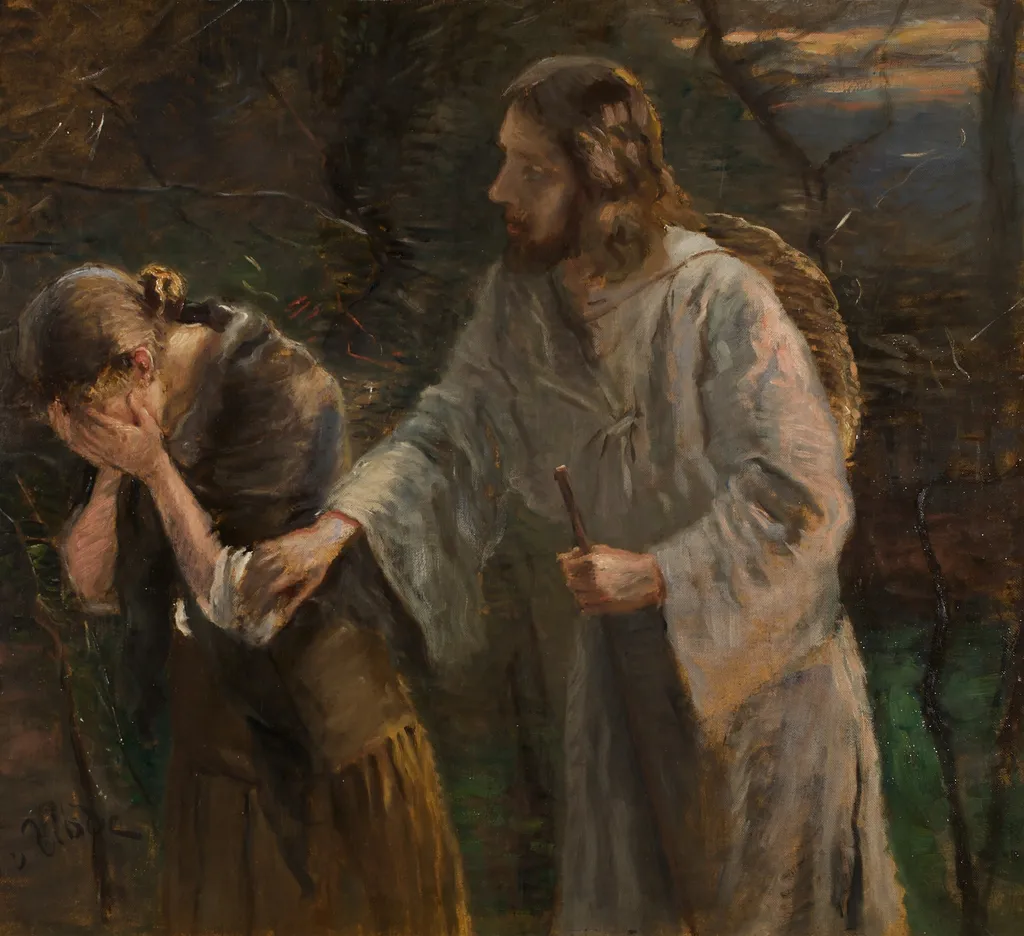
Woman, why are you weeping? is an unspecified painting by Fritz von Uhde. It dates from 1889 and is held in the collection of the Kunsthistorisches Museum.
About this work
Overview
A German artist known for pioneering plein-air methods in his homeland, Uhde turned increasingly to intimate religious narratives in his mature work.
Fritz von Uhde painted *Woman, why are you weeping?* around 1889, during a period when he was integrating Realist observation with Impressionist light effects. A German artist known for pioneering plein-air methods in his homeland, Uhde turned increasingly to intimate religious narratives in his mature work. This piece reflects his interest in grounding sacred stories in everyday emotional experience, using natural settings to deepen their resonance.
Subject & Meaning
The painting portrays a moment from the Gospel of John, where Mary Magdalene, grieving at Christ’s empty tomb, encounters the risen Jesus. Her bowed posture and concealed face convey profound sorrow, while the figure beside her—identified by his white robe as Christ—offers quiet reassurance. Uhde avoids overt symbolism, instead emphasizing human vulnerability and the subtlety of divine presence in a moment of personal loss.
Technique & Style
Uhde employed loose, visible brushwork to capture the dappled light filtering through trees, a hallmark of his Impressionist leanings. The palette is restrained—earthy tones and muted grays—enhancing the painting’s somber tone. Chiaroscuro is used sparingly but effectively: the figure in white emerges softly from shadow, drawing attention without theatricality. The composition remains grounded, avoiding dramatic gestures in favor of quiet psychological depth.
History & Provenance
Created during Uhde’s most productive phase, the painting was part of a series in which he reimagined biblical scenes within contemporary rural settings. It remained in private German collections until the early 20th century, later entering a public museum’s holdings. Its provenance reflects its reception as a serious, non-ideological work—valued for its emotional honesty rather than doctrinal messaging.
Context
In late 19th-century Germany, religious art was often tied to institutional orthodoxy or nationalist sentiment. Uhde stood apart by portraying sacred figures in ordinary dress and natural environments, aligning with liberal Protestant ideals that emphasized personal faith over ritual. His approach resonated with reform-minded audiences seeking spirituality rooted in lived experience rather than ecclesiastical authority.
Legacy
Uhde’s treatment of religious subjects influenced later German artists who sought to humanize biblical narratives. While not widely celebrated in mainstream art history, his work contributed to a quiet shift in how sacred themes were visualized—prioritizing empathy over spectacle. *Woman, why are you weeping?* remains a quiet testament to his commitment to emotional authenticity in art.
Own this work as a print
Artist & collection
Artist
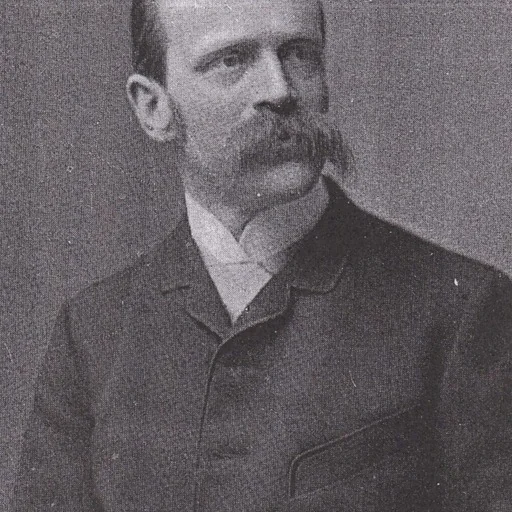
Fritz von Uhde (born Friedrich Hermann Carl Uhde; 22 May 1848 – 25 February 1911) was a German painter of genre and religious subjects.

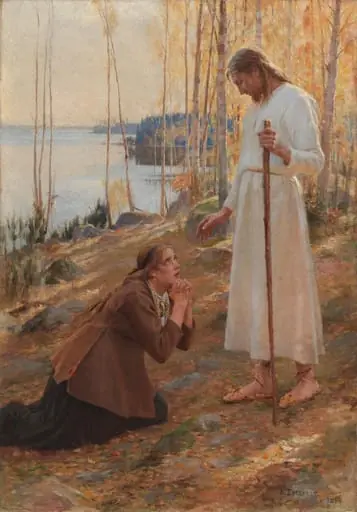 Kristus ja Mataleena
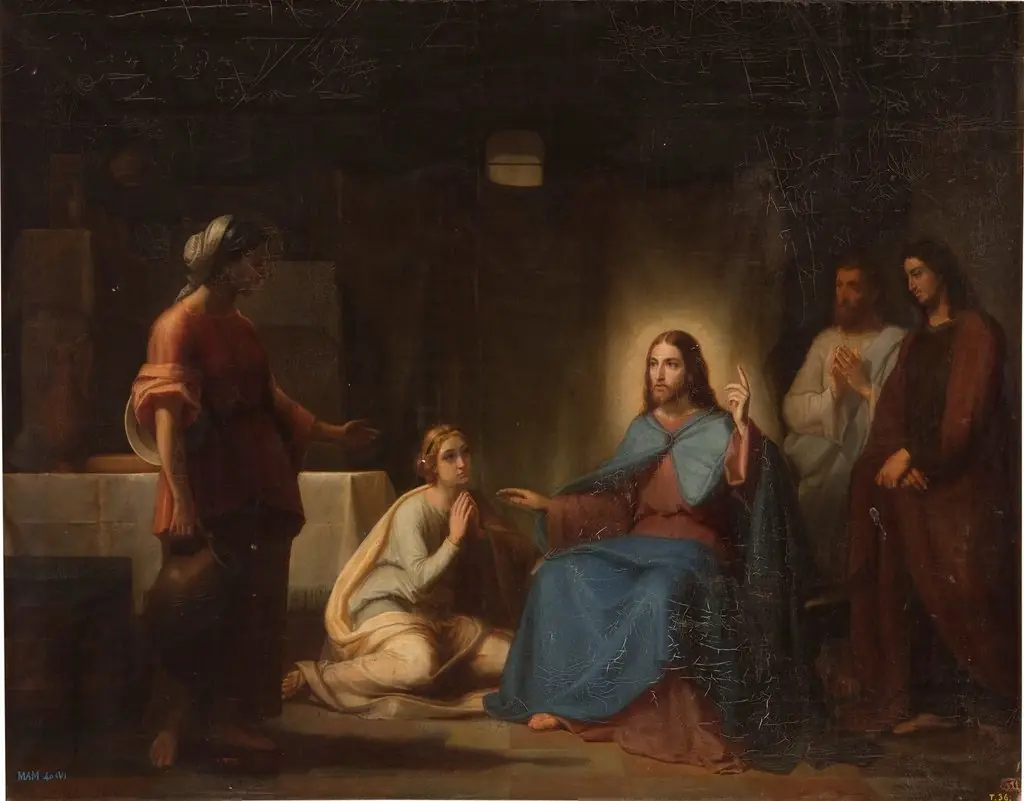 Jesús en casa de Marta y María
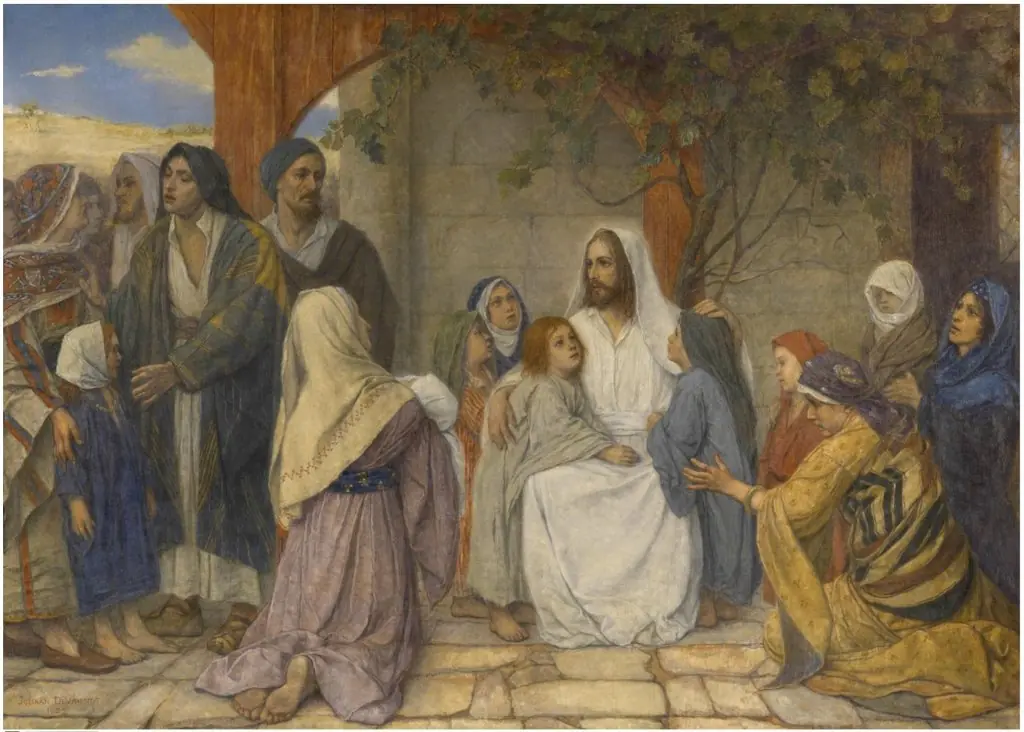 Suffer the Little Children come to Me
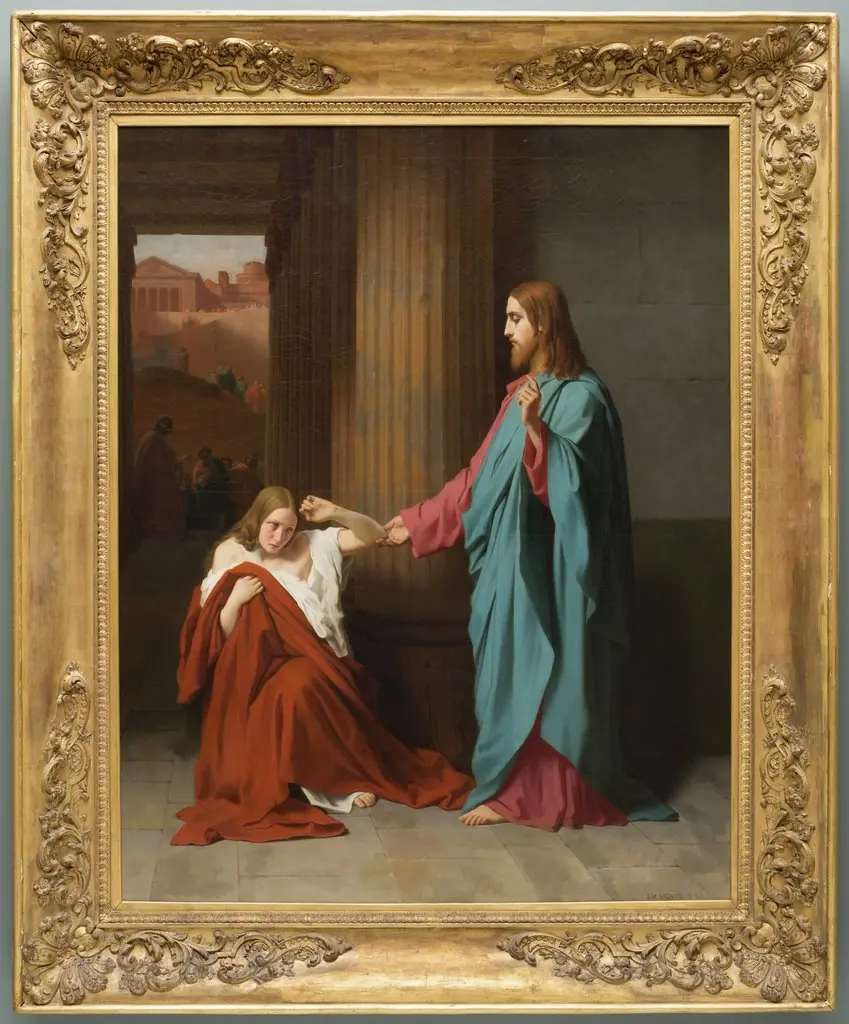 Christ and the Woman Taken in Adultery
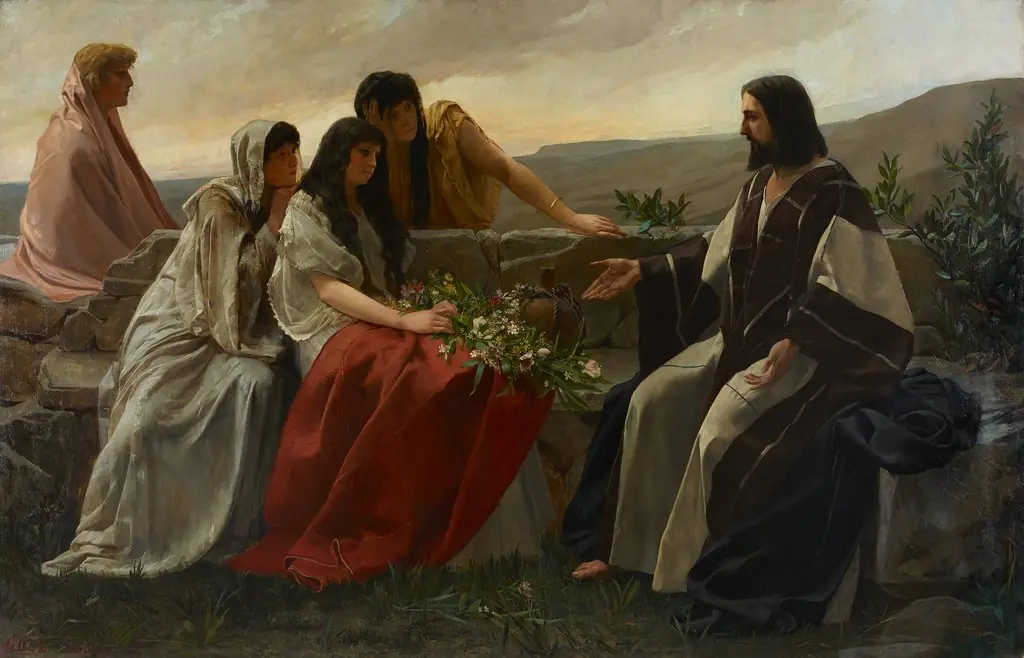 Christus und die Frauen
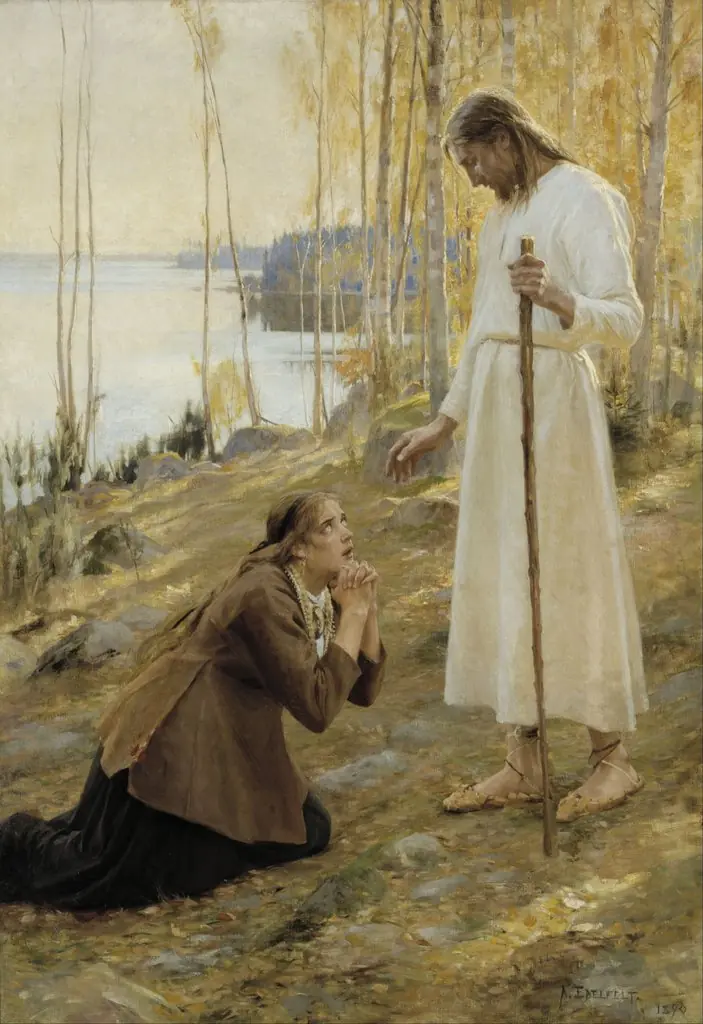 Christ and Mary Magdalene, a Finnish Legend
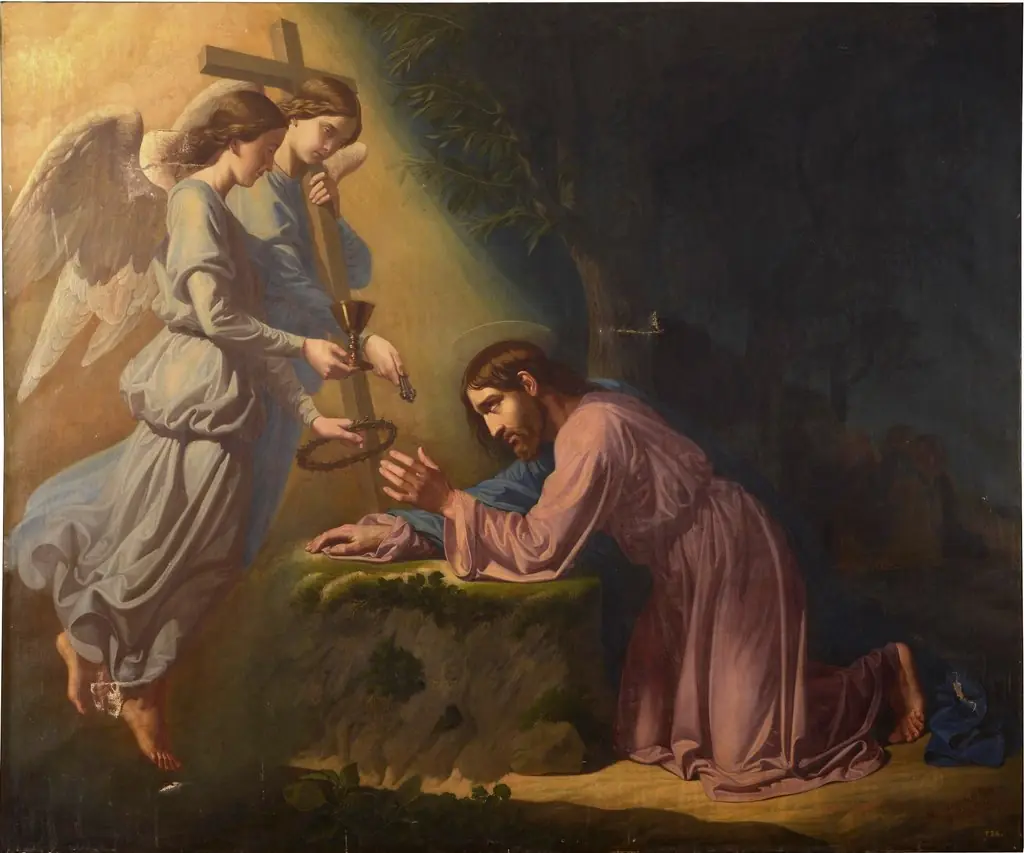 La Oración en el Huerto
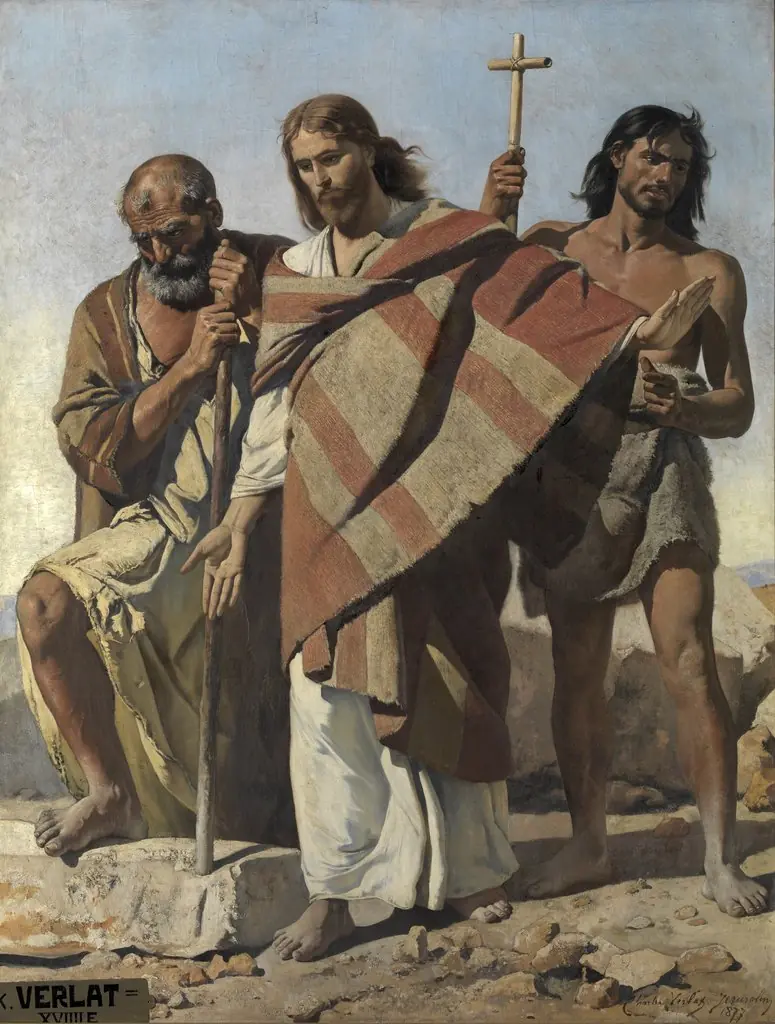 Jesus between Saint Peter and Saint John Baptist
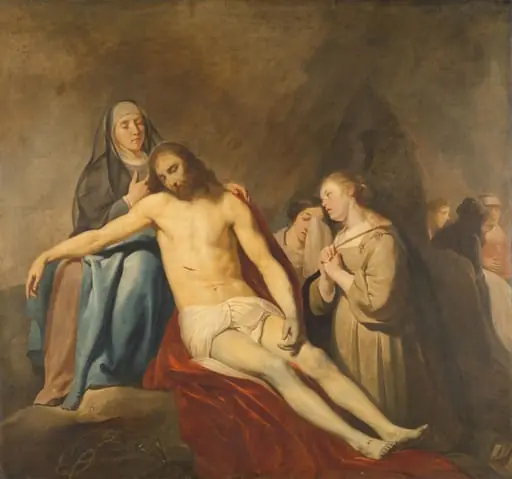 The Lamentation
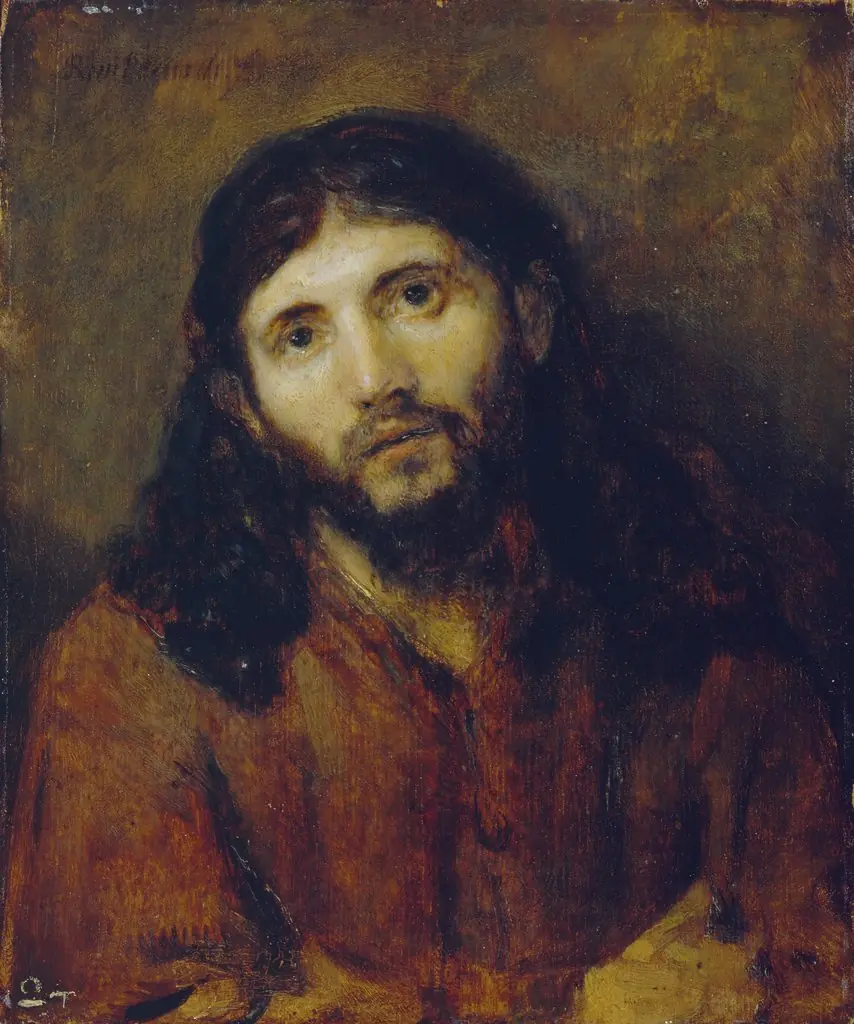 Head of Christ (after 'Dinner at Emmaus' in Louvre)
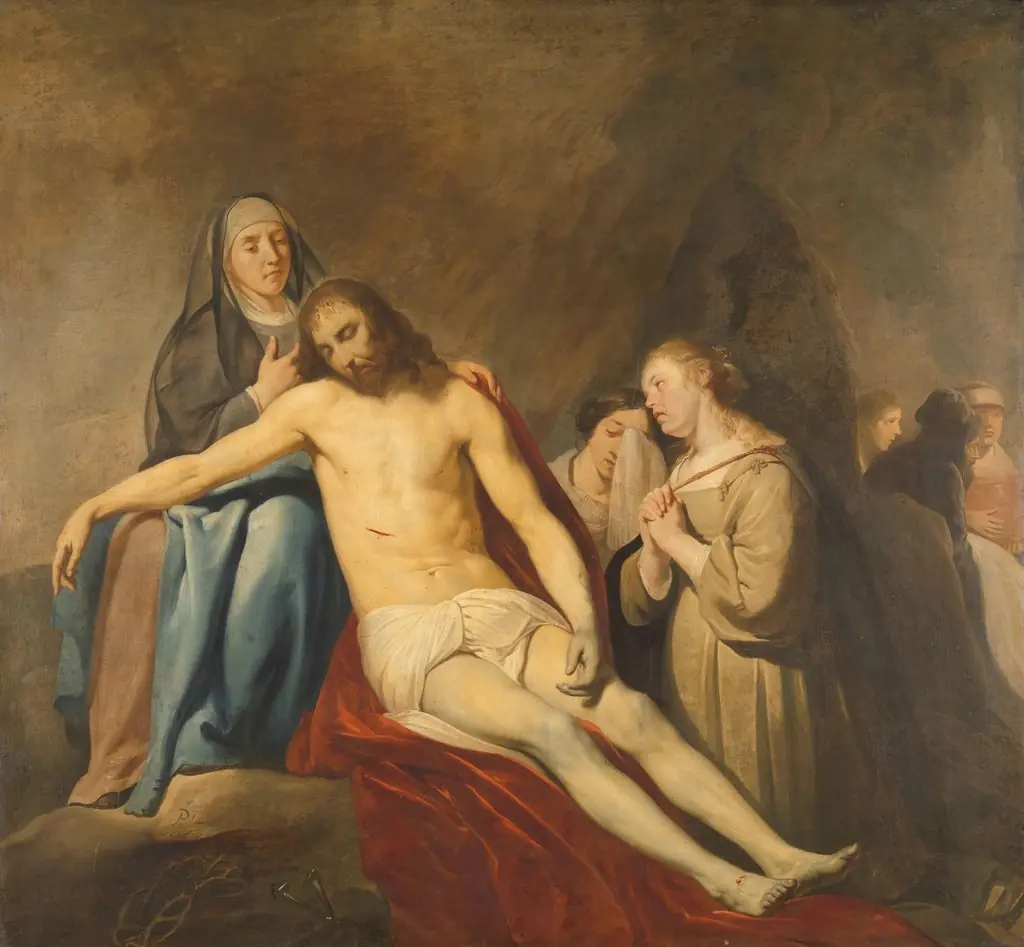 The Lamentation
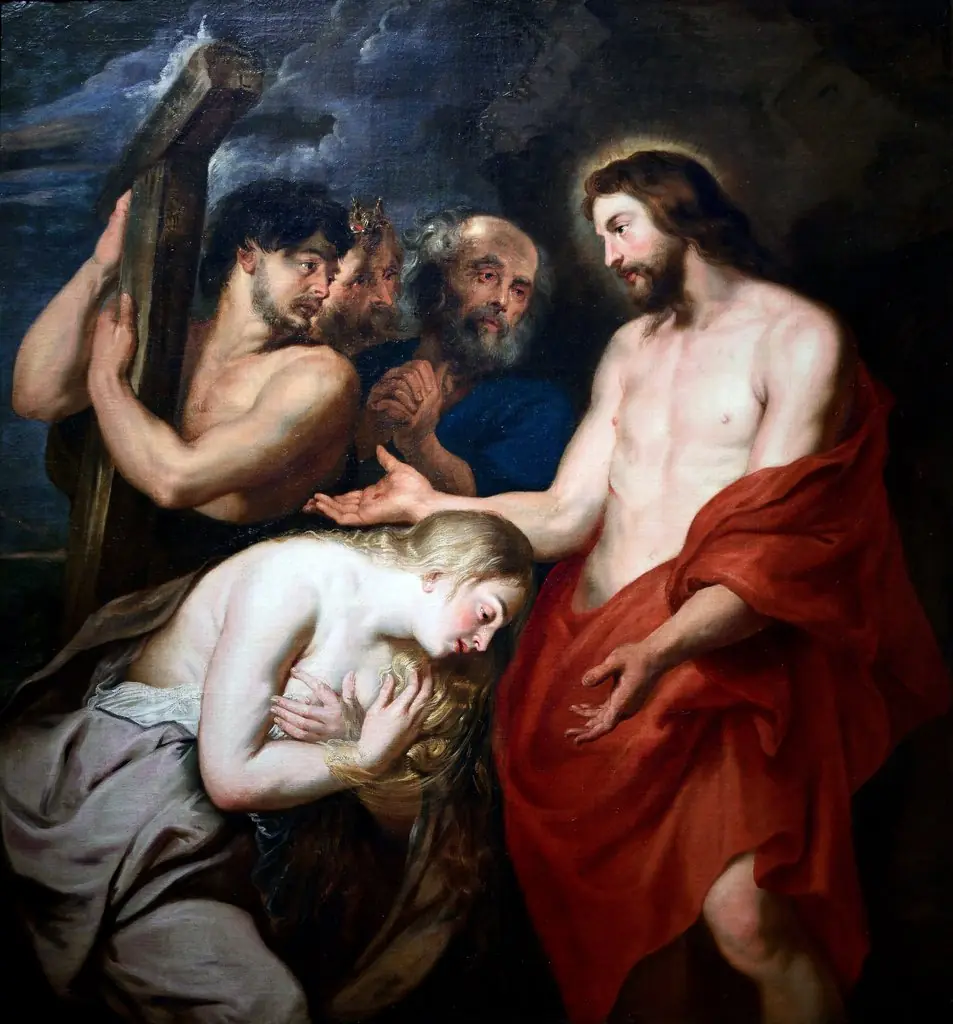 Christ and the Penitent Sinners