Artwork
Queen Blanche de Namur
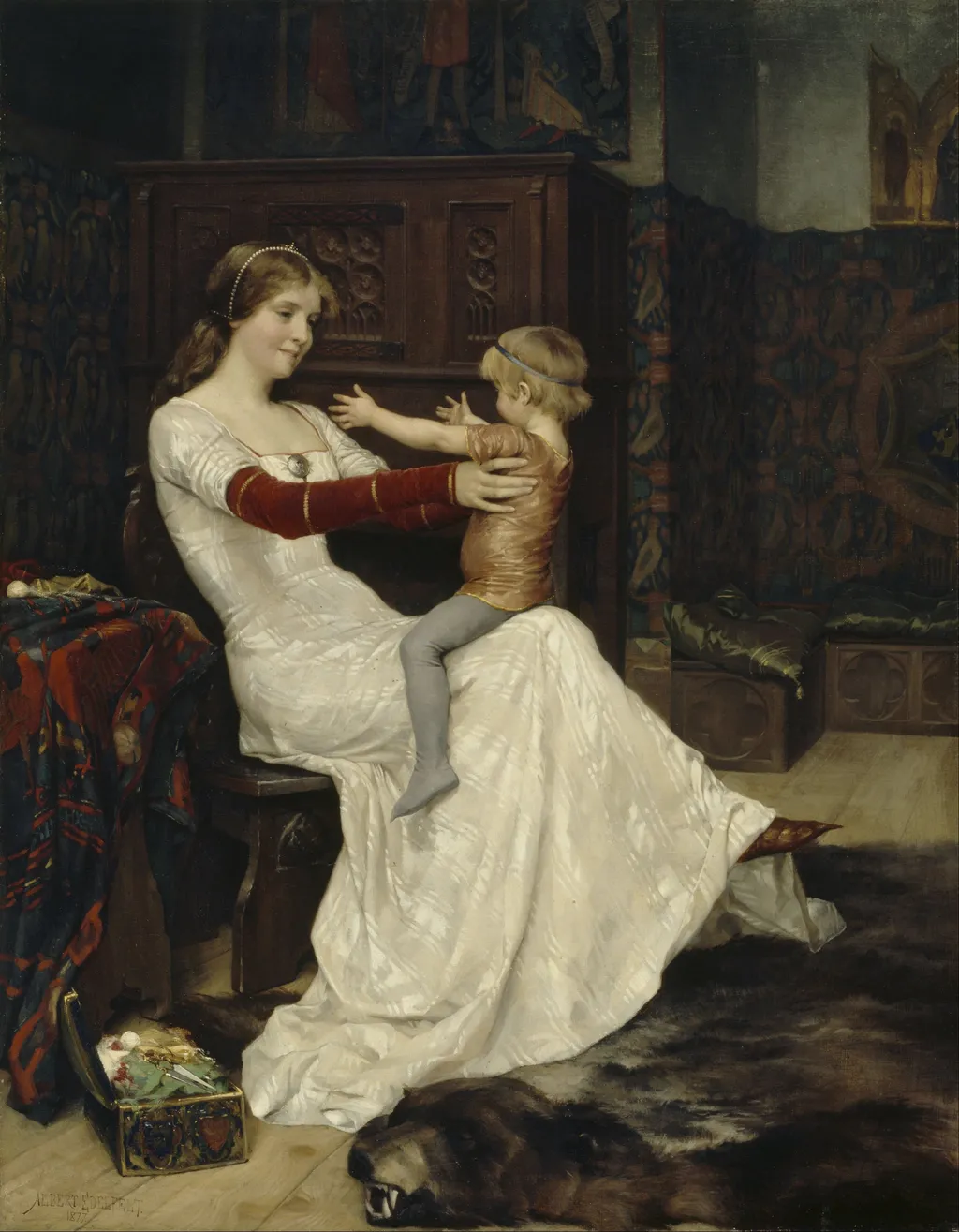
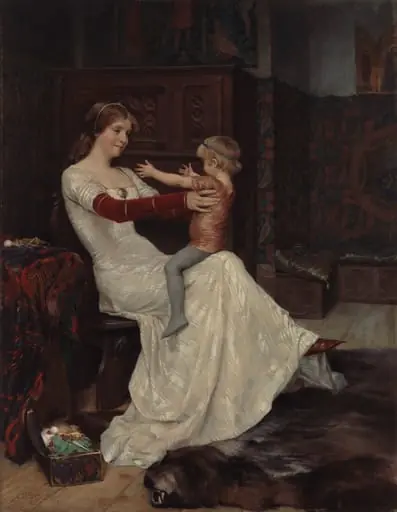
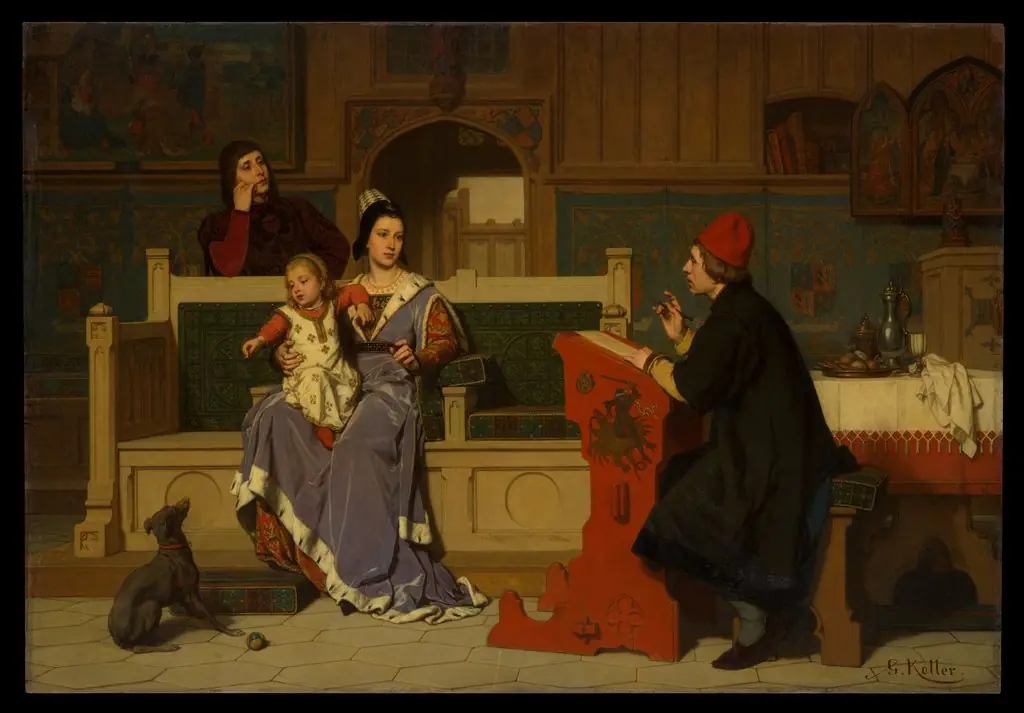
Queen Blanche de Namur is an oil painting by the Impressionist artist Albert Edelfelt. It dates from 1889 and is held in the collection of the Finnish National Gallery.
About this work
Overview
Painted in 1877 by Finnish artist Albert Edelfelt, this oil portrait portrays Queen Blanche de Namur, consort to King Magnus Eriksson of Sweden.
Painted in 1877 by Finnish artist Albert Edelfelt, this oil portrait portrays Queen Blanche de Namur, consort to King Magnus Eriksson of Sweden. Created during Edelfelt’s time in Paris, the work blends historical subject matter with intimate domestic realism. It is now held in the collection of Ateneum Art Museum in Helsinki, where it remains one of the few Finnish paintings to engage with medieval European royalty in a naturalistic style.
Subject & Meaning
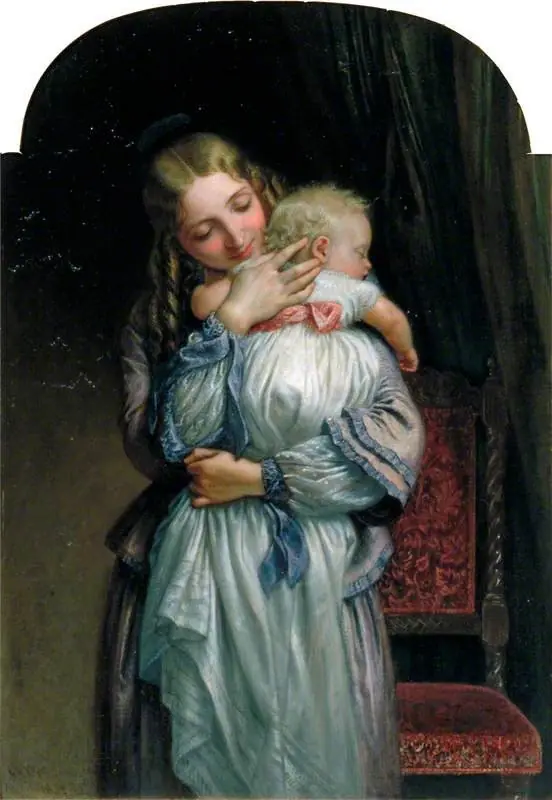
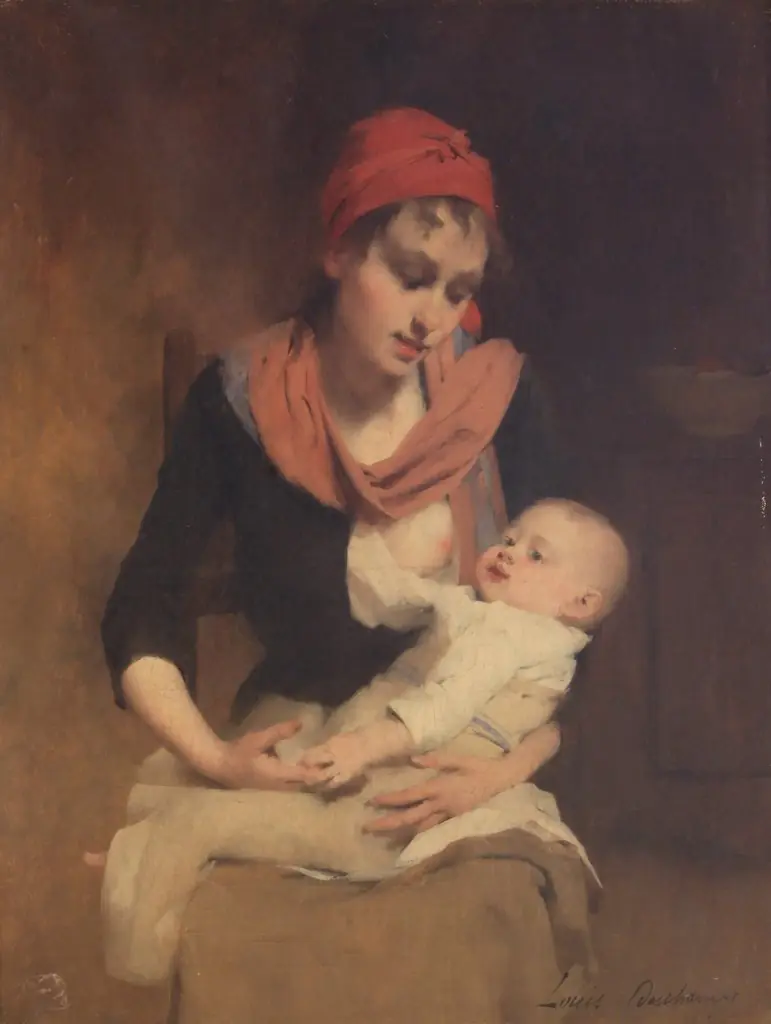
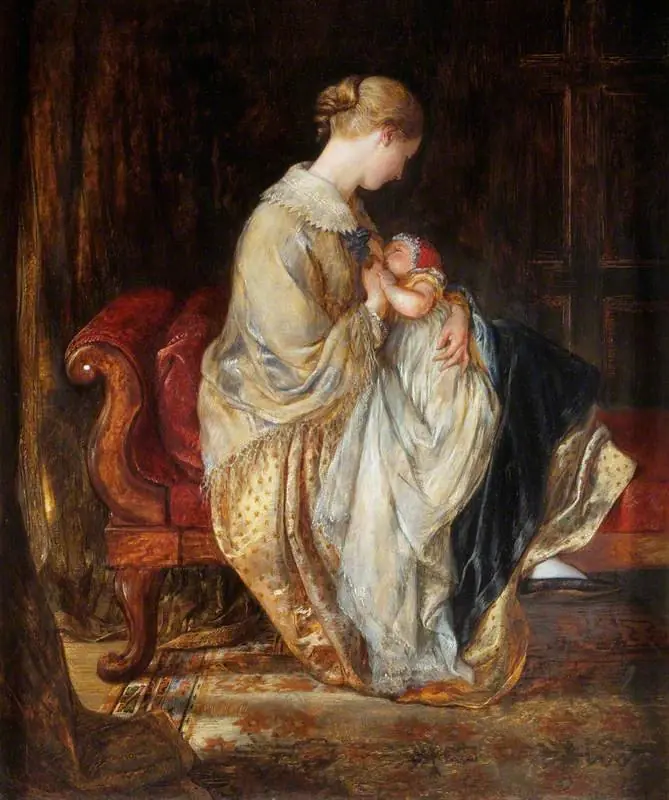
The painting captures Queen Blanche seated with a young boy on her lap, likely her son, Prince Erik. Their interaction—her gaze fixed on him, his hand reaching toward her—suggests tenderness rather than ceremonial formality. The choice to depict a 14th-century queen in a private moment reflects a 19th-century interest in humanizing historical figures, moving beyond idealized monarchy toward emotional authenticity.
Technique & Style
Edelfelt employed soft, nuanced brushwork to render textures: the sheen of silk, the fur of the bear pelt, the matte finish of the wooden box. The dark background isolates the figures, drawing attention to their gestures and expressions. Light falls gently across the woman’s white dress and the child’s golden tunic, enhancing the warmth of the scene while maintaining a restrained, almost photographic realism characteristic of his Parisian training.
History & Provenance
Commissioned and completed in Paris in 1877, the painting entered the Finnish national collection shortly after its creation. It was acquired by the Finnish Art Society and later transferred to Ateneum, where it has remained on public view. Its preservation in Finland underscores the nation’s cultural investment in artists who engaged with European traditions while asserting a distinct national identity.
Context
In the late 19th century, Finnish artists increasingly turned to historical and literary themes as part of a broader national awakening. Edelfelt, trained in Paris, brought academic techniques to Finnish subjects. This portrait of a medieval queen, though not a Finnish figure, aligned with a growing fascination with Nordic heritage and the emotional depth of historical narratives beyond political grandeur.
Legacy
The painting stands as an early example of Finnish realism applied to European royalty, influencing later artists to explore historical subjects with psychological nuance. While not widely reproduced, it is recognized in Finland as a significant work that bridges Nordic identity with international artistic trends of the time, reflecting Edelfelt’s role in shaping modern Finnish painting.
Own this work as a print
Artist & collection
Artist
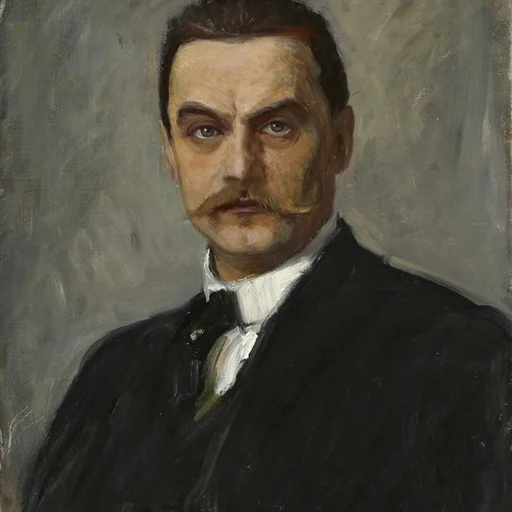
Albert Gustaf Aristides Edelfelt (21 July 1854 – 18 August 1905) was a Finnish painter noted for his naturalistic style and Realist approach to art.