Artwork
Abraham's Sacrifice
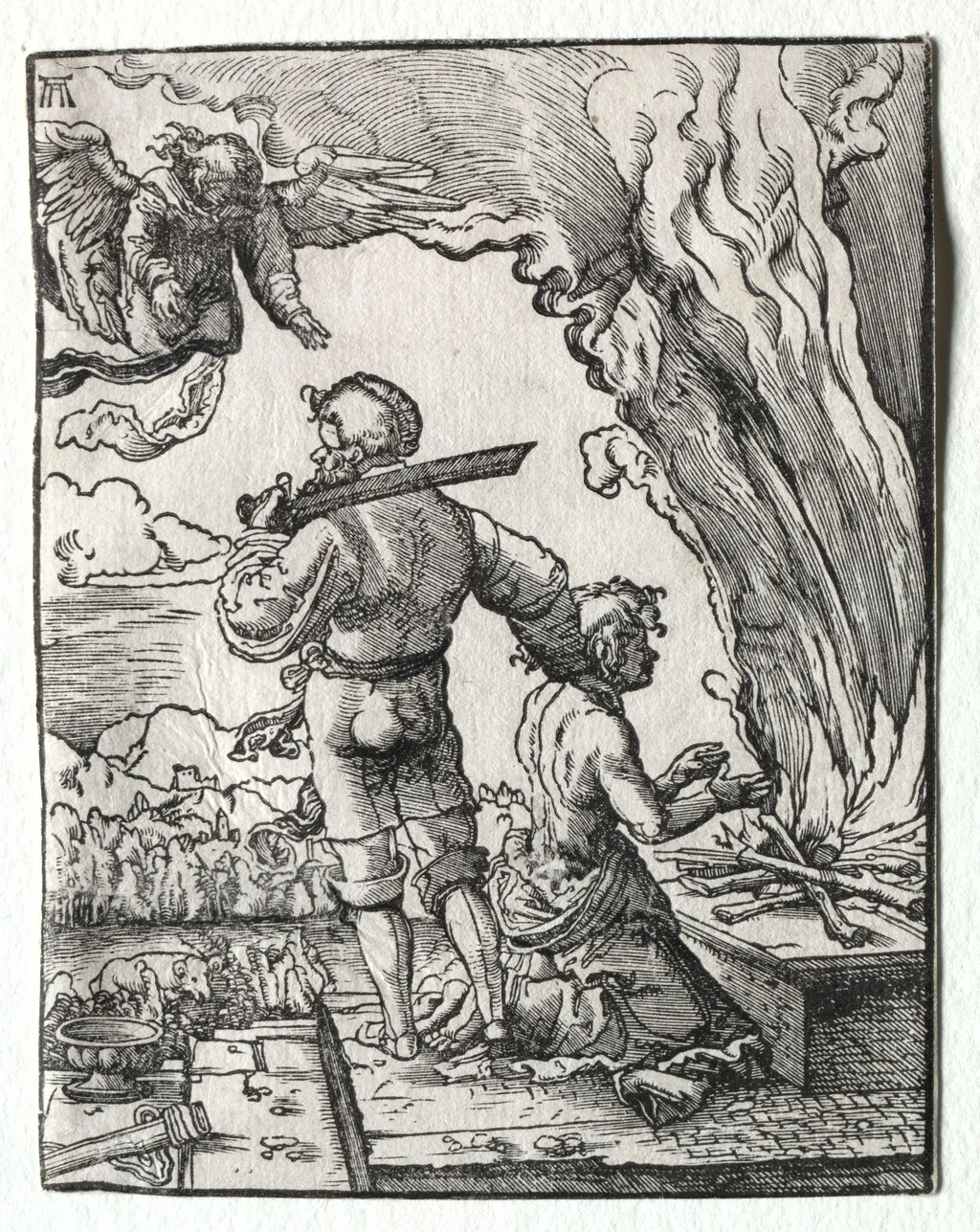
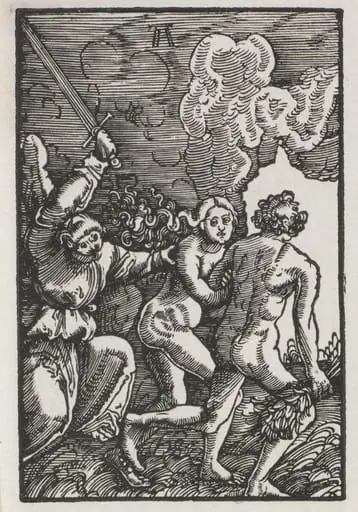
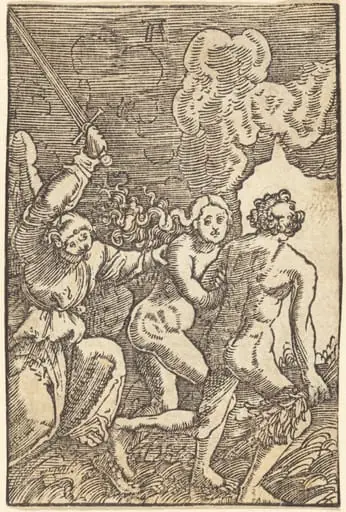
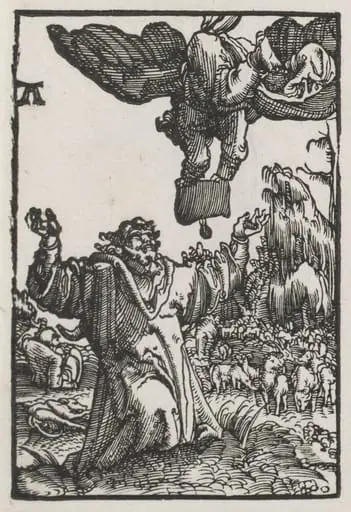
Abraham's Sacrifice is a print by the Renaissance artist Albrecht Altdorfer. It dates from 1520 and is held in the collection of the Cleveland Museum of Art.
About this work
Overview
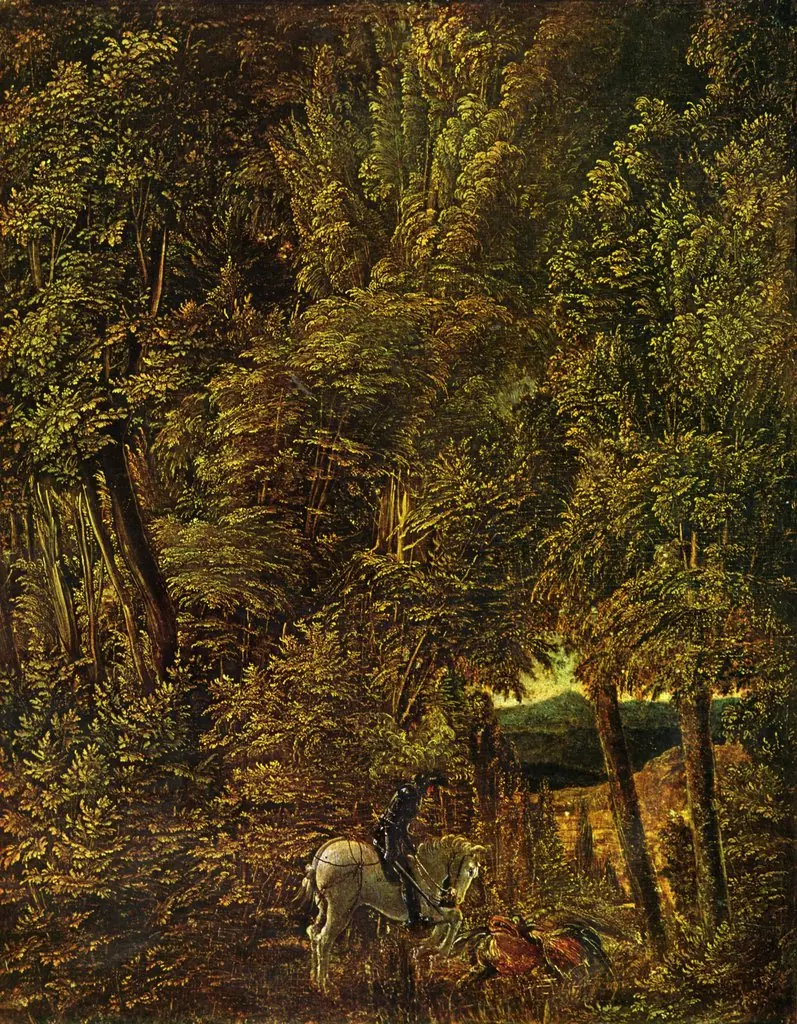
Created circa 1520 by Albrecht Altdorfer, a German painter and architect linked to the Danube School, this print depicts the biblical episode of Abraham’s intended sacrifice. The composition places the dramatic moment within a dense, shadowy forest, emphasizing the tension between human action and the surrounding natural world.
Subject & Meaning
The image captures the moment Abraham raises a knife over his son Isaac, whose small, curled figure contrasts with the old man’s closed eyes and resolute posture. A ram caught in thorny brush nearby hints at the eventual divine substitution, while the calm expression on Isaac’s face adds a layer of quiet acceptance.
Technique & Style
Altdorfer employs a stark chiaroscuro, allowing the knife’s blade to catch a bright glint against the enveloping darkness. The forest is rendered with thick, vertical strokes that give the trees a looming, almost sculptural presence, reflecting the artist’s habit of treating landscape as an autonomous subject rather than mere backdrop.
History & Provenance
The work belongs to Altdorfer’s early print output, a period when he also produced detailed engravings that earned him a place among the Nuremberg Little Masters. It is now part of the collection of the Cleveland Museum of Art, where it remains on view as an example of his innovative approach to narrative printmaking.
Artist & collection
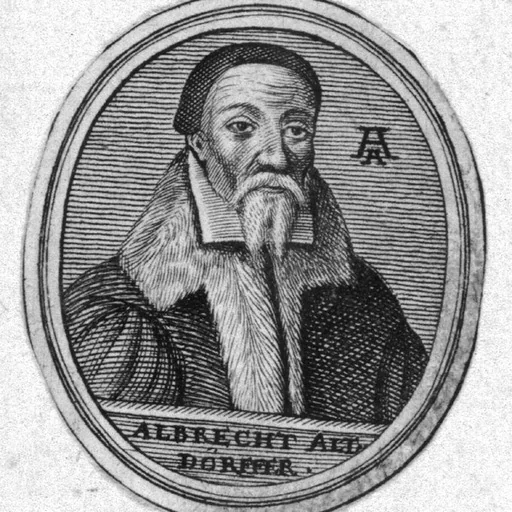
Artist
Albrecht Altdorfer (c. 1480 – 12 February 1538) was a German painter, engraver and architect of the Renaissance working in Regensburg. Along with Lucas Cranach the Elder and Wolf Huber he is regarded to be the main…