Artwork
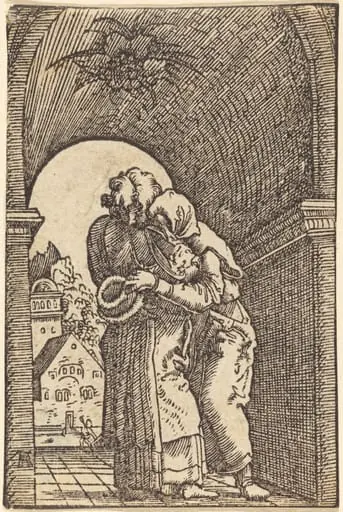
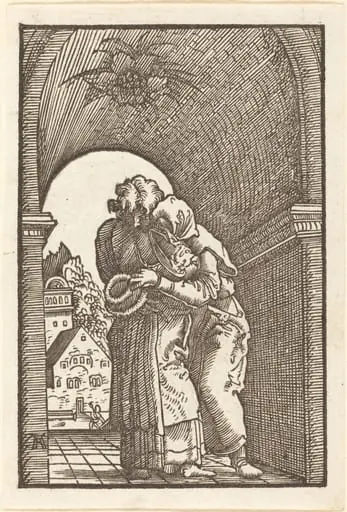
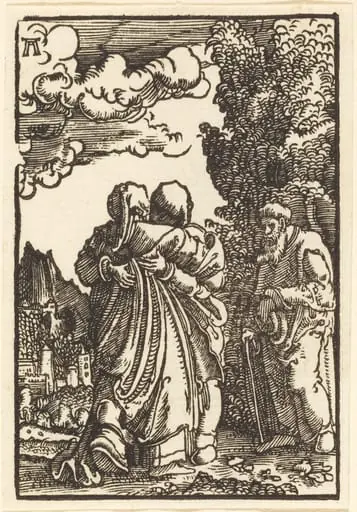
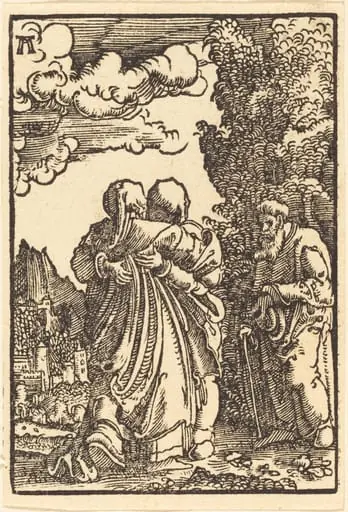
The Fall and Redemption of Man: The Embrace of Joachim and Anne at the Golden Gate
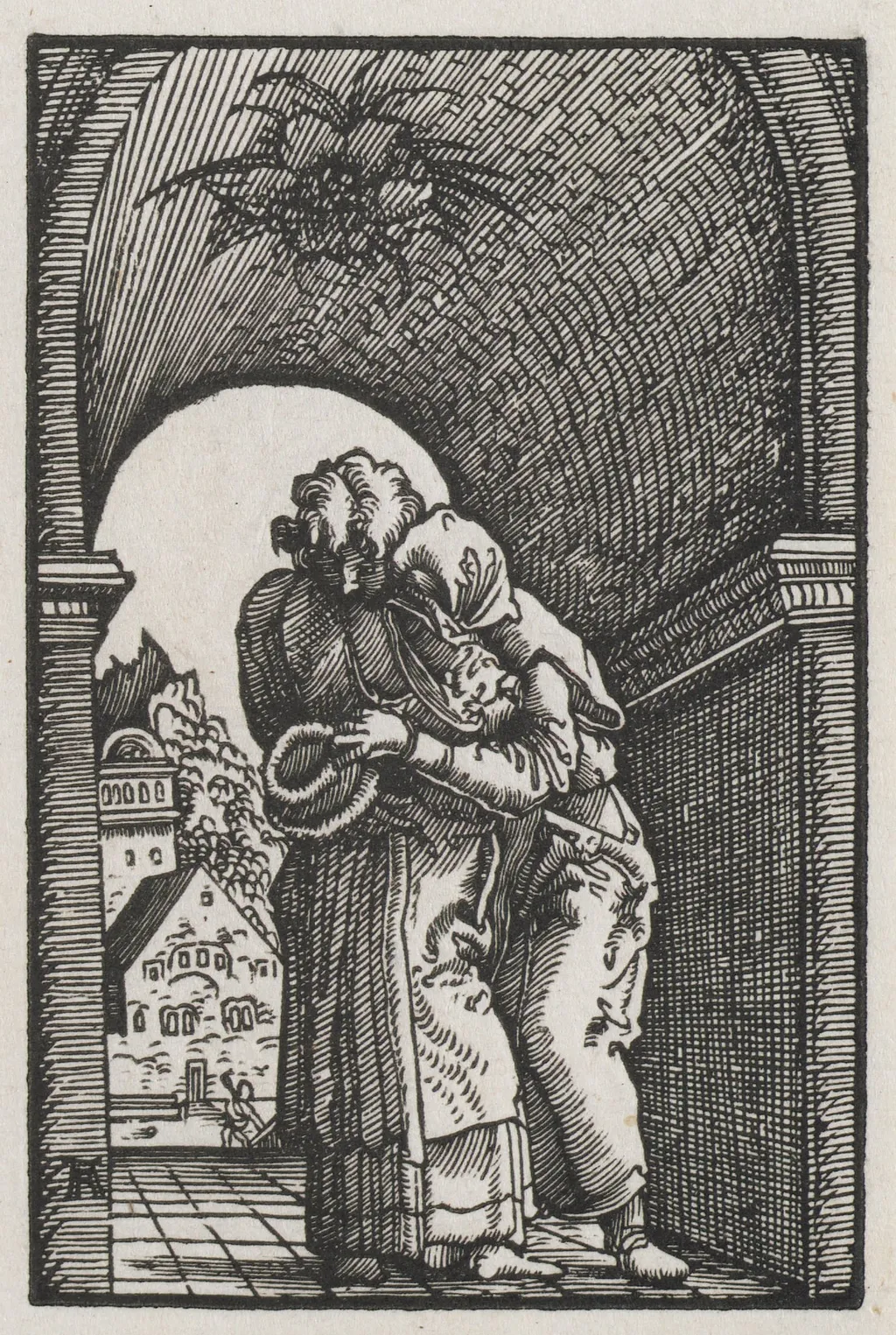
The Fall and Redemption of Man: The Embrace of Joachim and Anne at the Golden Gate is a print by the Renaissance artist Albrecht Altdorfer. It dates from 1513 and is held in the collection of the Cleveland Museum of Art.
About this work
Overview
It forms part of a larger series of forty prints that narrate the Christian story from the fall of humanity to the Last Judgment.
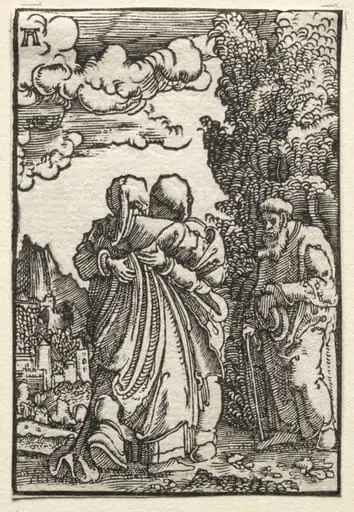
The work is a woodcut print titled The Fall and Redemption of Man: The Embrace of Joachim and Anne at the Golden Gate. It forms part of a larger series of forty prints that narrate the Christian story from the fall of humanity to the Last Judgment. The Cleveland Museum of Art holds one of the original impressions, which retains four images on a single sheet rather than the eight that were originally printed before the sheets were cut.
Subject & Meaning
The image depicts Joachim and Anne, the parents of the Virgin Mary, sharing an intimate kiss before a golden gate, a scene drawn from medieval hagiography that links the couple’s union to the redemption of humanity. The background shows a cityscape with towers, situating the embrace within a sacred, hopeful setting that anticipates the birth of Christ.
Technique & Style
Executed in woodcut, the print demonstrates an unusually high level of detail for the medium, with the figures’ robes rendered in a sculptural manner. Albrecht Altdorfer, already known for precise engravings by 1513, applied his skill to woodcut, achieving a precision that rivals contemporary miniature woodcuts such as Albrecht Dürer’s Small Passion (1511). The work’s size is nearly double that of Dürer’s set, underscoring its technical ambition.
History & Provenance
The series was printed in batches, with eight woodblocks applied to each of five sheets to streamline production. Although the original sequence of the prints was not chronological, the titles include numbers indicating their intended narrative order. Before sale, the sheets were cut into individual prints; the museum’s example was only halved, preserving two original sheets with four impressions each.
Context
The series belongs to a tradition of early 16th‑century devotional prints that combined didactic storytelling with fine craftsmanship. Its scale and detail place it alongside other notable miniature woodcut projects, such as Hans Holbein’s Dance of Death (c. 1526), reflecting a period of experimentation with the limits of woodcut as a medium for complex religious narratives.
Artist & collection
Artist
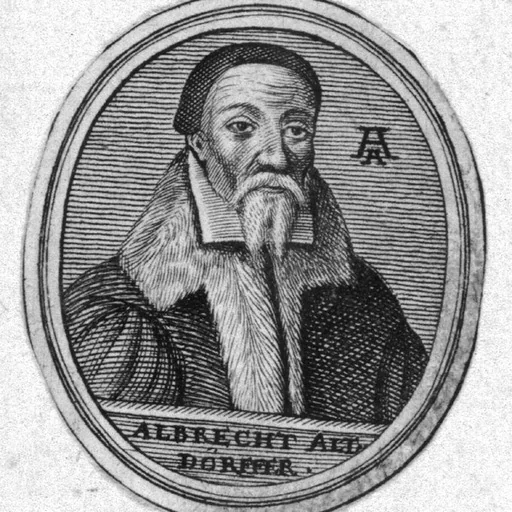
Albrecht Altdorfer (c. 1480 – 12 February 1538) was a German painter, engraver and architect of the Renaissance working in Regensburg. Along with Lucas Cranach the Elder and Wolf Huber he is regarded to be the main…