Artwork
Christ Shown to the People
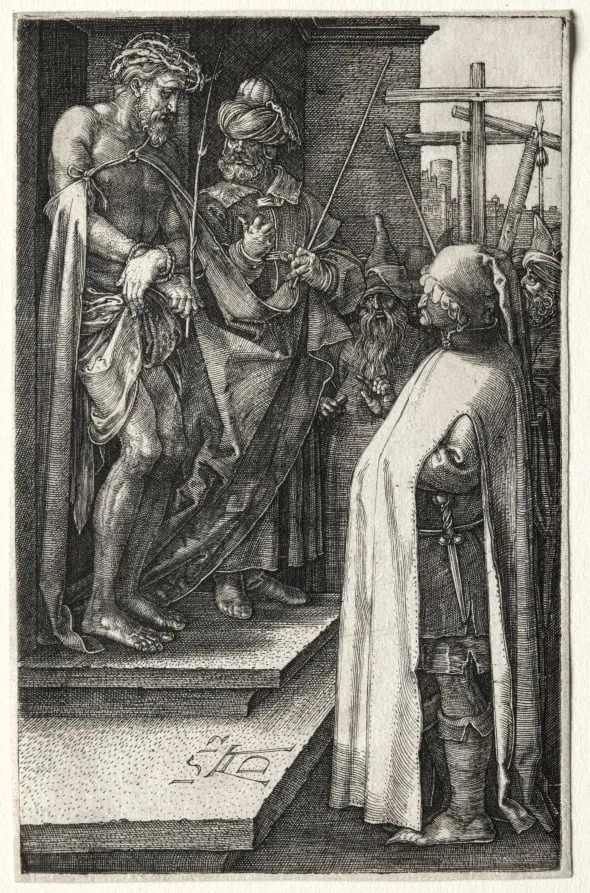
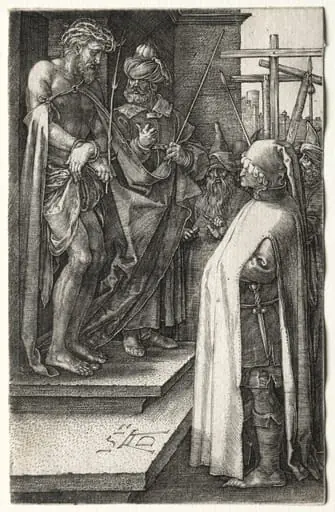
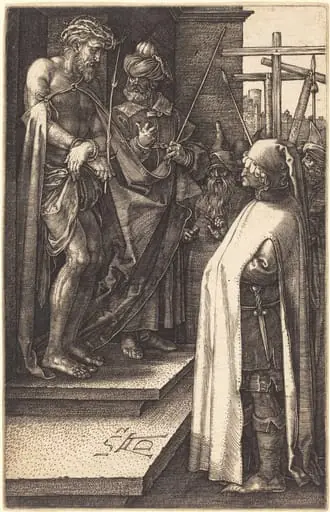
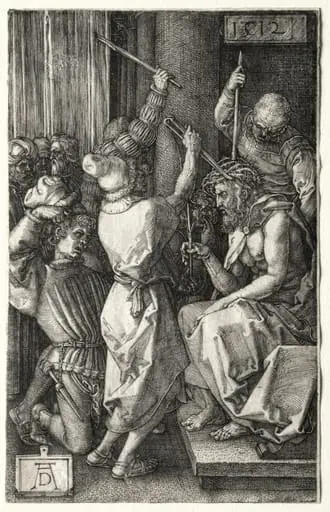
Christ Shown to the People is a print by the Renaissance artist Albrecht Dürer. It dates from 1512 and is held in the collection of the Cleveland Museum of Art.
About this work
Overview
Unlike his more famous woodcuts, this work is an intaglio print, distinguished by fine, incised lines and a stark contrast of light and shadow.
Created in 1512, this black-and-white engraving by Albrecht Dürer portrays a moment from the Passion of Christ, specifically the presentation of Jesus before the people. Unlike his more famous woodcuts, this work is an intaglio print, distinguished by fine, incised lines and a stark contrast of light and shadow. Dürer, a leading Northern Renaissance artist, used the medium to explore theological themes with psychological depth, reflecting his engagement with both religious narrative and human emotion.
Subject & Meaning
The scene depicts Christ, bound and barefoot, being presented to a group of onlookers, likely referencing Pontius Pilate’s declaration of 'Ecce Homo.' The figure in armor and turban, possibly representing a Roman official or symbolic figure of authority, gestures toward Christ, while a robed man observes with a staff—perhaps a symbol of judgment. Christ’s downward gaze conveys resignation, emphasizing his passive suffering. The cross in the background anchors the moment in the broader narrative of crucifixion and sacrifice.
Technique & Style
Dürer employed fine-line engraving to achieve precise, controlled detail, using cross-hatching and varied line weight to model form and depth. The dim interior is rendered through dense shadows, heightening the scene’s gravity. The figures are rendered with anatomical accuracy, yet their expressions remain restrained, focusing attention on gesture and posture. The absence of color intensifies the emotional austerity, aligning with the somber tone of the subject and the print’s devotional purpose.
History & Provenance
This engraving was produced during Dürer’s mature period, following his first trip to Italy and amid his growing reputation across Europe. It was likely made for private devotion or scholarly circulation rather than public display. Though not part of a large altarpiece, it belongs to a series of Passion prints Dürer developed in the early 1510s. Its survival in multiple impressions suggests it was widely distributed among educated patrons and clergy interested in theological imagery.
Context
In early 16th-century Germany, religious imagery was central to both Catholic devotion and emerging Protestant thought. Dürer’s prints circulated widely, offering accessible visual meditations on scripture. This work reflects the influence of Italian Renaissance humanism—evident in the figures’ physical presence—while retaining Northern Europe’s emphasis on moral seriousness and textual fidelity. The image aligns with contemporary sermons stressing Christ’s humility and the weight of human sin.
Legacy
Dürer’s engraving contributed to the standardization of Passion imagery in Northern Europe, influencing later artists and printmakers. Its restrained composition and psychological nuance set a precedent for devotional prints that prioritized introspection over spectacle. Though less celebrated than his larger woodcuts, this work exemplifies his mastery of the engraver’s burin and his ability to convey complex theological ideas through minimal, precise means.
Artist & collection
Artist
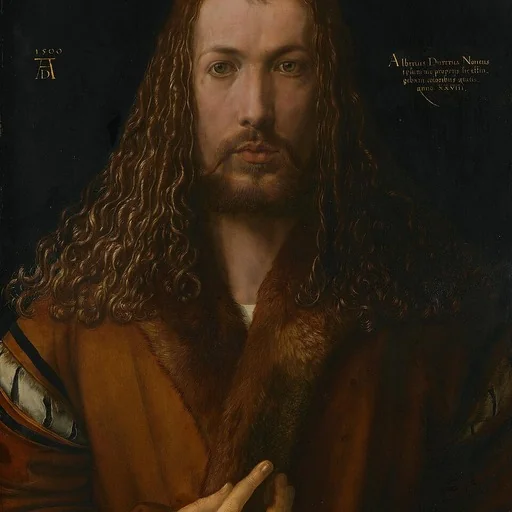
Albrecht Dürer spent his life in Nuremberg, a busy German city where artists traded prints like currency.

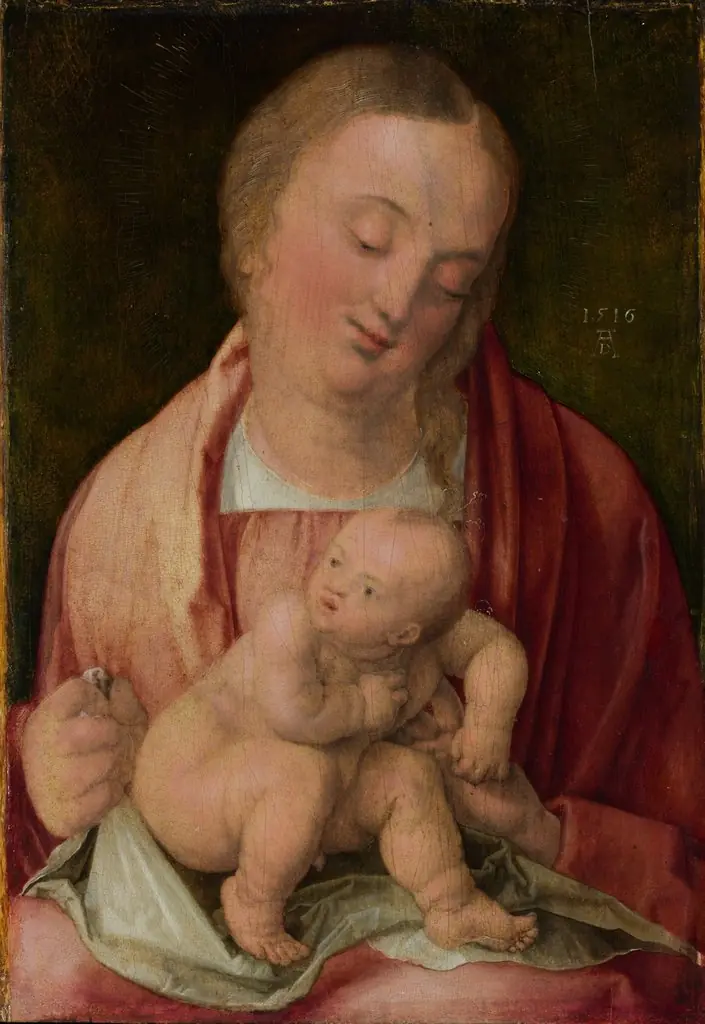
![Madonna and Child [obverse], by Albrecht Dürer](https://artifactworldgallery.com/img/albrecht-durer--madonna-and-child-obverse--d7b8ebf05d22ebe5-w320.webp)
![Lot and His Daughters [reverse], by Albrecht Dürer](https://artifactworldgallery.com/img/albrecht-durer--lot-and-his-daughters-reverse--b4ebf9b282faa17a-w320.webp)