Artwork
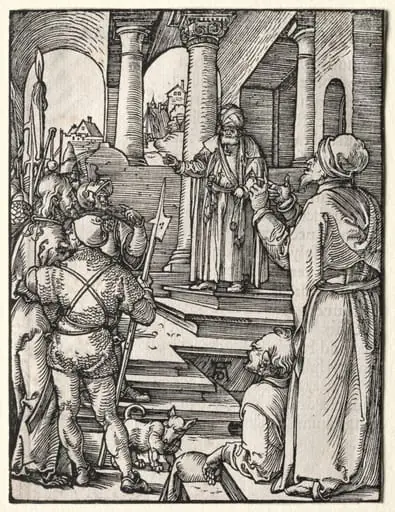
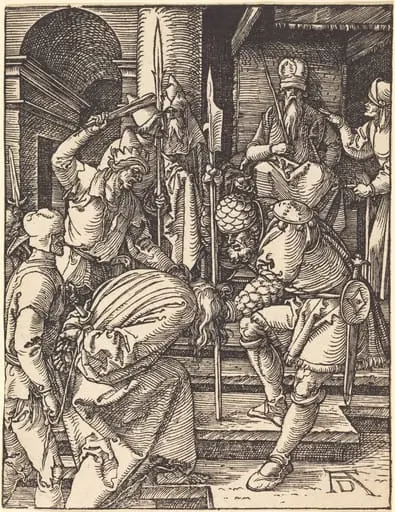
The Small Passion: Christ Before Annas
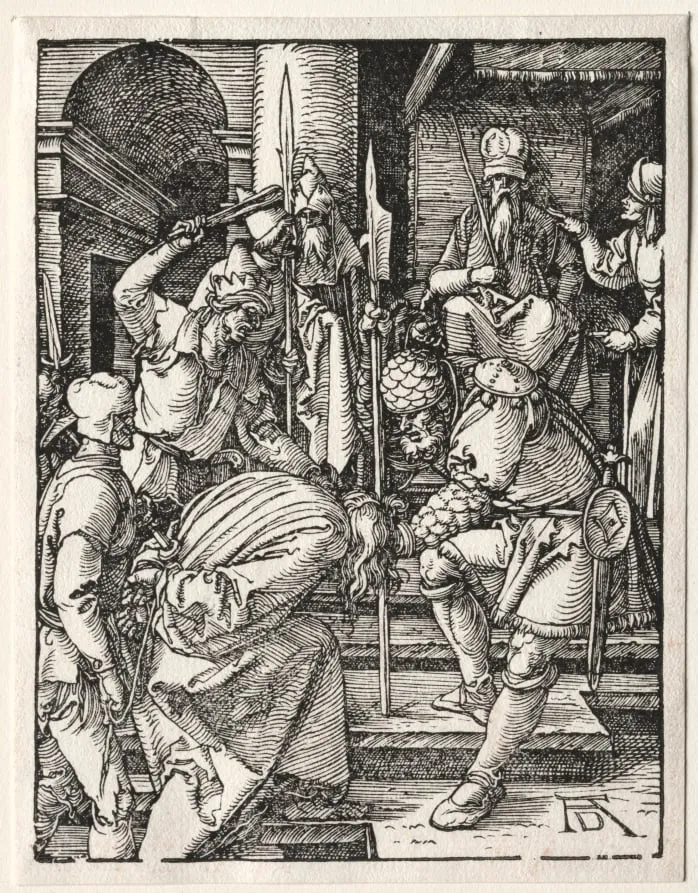
The Small Passion: Christ Before Annas is a print by the Renaissance artist Albrecht Dürer. It dates from 1510 and is held in the collection of the Cleveland Museum of Art.
About this work
Overview
The print resides in the Cleveland Museum of Art’s collection, reflecting its enduring presence in institutional holdings of early modern European prints.
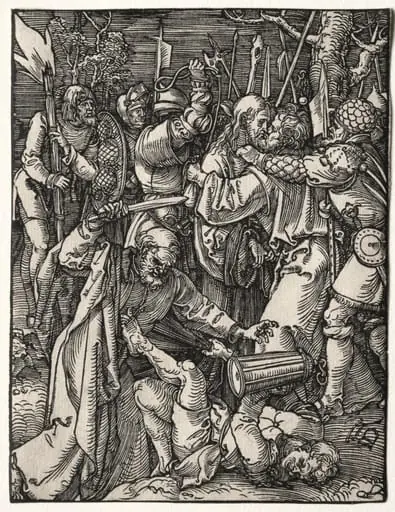
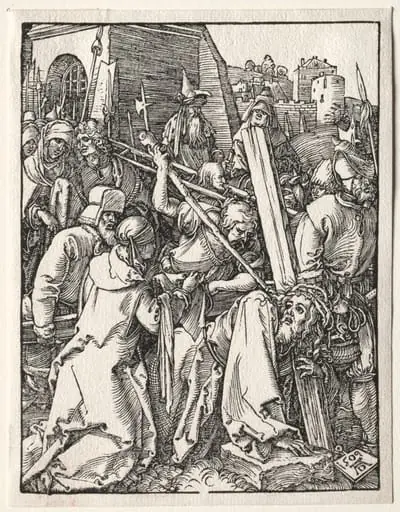
Created in 1510 by Albrecht Dürer, this woodcut is part of a series known as The Small Passion, which visually narrates the final days of Christ’s life. Dürer, a central figure in Northern Renaissance art, produced this work during a peak in his printmaking career. The image captures a moment from Christ’s trial before Annas, one of several scenes illustrating the Passion. The print resides in the Cleveland Museum of Art’s collection, reflecting its enduring presence in institutional holdings of early modern European prints.
Subject & Meaning
The scene portrays Christ’s interrogation by Annas, a high priest, amid a group of armed men. One figure kneels with grapes, possibly alluding to the Eucharist or the vine as a symbol of Christ. Another holds a spear, suggesting impending violence. The seated Annas, elevated and stern, dominates the composition, emphasizing his authority. The tense postures and watchful expressions convey spiritual conflict and human judgment, reinforcing the narrative’s gravity without overt symbolism.
Technique & Style
Dürer employed precise woodcut techniques to render sharp, angular lines and deep contrasts between light and shadow. Each face is individually modeled, revealing distinct emotional states—suspicion, defiance, indifference. The cramped interior, defined by heavy drapery and a barrel in the corner, enhances the claustrophobic atmosphere. The absence of color focuses attention on form and expression, characteristic of Dürer’s commitment to narrative clarity through monochrome printmaking.
History & Provenance
Produced in Nuremberg around 1510, this print was part of a small series of 37 woodcuts commissioned for private devotion and scholarly circulation. Dürer’s prints were widely distributed across Europe, contributing to his international reputation. The work entered the Cleveland Museum of Art’s collection in the 20th century, where it remains as a representative example of early 16th-century German printmaking and religious imagery.
Context
Dürer created this series during a period of religious and cultural transformation in Germany. While Italy embraced classical ideals, Northern artists like him focused on emotional intensity and detailed observation. The Small Passion responded to growing lay interest in personal piety and biblical storytelling. These prints were accessible to a broader audience than painted altarpieces, making them vital tools for spiritual reflection and theological education.
Legacy
Dürer’s Small Passion series influenced generations of printmakers through its narrative cohesion and technical precision. The integration of psychological depth into religious subjects set a precedent for later Northern European art. Though produced for private use, these woodcuts became benchmarks in the history of print, studied for their ability to convey complex spiritual narratives through minimal means and disciplined craftsmanship.
Artist & collection
Artist
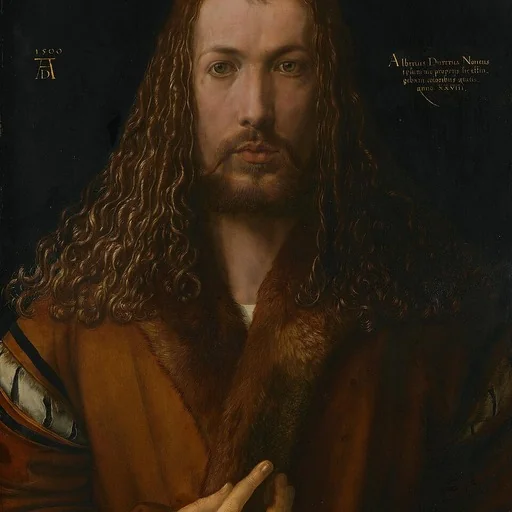
Albrecht Dürer spent his life in Nuremberg, a busy German city where artists traded prints like currency.

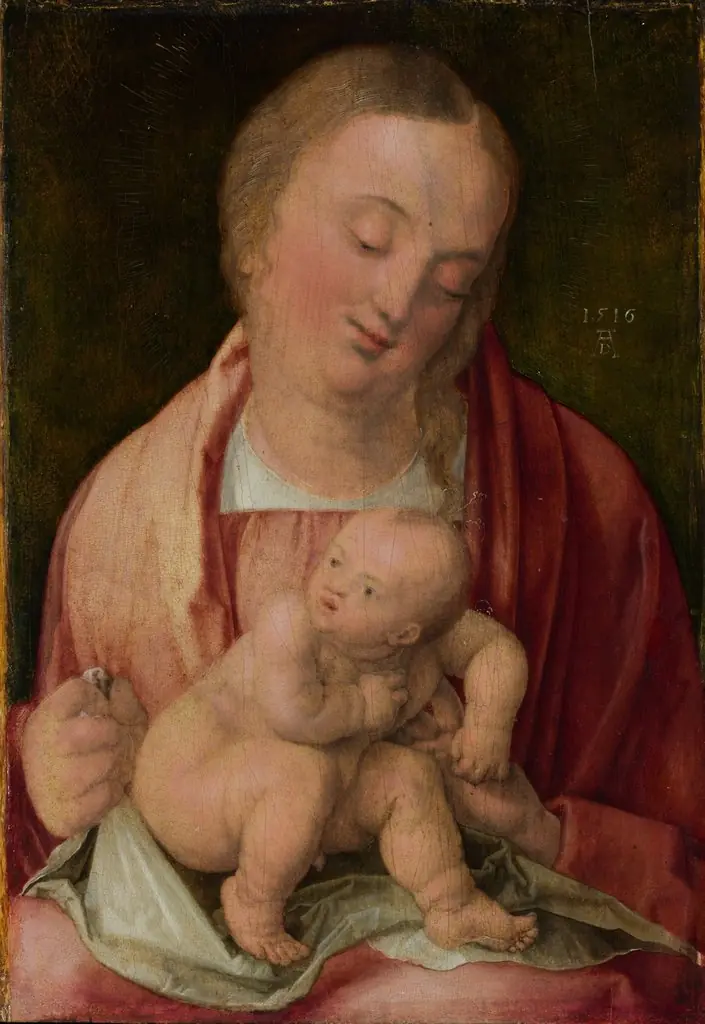
![Madonna and Child [obverse], by Albrecht Dürer](https://artifactworldgallery.com/img/albrecht-durer--madonna-and-child-obverse--d7b8ebf05d22ebe5-w320.webp)
![Lot and His Daughters [reverse], by Albrecht Dürer](https://artifactworldgallery.com/img/albrecht-durer--lot-and-his-daughters-reverse--b4ebf9b282faa17a-w320.webp)