Artwork
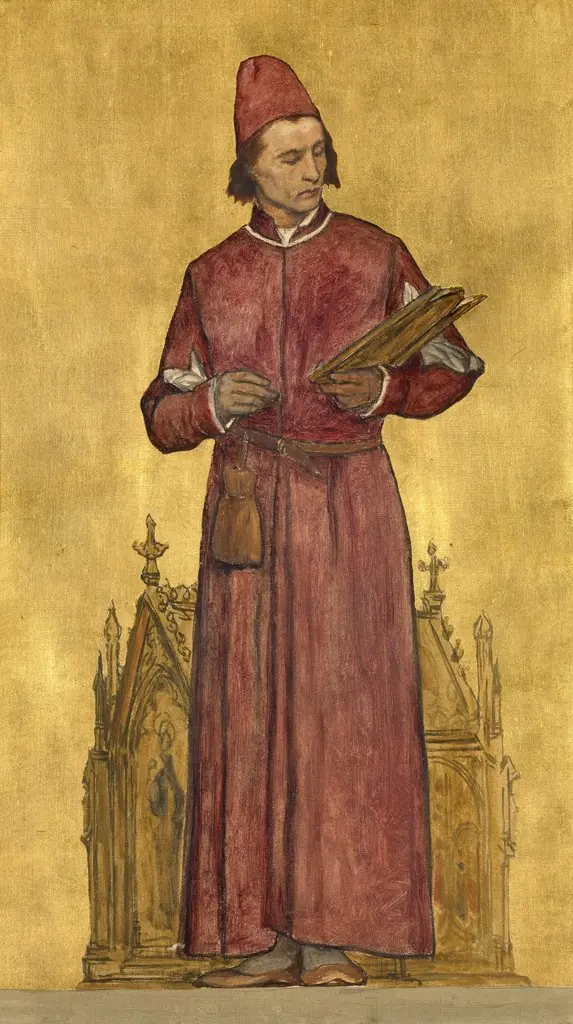
The Architect Jan van de Poele
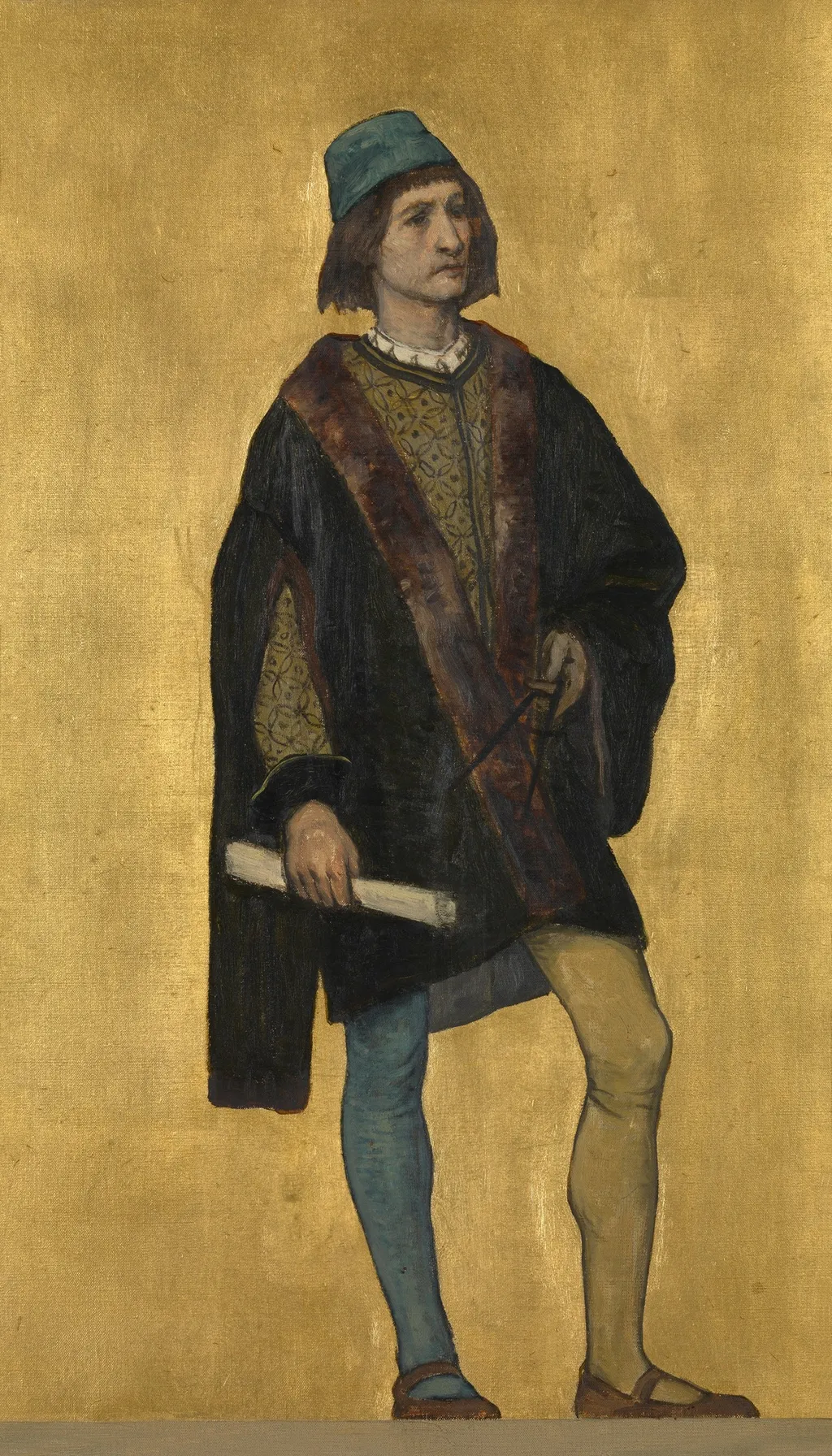
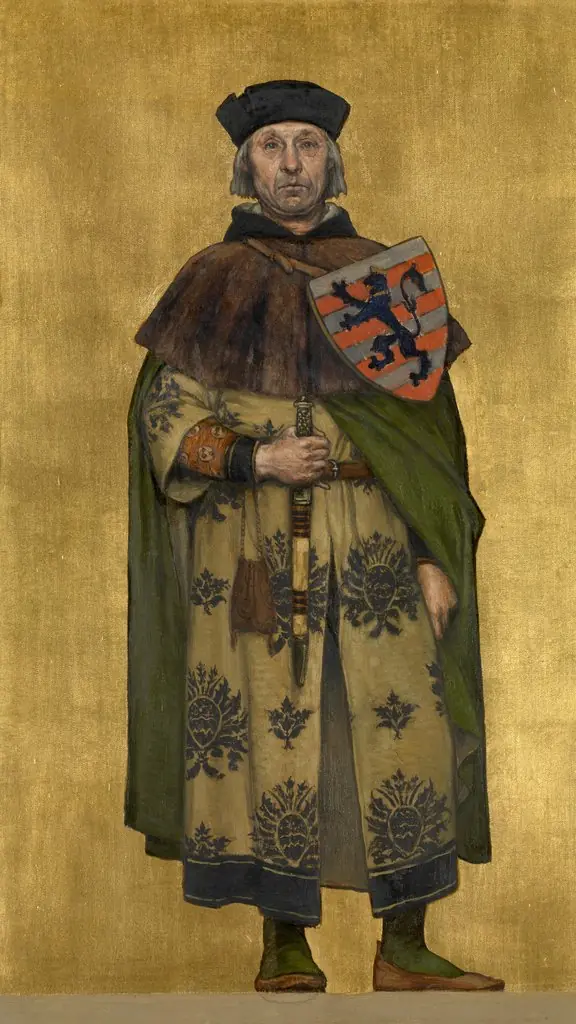
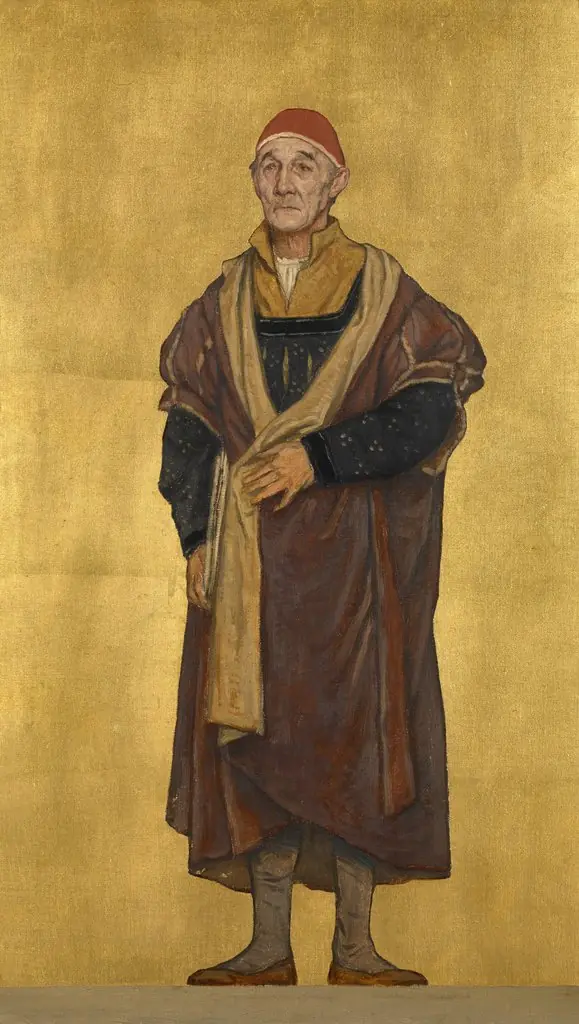
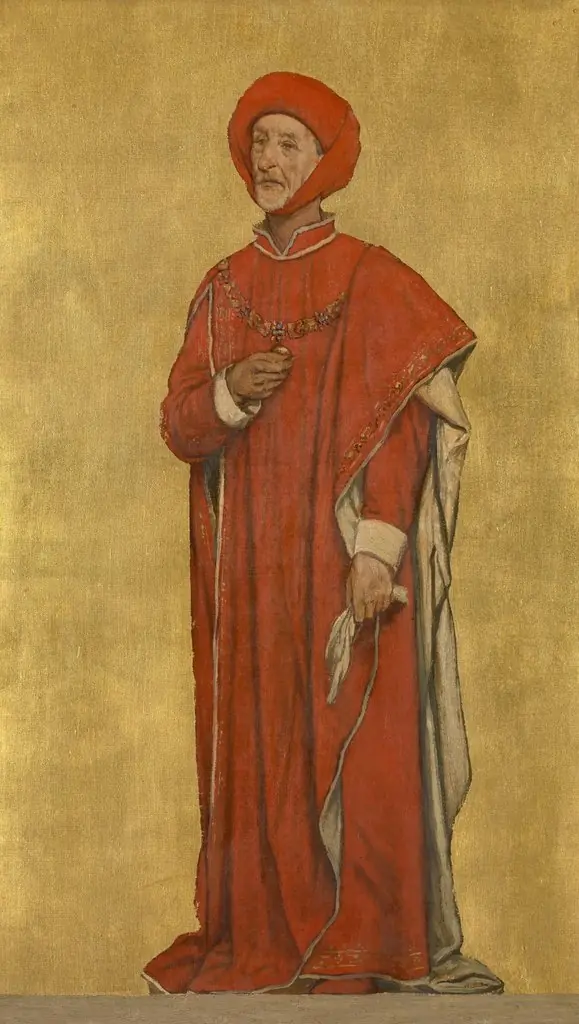
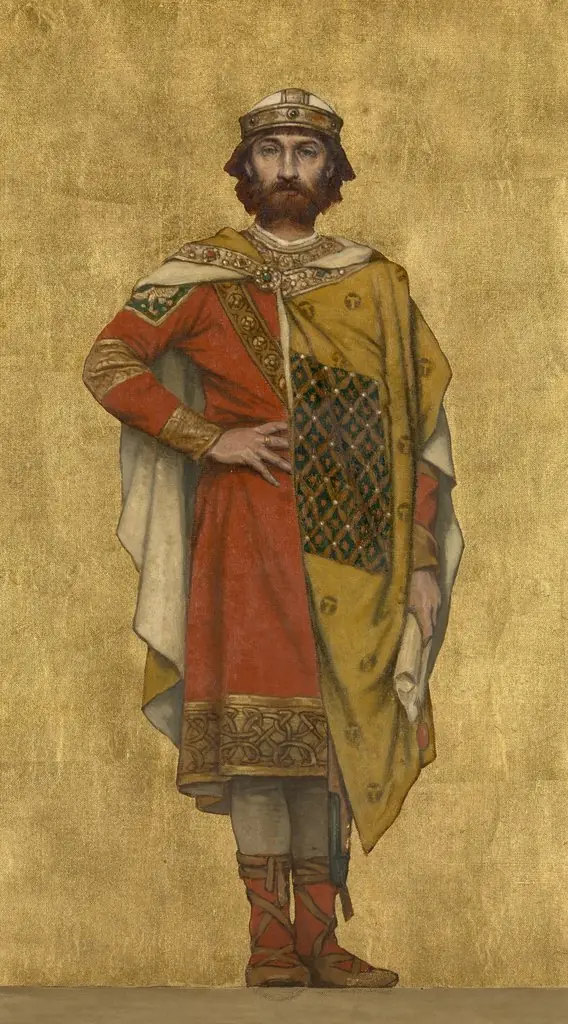
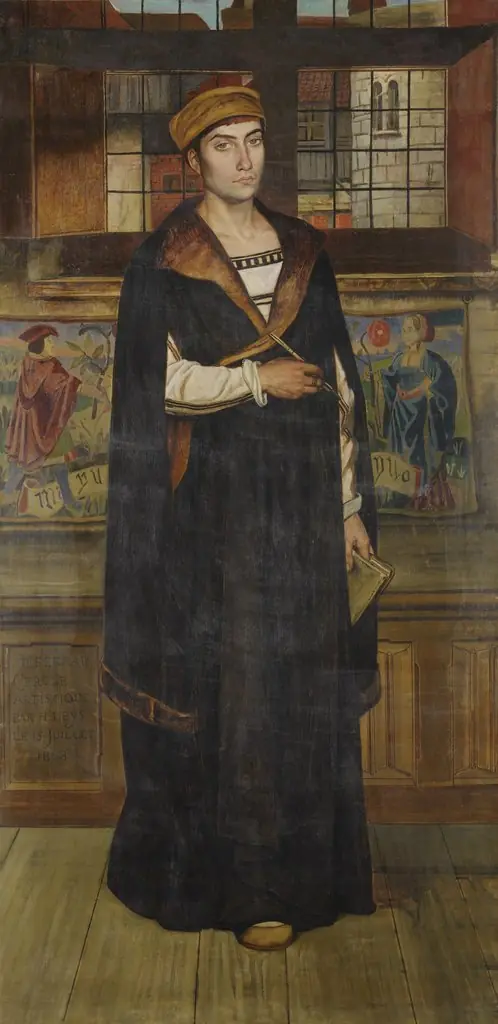
The Architect Jan van de Poele is an oil painting by the Post-Impressionist artist Albrecht De Vriendt. It dates from 1895 and is held in the collection of the Royal Museum of Fine Arts Antwerp.
About this work
Overview
The work resides in the Royal Museum of Fine Arts Antwerp, where it contributes to the institution’s collection of 19th-century Belgian portraiture.
Painted in 1895 by Albrecht De Vriendt, this oil portrait portrays Jan van de Poele, a historical architect. De Vriendt, a Belgian artist known for historical and genre subjects, rendered the figure with careful attention to detail and period authenticity. The work resides in the Royal Museum of Fine Arts Antwerp, where it contributes to the institution’s collection of 19th-century Belgian portraiture.
Subject & Meaning
Jan van de Poele is depicted as a learned professional of the Renaissance era, identified through his attire and the rolled document he holds. The clothing—dark coat with red lining, patterned shirt, and blue hat—evokes the dress of educated elites from earlier centuries. The image does not depict a contemporary figure but rather reimagines an architect from the past, suggesting reverence for historical intellectual tradition.
Technique & Style
De Vriendt employed traditional oil painting methods to achieve a lifelike texture and depth. The rendering of fabrics, from the sheen of the coat to the weave of the shirt, demonstrates precise brushwork. The composition is formal and centered, emphasizing the subject’s dignity. While rooted in realism, the work avoids the loose brushwork of Impressionism, aligning more closely with academic traditions of the time.
History & Provenance
The painting entered the collection of the Royal Museum of Fine Arts Antwerp shortly after its completion. De Vriendt, who also worked as a copyist and publisher, often engaged with historical themes, and this portrait reflects his interest in reconstructing past identities. Its provenance remains unbroken since its creation, with no record of public sale or private ownership outside institutional custody.
Context
In late 19th-century Belgium, there was a revival of interest in national history and historical figures. De Vriendt’s work emerged within this cultural climate, where artists sought to reconnect with pre-modern eras through carefully researched depictions. Though labeled post-impressionist in some sources, the painting’s style aligns more with academic historicism than with the innovations of French post-impressionists.
Legacy
The portrait remains a quiet example of Belgian academic portraiture, valued for its fidelity to historical detail rather than stylistic innovation. It reflects De Vriendt’s broader practice of reviving past identities through visual narrative. While not widely exhibited outside Antwerp, it continues to serve as a reference for studies on 19th-century Belgian historical representation.
Artist & collection
Artist
Albrecht Frans Lieven De Vriendt or Albrecht De Vriendt (In French-language publications referred to as Albert De Vriendt or Albert François Lieven De Vriendt) (Ghent, 8 December 1843 – Antwerp, 14 October 1900) was a…