Artwork
Lord of Gruuthuse
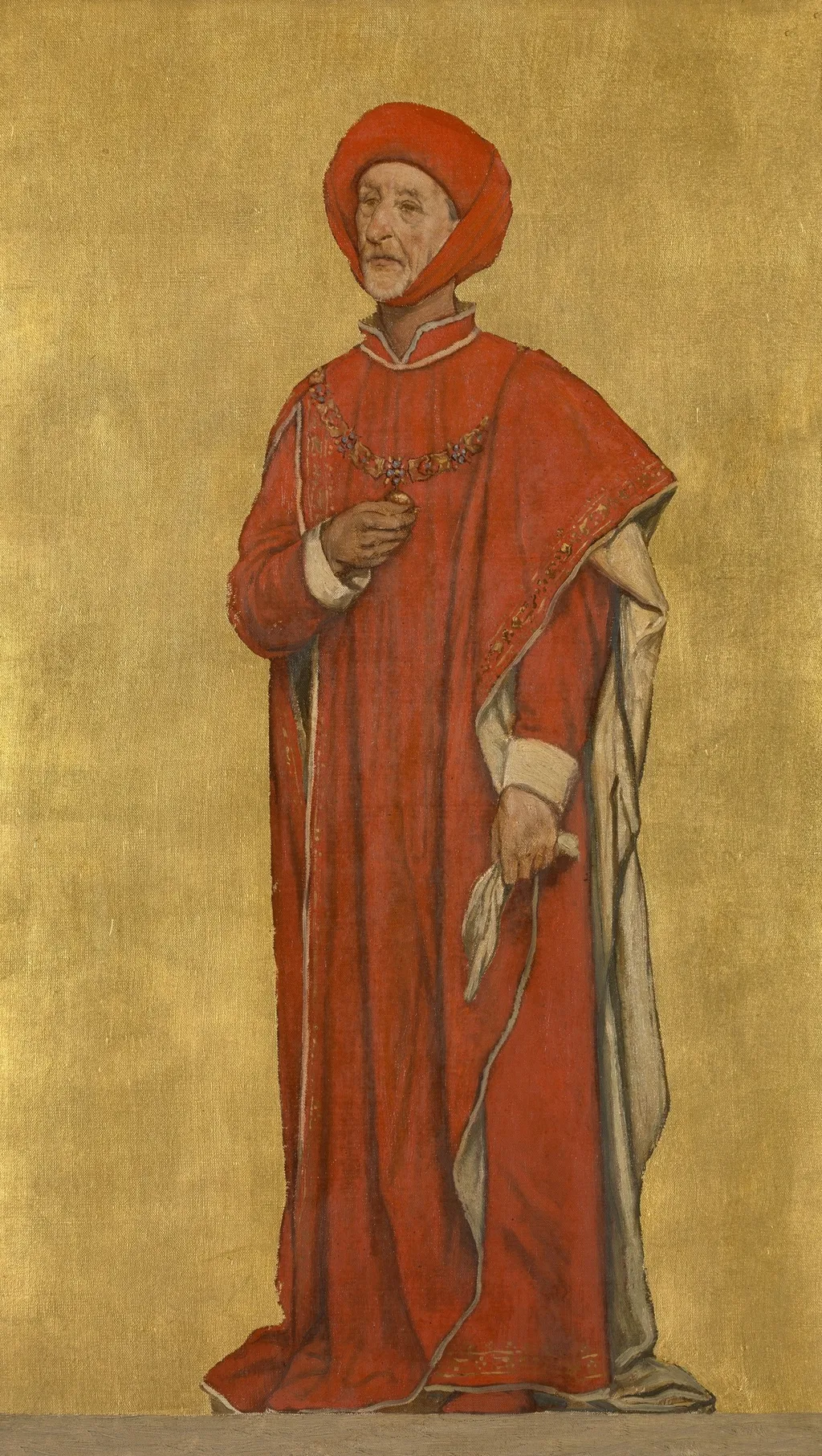
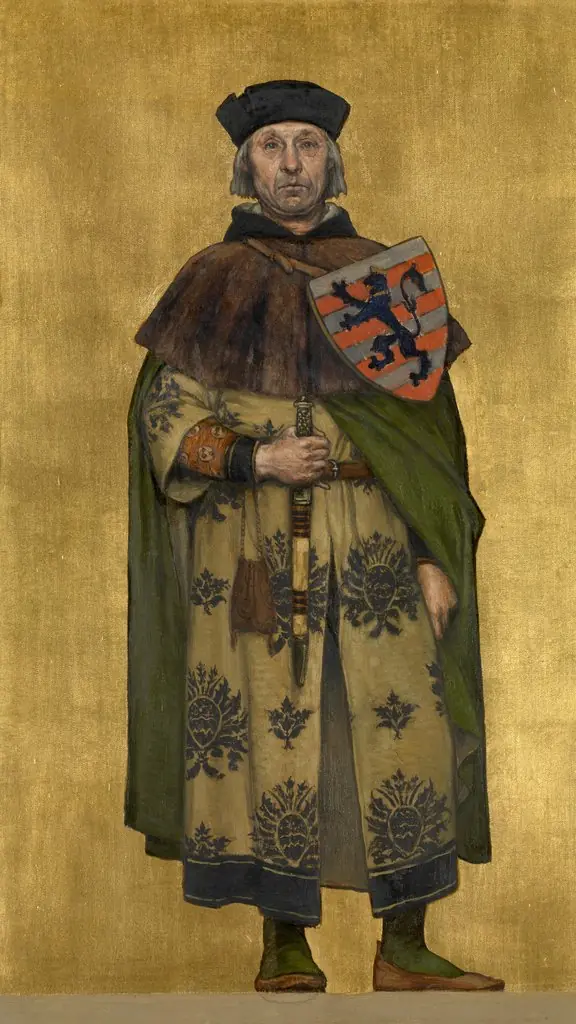
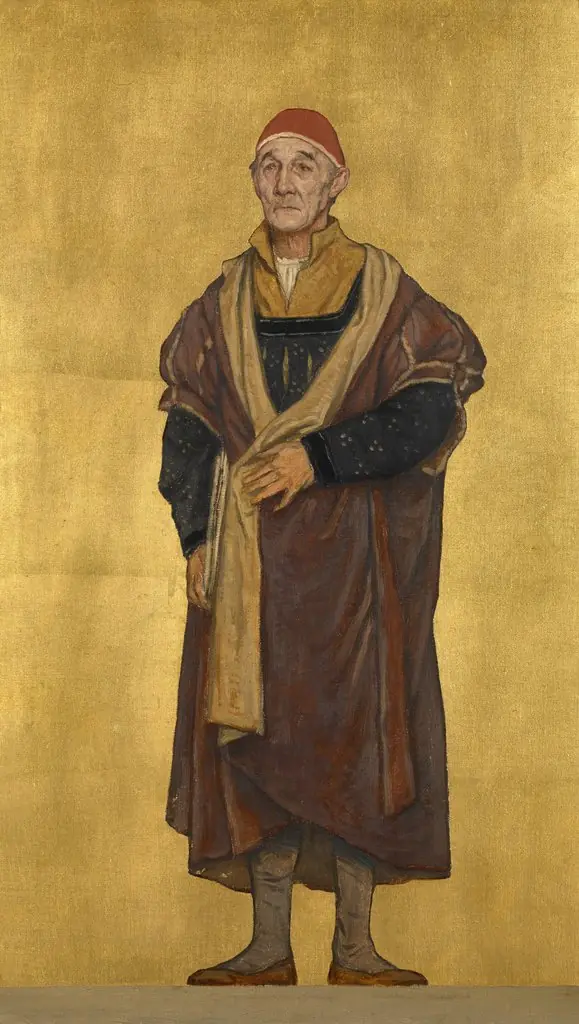
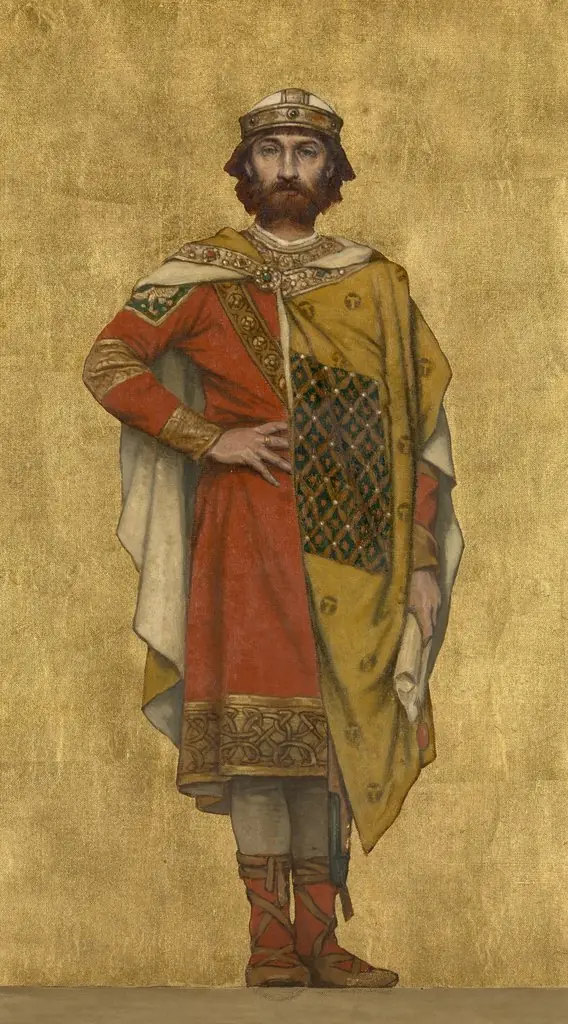
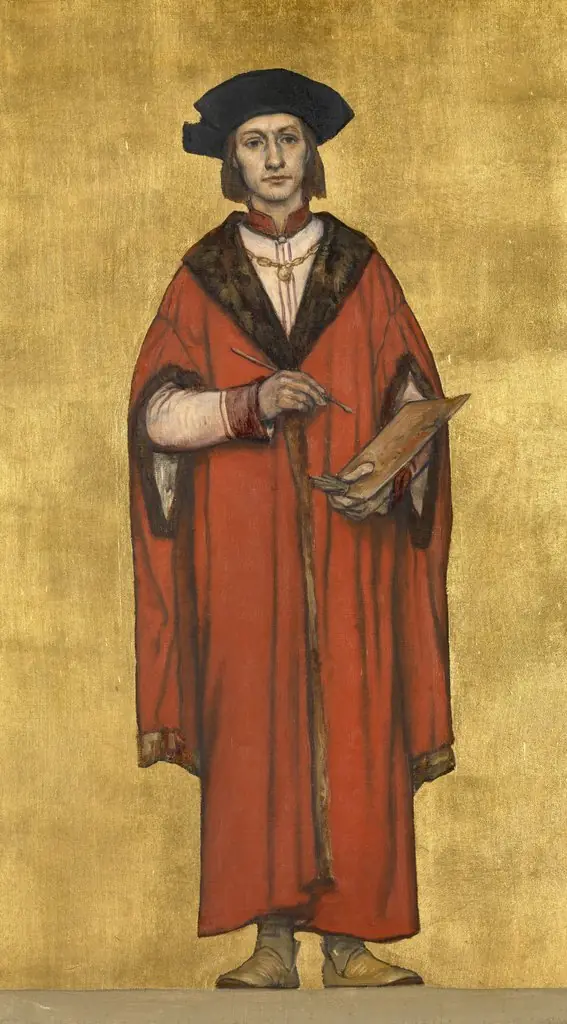
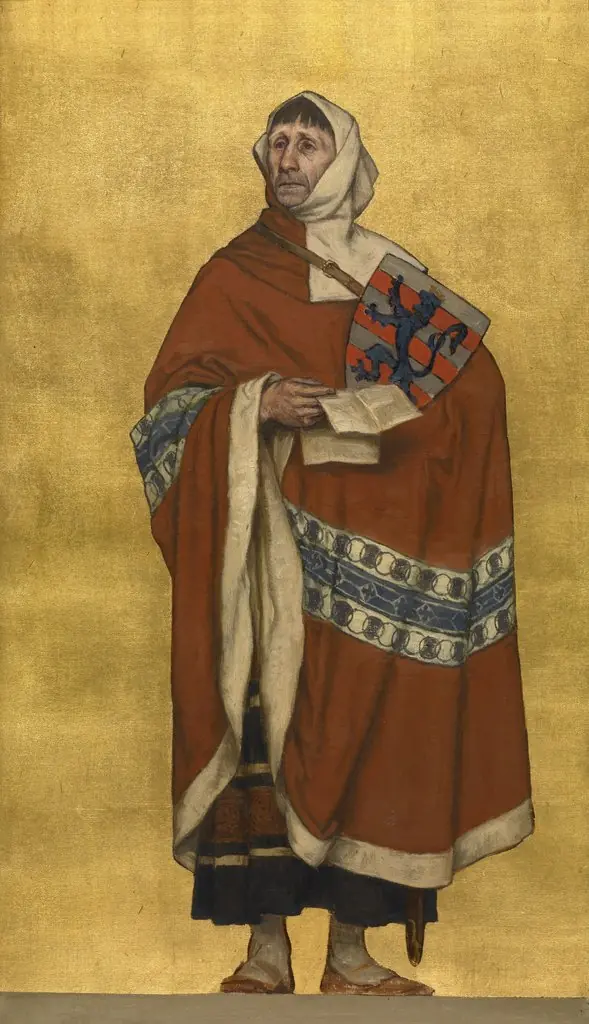
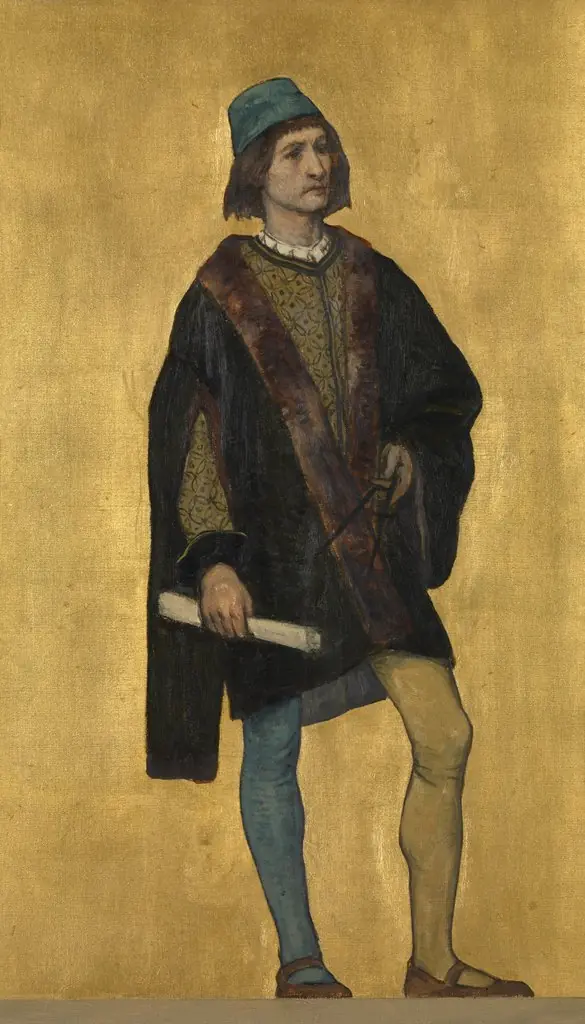
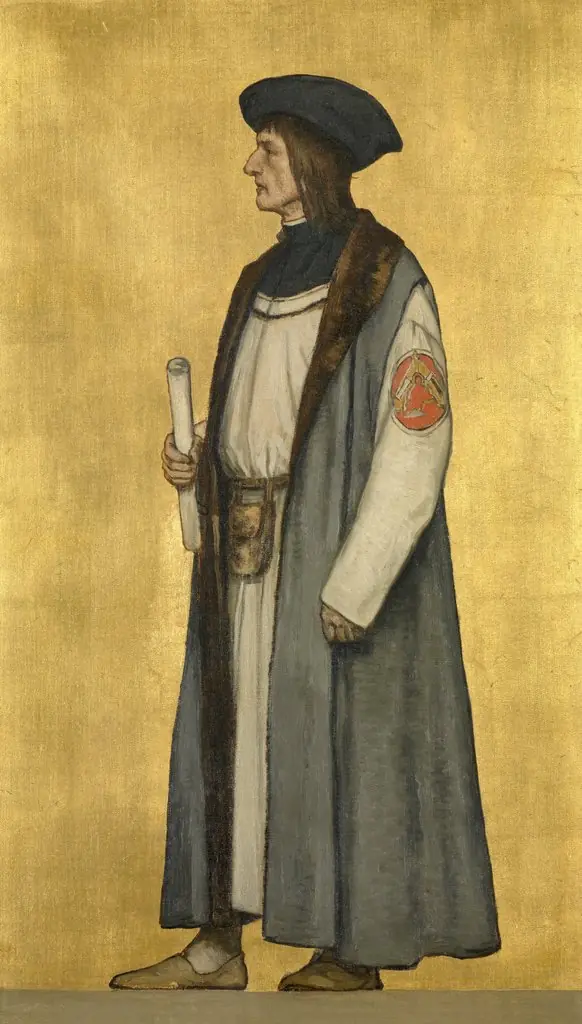
Lord of Gruuthuse is an oil painting by the Post-Impressionist artist Albrecht De Vriendt. It dates from 1895 and is held in the collection of the Royal Museum of Fine Arts Antwerp.
About this work
Overview
Albrecht De Vriendt painted *Lord of Gruuthuse* in 1895 using oil on canvas.
Albrecht De Vriendt painted *Lord of Gruuthuse* in 1895 using oil on canvas. A Belgian artist active in the late 19th century, he specialized in historical and figure subjects, blending academic precision with the emotional gravity of Romantic tradition. Though working in the shadow of Impressionism, De Vriendt remained committed to detailed, narrative-driven composition, aligning with a broader Belgian tendency toward monumental historical imagery.
Subject & Meaning
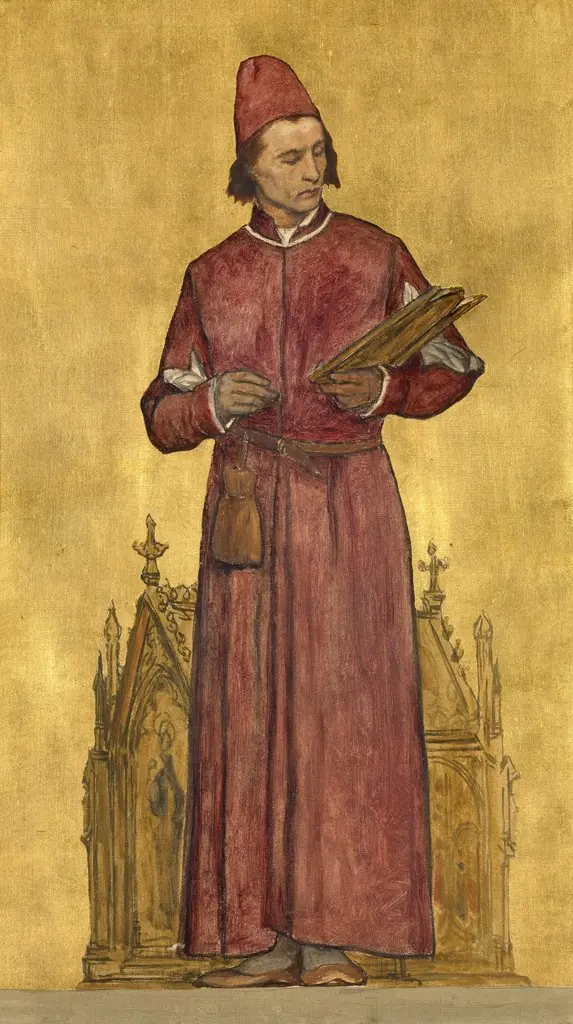
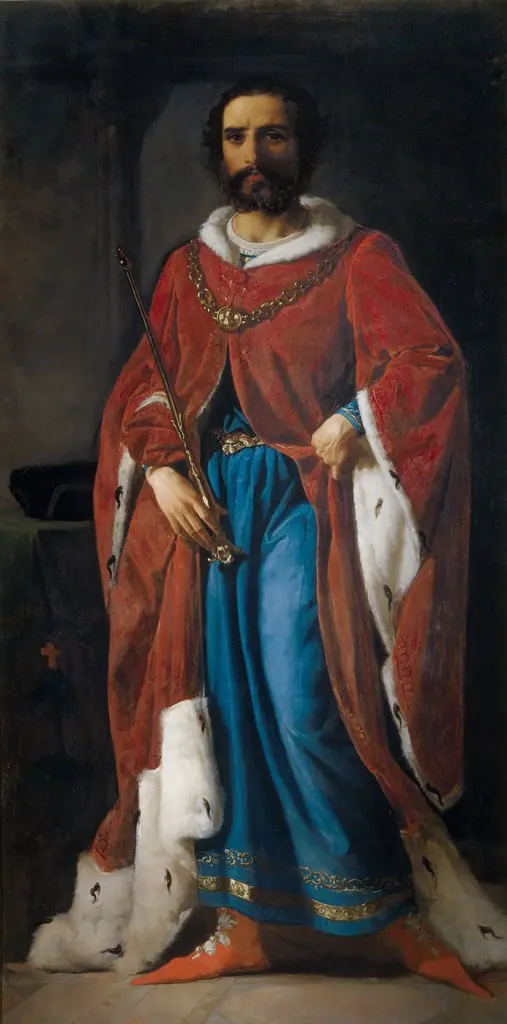
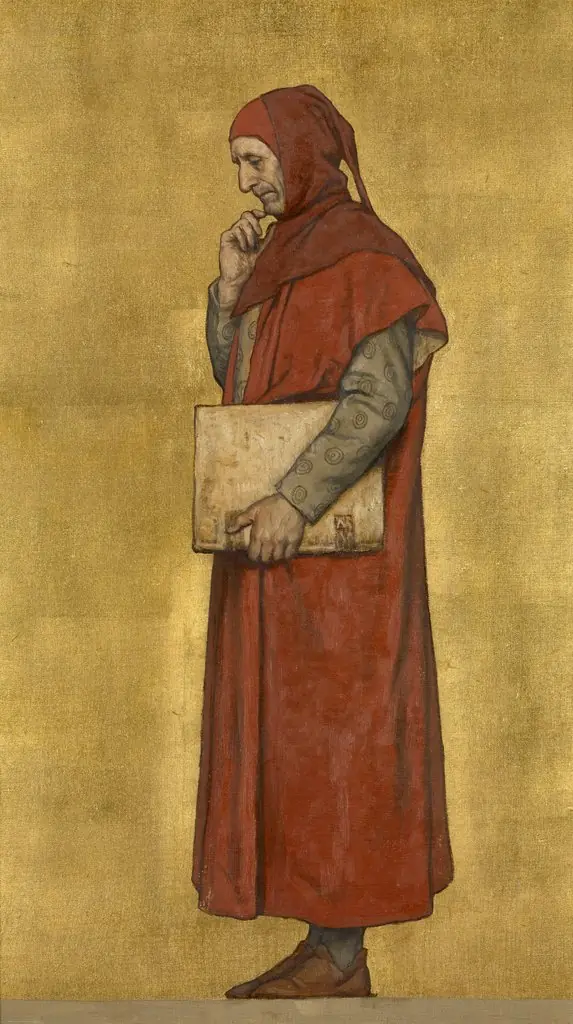
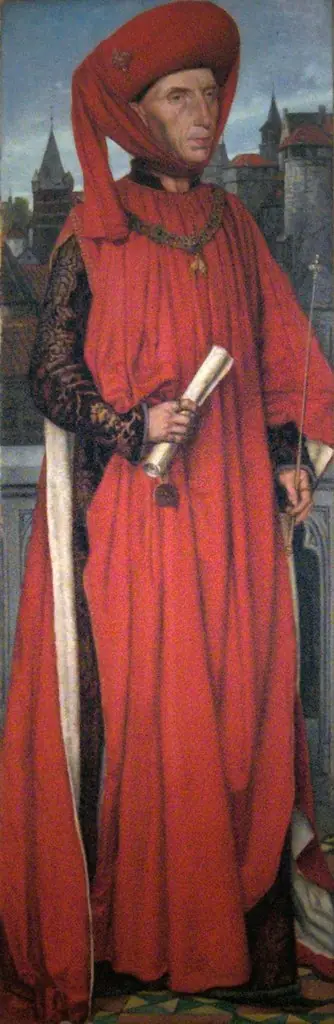
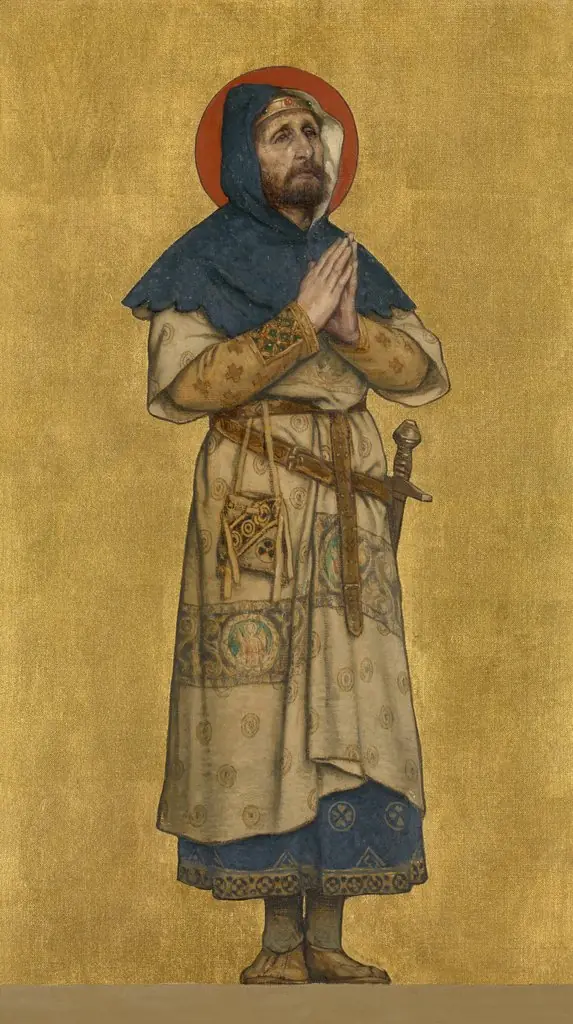
The figure depicted is likely a nobleman associated with the Gruuthuse family, a prominent Bruges lineage. Dressed in richly detailed 15th-century-inspired attire, he stands with solemn dignity, suggesting status and authority. The small object in his hand and the draped cloth imply ceremonial function, possibly a relic or insignia. The gold background evokes religious or royal iconography, reinforcing the subject’s elevated position without literal narrative context.
Technique & Style
De Vriendt employed fine brushwork to render the textures of fabric, metal, and fur with meticulous care. The red robe contrasts sharply against the flat, luminous gold background, creating a stylized, almost devotional effect. While the figure is rendered with naturalistic detail, the background’s abstraction distances the scene from realism, reflecting a deliberate fusion of historical reconstruction and symbolic composition characteristic of his late Romantic approach.
History & Provenance
The painting entered the collection of the Royal Museum of Fine Arts Antwerp shortly after its completion. It was likely acquired as part of the museum’s effort to document Belgian artistic contributions to historical genre painting. No significant changes in ownership are recorded, and it has remained in the museum’s care since the late 19th century, consistently displayed as an example of academic Belgian painting.
Context
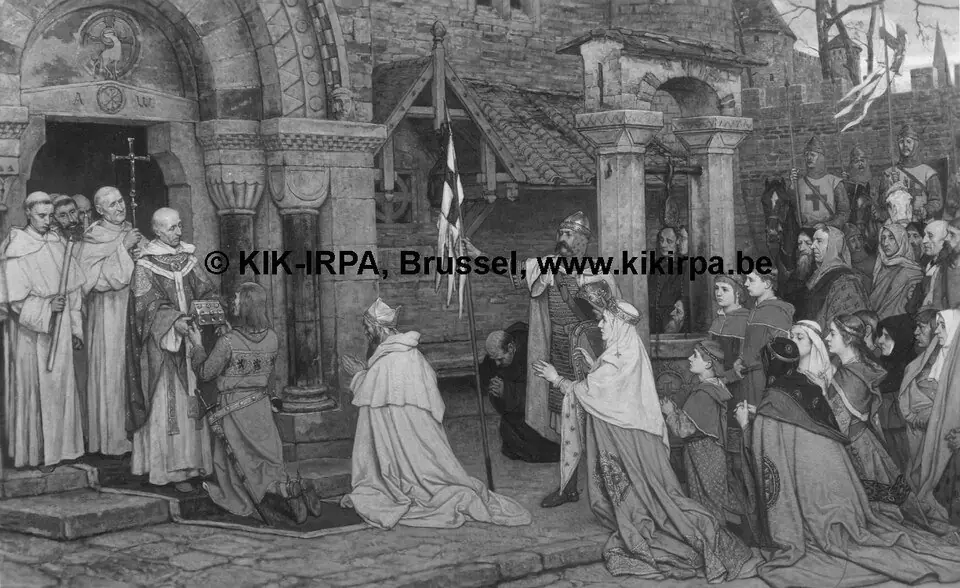
In 1895, Belgium was experiencing a revival of interest in its medieval past, fueled by national identity movements and the preservation of regional heritage. Artists like De Vriendt responded by reviving historical costumes and aristocratic themes, often drawing from Flemish chronicles. While modernist trends emerged elsewhere, Belgian academic circles upheld detailed, figurative work as a legitimate expression of cultural memory.
Legacy
De Vriendt’s *Lord of Gruuthuse* exemplifies the persistence of academic traditions in late 19th-century Belgium, even as European art moved toward abstraction. Though not widely known beyond national borders, the painting remains a reference point for understanding how historical subject matter was sustained through technical rigor and symbolic form. It continues to inform scholarly discussions on Belgian identity in visual culture.
Artist & collection
Artist
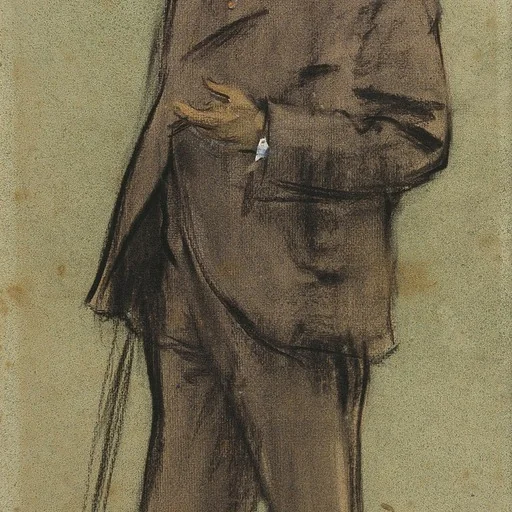
Albrecht Frans Lieven De Vriendt or Albrecht De Vriendt (In French-language publications referred to as Albert De Vriendt or Albert François Lieven De Vriendt) (Ghent, 8 December 1843 – Antwerp, 14 October 1900) was a…