Artwork
Johan Adam von Gertten (1767-1835), överste, ståthållare på Strömsholms slott, landskapsmålare
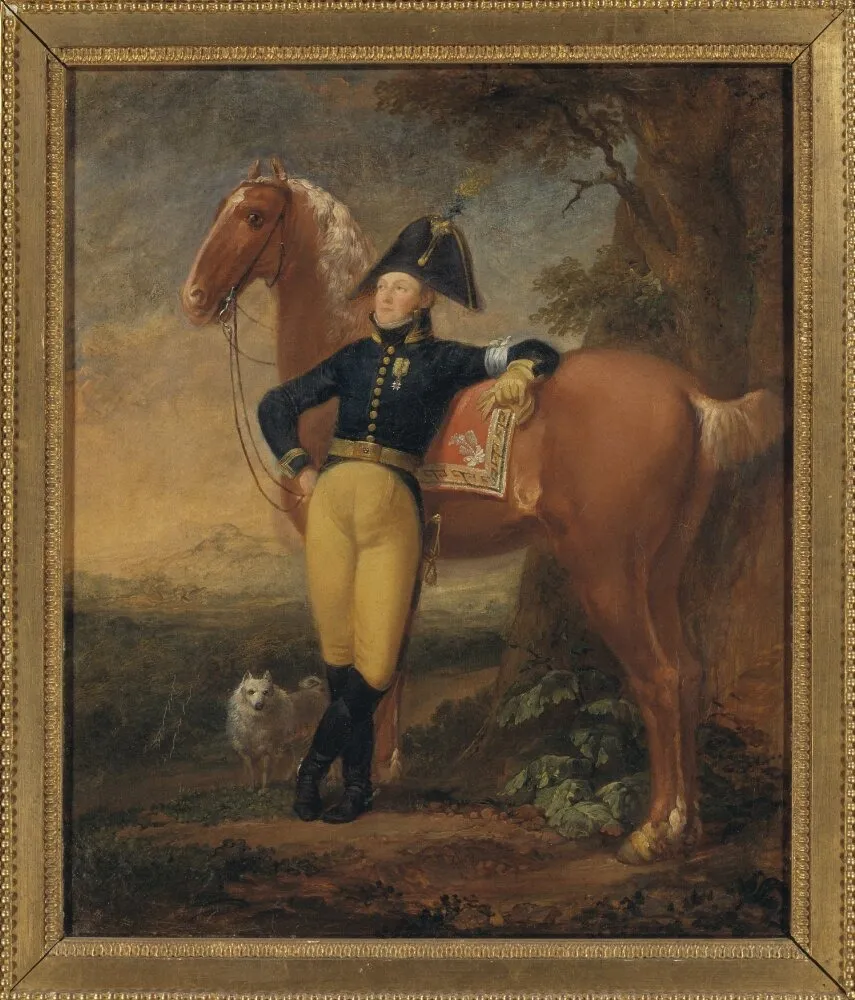
Johan Adam von Gertten (1767-1835), överste, ståthållare på Strömsholms slott, landskapsmålare is an oil painting by Aleksander Lauréus. It dates from 1813 and is held in the collection of the Nationalmuseum.
About this work
Overview
This oil painting, created around 1813 by Aleksander Lauréus, portrays Johan Adam von Gertten, a military officer and administrator, in a dignified pose with a horse and dog against a serene landscape backdrop. The work is part of the collection at the Nationalmuseum.
Subject & Meaning
Johan Adam von Gertten is depicted in military attire, conveying his rank as an överste (colonel) and his role as ståthållare (governor) of Strömsholms slott. The inclusion of a horse and dog symbolizes authority, nobility, and companionship, highlighting his dual life as a military figure and potentially as a landskapsmålare (landscape painter).
Technique & Style
Lauréus employed oil paint to achieve depth and texture, focusing attention on the central figure through meticulous detail in the uniform's gold buttons, hat, and the naturalistic rendering of the horse and dog. The contrasting serene landscape in the background adds balance to the composition.
History & Provenance
Created circa 1813, the painting is attributed to Aleksander Lauréus. It is currently housed at the Nationalmuseum, though the acquisition details are not specified in the provided information.
Context
The painting reflects the early 19th-century European tradition of portrait painting, emphasizing the subject's social status and professions. Von Gertten's possible dual identity as a military officer and landscape painter situates him within the broader cultural context of amateur artistic pursuits among the nobility.
Legacy
While specific impacts or notable exhibitions of this work are not detailed, as part of the Nationalmuseum's collection, it contributes to the historical record of Swedish military and aristocratic life during the early 19th century, and to the oeuvre of Aleksander Lauréus.
Artist & collection

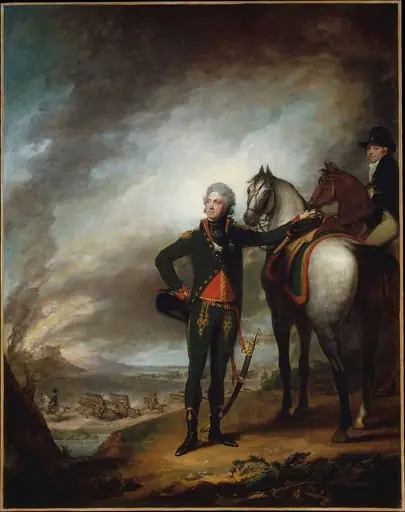 Louis-Marie, Vicomte de Noailles
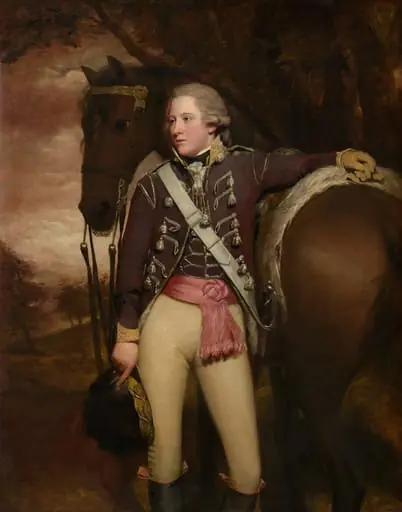 Captain Patrick Miller
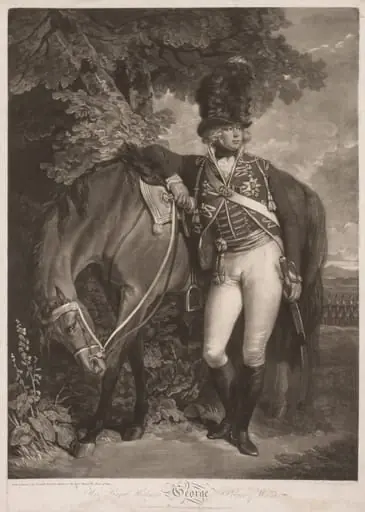 George, Prince of Wales
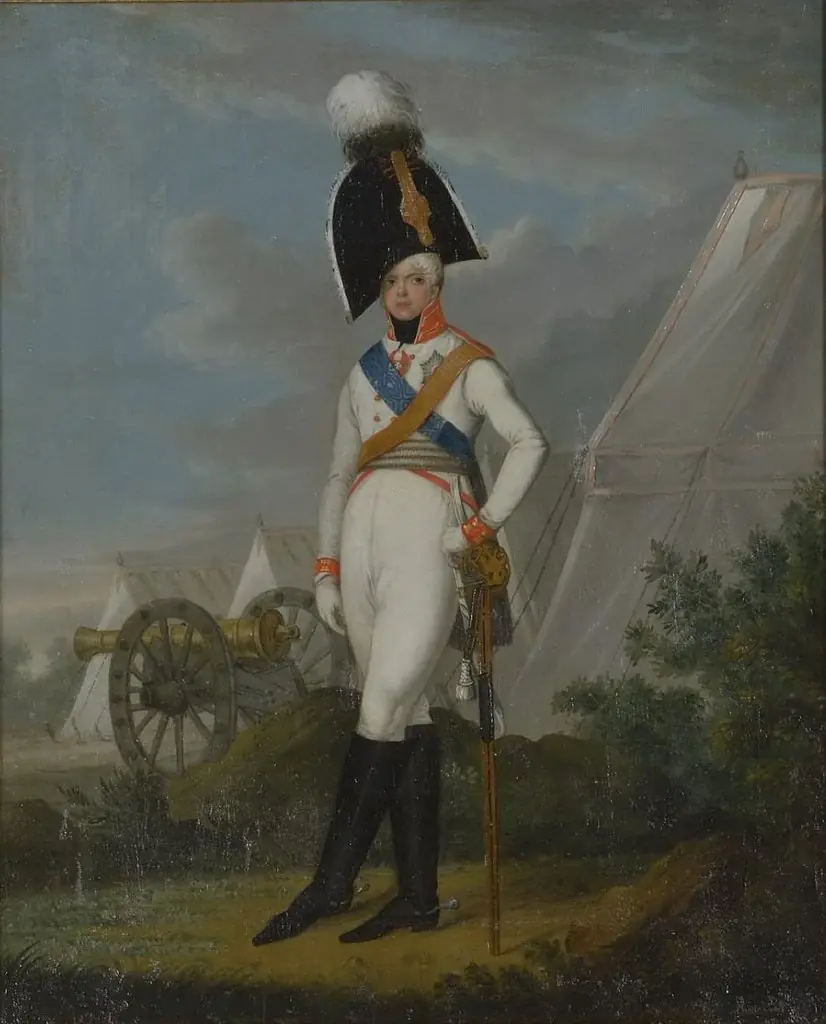 Portrait of Grand Duke Konstantin Pavlovich
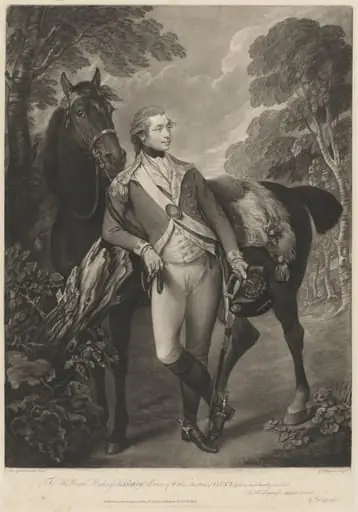 Colonel St. Leger
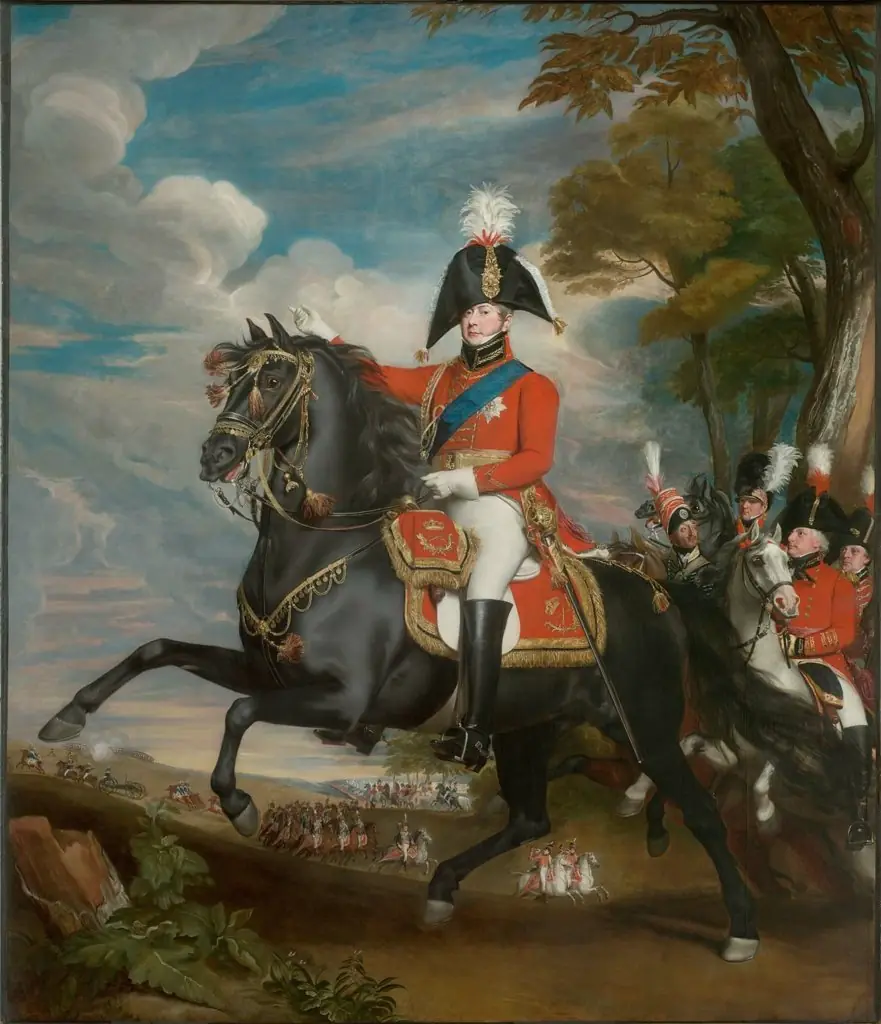 Portrait of H. R. H. the Prince of Wales at a Review, Attended by Lord Heathfield, General Turner, Col. Bloomfield, and Baron Eben; Col. Quinton in the Distance
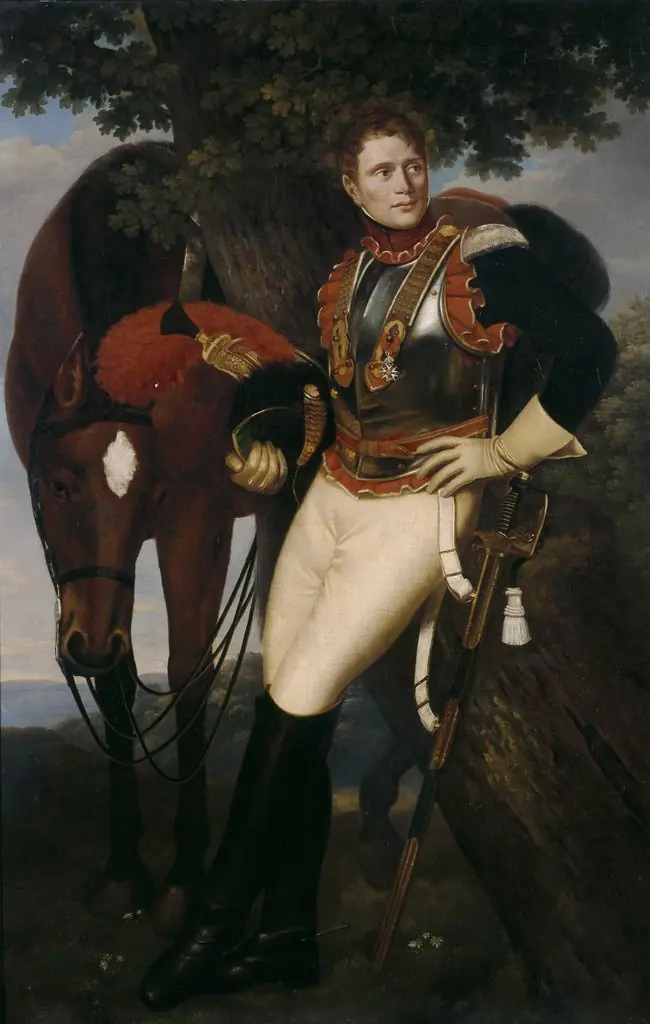 El coracero Jean Baptiste Poret-Dulongval
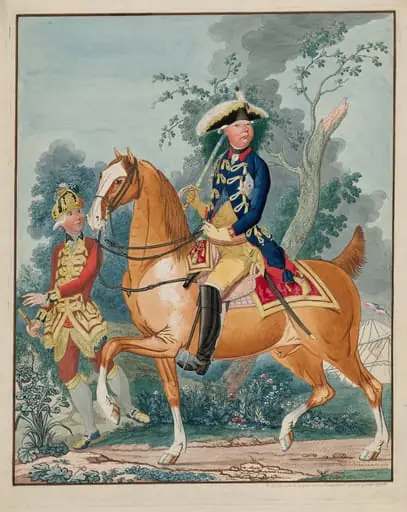 William V of Orange
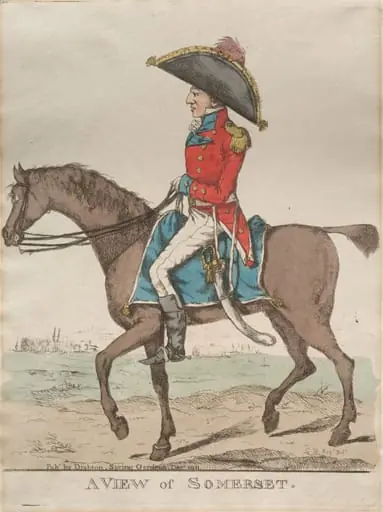 A View of Somerset
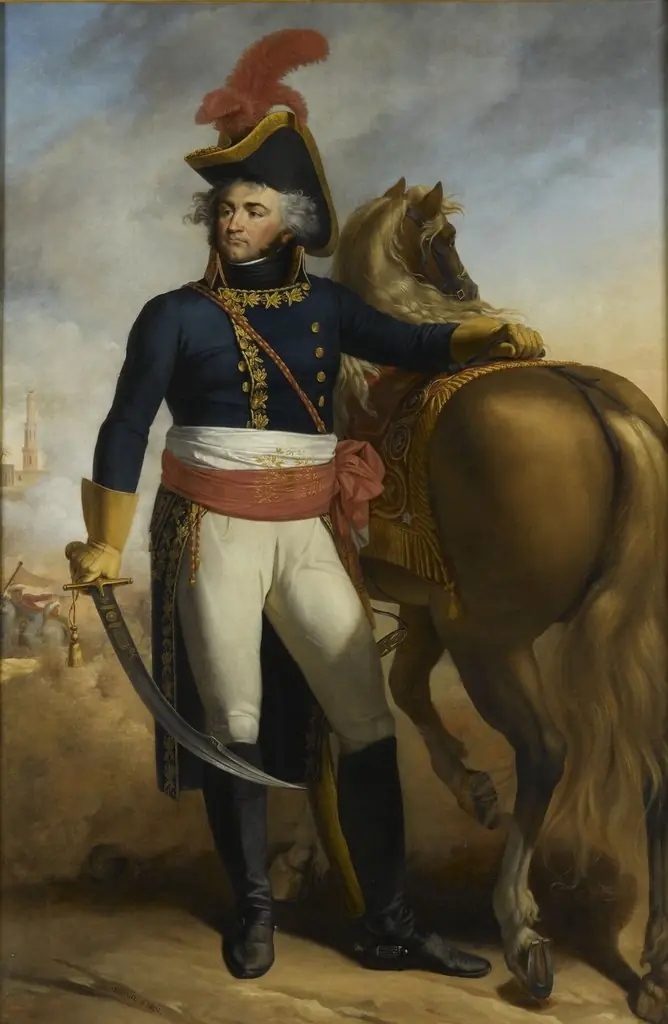 Jean-Baptiste Kléber, general-in-chief (1753-1800)
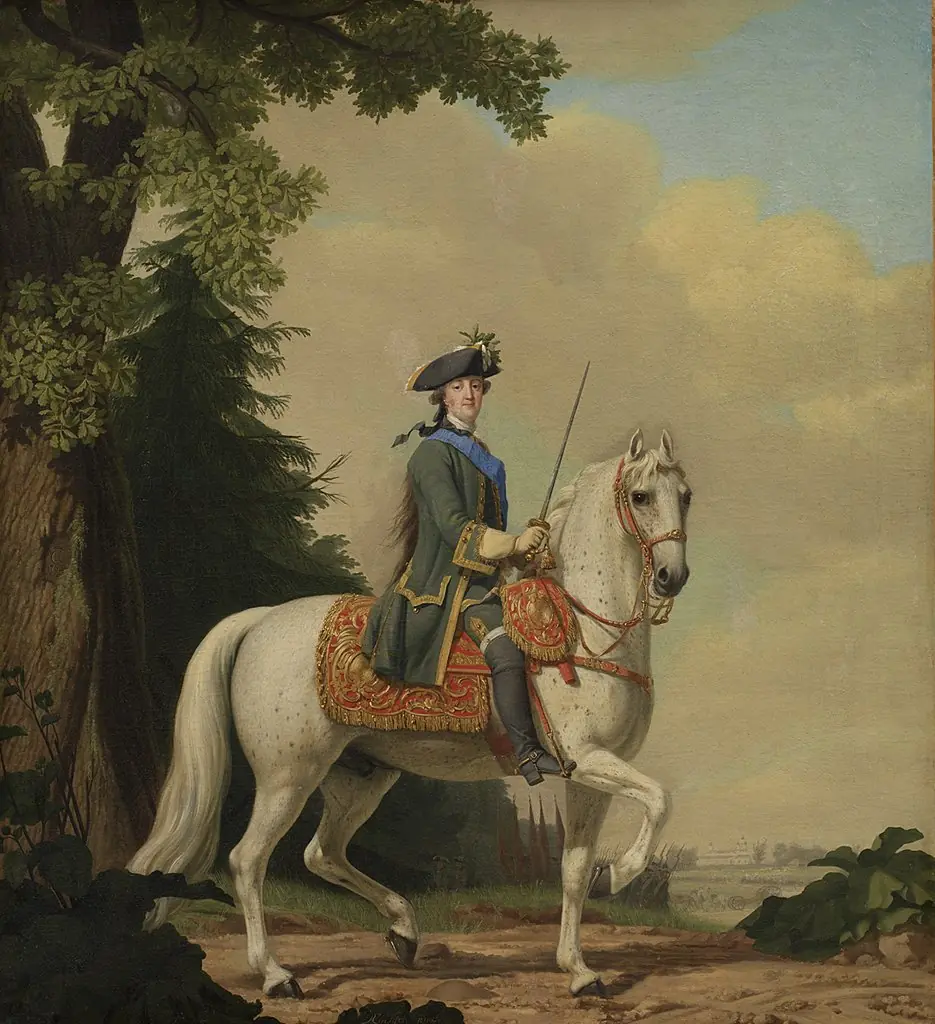 Catharina II of Russia and her stallion Brillante
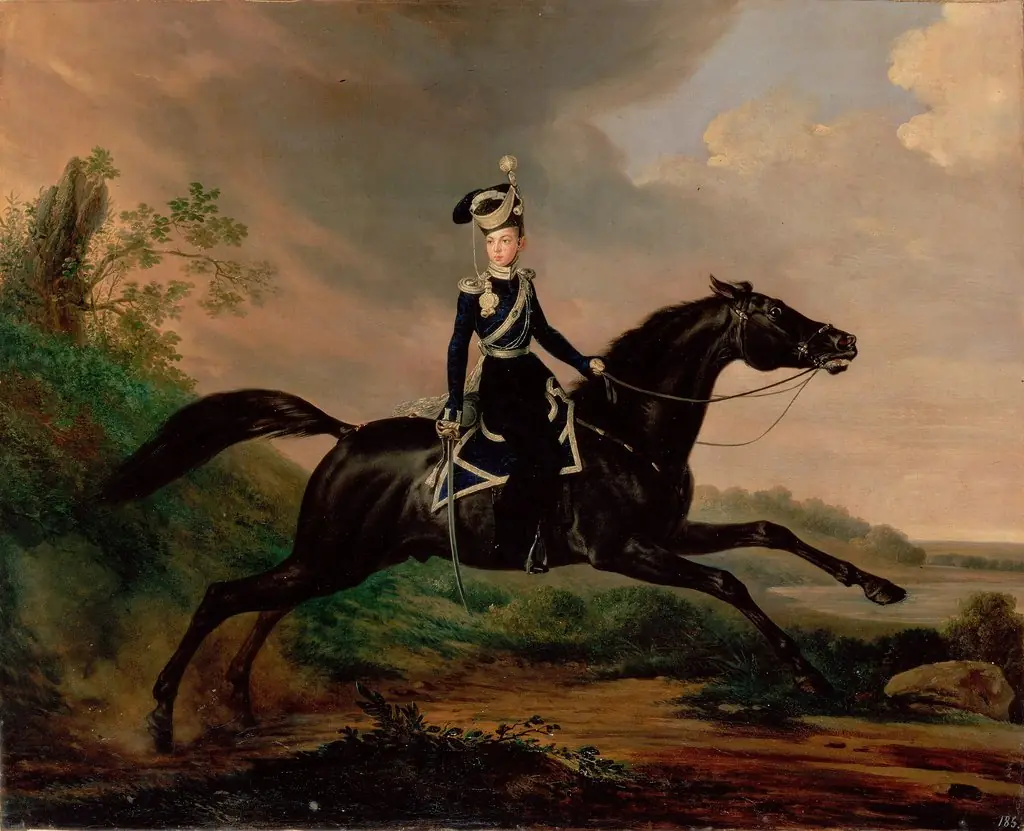 Equestrian Portrait of Grand Prince Alexander Nikolayevich