Art Museum
Nationalmuseum

Image: Wikimedia Commons.
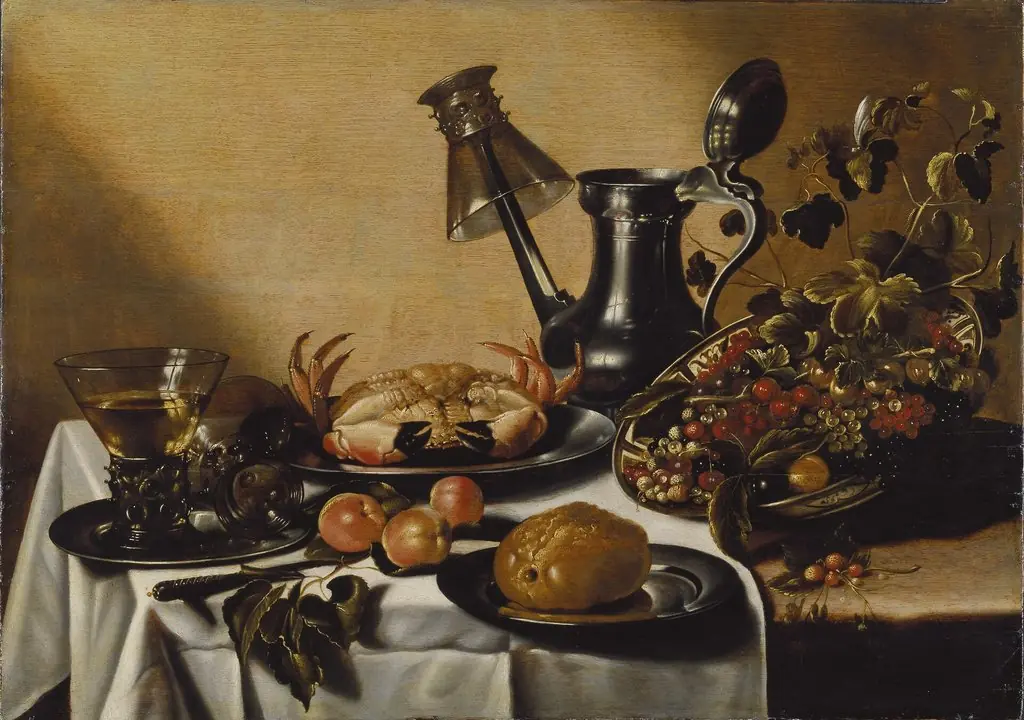
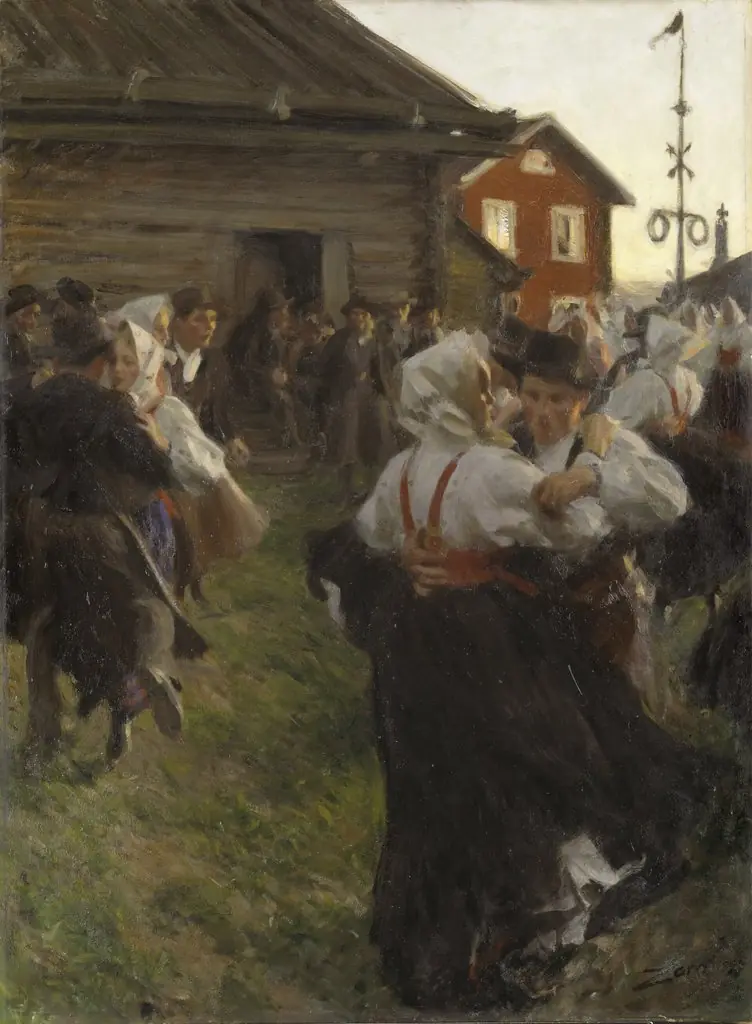
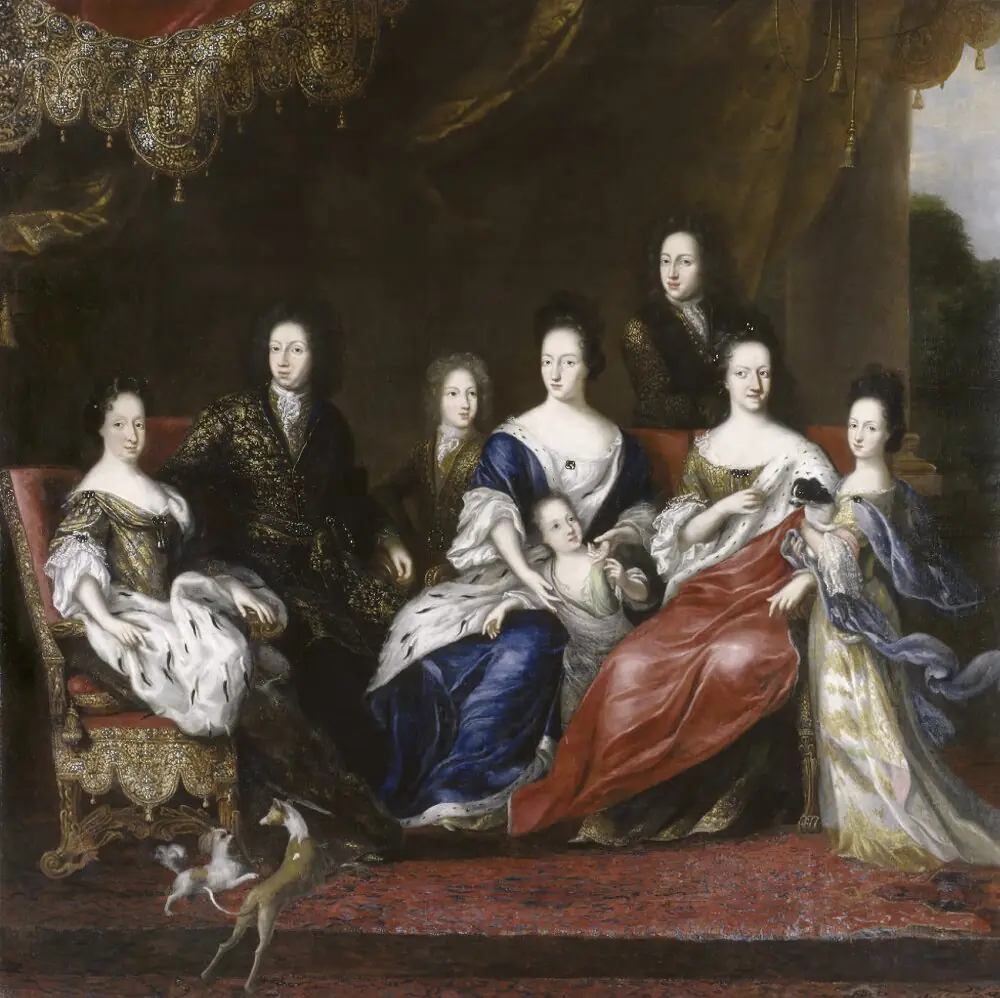
Nationalmuseum is an art museum in Stockholm, Sweden. 5 works from its collection are in this catalog, including Titian and Jean Baptiste Camille Corot.
About Nationalmuseum
Overview
Nationalmuseum serves as the national gallery of fine arts and design for Sweden, located on the Blasieholmen peninsula in central Stockholm. It houses one of Europe's oldest and most comprehensive collections of art and design, spanning from the 16th century to the present day. The institution operates as a state-owned entity, managing a vast array of paintings, sculptures, drawings, and decorative arts that reflect both Swedish and international artistic heritage.
History & Founding
The roots of the museum trace back to the 18th-century royal collections, with King Gustav III founding the Picture Gallery in 1780 and the Museum of Antiquities in 1785 at Stockholm Castle. These institutions coalesced into the Royal Museum in 1792, the year of Gustav III's death, marking the formal establishment of the state's art collections. The transition from royal to state ownership was solidified when Gustav III used state funds to acquire art, preventing the dispersion of collections through inheritance. The museum was officially inaugurated in its current building in 1886, following a long period of planning and construction that began in the 1840s.
Building & Architecture
The current museum building, constructed between 1844 and 1866, was designed by the German architect Friedrich August Stüler, who took over the project in 1847. The structure is a three-story edifice inspired by northern Renaissance architecture, featuring a façade clad in Swedish limestone. Initially envisioned as a broad national cultural center, the building's function evolved to focus primarily on visual arts as other collections, such as the Royal Library and the Royal Armoury, moved out over the decades. The building underwent a major $132 million renovation between 2013 and 2018 to modernize climate control, safety, and accessibility, reopening on October 13, 2018.
Collection Highlights & Notable Holdings
The museum's collection of approximately 500,000 drawings is one of the largest in the world, spanning from the late medieval period to around 1900. Significant holdings include works acquired through royal patronage, such as the extensive French paintings of Queen Lovisa Ulrika and the international treasures gathered by Carl Gustaf Tessin, including works by François Boucher, Jean-Baptiste-Siméon Chardin, and Rembrandt. The collection also features the 'Munich loot' of 1632 and the 'Prague loot' of 1648, acquired during the Thirty Years' War. A pivotal acquisition was the purchase of Johan Tobias Sergel's sculptures in 1815, which shifted the focus toward national classicism.
Significance & Legacy
Nationalmuseum stands as one of Europe's oldest art museums and a testament to the transition of art from private royal ownership to public state heritage. Its significance lies in its role as a guardian of Swedish national identity through art, particularly through the 19th-century emphasis on Nordic and Swedish artists. The museum's evolution from a general cultural repository to a dedicated fine arts institution reflects broader shifts in European museology. The 2018 reopening marked a new era, ensuring the preservation of its extensive holdings while making them accessible to a modern public, solidifying its status as a leading cultural institution in Scandinavia.
What to see at Nationalmuseum
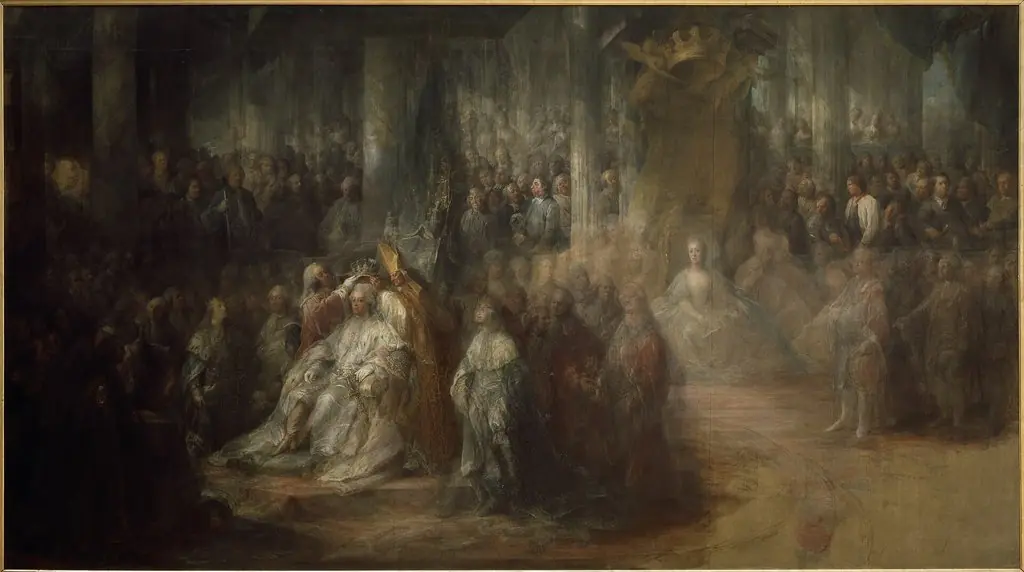
Start with Coronation of Gustav III. by Carl Gustaf Pilo.

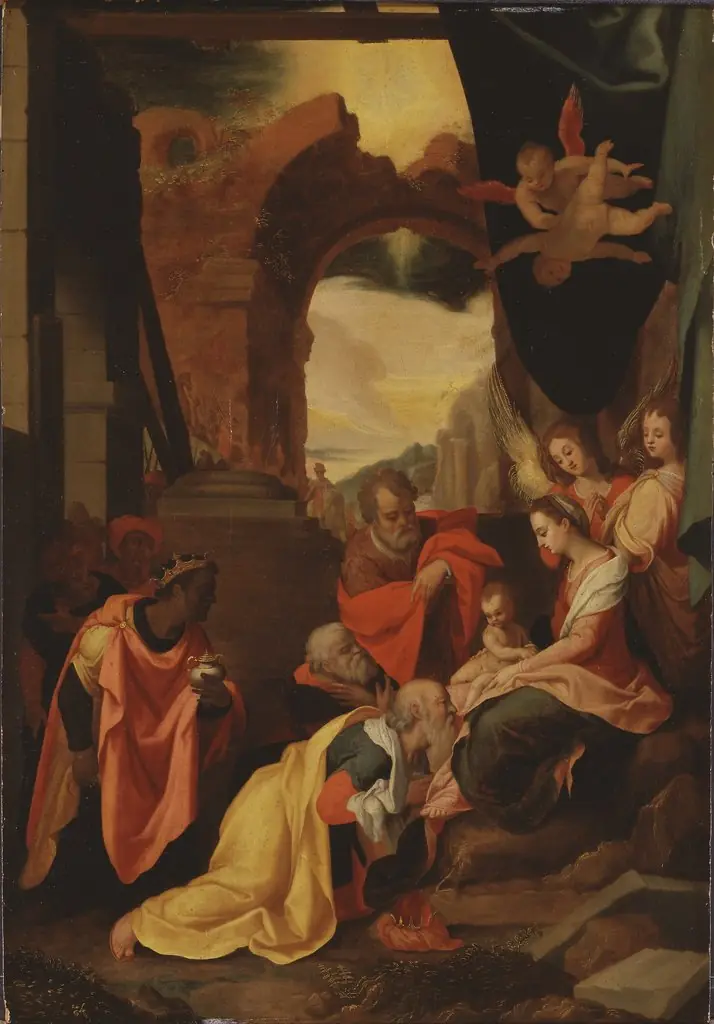
Works from Nationalmuseum
Plan your visit
Nationalmuseum
- Website
- www.nationalmuseum.se